


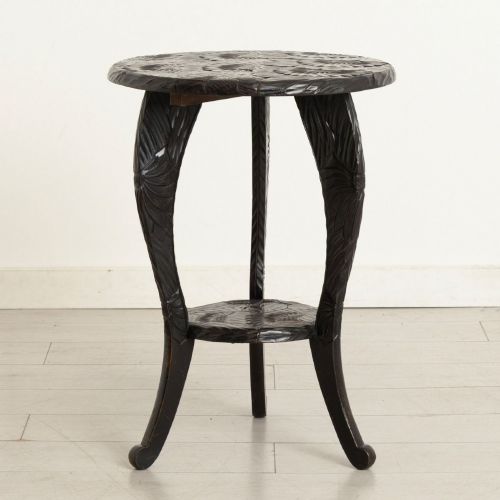

Antique Timber Plant Stand
An antique timber plant stand lifts greenery into the light, bringing structure and organic warmth to a room.
Antique Timber Plant Stand
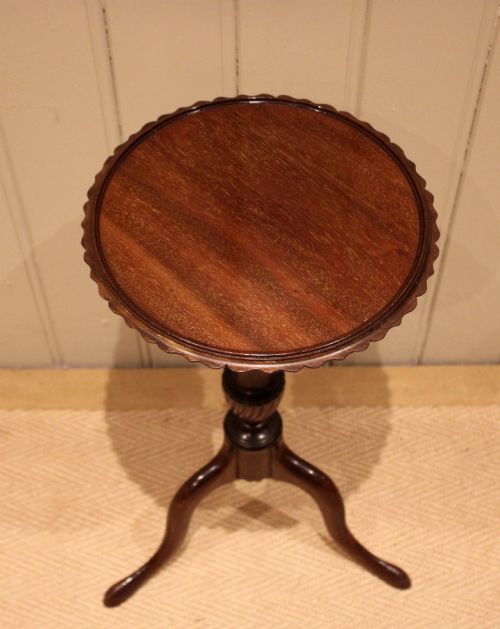
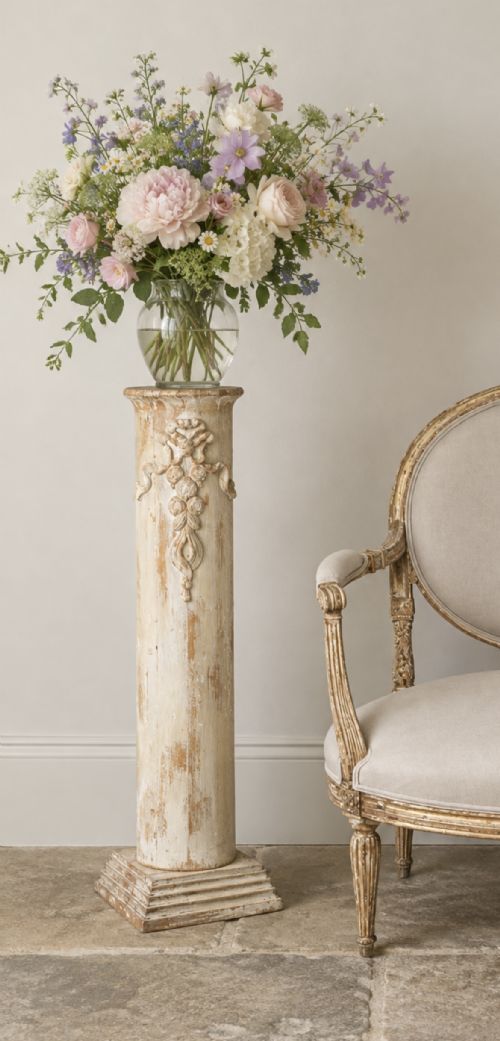
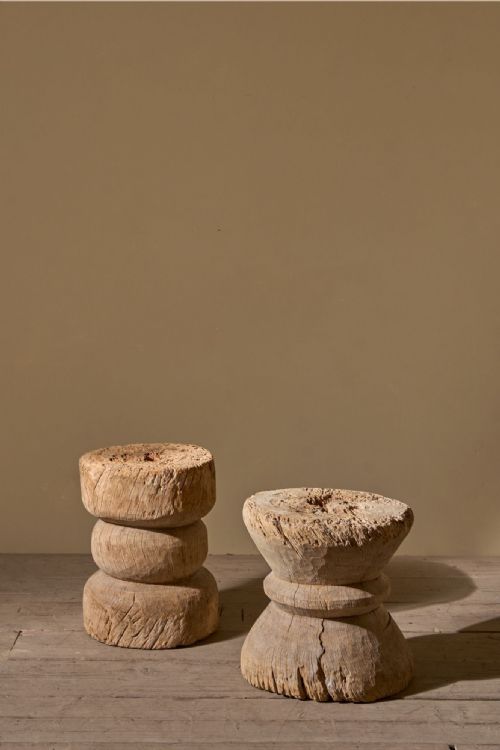
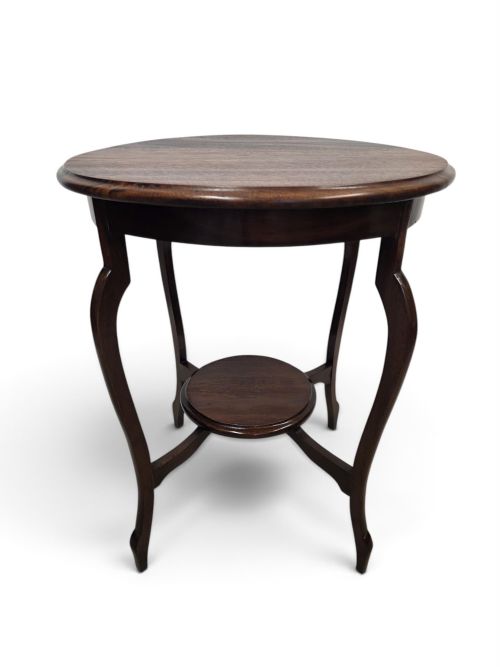
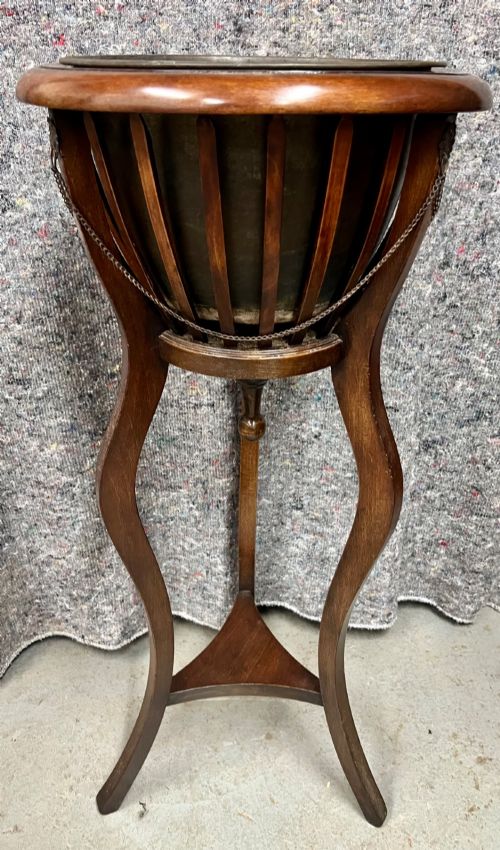
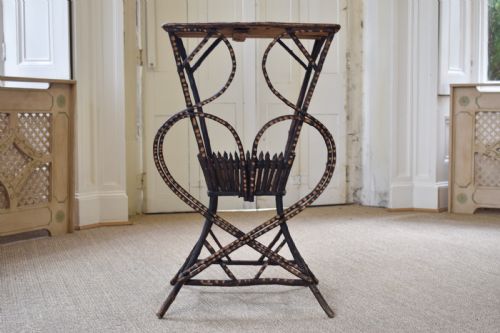
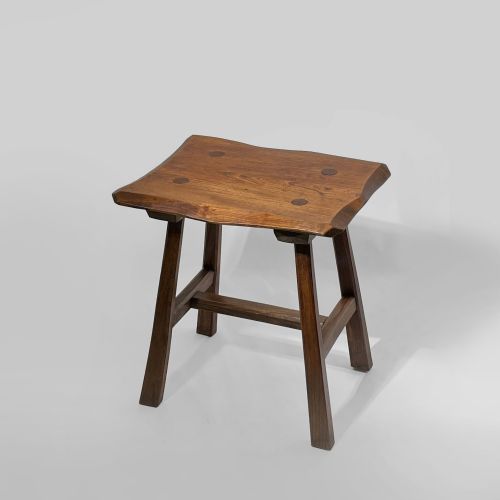
An antique timber plant stand serves to elevate pots, vases, and urns, drawing the eye upward and protecting flooring from moisture. The selection spans tall architectural columns, sturdy tripods, and dedicated jardiniere holders designed for domestic display.
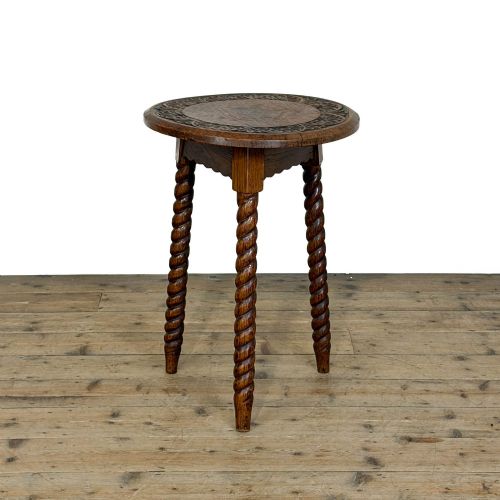
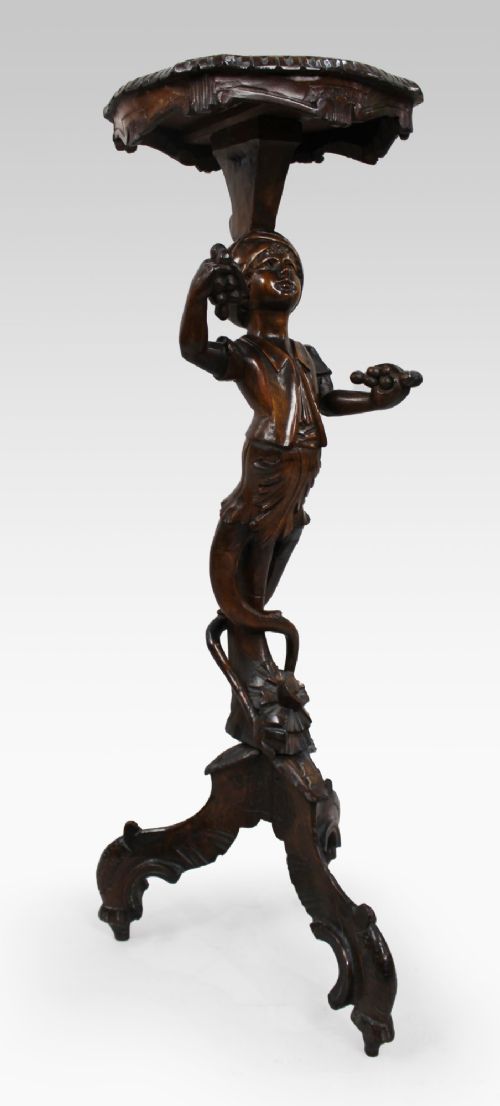
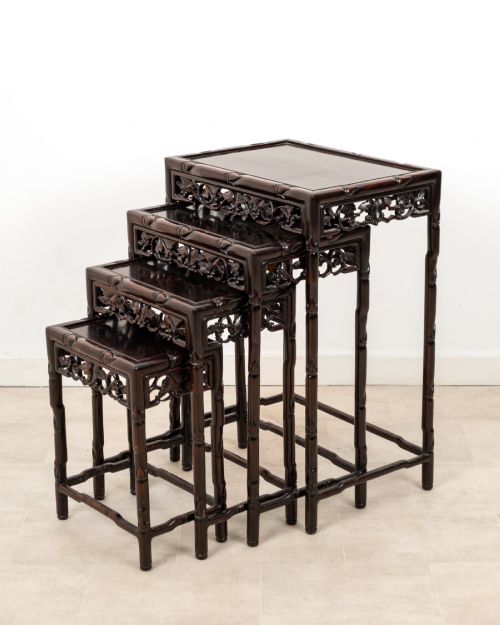
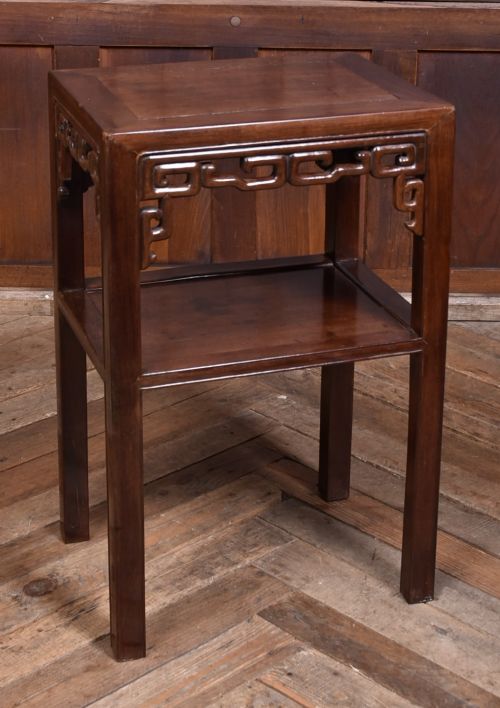
Victorian and Edwardian examples predominate, alongside Chinese export pieces and occasional tables pressed into botanical service. These range from simple turned wooden columns to heavily carved figural pedestals reflecting diverse regional tastes from the nineteenth and early twentieth centuries.
Materials and construction methods
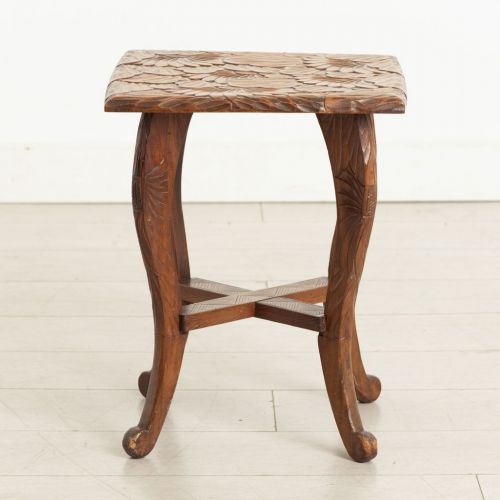
Cabinetmakers utilised dense hardwoods such as mahogany, oak, walnut, and rosewood, ensuring stability for heavy earthenware and marble tops. These timbers were turned on lathes, joined with traditional joinery, or hand-carved with intricate motifs like grape vines and figural caryatids.
Surface treatments vary from polished natural grain and rich dark stains to decorative painted finishes and mother-of-pearl inlay. Craftspeople also incorporated contrasting insets, pairing wooden frames with smooth stone inserts to support damp plant pots.
Distinguishing quality and craftsmanship
The distinction between standard utility items and exceptional pieces rests upon the crispness of the hand-carving and the rigidity of the foundational stance. Superior examples maintain perfect vertical balance on three or four legs without wobble, even when supporting significant weight.
Material selection dictates longevity, with dense indigenous and exotic hardwoods outperforming softer pine or composite constructions. Master craftsmanship shows in seamless joints, well-defined turning, and the thoughtful integration of decorative elements like inset marble or detailed figural work.
Liberty of London
The Antique Timber Plant Stand Glossary
- Jardiniere
- A large ornamental pot or stand specifically made for holding flowers and indoor plants.
- Torchiere
- A tall stand or pedestal, originally designed to hold a torch or candle, now frequently used to display sculpture or plants.
- Tripod
- A three-legged support structure commonly found on nineteenth-century occasional and lamp tables.
- Hongmu
- A traditional Chinese term for dense, heavy hardwoods used in fine Asian furniture manufacturing.
- Caryatid
- A sculpted female figure serving as an architectural support taking the place of a column or pillar.
Antique Timber Plant Stand: Frequently Asked Questions
How do I choose the right height?
Consider the scale of your existing furniture and the height of the plant or vessel you intend to place upon it. Taller columns work well in corners or empty spaces, while lower tripod tables suit seating areas.
Ensure the top surface matches the base diameter of your pot to maintain structural stability and visual balance.
Can these stands support heavy pots?
Hardwood and marble-topped variants offer substantial load-bearing capacity, making them suitable for heavier terracotta or ceramic planters. Check the underlying joinery and leg spread to ensure the weight distributes evenly.
Lighter pine or delicate occasional tables are better reserved for smaller flora or decorative objects.
How do I identify the period?
Examine the timber species, tool marks, and stylistic motifs to narrow down the era of manufacture. Victorian and Edwardian pieces often feature heavy turning or revival styles, whereas later pieces show simpler twentieth-century lines.
Consult the construction methods underneath, as machine-sawn timber points toward the later nineteenth century and beyond.