



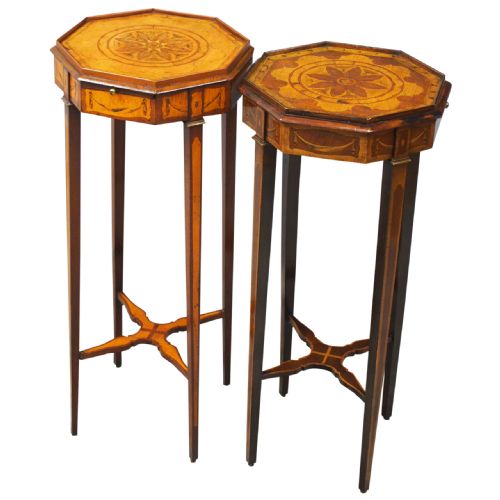
Satinwood Candle Stand
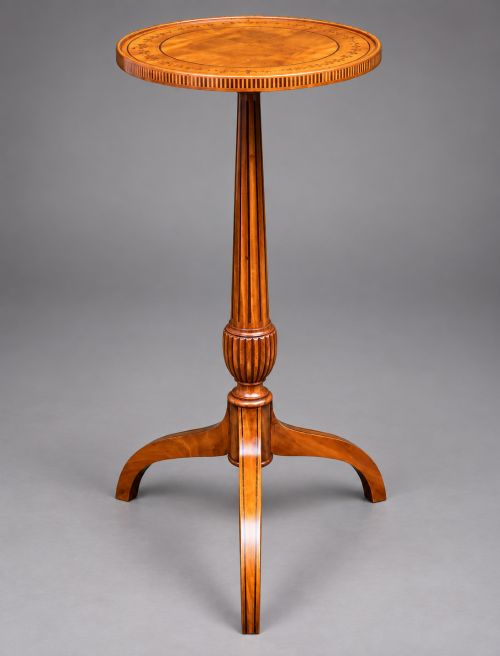
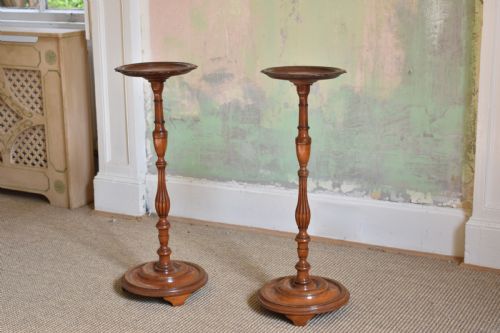
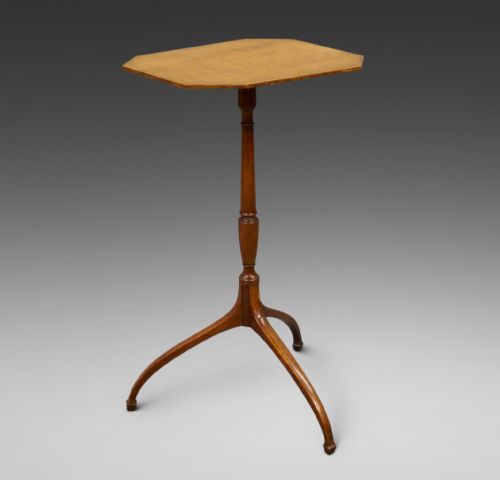
These satinwood candle stand pieces bring polished warmth and refined timber figuring to a room, offering a slender surface for illumination or display.
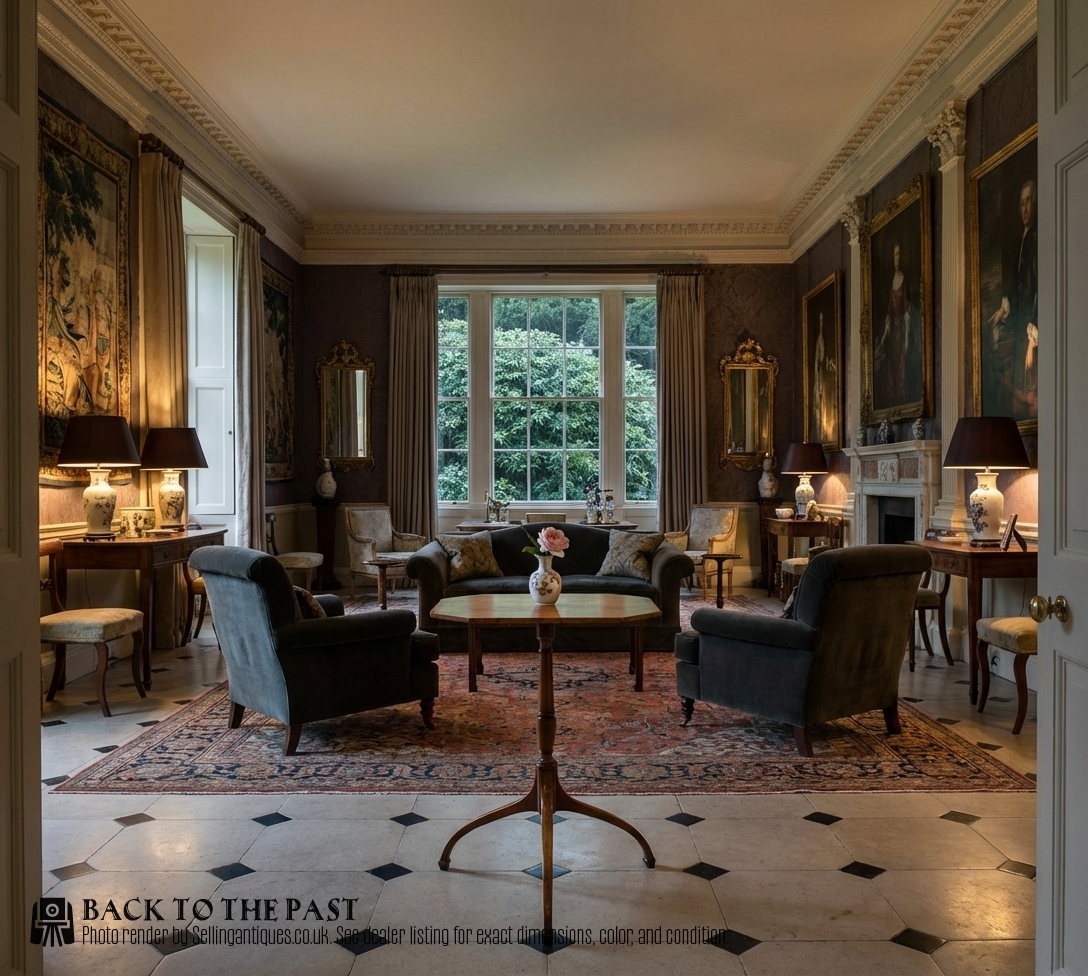
Satinwood Candle Stand
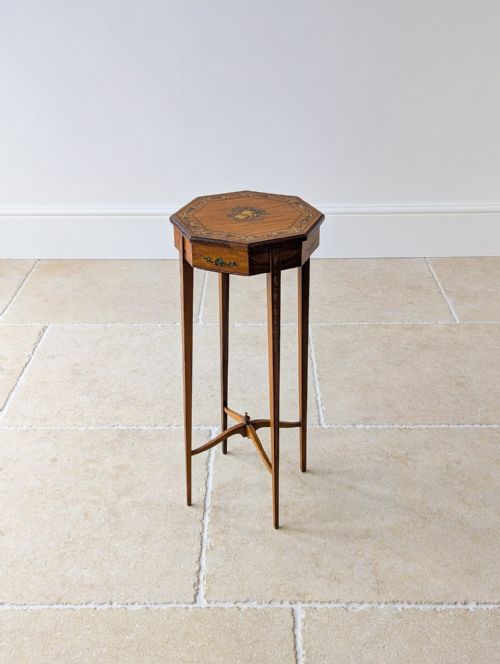
The selection ranges from George III tripod designs to Edwardian Sheraton Revival examples, encompassing circular tops and occasional pedestals. Many pieces incorporate decorative inlay or painted details, reflecting the refined tastes of their respective periods from the eighteenth century through to the early twentieth century.
These items function equally well today as small lamp tables or side tables, offering considerable versatility within a domestic interior. The survival of pairs alongside single stands provides options for balanced placement in a sitting room or hallway.
How They Were Made
Cabinetmakers constructed these stands using solid and veneered satinwood, frequently combining it with contrasting timbers such as mahogany, rosewood, burr oak, and yew wood. Inlaid woods added geometric or floral borders to table tops, while brass fittings occasionally reinforced structural points or decorated the feet.
Turned pedestals and slender tripod legs provided stability despite the light frames, balancing the decorative wood grain with structural engineering. Some examples utilise paint applied directly to the timber surface, creating intricate motifs characteristic of the Sheraton and Adam styles.
Some tilt-top tables retain traces of candle wax buried deep within the grain from centuries of evening reading.
What Varies in Quality
The fineness of the timber figuring and the precision of the inlaid wood determine the visual standing of each piece. Superior examples display carefully matched grain patterns across the circular top and crisp execution in any painted or inlaid decoration.
Structural integrity in the tripod base and the seamless joining of the pedestal to the table top separate standard utility pieces from exceptional cabinet work. The balance between the slender legs and the upper surface indicates the maker's skill in maintaining proportion.
The Satinwood Candle Stand Glossary
- Satinwood
- A dense tropical hardwood known for its lustrous, golden-yellow appearance and satin-like sheen. Cabinetmakers valued it highly for decorative veneers and inlay work.
- Tripod Table
- A small freestanding table supported by a central pillar resting on three legs. This form allowed stability on uneven floors.
- Kettle Stand
- A small, tall table historically used to support a tea kettle over a spirit lamp. These share similar dimensions and forms with candle stands.
- Sheraton Revival
- A late nineteenth and early twentieth century design movement that reinterpreted the lighter, neoclassical furniture styles associated with Thomas Sheraton. It relies heavily on satinwood, fine inlay, and painted details.
- Tilt-top
- A tabletop mechanism allowing the surface to pivot to a vertical position when not in use. This saved space in period rooms.
Satinwood Candle Stand: Frequently Asked Questions
What is a satinwood candle stand used for?
Originally built to elevate a candle for reading or illumination, these stands serve well today as small side tables, lamp tables, or plant stands. Their compact footprint allows them to fit easily into tight corners or beside seating.
They also function effectively as display surfaces for small decorative objects, bringing period craftsmanship into modern rooms without dominating the floor space.
How do I date a satinwood stand?
Dating relies on examining the timber species, construction methods, and stylistic cues such as inlay patterns or leg profiles. Pieces from the Georgian and George III periods often feature simpler, hand-turned pedestals, while Edwardian Sheraton Revival items display crisp machine-sawn components and brighter veneers.
Comparing the secondary woods underneath and the wear patterns on the base further clarifies the period of manufacture.
Are these tables sturdy enough for daily use?
Most tripod stands and occasional tables remain stable for holding lamps, cups, or books when placed on level flooring. The slender legs require sensible placement to avoid heavy impacts, but the underlying timber joints are robust.
Regular care and gentle handling ensure these pieces withstand everyday placement in active living areas.
What is the difference between a candle stand and a wine table?
While both share compact circular tops and pedestal bases, wine tables often feature slightly wider tops designed to hold glasses and bottles. Candle stands frequently have smaller, raised-edge tops intended to keep a candlestick secure.
In practice, cabinetmakers used the terms interchangeably across different periods depending on the exact dimensions of the piece.