

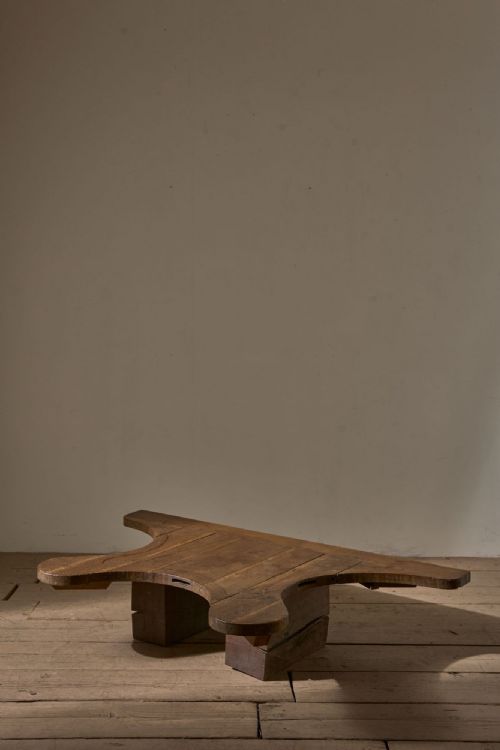


Rustic Wood Low Table
A rustic wood low table brings tactile grain and honest joinery to a room, grounding modern spaces with centuries of utility.
Rustic Wood Low Table
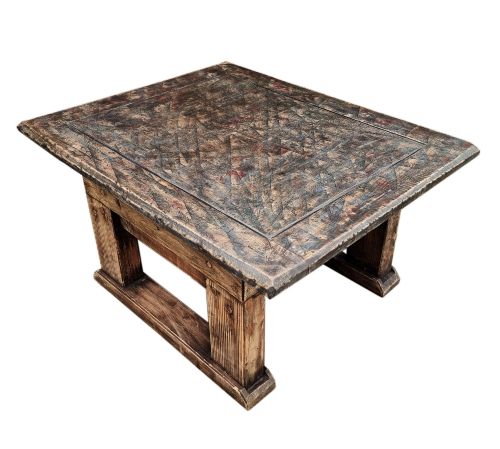
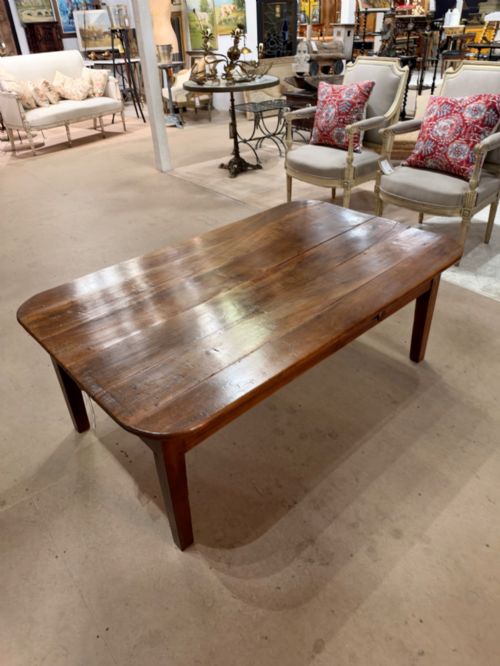
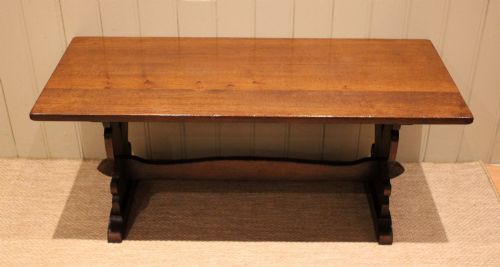
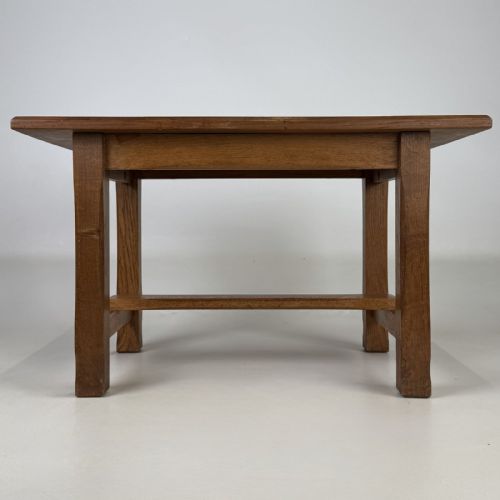
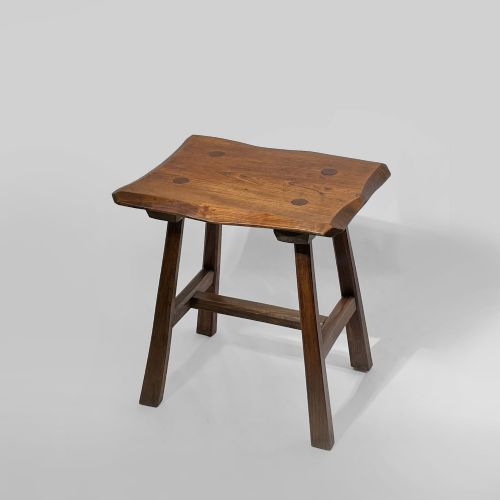
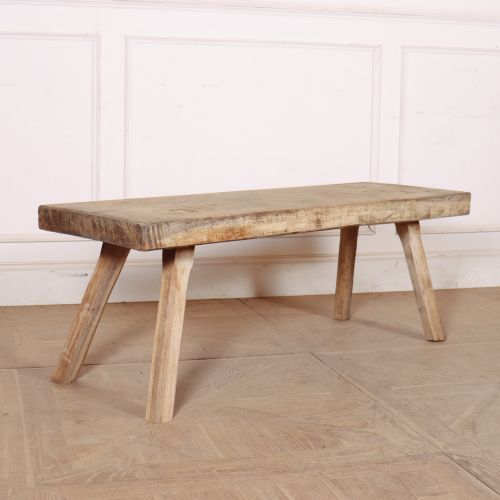
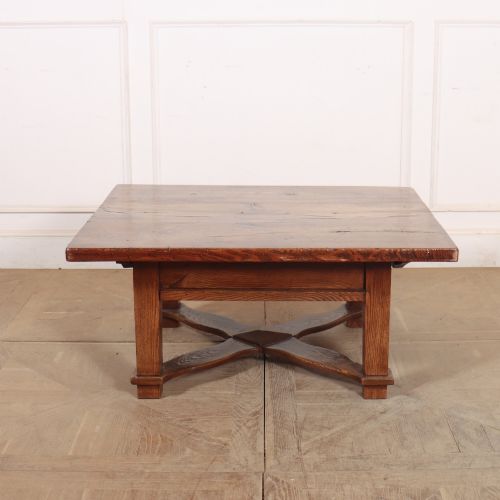
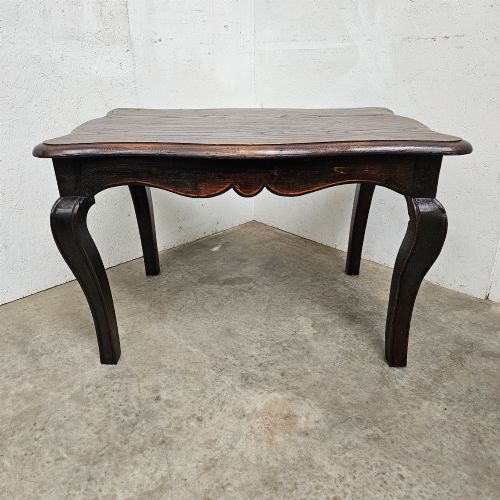
A rustic wood low table encompasses low-slung coffee tables, occasional tables, and adapted benches drawn from vernacular traditions across Europe and beyond. When you search for a rustic wood low table, you encounter pieces shaped by practical domestic and agricultural labour rather than formal salon design.
The selection ranges from 18th-century elm and oak boards to Edwardian pine coffee tables and repurposed vernacular forms like cheese press tables and jewellers benches. Elm, pine, and oak dominate the domestic examples, while regional variations include cherrywood, sycamore, ash, and fruitwood.
Lower formats often originate from low tables, stools, and daybeds, modified over time to serve modern seating areas. You are most likely to meet pine and elm coffee tables dating from the 19th century, alongside French and English farmhouse formats.
Materials and Construction
These tables rely on solid timber construction using hardwoods and softwoods selected for local availability and strength. Planks of oak, elm, and pine form the primary surfaces, supported by turned or straight legs joined with traditional pegs and joints.
Surfaces show the marks of hand-planing, shrinking timber, and centuries of daily use rather than industrial smoothing. Secondary materials like brass appear sparingly in fittings or hinges, while painted finishes and bleached treatments alter the raw timber surface.
Rustic Wood Low Table Retail Price Guide 2026
Typical asking prices for rustic wood low table among the pieces listed under this phrase on Sellingantiques today, from the lower quarter to the upper quarter. They describe what is for sale here now, not the wider market.
Listings feature timbers including oak, elm, pine, sycamore, ash, cherrywood, and fruitwood across pieces dating from the 18th century to the Edwardian era.
Assessing Quality and Character
Quality in these pieces rests upon the integrity of the timber and the honesty of the construction. Untouched patination, deep wax buildup, and visible grain movement separate superior vernacular items from lesser or overly restored examples.
Proportion and structural balance dictate the success of converted forms, such as cheese press tables or jewellers benches adapted to low table heights. The best examples retain their original structural timber without excessive replacement of parts.
The Rustic Wood Low Table Glossary
- Vernacular
- Everyday furniture made by regional joiners or wheelwrights using local timber and traditional methods, prioritizing utility over high-style fashion.
- Dresser Base
- The lower section of a traditional kitchen storage unit, frequently utilised as a low table or sideboard due to its robust proportions.
- Trestle Table
- A table structure consisting of two or more supports carrying a horizontal plank top, allowing for sturdy and stable construction.
- Gate Leg
- A table with hinged legs that swing out to support drop leaves, offering adjustable surface areas in oak or fruitwood.
- Patina
- The surface sheen and colour developed through decades of handling, polishing, and environmental exposure on bare wood.
Rustic Wood Low Table: Frequently Asked Questions
What is a rustic wood low table?
A rustic wood low table is a low-profile surface constructed from solid timber, often derived from older farmhouse tables, benches, or utilitarian work tables. They bring unpretentious grain and historic character into a living space.
These pieces range from primitive 18th-century oak and elm examples to Edwardian pine coffee tables. Each piece bears the physical evidence of its past utility.
How do I style a rustic wood low table?
Pair these tables with clean upholstery to let the aged timber and historic grain provide visual contrast. Their robust nature suits rooms that benefit from organic textures and grounded forms.
Keep decorative objects minimal to allow the surface patina and natural imperfections to remain the focus. Their low profile works naturally alongside contemporary seating arrangements.
Are these tables made from solid wood?
Yes, these pieces utilise solid timbers such as oak, elm, pine, cherry, and fruitwood rather than veneered sheet materials. Construction relies on heavy planks and traditional joinery.
This solid construction explains the enduring weight and stability found across the selections. The timber responds to humidity and age with natural movement and splitting.
How can I tell the period of a table?
Dating relies on timber species, tool marks left by hand planes, joinery techniques, and the natural wear of the surface. 18th-century examples often feature wider boards and pegged construction.
Later 19th-century and Edwardian pieces show shifts toward lighter pine formats and industrial adaptations. Comparing the hardware and timber shrinkage helps clarify the timeline.
Can I use a converted bench as a table?
Many low tables originate as functional workshop benches, cheese presses, or daybeds that have been lowered to coffee table height. These adaptations turn historic utilitarian objects into practical furniture.
The conversion process preserves the heavy timber tops and working mechanisms while fitting modern interior scales. Such pieces retain the distinct marks of their industrial past.