

Antique Timber Panels
Antique timber panels bring centuries of architectural history indoors, offering rich wood carvings and painted surfaces that anchor a room.
Antique Timber Panels
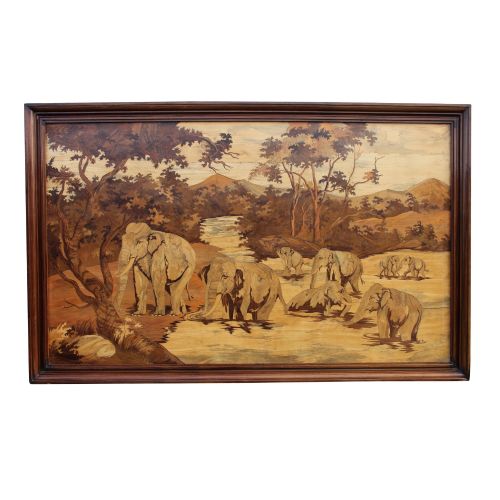
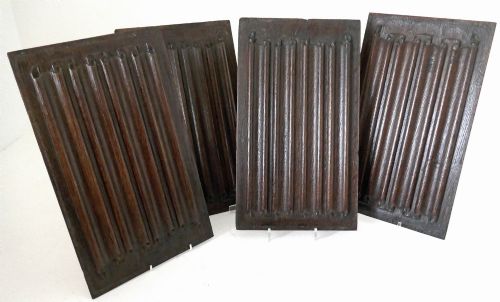
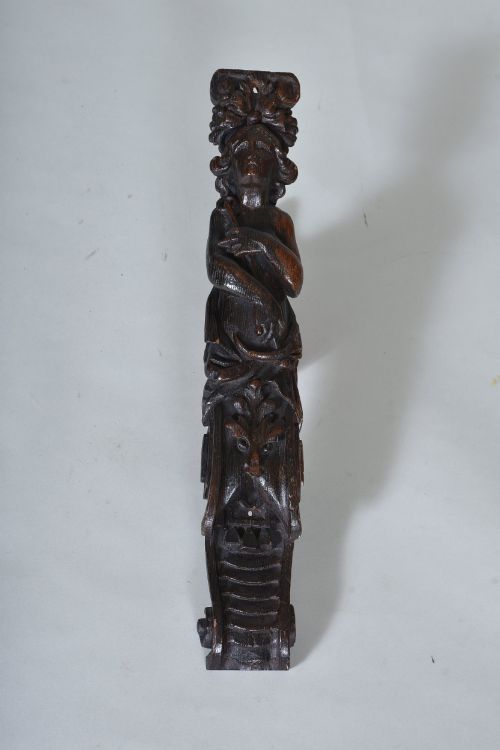
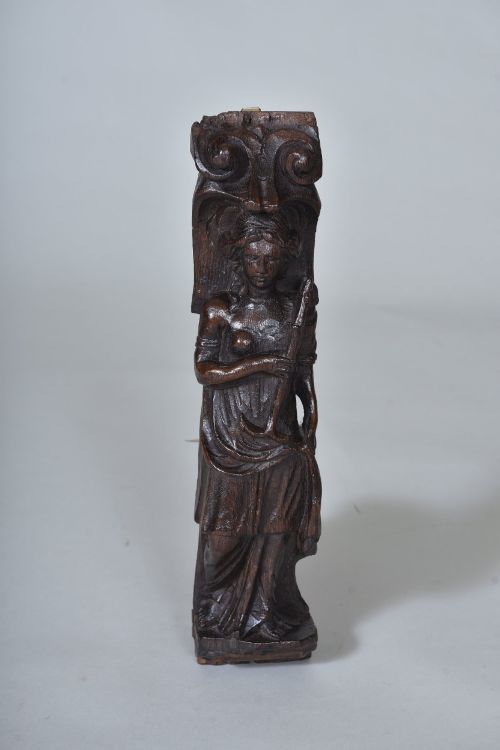
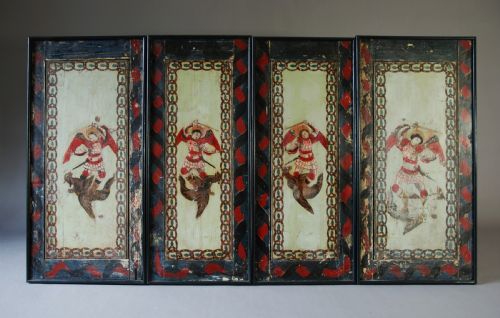
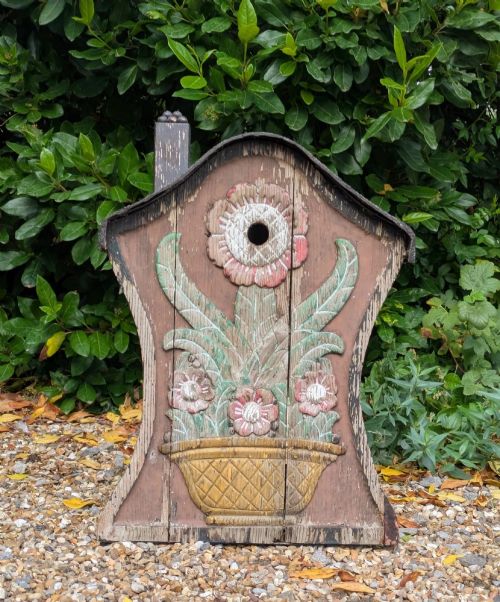
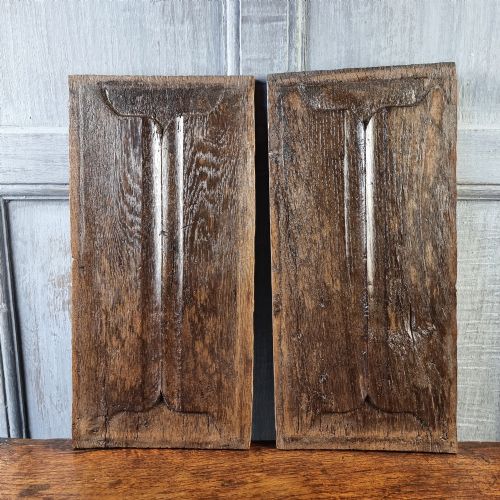
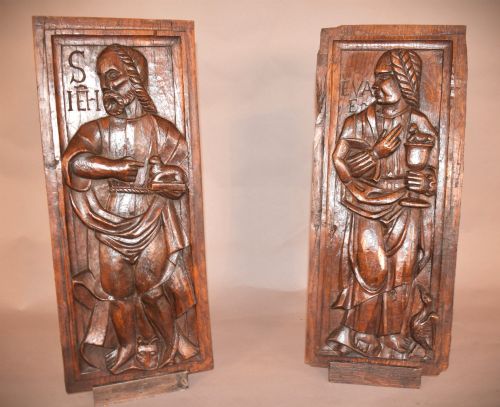
When searching for antique timber panels, buyers look at architectural salvage and decorative woodwork retrieved from period interiors. These pieces range from early sixteenth-century linenfold carvings to eighteenth-century painted pine compositions depicting figures like St Michael.
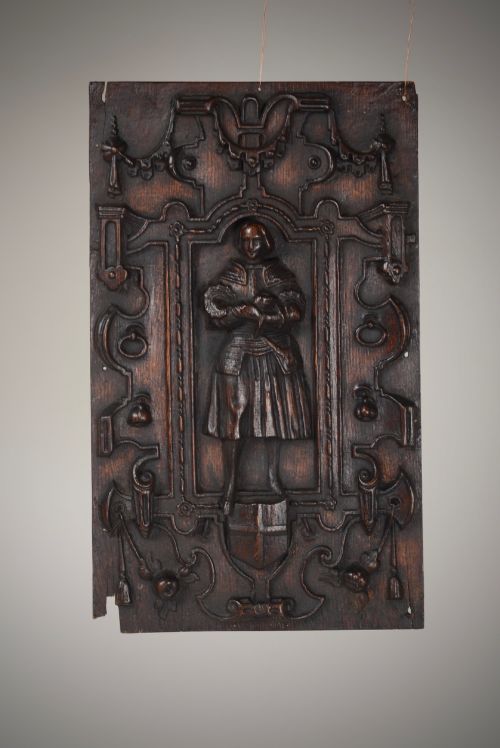
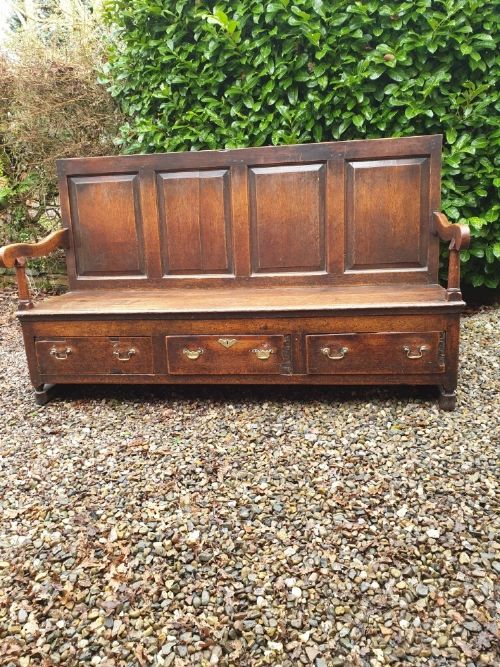
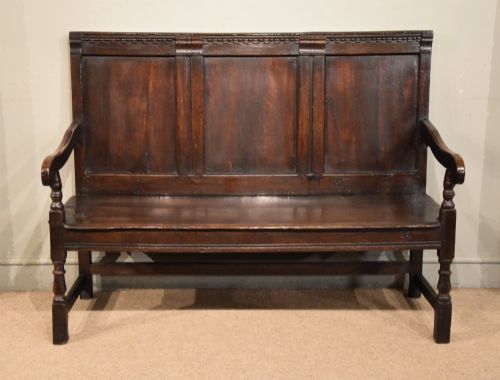
The selections on this page lean heavily towards seventeenth-century and eighteenth-century oak examples, often featuring deeply carved relief work. Buyers frequently encounter panels salvaged from larger structures, repurposed as wall art, overmantles, or room dividers.
Origin and period define the character of these items, with English Tudor and Jacobean styles sitting alongside continental European and Scandinavian country pieces. The physical presence of these timbers brings immediate texture and historic depth to modern interior schemes.
Materials and construction methods
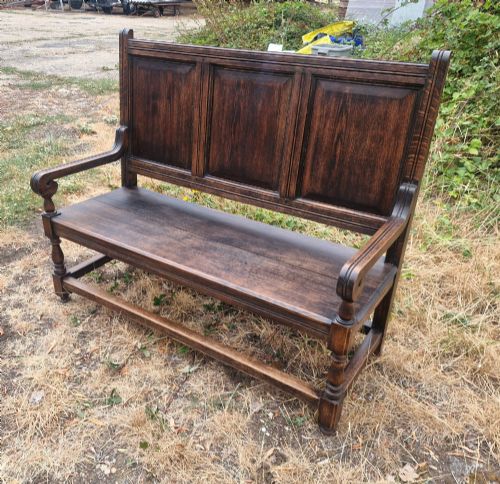
Oak dominates the material record for these pieces, chosen for its strength and ability to hold crisp, hand-chiselled relief details. Walnut, pine, and chestnut also appear, providing different grain patterns and density for carvers and joiners.
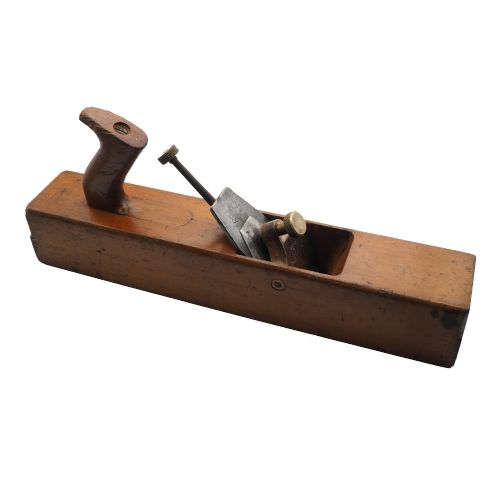
Makers utilised traditional hand tools to plane boards and execute intricate motifs such as linenfold, figural reliefs, and polychrome painted scenes. Joints were secured using pegged mortise and tenon construction, ensuring structural stability across centuries of expansion and contraction.
Current listings feature timber panels spanning from the sixteenth century through the nineteenth century, executed in oak, pine, and walnut.
Assessing quality in carved woodwork
The integrity of the timber surface and the presence of honest historic patina heavily influence desirability. Untouched dry board surfaces retain a visual honesty that overly restored or aggressively stripped panels simply lack.
The Antique Timber Panels Glossary
- Linenfold
- A style of relief carving popular in the Tudor period that imitates folded linen cloth. This design gives flat wooden boards a rich, textile-like texture.
- Overmantle
- A decorative architectural feature mounted above a fireplace opening. These often incorporate carved wooden panels or framed scenes.
- Polychrome
- Decorated in multiple colours, frequently seen on older wooden surfaces and religious carvings. Pigments were applied over prepared grounds to enhance figural scenes.
- Relief
- Sculptural work where figures or patterns project from a flat background. High relief elements stand out boldly, creating dramatic play of light and shadow.
- Patina
- The surface sheen and colour developed by wood through age, handling, and wax polishing. A desirable patina shows genuine historic use rather than artificial chemical ageing.
Antique Timber Panels: Frequently Asked Questions
How do I hang heavy carved panels safely?
Heavy wooden panels require secure fixings anchored directly into wall studs or masonry using appropriate steel brackets. Weight distribution must be carefully calculated to prevent strain on the ancient timber.
Professional framing or mounting specialists should assess the rear of the piece before installation to ensure the historic wood is not compromised by modern hardware.
Can I use antique panels outdoors?
Historic timber panels are strictly suited for interior environments where humidity and temperature remain relatively stable. Outdoor exposure causes rapid moisture absorption, severe warping, and the breakdown of old glues.
Even durable woods like oak will deteriorate quickly when subjected to direct rain and frost cycling.
How do I clean historic timber surfaces?
Dust panels gently with a dry, soft-bristled brush to remove surface particles without disturbing the grain or finish. Avoid modern liquid cleaners, silicone sprays, or harsh detergents that strip natural wax.
Occasional application of pure beeswax helps nourish dry timber and maintains the subtle historic sheen accumulated over centuries.
How do I tell sixteenth-century panels apart from later copies?
Early sixteenth-century work displays tool marks consistent with hand-riven timber and primitive pit-sawing techniques. The weight, density, and shrinkage patterns of the wood also correspond to slow-grown historic forests.
Revival pieces from later centuries often betray their modern origin through mechanical machining marks, uniform colour, and incorrect joint construction.