





Antique Textile Wall Decor
Antique textile wall decor brings centuries of hand-stitched colour and woven texture into a room, offering immediate warmth and historical depth.
Antique Textile Wall Decor
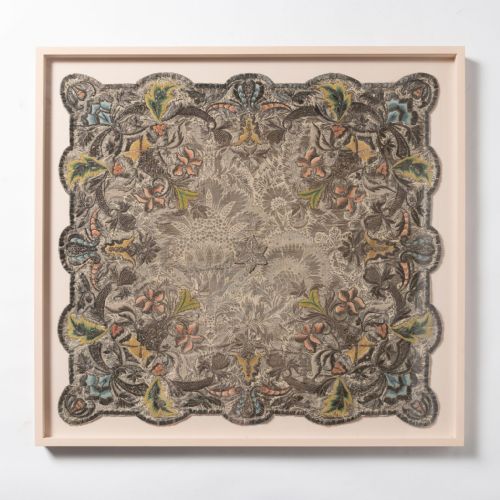
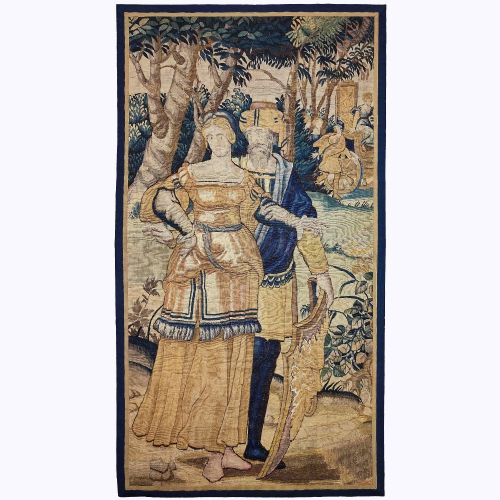
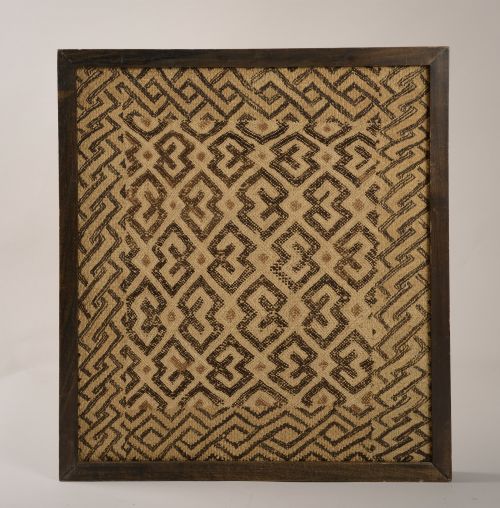
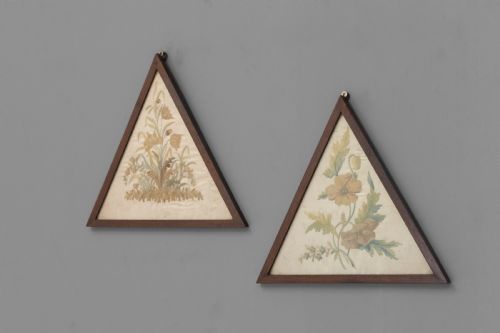
When you search for antique textile wall decor, you encounter a varied selection of wall hangings, framed needlework pictures, and woven panels. These pieces originate from diverse traditions, ranging from Central Asian tribal embroidery to European tapestries and English needlework.
The versions you are most likely to meet on this page span the nineteenth and early twentieth centuries, alongside occasional seventeenth and eighteenth-century examples. They take forms such as dowry embroideries, framed floral pictures, and large tapestry panels intended for interior display.
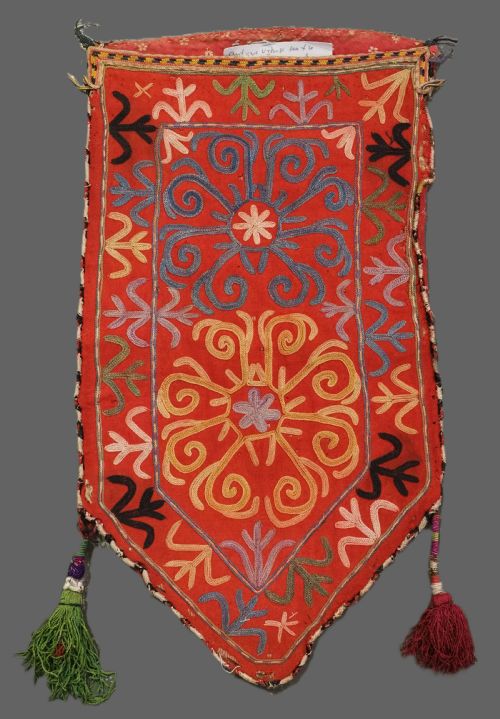
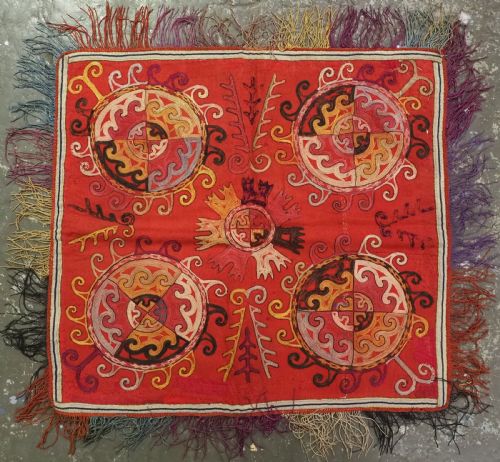
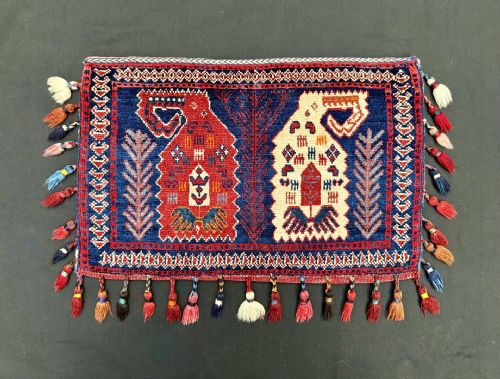
Central Asian tribal pieces feature prominently, including Uzbek Lakai work, Yomut Turkmen items, and Afshar bags repurposed for display. Alongside these tribal items, European needlework and French tapestries represent the domestic and formal traditions of the period.
Assessing quality and execution
Quality in these textiles rests upon the precision of the needlework, the complexity of the design, and the vibrancy of the remaining natural dyes. Finer execution shows in the density of the stitches and the clarity of figurative or geometric motifs.
Condition and survival of the original materials also separate standard examples from finer ones. The integrity of the ground cloth, the completeness of the borders, and the stability of the silk or wool threads dictate the overall standard of the piece.
Listings feature periods from the sixteenth century to the early twentieth century, utilising wool, silk, cotton, and natural dyes.
The Antique Textile Wall Decor Glossary
- Suzani
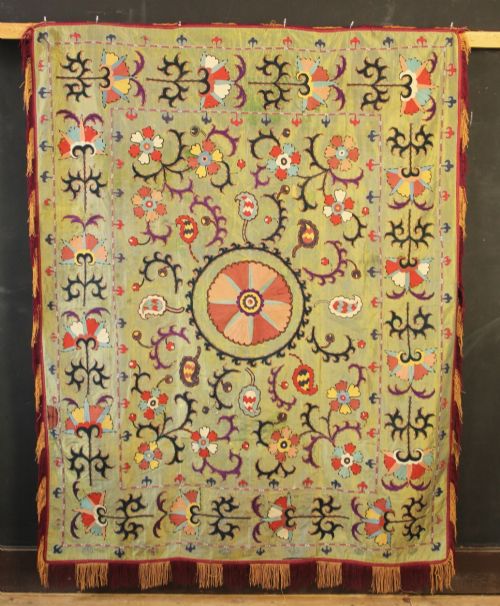
- An embroidered hanging originating from Central Asia, typically worked in silk on a cotton or wool ground. These panels often feature bold floral and geometric medallions.
- Tapestry
- A form of textile art woven on a loom rather than embroidered, usually depicting figural scenes or verdure landscapes. European examples often date from the sixteenth century onwards.
- Tribal text
- Woven or embroidered pieces produced by nomadic and village groups, such as the Yomut or Lakai, serving practical or decorative domestic functions. Their patterns reflect regional tribal identity.
- Needlework
- Hand-stitched decoration using yarn or thread upon a canvas or fabric backing, common in Victorian and Arts and Crafts domestic pieces. These often depict animals, figures, or floral arrangements.
- Tent band
- A long woven strip produced by nomadic groups for structural and decorative use within a tent. When used as wall decor, they display dense geometric patterning.
Antique Textile Wall Decor: Frequently Asked Questions
How do I hang an antique textile safely?
Heavy tapestries and framed needlework require secure wall fixings distributed evenly across the weight of the piece. Many flat textiles benefit from professional mounting behind glass to protect fragile fibres from dust and handling.
Avoid hanging textiles in direct sunlight, as natural dyes fade over time when exposed to ultraviolet light. Ensure the wall surface is dry to prevent moisture damage to wool and silk grounds.
What is a suzani?
A suzani is a type of embroidered textile from Central Asia, traditionally made by brides as part of their dowry. They feature large-scale decorative motifs stitched in vibrant silk thread on cotton or wool foundations.
These pieces were originally used as wall hangings or decorative covers within nomadic and village homes. Today, their bold designs make them popular choices for wall display in modern interiors.
How do I clean antique textiles?
Antique textiles require very gentle care and should rarely be subjected to standard washing methods. Gentle surface dusting with a soft brush or low-suction vacuum through mesh can remove loose particles.
For deeper cleaning or stain removal, consult a professional conservator specialising in historic fabrics. Harsh detergents and water immersion risk destroying fragile threads and bleeding natural dyes.
Are these pieces framed?
Some items on this page are listed as framed needlework pictures or framed panels, while others remain flexible textiles or wall hangings. Framed pieces typically include glass protection and wooden surrounds suited to domestic display.
Unframed textiles, such as tent bands or embroidery panels, can be mounted by a framer or hung using traditional sleeves and rods. The listing details specify whether glass, wood, or canvas backing is present.
How do I date an antique textile?
Dating relies on identifying the materials, dyes, regional motifs, and stitching techniques characteristic of specific periods. Natural dyes and hand-spun wools often point towards nineteenth-century or earlier origins.
Comparison with documented examples from known tribal regions or European workshops helps narrow down the decade of creation. Structural wear and the type of ground fabric also provide clues to the age of the piece.