





Antique Temperature Gauge
These antique temperature gauge pieces combine precision science with period craft, offering tactile history for any desk or wall.
Antique Temperature Gauge
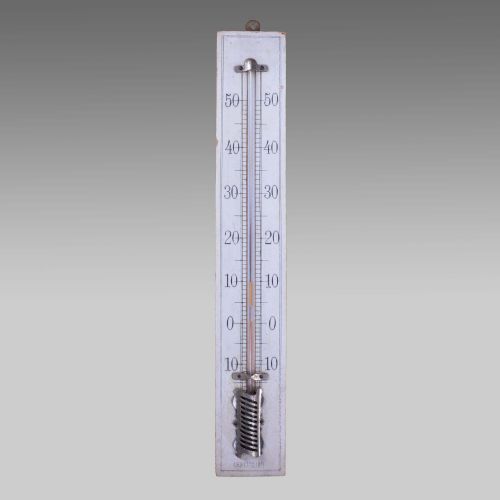
An antique temperature gauge encompasses scientific instruments designed to measure heat, appearing across various forms from domestic wall thermometers to travel companions. When searching for an antique temperature gauge, buyers encounter domestic wall thermometers and desk accessories alongside specialised scientific equipment.
The selection ranges from Georgian mahogany cased wall thermometers to Victorian desk accessories and Art Deco bronze designs. Examples span several periods including Georgian, William IV, Victorian, and Art Deco styles.
Most pieces date from the eighteenth, nineteenth, and early twentieth centuries, reflecting the progression of measurement technology. Origin points include domestic makers in London and Plymouth alongside nineteenth century French workshop output.
How they were made
Maker workshops utilised dense timbers such as mahogany and painted wood to house delicate glass columns and mercury or alcohol reservoirs. Brass, iron, and bronze components provided structural integrity and mechanical housings for scientific dials.
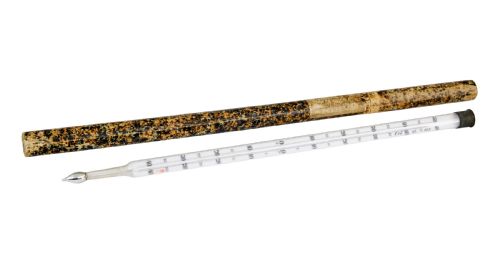
Portable instruments required protective housing, leading to fitted cases fashioned from leather and wood, sometimes lined with velvet. Metal parts underwent casting and finishing by hand to ensure smooth operation in domestic or field settings.
Gardeners in the nineteenth century relied on specialised hot bed thermometers to check if their manure heaps were warm enough for melons.
What varies in quality
Execution of the timber casing and the legibility of the scale distinguish standard items from superior workshop production. Finer instruments exhibit superior joinery, crisp dial engraving, and robust original protective cases.
The reputation of the maker and the complexity of the instrument, such as maximum and minimum tracking or combined barometer functions, elevate the standing of an individual piece.
George Adams of Fleet Street·Patrick Adie of London·Goldsmiths of London·Thomas Harris and Son·W Watson and Sons London
The Antique Temperature Gauge Glossary
- Hypsometer
- An instrument used to determine height above sea level by measuring the boiling point of water. It relates directly to atmospheric and temperature recording.
- Alcohol thermometer
- A temperature measuring device utilising coloured alcohol rather than mercury within the glass tube. These often appear in nineteenth century French items.
- Hot bed thermometer
- A specialised agricultural instrument designed for monitoring soil or compost temperature. These feature robust construction to withstand damp garden environments.
- Maximum and minimum thermometer
- A scientific device that records both the highest and lowest temperatures reached over a given period. They are frequently housed together in a fitted case.
Antique Temperature Gauge: Frequently Asked Questions
How do I clean an antique thermometer case?
Use a dry, soft cloth to gently dust wooden or metal surfaces without disturbing fragile glass components.
Avoid liquid cleaners or polishes that might degrade historic finishes or text on the dial scale.
Can these old instruments still measure temperature accurately?
Many historic instruments retain their original calibrated scales and functional glass columns.
Fluctuations in glass over centuries mean they serve better as decorative objects than precise scientific tools.
What is the difference between a wall and travel thermometer?
Wall thermometers feature mounting brackets or elongated wooden backs designed for permanent interior display.
Travel versions arrive in protective leather or wooden cases lined with velvet for secure transit.
How do I identify a Georgian instrument?
Georgian pieces typically display rich mahogany cabinetry with handwritten paper scales or brass mountings.
Maker signatures engraved directly into the metal or wood often point to eighteenth century production.