







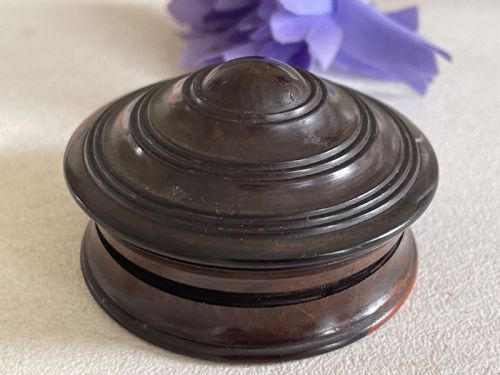
Georgian Mahogany Instrument
A georgian mahogany instrument is a practical piece of scientific equipment or navigation gear housed in rich timber, prized for its precision and craftsmanship.
Georgian Mahogany Instrument
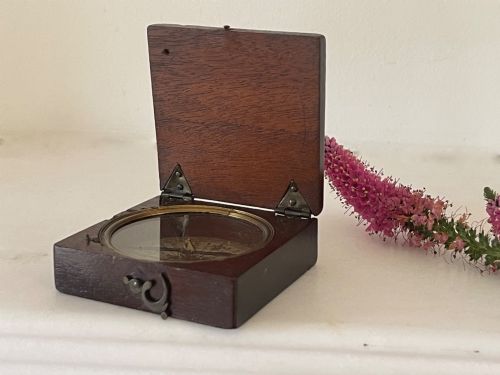
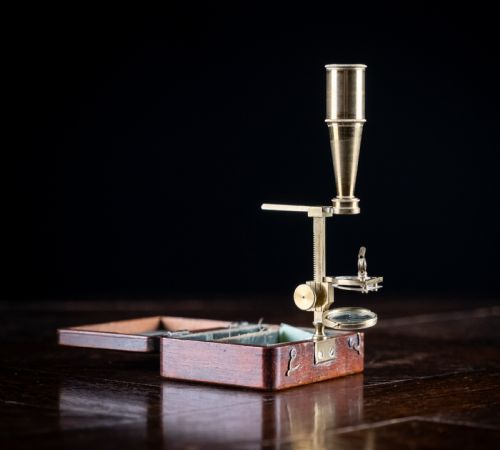
When you search for a georgian mahogany instrument, you encounter scientific apparatus and navigational tools made during the eighteenth and nineteenth centuries. These pieces encompass barometers, thermometers, telescopes, microscopes, compasses, and specialised measuring devices.
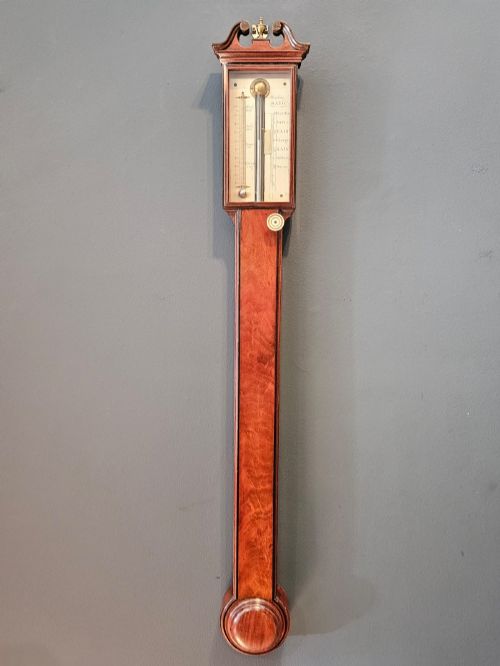
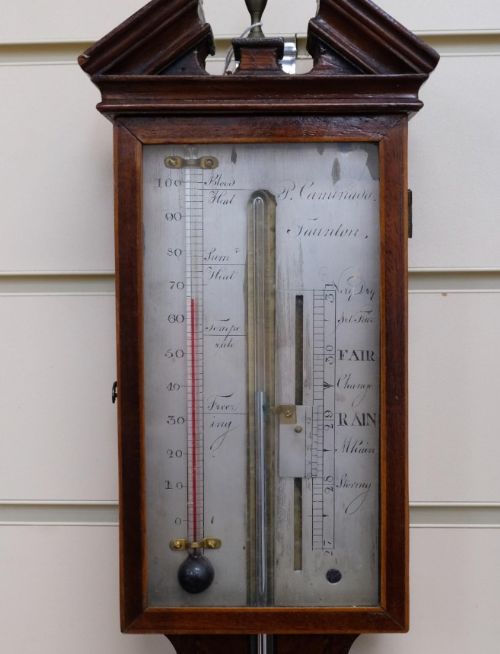
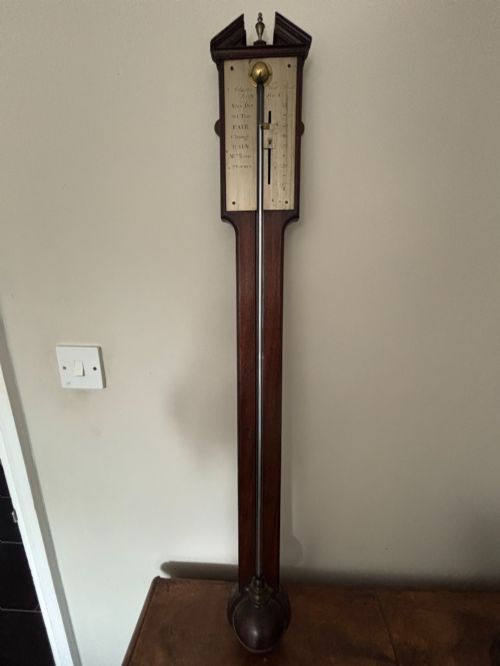
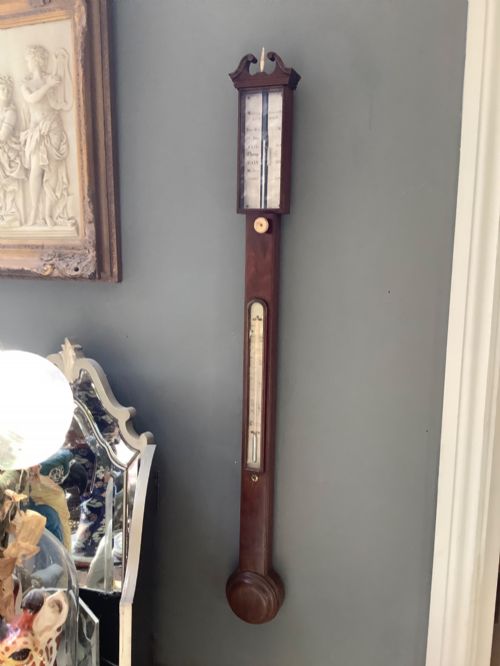
Barometers represent the most common form on this page, appearing in stick and banjo configurations. These weather glasses served an essential domestic and scientific function in period homes, recording atmospheric pressure.
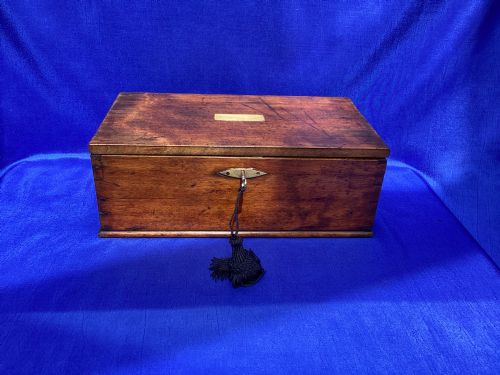
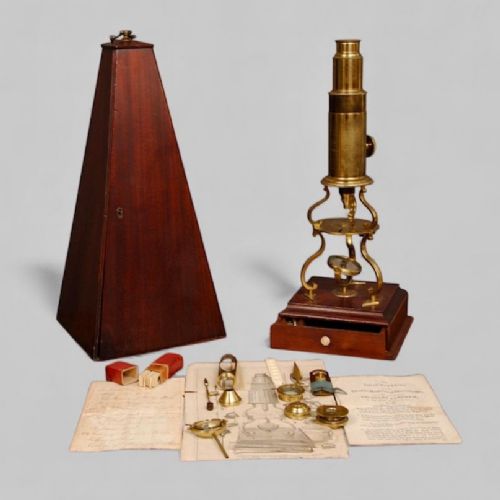
Scientific and medical equipment forms the remainder of the selection, including portable sundials, navigational compasses, and cased microscopes. These objects reflect the expansion of scientific inquiry and trade during the Georgian and Regency eras.
Materials and construction
Mahogany provides the primary structural housing for these items, selected for its stability and resistance to warping in changing climates. Cabinetmakers shaped the timber into slender cases for barometers and compact boxes for portable instruments.
Brass and silvered metal components are fitted alongside the timber to display graduations, scales, and optical lenses. Boxwood inlay and glass elements frequently finish the dials and viewing ports, combining utility with refined decorative detail.
Listings feature mahogany instrument forms spanning the eighteenth and nineteenth centuries, incorporating brass, silvered metal, and boxwood inlay.
Assessing quality and execution
The distinction between standard utility items and superior examples lies in the precision of the maker's mechanical work and the crispness of the engraved scales. Finer barometers and microscopes display finely divided silvered brass plates and signed inscriptions from notable makers.
Cabinetwork also separates the tiers of production, with higher quality pieces featuring well-figured timber grain, precise boxwood stringing, and robust brass fittings that secure the delicate internal mechanics effectively.
Nairne and Blunt·Cary London·Holtzapffel and Co·Robert Brettell Bate·George Adams·John Millikin·W and T Gilbert·Dollond of London·Ganthony of London·Alexander Adie
The Georgian Mahogany Instrument Glossary
- Banjo barometer
- A domestic weather glass housed in a distinctive symmetrical mahogany case shaped like a musical instrument. It uses a mechanical pulley system rather than a long vertical tube to register pressure changes.
- Chondrometer
- A portable device utilised to measure the weight and quality of grain samples for commerce. These mahogany cased sets include precise balance beams and brass weights.
- Theodolite
- A precision surveying instrument mounted on a tripod or stand to measure horizontal and vertical angles. Enclosed in a fitted mahogany box, it relies on telescoping sights and graduated silvered circles.
- Fusee
- A conical pulley used within clockwork mechanisms to equalise the drive force of the mainspring as it unwinds. This ensures consistent timekeeping across the duration of the wind.
Georgian Mahogany Instrument: Frequently Asked Questions
How do I read a stick barometer?
The mercury column rises or falls within the glass tube to indicate changes in barometric pressure. You read the exact measurement by aligning the sliding vernier scale with the top of the column.
Changes in the height of the mercury indicate shifting weather patterns over subsequent hours. Higher readings typically suggest settled conditions, while falling levels point towards approaching rain or wind.
Were these instruments used outdoors?
Most barometers and thermometers remained permanently fixed to interior walls in hallways or libraries where temperatures stayed relatively stable. Drafts and direct sunlight could compromise the accuracy of the mercury readings.
Compasses, pocket microscopes, and telescopes were built specifically for travel and field use. These portable versions featured sturdy mahogany or brass protective cases to withstand transport.
How do I distinguish Georgian from Regency pieces?
Georgian instruments generally align with the reigns of the Georges, favouring restrained proportions and classic classical detailing. Mahogany cases from this era often display understated mouldings and straightforward functional geometry.
Regency examples incorporate bolder Neo-Classical influences and occasionally more decorative brasswork or parquetry. The forms become slightly more inventive while retaining strict utility.
Can these barometers still be calibrated?
Many surviving barometers retain their original internal cisterns and mercury tubes, allowing them to function mechanically. Proper calibration requires adjusting the setting against a known local pressure reading.
Transporting these instruments requires extreme care to secure the mercury column and prevent damage to the glass tube. Professional handling is recommended if the barometer needs relocation.