



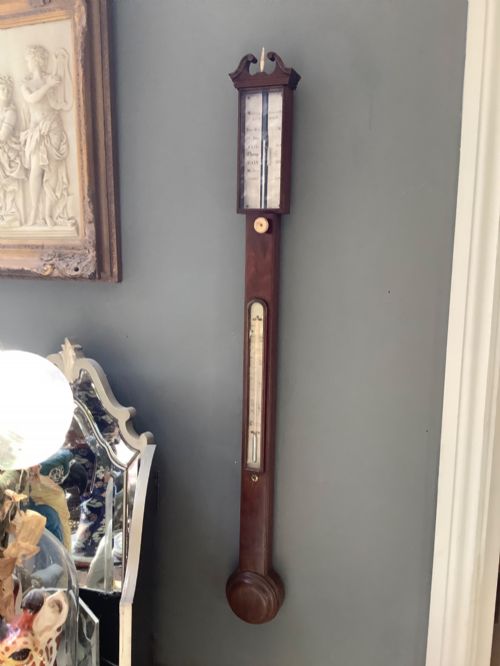
Vintage Glass Thermometer
These vintage glass thermometer pieces are scientific and domestic instruments that measure temperature, offering a direct link to historical recording.
Vintage Glass Thermometer
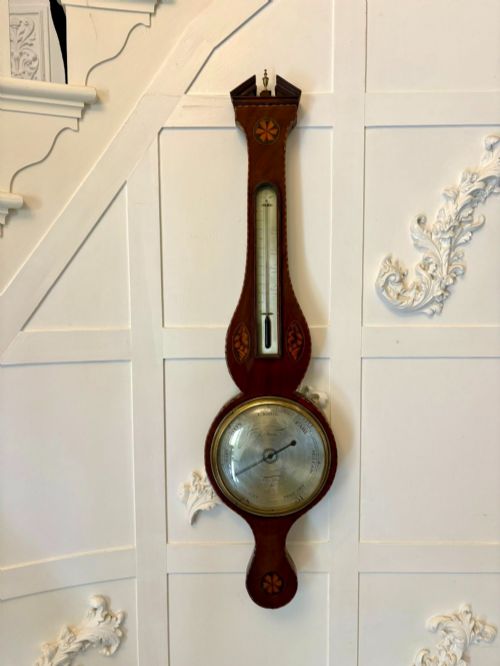
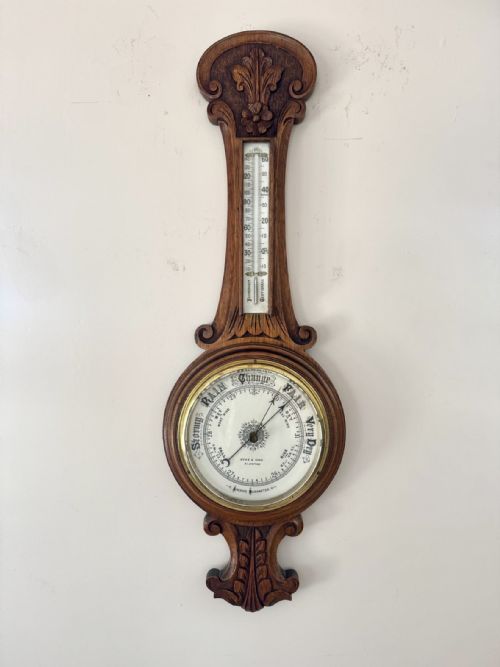
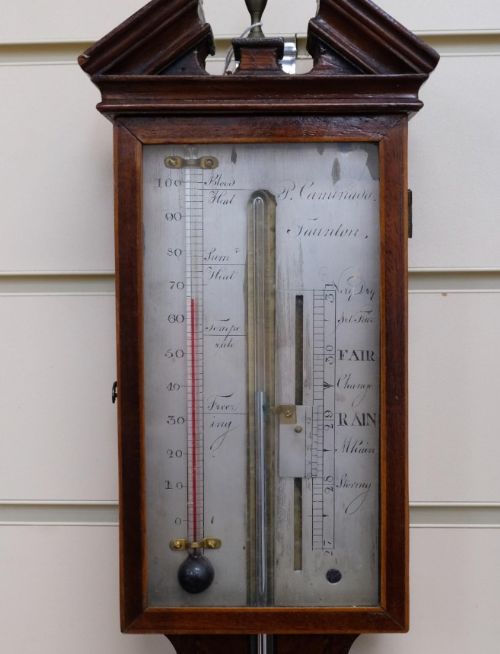
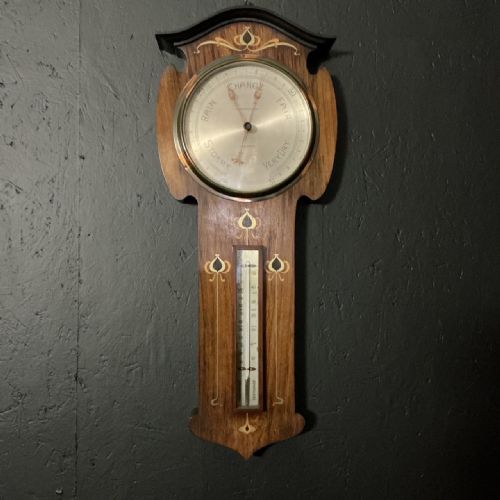
A vintage glass thermometer is typically encountered as part of a wider meteorological instrument, such as a barometer, barograph, or stick barometer. These instruments serve both decorative and functional purposes within domestic interiors, recording temperature alongside atmospheric changes.
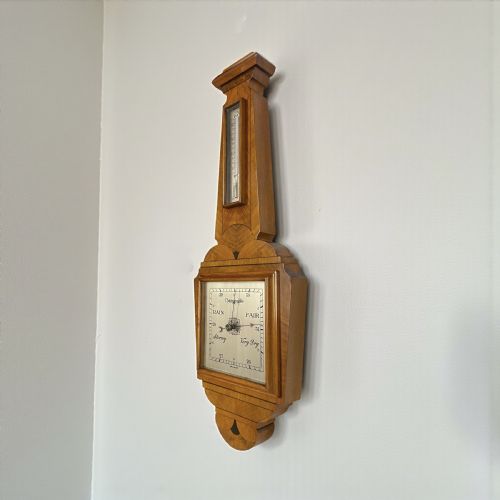
The selections span multiple eras, including Georgian, Regency, Victorian, Edwardian, and Art Deco periods. Surviving examples reflect changing interior tastes from plain wood stick configurations to elaborate carved wooden wall surrounds.
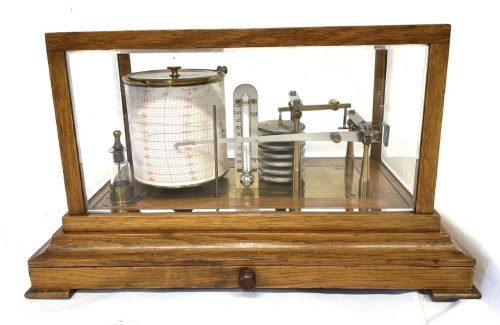
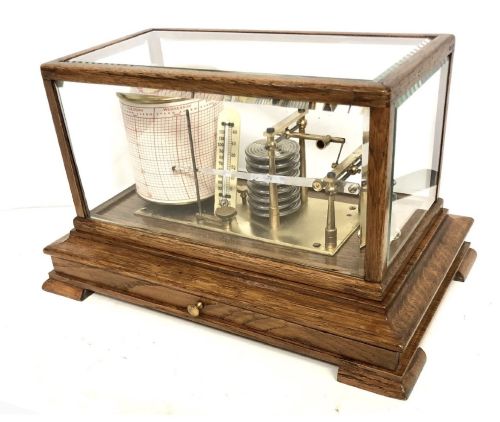
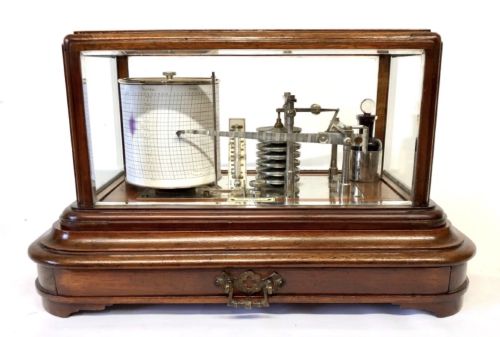
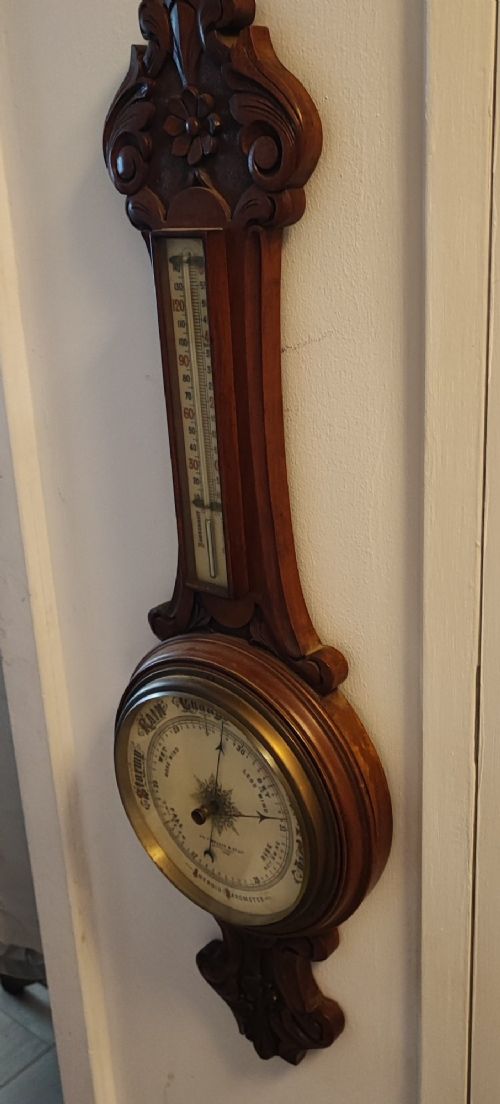
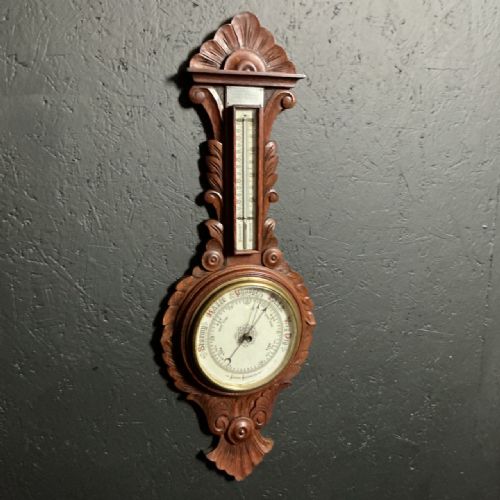
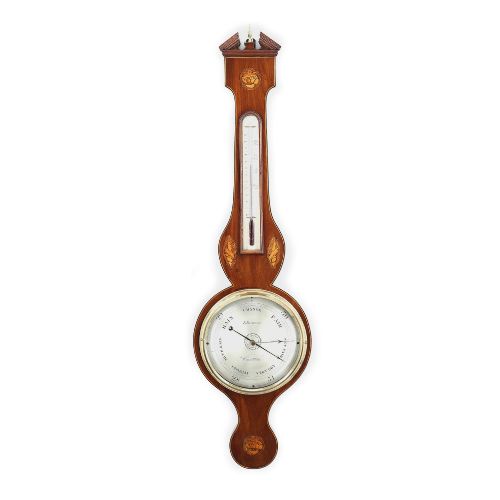
Origin forms include wall barometers, oak-cased barographs containing thermometers, and banjo barometers incorporating glass temperature scales. Most items combine woodwork with glass capillary tubes and mercury or alcohol fills.
How they were made
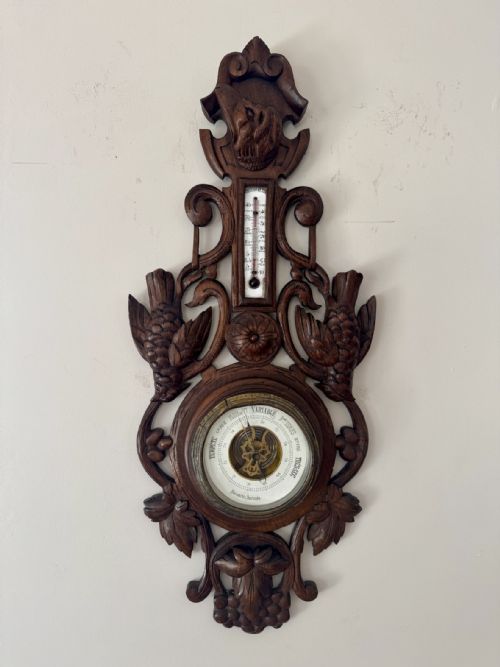
The construction relies on cabinet timbers such as mahogany, oak, walnut, rosewood, and satinwood, often shaped into banjo or wall-hanging cases. Selected examples incorporate marquetry, shell inlay, mother-of-pearl, or carved detailing.
Temperature measurement utilises glass tubes mounted onto wooden or metal backplates, combined with mercury or alcohol fill liquids. Bevelled glass panels and brass fittings frequently protect the dials and chart drawers of barographs.
Listings feature items from the Georgian, Victorian, Edwardian, and Art Deco periods, utilising mahogany, oak, walnut, and rosewood.
What varies in quality
Quality rests in the crispness of the cabinet carving, the choice of timbers like figured mahogany or carved walnut, and the sophistication of the maker's movement. Finer pieces display careful inlay, such as marquetry or shell motifs, rather than plain moulded surfaces.
The legibility and intact nature of the glass thermometer scale and its backing plate separate standard items from superior works. Original bevelled glass and well-preserved brass components elevate the overall execution of the instrument.
Hyde & Sons Sleaford·GAUPP & CO HONGKONG & SINGAPORE·P. Caminada Taunton·B. Besozzi of Weymouth·Negretti & Zambra London·Prada of High Wycombe·Molton of Norwich·W Watson & Sons·Jenkins of Old Swindon
The Vintage Glass Thermometer Glossary
- Barometer
- An instrument measuring atmospheric pressure to forecast weather changes. Many period examples incorporate a glass thermometer on the central trunk.
- Aneroid barometer
- A barometer that measures pressure without liquid, using a flexible metal box. These frequent domestic units commonly feature attached thermometers.
- Banjo barometer
- A wall barometer shaped like a banjo, featuring a rounded top and an extended body. This form houses the thermometer and dial face.
- Barograph
- A recording barometer that graphs pressure over time on a paper chart. Several surviving units incorporate working glass thermometers and chart drawers.
- Stick barometer
- A tall, narrow barometer containing a vertical glass tube filled with mercury. This form represents the earlier Georgian and Regency tradition.
Vintage Glass Thermometer: Frequently Asked Questions
What is a vintage glass thermometer used for?
These instruments measure ambient temperature within a room or exterior space. They serve as historical recording tools and decorative items.
Many examples are integrated directly into wooden barometer cases rather than standing alone. This combination allowed households to monitor both temperature and pressure simultaneously.
How do I identify the period of a barometer?
Dating relies upon the cabinet style, timber choice, and the shape of the pediment or trunk. Georgian and Regency pieces favour simple stick forms or plain mahogany.
Victorian and Edwardian versions often display heavy oak carving, walnut banjo shapes, or Black Forest motifs. Art Deco specimens introduce streamlined styling from the 1930s.
Are these thermometers still accurate?
Many surviving glass thermometers retain their original liquid columns and scale markings. Some function correctly, though variations occur due to age.
They are primarily collected for historical value, material quality, and craftsmanship rather than precision laboratory use.
How should I clean the wood and glass?
Wooden cases require dusting with a dry cloth and occasional treatment with appropriate wax polishes. Avoid using liquid cleaners on exposed timber.
Glass tubes and dial covers need gentle wiping with a dry or very slightly damp lint-free cloth to protect fragile printed scales.