



Antique Tea Tray Table
An antique tea tray table combines a portable serving surface with a sturdy stand, offering a versatile piece for serving drinks or displaying objects.
Antique Tea Tray Table
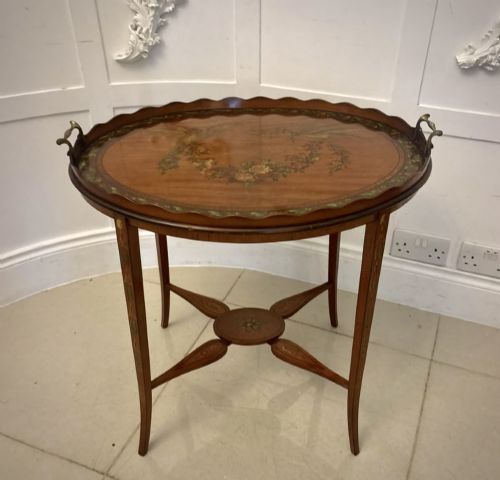
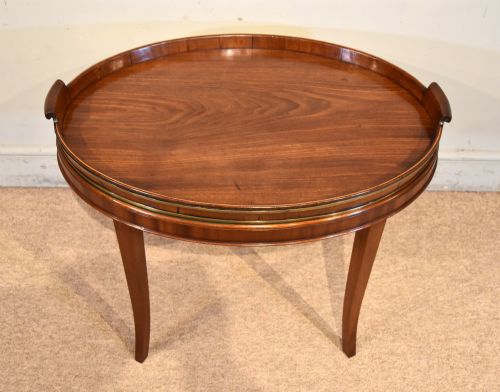
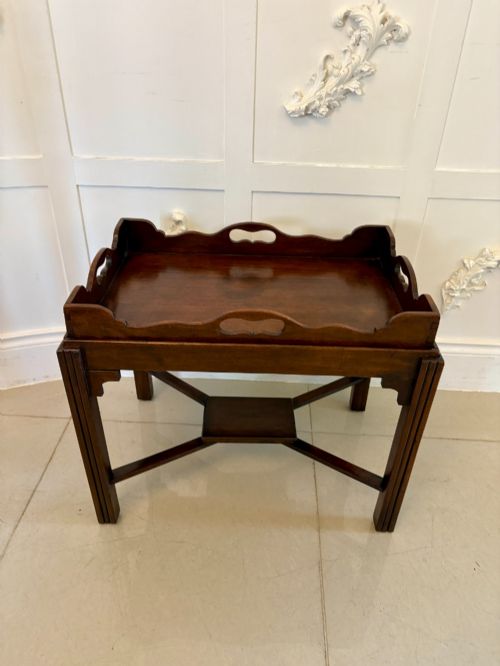
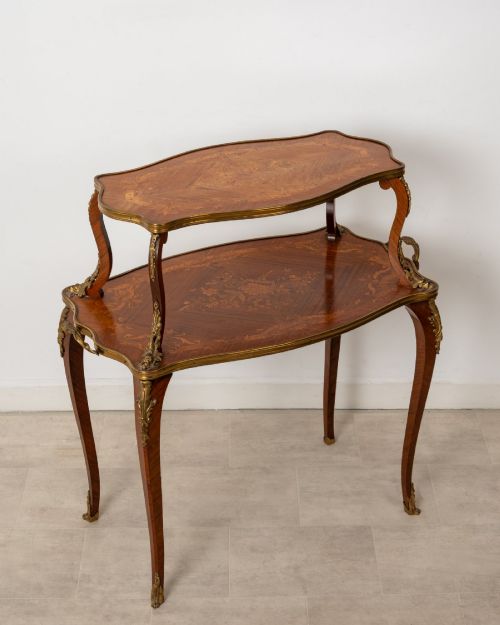
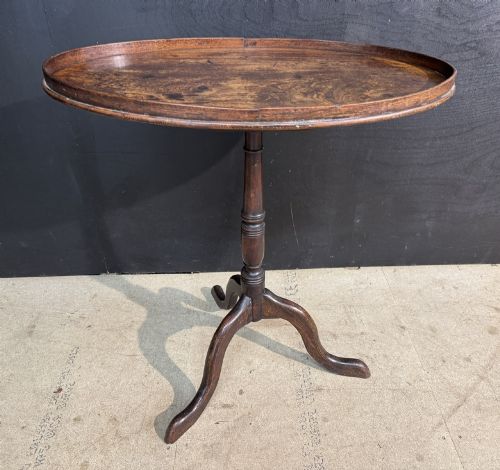
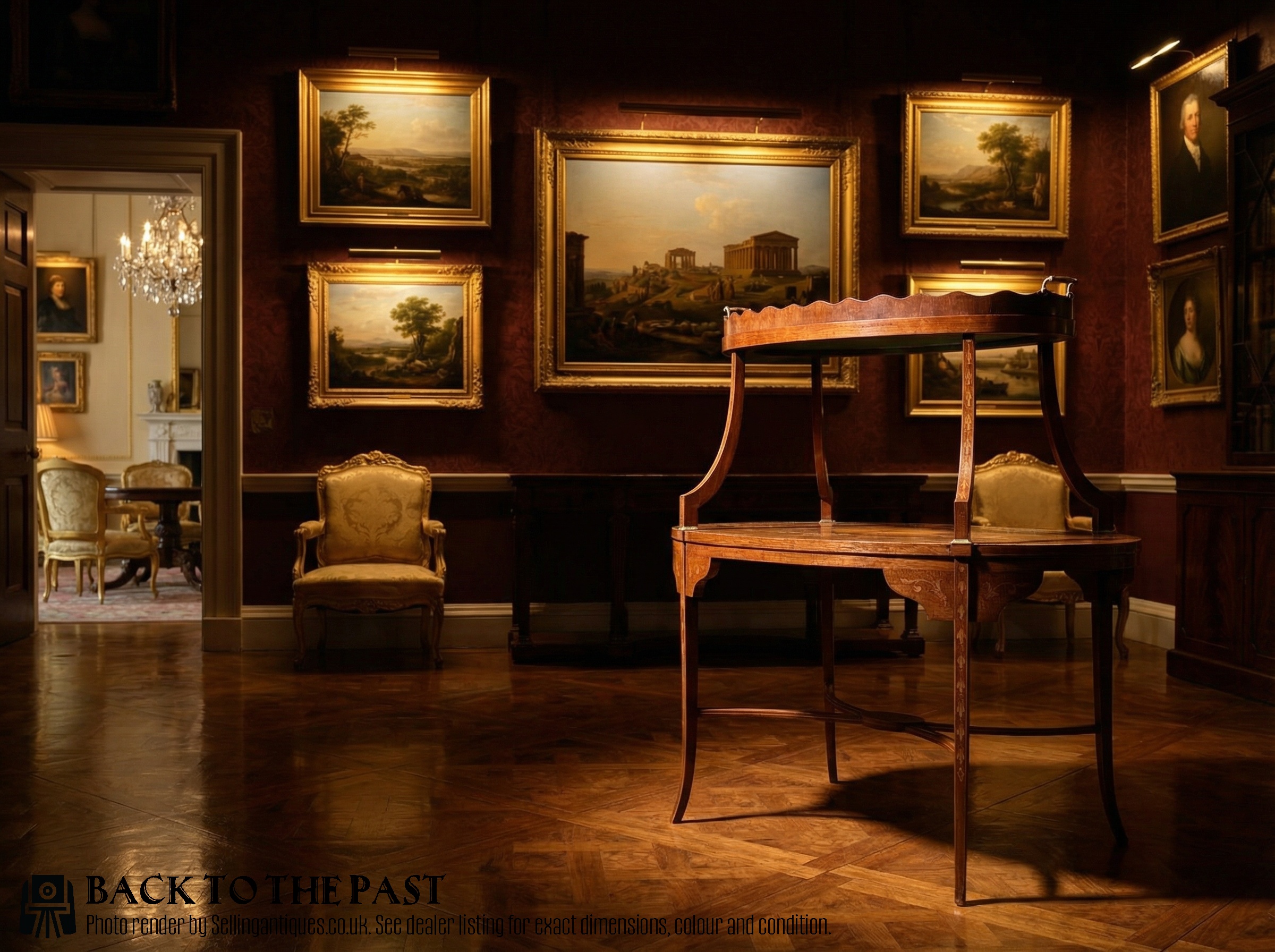
When searching for an antique tea tray table, buyers encounter an array of forms designed for serving and display, spanning centuries of craftsmanship. The selection encompasses designated butler's trays on folding stands, tilt-top tripod tables, and two-tier étagères suited for occasional use or as coffee tables.
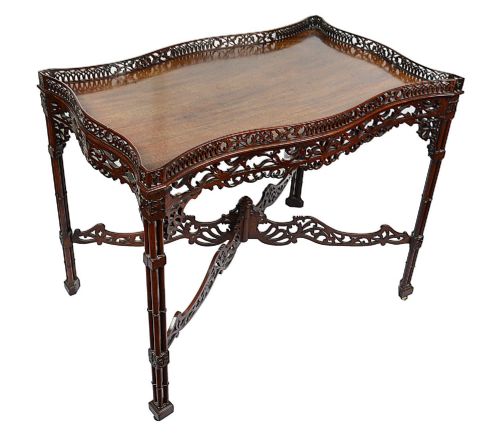
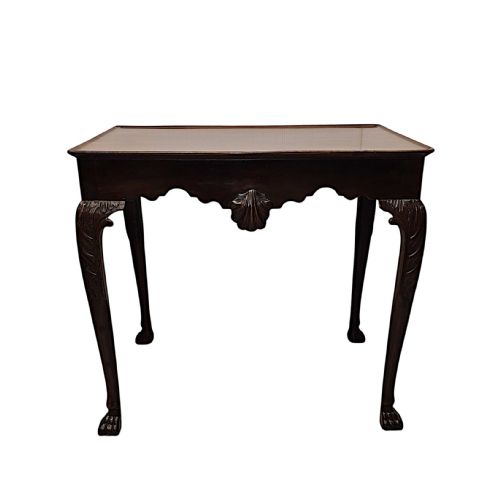
Originating across diverse regions and periods, these pieces range from Georgian mahogany silver tables to Edwardian inlaid occasional furniture and Anglo-Indian designs. The most common variations feature either a removable tray resting on a separate folding base or a fixed tray top integrated directly into the table structure.
Materials and construction
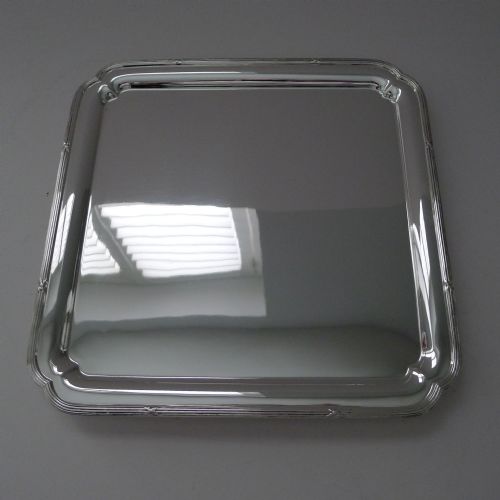
Makers utilised a variety of timbers including mahogany, walnut, oak, and rosewood, frequently incorporating marquetry, satinwood inlay, or carved detailing. Brass mounts, bound edges, and silver plating provide functional reinforcement and decorative contrast.
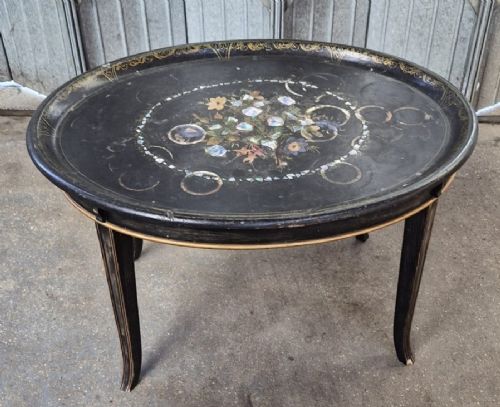
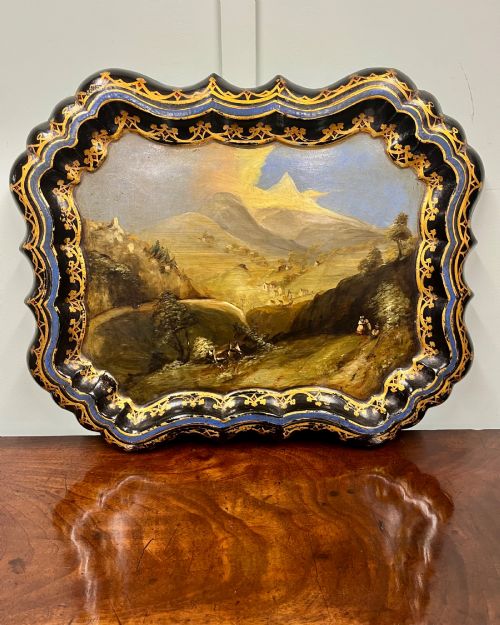
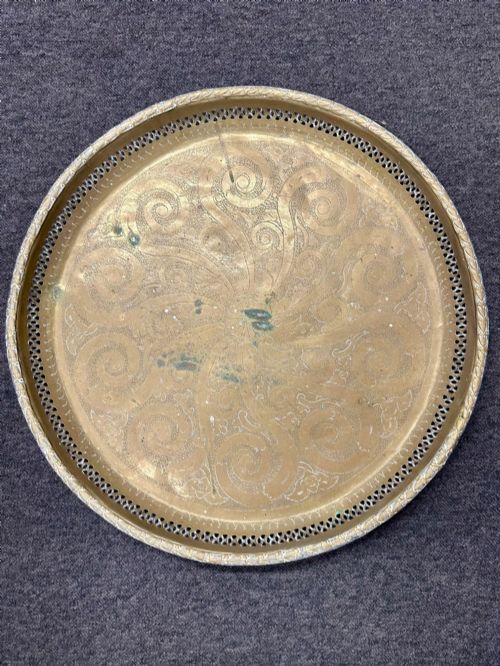
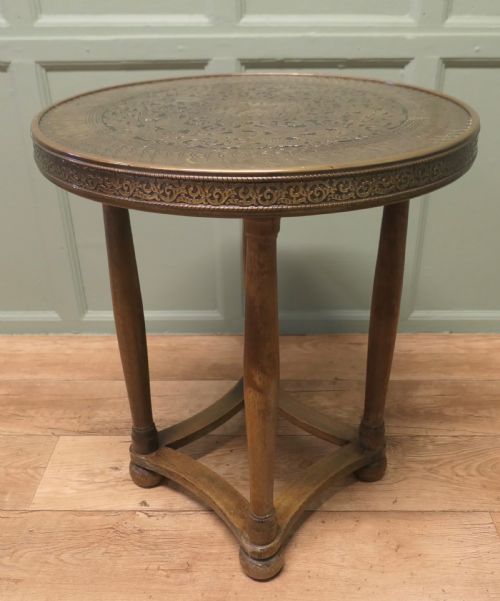
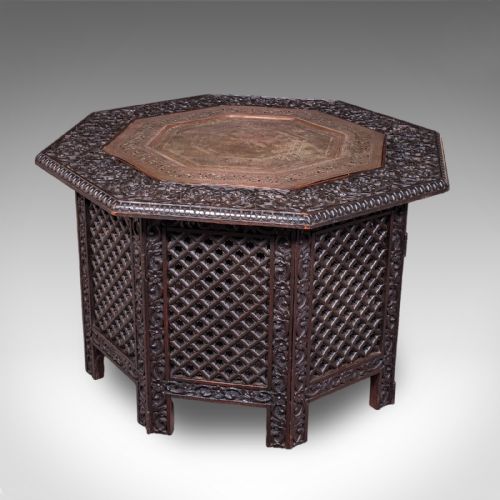
Alternative traditions introduce metals and specialised surfaces, seen in engraved brass Benares tops, painted toleware, papier-mâché, and intricate Kashmiri or Hoshiarpur woodwork. Bases range from simple folding stands to cabriole legs and elaborate two-tier trolleys with castors.
Antique Tea Tray Table Retail Price Guide 2026
Typical asking prices for tea tray table among the pieces listed under this phrase on Sellingantiques today, from the lower quarter to the upper quarter. They describe what is for sale here now, not the wider market.
Listings feature woods like mahogany, walnut, and oak alongside brass, papier-mâché, and lacquer across 18th, 19th, and early 20th century periods.
Indicators of quality
The distinction between tiers of quality rests upon the crispness of hand-carving, the precision of marquetry inlay, and the selection of figured timber veneers such as burr walnut or Cuban mahogany. Superior examples display seamless integration between the removable tray and its matching stand.
Construction methods also dictate standard, where dovetailed joints, substantial brass hardware, and well-balanced folding mechanisms indicate superior workshop output compared to simpler utilitarian alternatives.
Gillows
The Antique Tea Tray Table Glossary
- Butler's tray
- A portable wooden tray with hinged or shaped sides, designed to lift off its folding stand for serving.
- Étagère
- A set of open shelves or tiers used for displaying small objects or serving afternoon tea.
- Marquetry
- Decorative veneer work formed by fitted pieces of wood, ivory, or shell to create pictorial designs.
- Tilt-top table
- A table with a mechanism allowing the surface to pivot vertically when not in use.
- Toleware
- Painted or lacquered metalware, typically tin, used for decorative trays and tableware.
- Tripod table
- A small freestanding table supported by a pillar on three spreading feet.
Antique Tea Tray Table: Frequently Asked Questions
What is a tea tray table used for?
These pieces function primarily as serving furniture for afternoon tea, drinks, or food, combining a removable tray with a supportive stand.
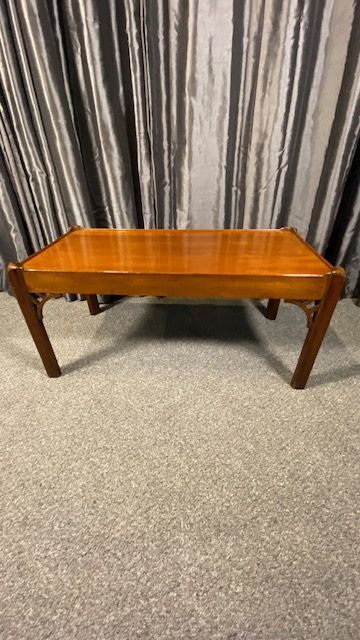
In modern interiors, they frequently serve as flexible coffee tables, side tables, or display surfaces that can be easily moved about a room.
How do I identify a Georgian tea tray table?
Georgian examples typically feature solid mahogany construction, often with raised gallery edges, brass bound decoration, or tilt-top tripod mechanisms.
Earlier pieces from this era may take the form of silver tables with cabriole legs, displaying restrained carving rather than heavy inlay.
What is an Anglo-Indian tray table?
These tables incorporate traditional eastern woodworking techniques, featuring intricate chip-carved foliage, geometric patterns, and folding stands.
They frequently utilise exotic woods or feature engraved brass tops imported from regions such as Hoshiarpur and Kashmir during the late nineteenth century.
Are the trays removable on these tables?
Many traditional designs incorporate a loose tray that lifts entirely off a folding X-frame or fixed stand for ease of serving.
Other variations secure the tray top permanently to the base, or integrate it as the upper tier of a two-tier trolley or étagère.