

Antique Tea Table Castors
Antique tea table castors are the small metal and wood fittings attached to furniture legs that allow heavy timber tables to move smoothly across the floor.
Antique Tea Table Castors
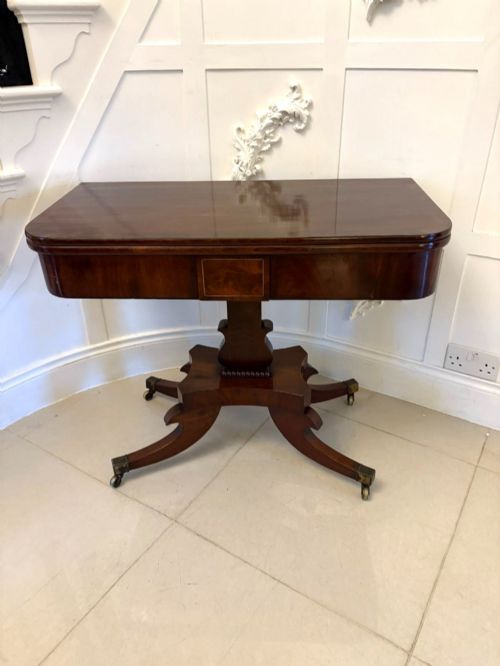
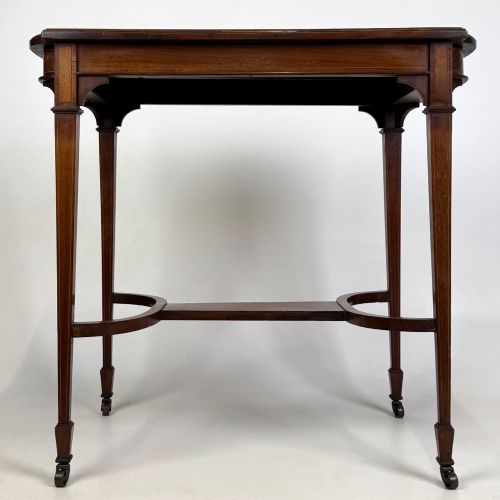
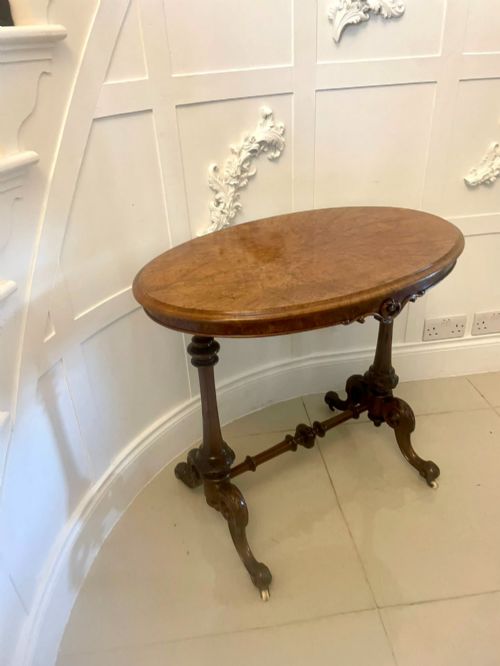
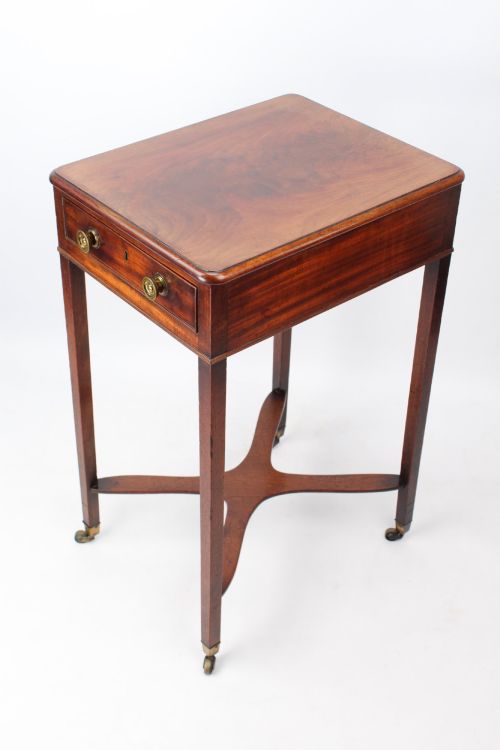
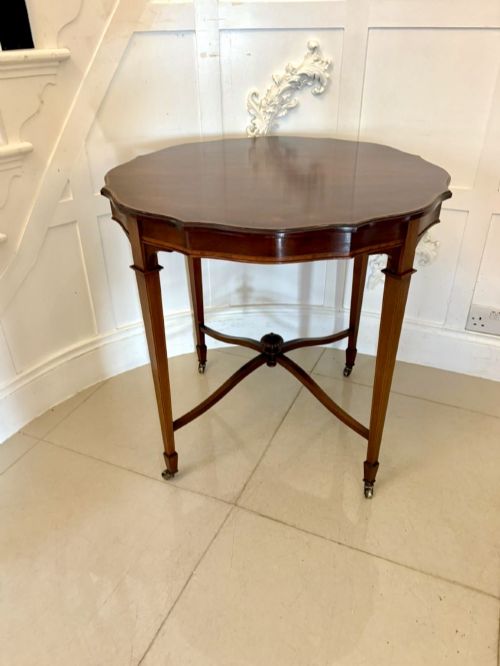
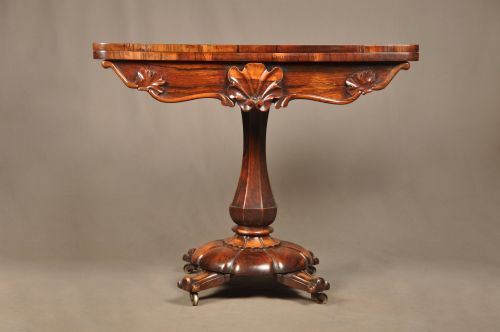
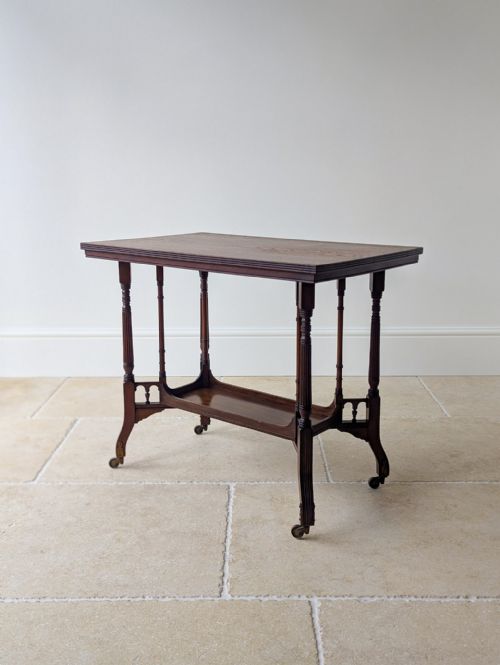
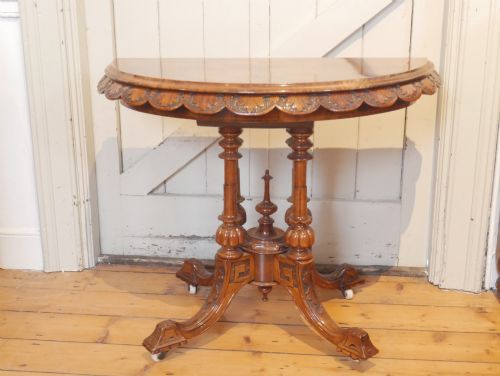
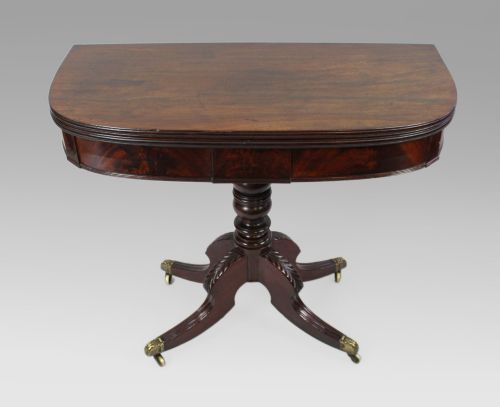
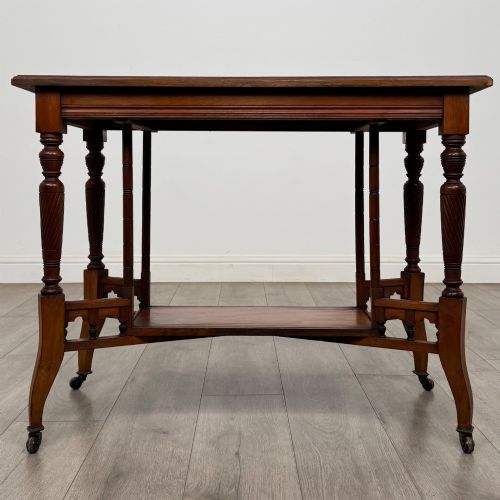
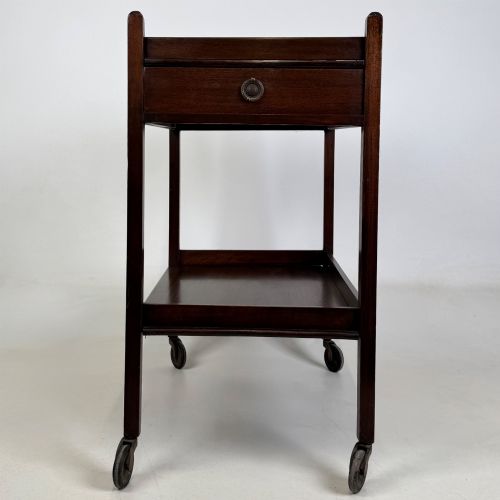
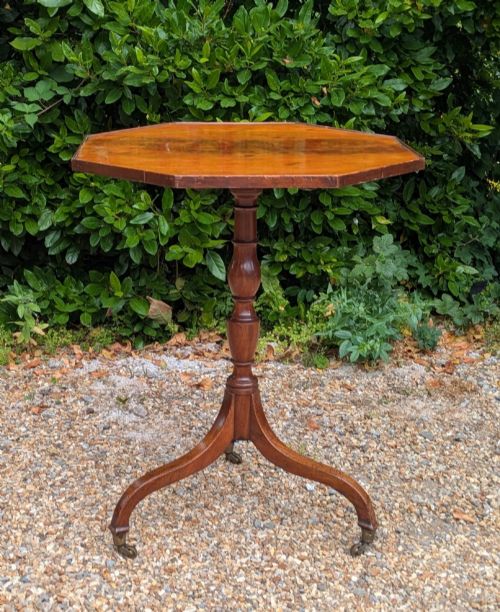
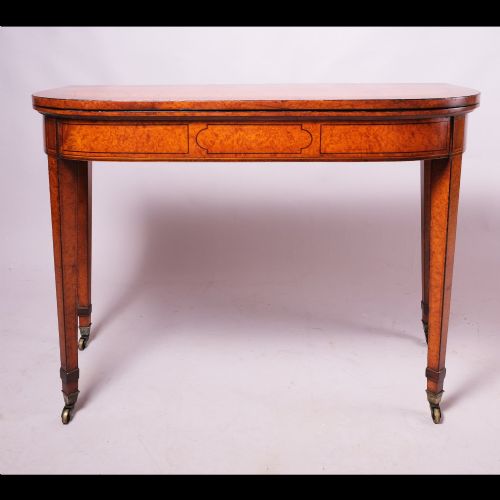
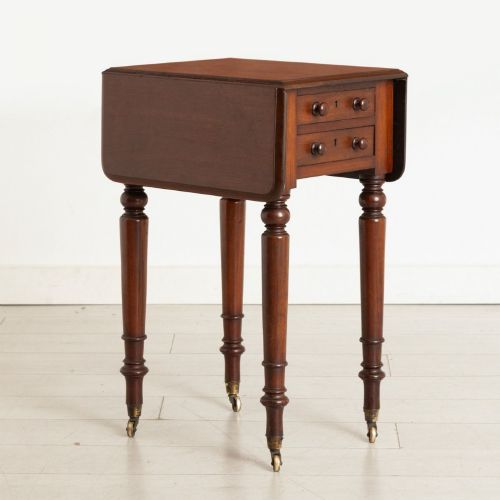
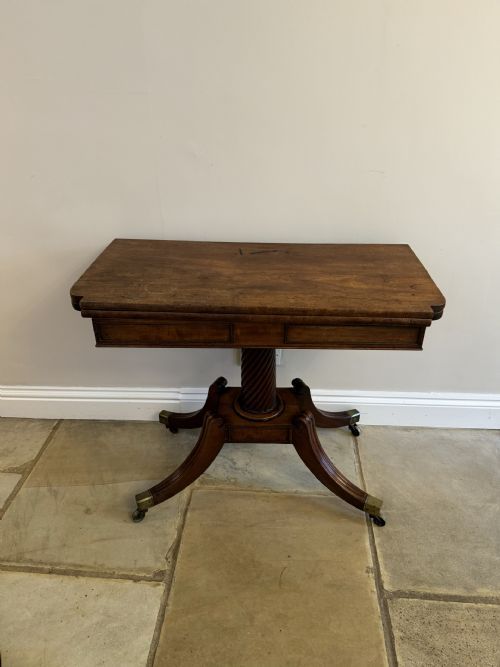
When searching for antique tea table castors, buyers are looking at small wheeled devices originally fitted to the feet of folding tables, card tables, and side tables. These hardware elements support the movement of substantial pieces from the Georgian, Regency, and Victorian periods.
The most common examples on this page appear on mahogany, rosewood, and walnut tables dating from the late eighteenth century through to the Edwardian era. These fittings allow heavy timber furniture to be repositioned easily for social gatherings or tea service.
How they were made
Castors from these periods typically combine cast brass sockets and wheels with turned wooden mounts that match the primary timber of the table, such as mahogany or rosewood. Metal components were cast and turned by hand, ensuring a robust connection to the foot of the leg.
Some high-status examples incorporate brass sabots to protect the timber feet while housing the rotating wheel mechanism securely within the assembly.
Listings feature brass and mahogany alongside rosewood, satinwood, and walnut across Georgian, Regency, and Victorian periods.
What varies in quality
Quality in these fittings lies in the weight of the brass and the precision of the turning on the wooden components. Heavier cast brass mounts and smoothly integrated wheels indicate a higher standard of manufacture compared to lighter, utilitarian replacements.
The integration between the castor and the table leg demonstrates the skill of the original cabinetmaker, with superior examples sitting flush and secure within the timber foot.
Gregory and Co·Jenks and Woods·Johnstone and Jeanes
The Antique Tea Table Castors Glossary
- Castor
- A small wheel on a swivel or fixed mount attached to the bottom of a furniture leg for ease of movement. These metal and wood fittings support heavy tables during repositioning.
- Sabot
- A metal shoe fitted over the foot of a furniture leg for protection and decoration. This brass sleeve frequently houses the castor wheel.
- Pembroke table
- A small rectangular table with hinged drop leaves on either side. These tables often feature castors to facilitate movement around a sitting room.
- Card table
- A folding table designed for gaming, typically supported on four legs with castors. The top folds open on a hinge to reveal a baize-lined playing surface.
Antique Tea Table Castors: Frequently Asked Questions
Are these castors original to the tables?
Many tables retain their original brass or wooden castors, though replacements are common due to the wear placed on moving parts over centuries of use.
Examining the fit and the patina on the surrounding timber helps determine whether the fittings belong to the original period of manufacture.
How do I maintain antique castors?
Keep the moving metal parts clean and free from dust to ensure the wheels continue to turn smoothly without binding against the floor.
Avoid using harsh chemical polishes on the brass components to preserve the natural aged surface.
Did all tea tables have castors?
Tea tables intended to be moved frequently about a drawing room were routinely fitted with castors to assist with positioning.
Smaller occasional tables or stationary side pieces sometimes rested on plain wooden feet instead.
What metals were used for castors?
Cast brass was the primary metal used for the sockets, stems, and wheels throughout the Georgian, Regency, and Victorian periods.
This material provided the necessary strength to support heavy timbers like mahogany and rosewood.