
Antique Tea Storage
These antique tea storage vessels kept precious leaves secure when tea was a costly luxury.
Antique Tea Storage
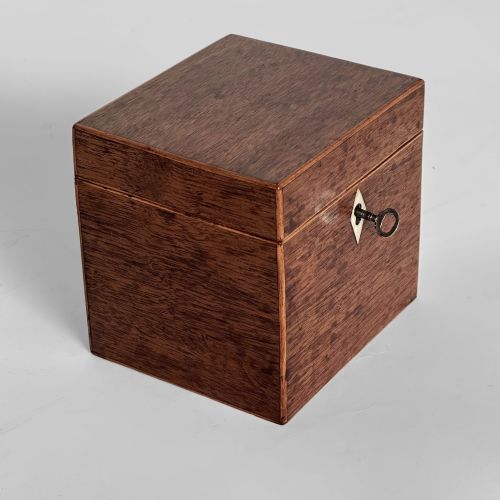
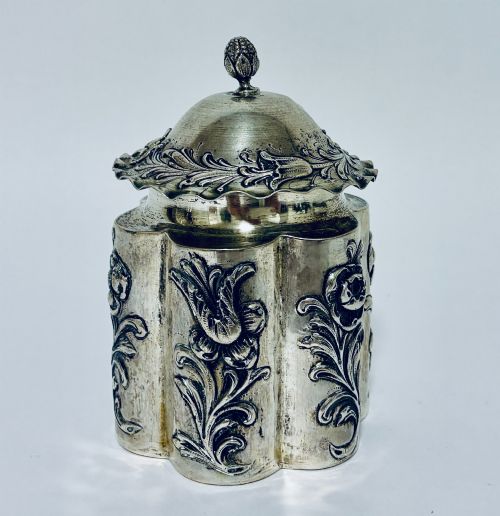
When you search for antique tea storage, you encounter a specialised group of wooden caddies, silver canisters and decorative boxes designed to protect and preserve dried leaves. These containers span the eighteenth, nineteenth and early twentieth centuries, reflecting changing domestic habits and interior tastes.
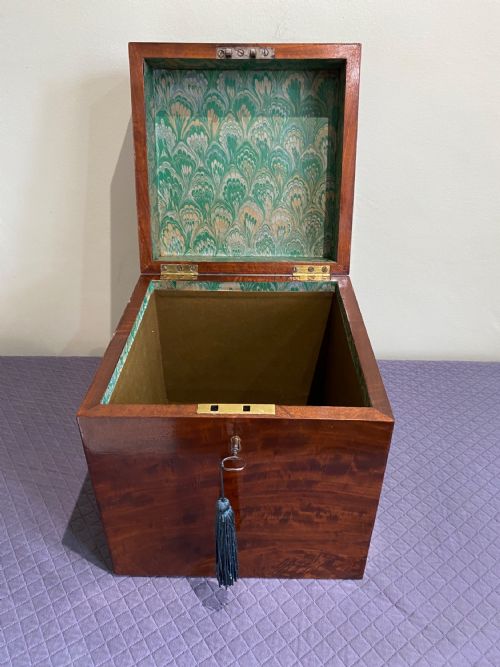
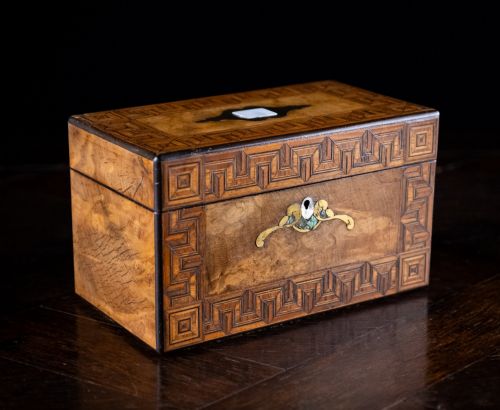
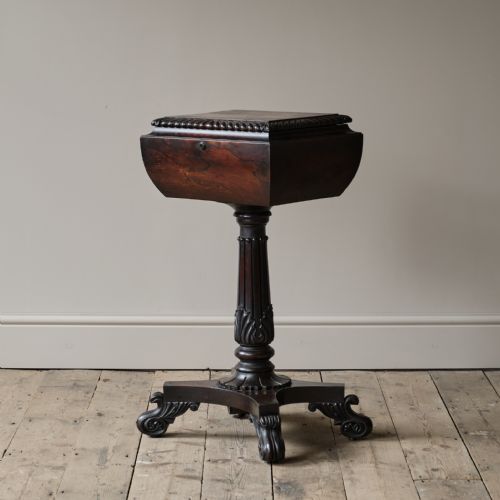
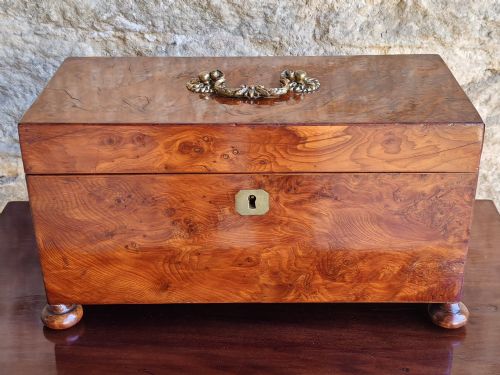
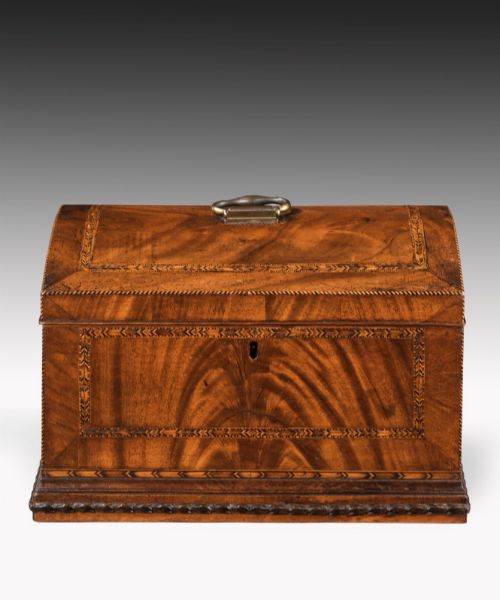
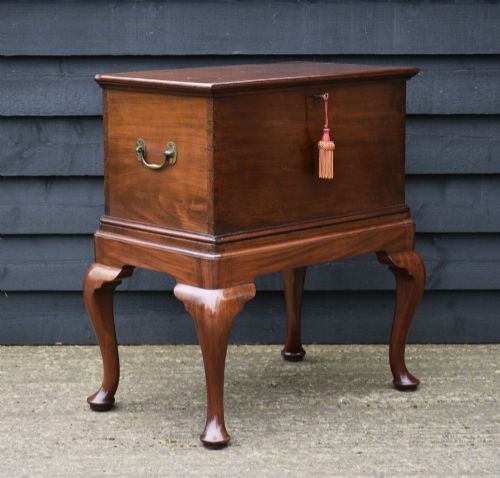
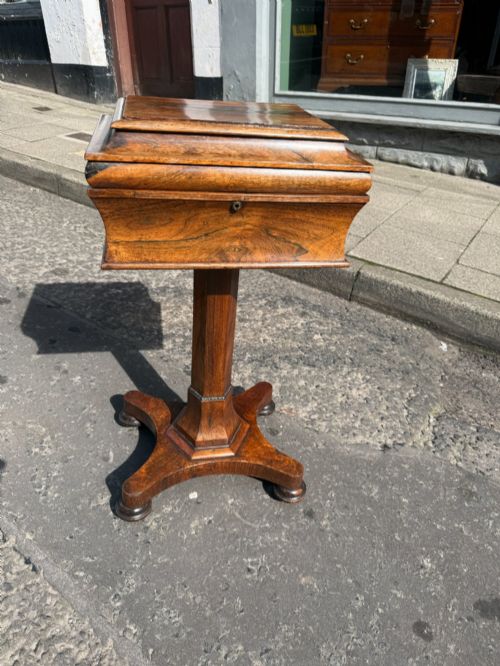
The most common items on this page are timber tea caddies and teapoys originating from the Georgian, Regency and Victorian eras. Mahogany, rosewood and walnut predominate, often taking rectangular, domed or sarcophagus shapes with internal compartments for distinct varieties of tea.
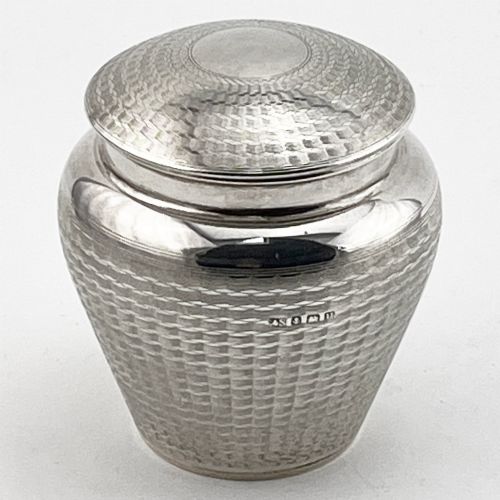
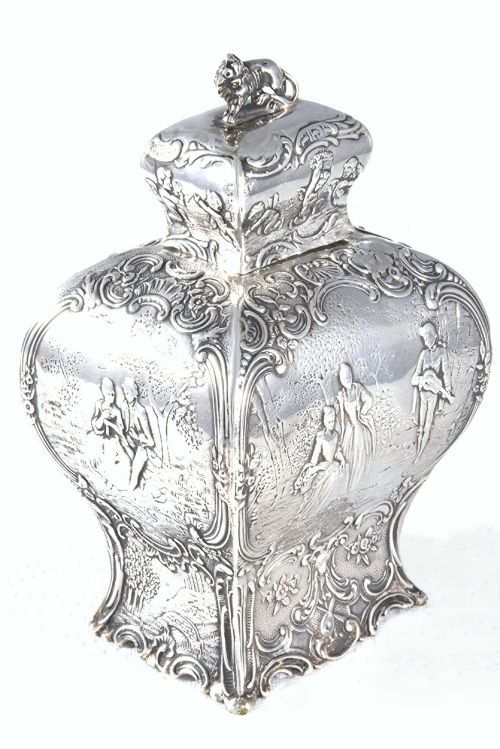
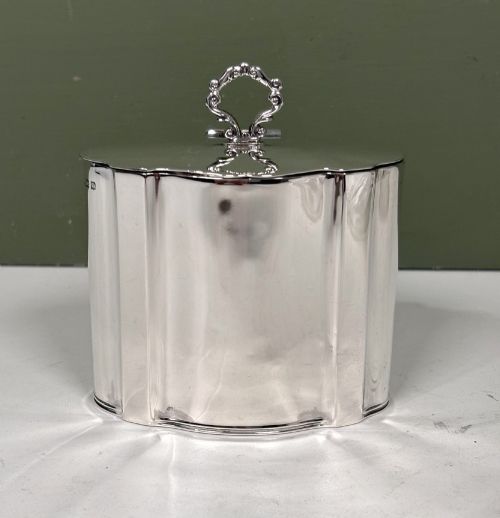
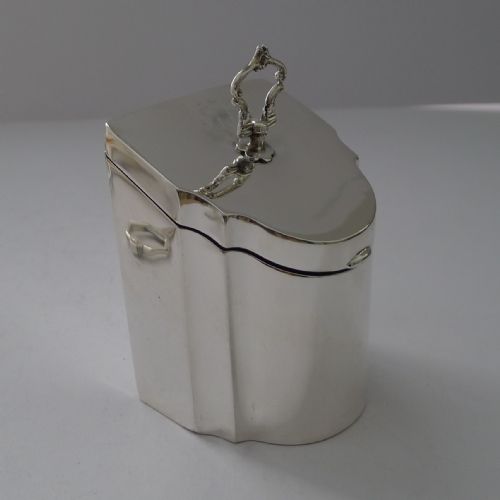
Alongside timber boxes, silver caddies and painted toleware canisters appear regularly in the listings. These metal and papier-mâché pieces demonstrate how varied domestic storage became as tea drinking evolved from a ritual into an everyday social custom.
How they were made
Cabinet makers built these pieces using dense hardwoods such as mahogany, satinwood and rosewood, frequently employing veneers and contrasting stringing lines. Finer examples incorporate decorative techniques like parquetry, mother-of-pearl inlay and boxwood details.
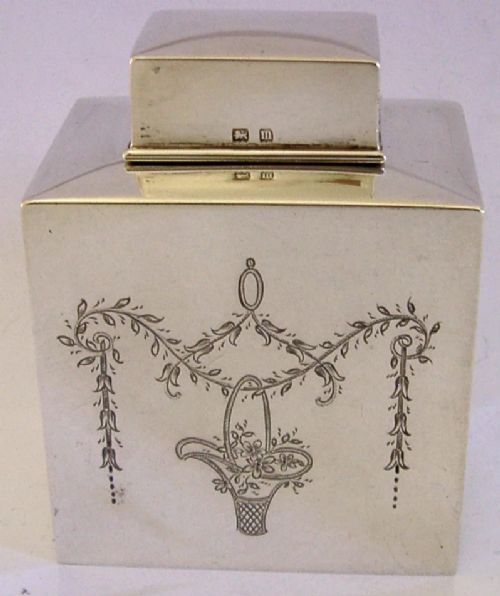
Metal vessels utilise sterling silver or silver plate, shaped through spinning or casting with applied details such as lion mask handles. Toleware canisters rely on japanning and hand-painted gilt Chinoiserie decoration applied to sheet metal.
What varies in quality
The standard of a piece rests largely on the choice of timber and the precision of its construction. Well-figured burr veneers and crisp inlay demonstrate superior workshop practice compared to plain, unadorned carcases.
Internal fittings dictate quality just as much as exterior finish. Original glass mixing bowls, functioning locks with keys and intact internal foil linings elevate an item above one stripped of its original compartments.
Zimmermann·Thomas Hayes·Mappin & Webb·William Hutton & Sons Ltd
The Antique Tea Storage Glossary
- Tea caddy
- A small box or chest designed specifically for storing dry tea leaves. These containers usually featured lockable lids to protect expensive contents from household staff.
- Teapoy
- A pedestal table featuring a lidded storage box on top for holding tea. They often stood beside drawing-room chairs so the lady of the house could mix her own blends.
- Sarcophagus shaped
- A box style featuring a stepped, sloping lid resembling an ancient stone coffin. This form gained popularity during the Regency and early nineteenth centuries.
- Toleware
- Enamelled or japanned metalware decorated with painted designs. It served as a durable alternative to ceramic or wooden canisters.
- Tunbridge Ware
- A type of decorative woodwork characterised by tiny mosaic tiles formed from naturally coloured woods. These tiles created intricate geometric or pictorial patterns on box lids.
Antique Tea Storage: Frequently Asked Questions
What is a tea caddy?
A tea caddy is a small, lidded container built to hold and preserve loose tea leaves. Because tea was an expensive commodity in past centuries, these vessels were often fitted with locks.
Inside, many caddies featured separate compartments or foil-lined canisters to keep different tea varieties fresh and dry.
How were teapoys used?
Teapoys functioned as small occasional tables that incorporated a lidded storage box directly on top of the central pillar. The host used the internal compartments to blend and prepare tea for guests in the drawing room.
They allowed the social ritual of tea mixing to take place away from the kitchen.
How do I date a tea caddy?
Dating relies on observing the timber choice, construction methods, hardware and overall silhouette. Georgian examples often show straight lines and mahogany, whereas Regency pieces favour rosewood, brass inlay and sarcophagus profiles.
Silver caddies frequently carry hallmarks that provide precise assay years and maker marks.
How do I care for antique wood?
Keep wooden tea boxes away from direct sunlight and sudden temperature shifts to prevent the timber from warping or veneers from lifting. Maintaining a stable indoor climate protects the delicate stringing and inlay.
Apply a light application of appropriate wax polish only when the surface appears dry, buffing gently with a soft cloth.