
Antique Tea Silver
Antique tea silver gathers the vessels, caddies, strainers and small spoons crafted for the formal service of tea across the Georgian, Victorian and Edwardian eras.
Antique Tea Silver
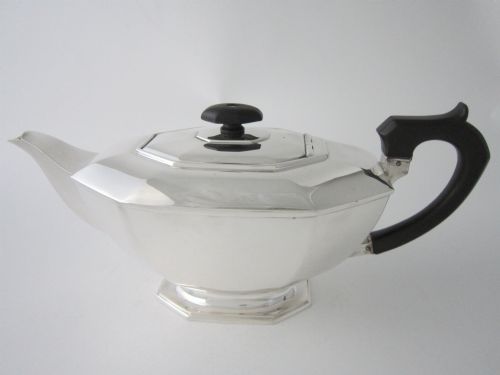
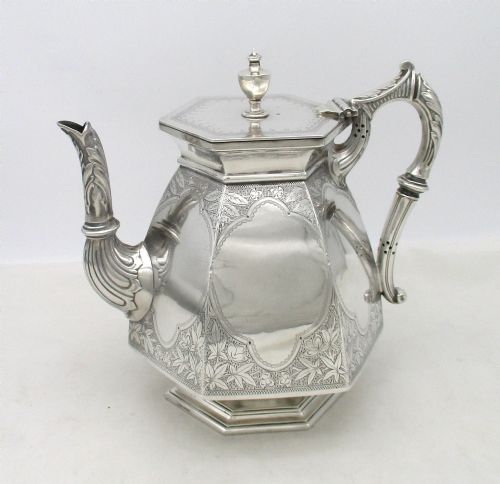
This gathering of antique tea silver encompasses functional vessels and small implements created for the preparation, serving and consumption of tea. Items range from substantial solid silver teapots, caddy boxes and kettles to delicate cream jugs, sugar bowls and specialist tea strainers.
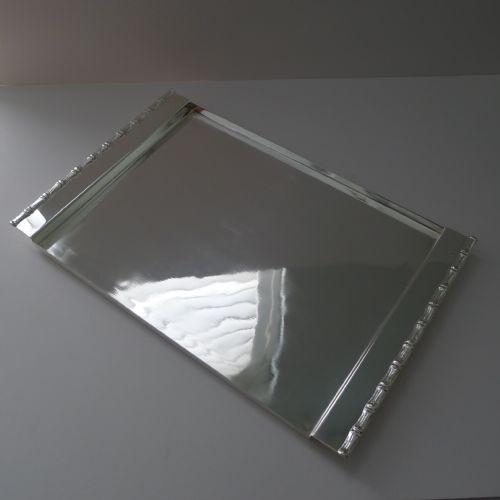
Caddy spoons and serving trays appear frequently alongside complete tea sets rendered in both solid sterling silver and silver plate. Pieces span the eighteenth, nineteenth and twentieth centuries, reflecting changing domestic rituals from Georgian drawing rooms to Edwardian afternoon gatherings.
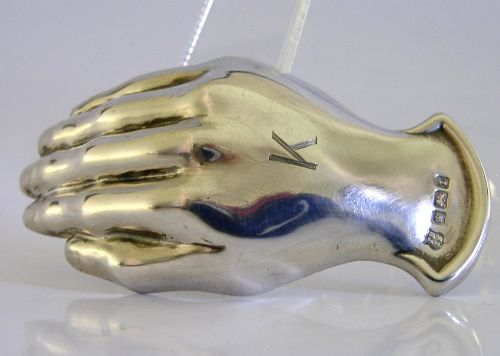
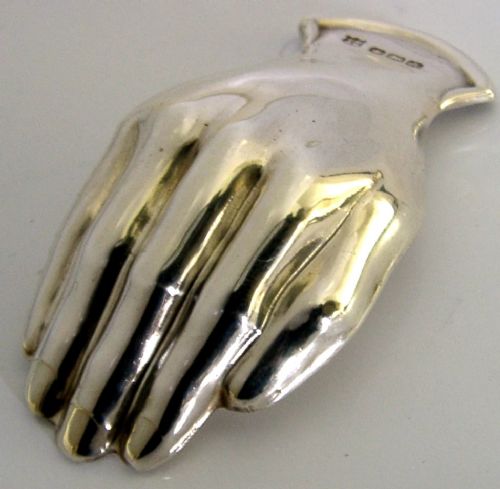
The assortment includes domestic English wares alongside continental pieces, Dutch revival items and Ottoman silver objects. Collectors encounter utilitarian tea strainers paired with drip bowls, novelty hand caddy spoons and bombe tea caddies designed to secure precious loose leaves.
Materials and construction methods
Silversmiths employed solid sterling silver, silver plate, Sheffield plate and electroplated nickel silver to construct these objects. Heavier pieces often utilise solid metal hammered into form, while plated items rely on base metals fused or coated with silver layers.
Decorative techniques recorded in the evidence include hand hammering, engraving, chasing and repoussé work. Makers incorporated mixed materials such as mahogany, glass, padauk wood, shell inlay and velvet linings into trays, teapots and caddy boxes.
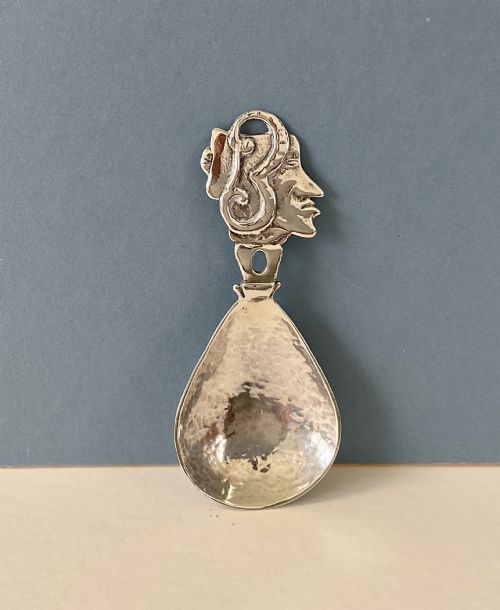
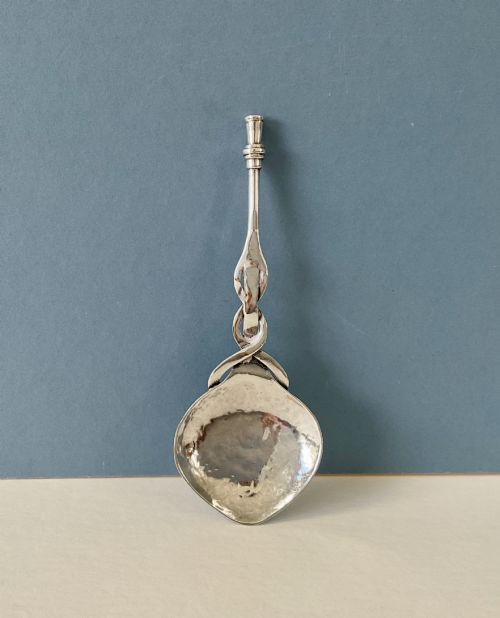
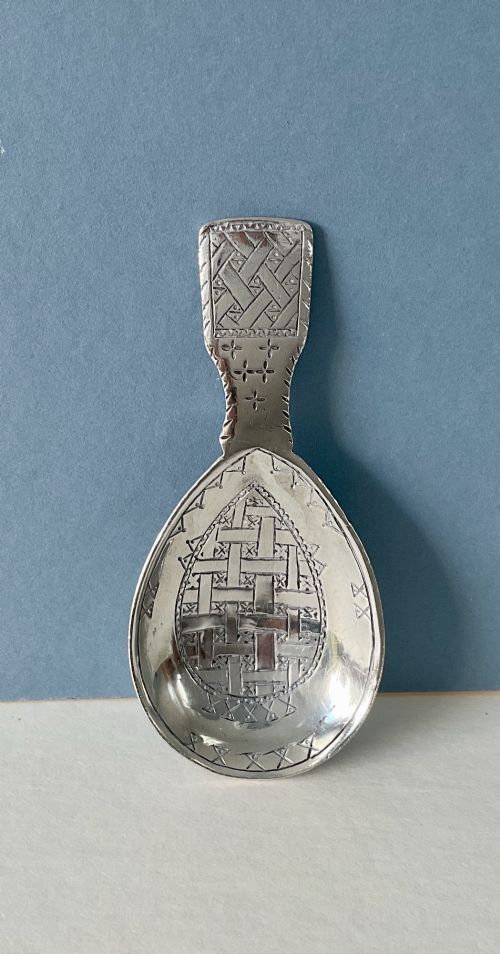
Cast components like handles, spouts and figural motifs were soldered to bodies formed from sheet metal. Specialised items such as caddy spoons feature stamped or pierced bowls with intricately detailed handles, including vine leaf and grape motifs or novelty hand shapes.
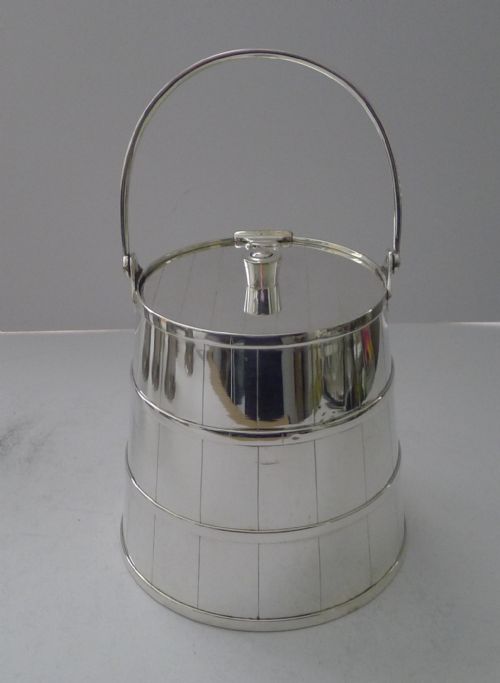
The object types recorded across the archive include tea caddies, caddy spoons, cream jugs, biscuit barrels, strainers and serving trays.
Evaluating craftsmanship and execution
The standard of antique tea silver is determined by the crispness of the chasing, the weight of the metal and the integrity of construction. Heavy gauge sterling silver items exhibit superior structural rigidity compared to thin plated alternatives.
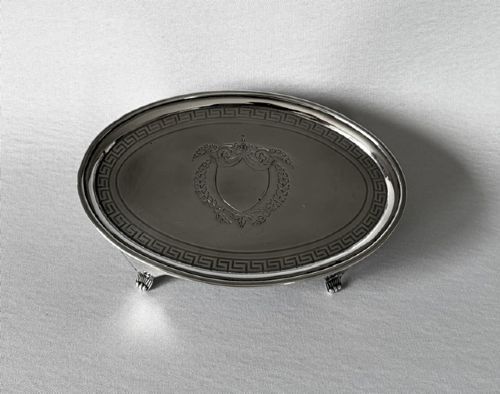
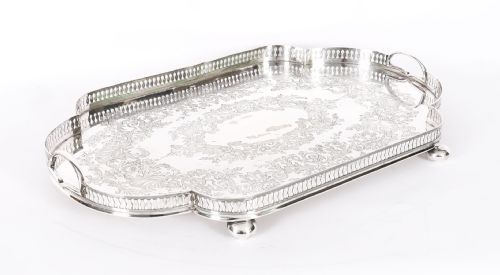
Distinction lies in the execution of decorative elements, such as hand-hammered surfaces in Arts and Crafts pieces or detailed engraving on Victorian and Edwardian trays. Superior items display careful finishing on hidden seams and well-balanced proportions in handles and spouts.
Maker attribution also influences standing, with documented firms and silversmiths commanding greater interest for their distinctive output. The survival of original fitted cases, matching companion spoons or intact internal components elevates individual examples.
Harrods Ltd·James Deakin·Martin Hall And Co·Charles Edwards·Joseph Willmore·Robert Hennell·Thomas Bradbury·Charles Stuart Harris·Saunders And Shepherd·J And J Maxfield Ltd
The Antique Tea Silver Glossary
- Tea Caddy
- A small box or jar designed to store loose tea leaves securely. Early examples often featured locking lids to protect expensive imported leaves.
- Caddy Spoon
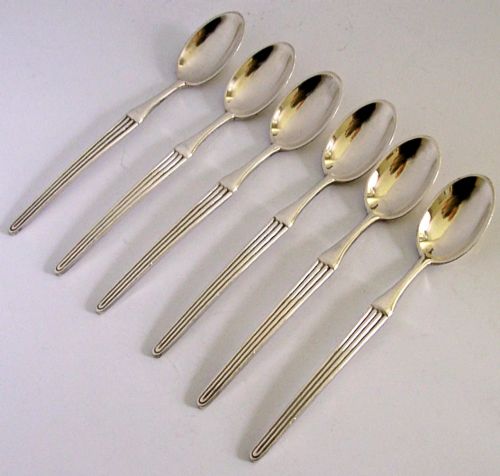
- A short-handled spoon specifically sized to measure loose tea from a caddy into a pot. They frequently display decorative bowls shaped like leaves, shells or hands.
- Sheffield Plate
- An early form of silver plating produced by fusing a sheet of silver to a copper core. This technique was largely superseded by electroplating during the nineteenth century.
- Repoussé
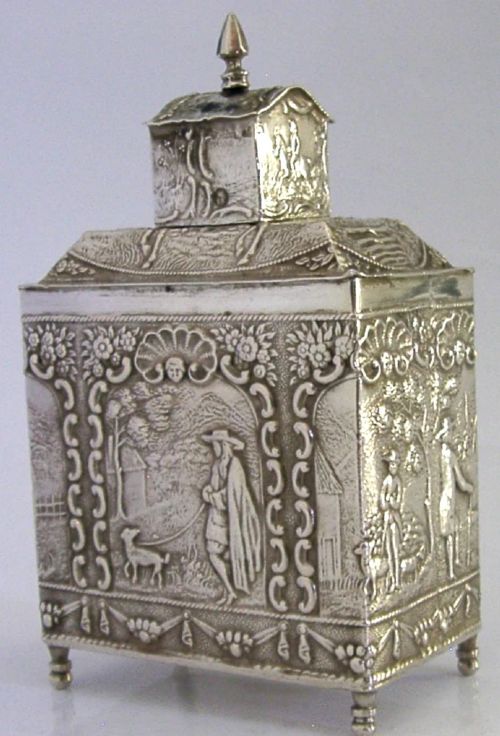
- A metalworking technique where the design is hammered into relief from the reverse side. It appears frequently on Victorian and continental silver tea caddies.
- Gallery Tray
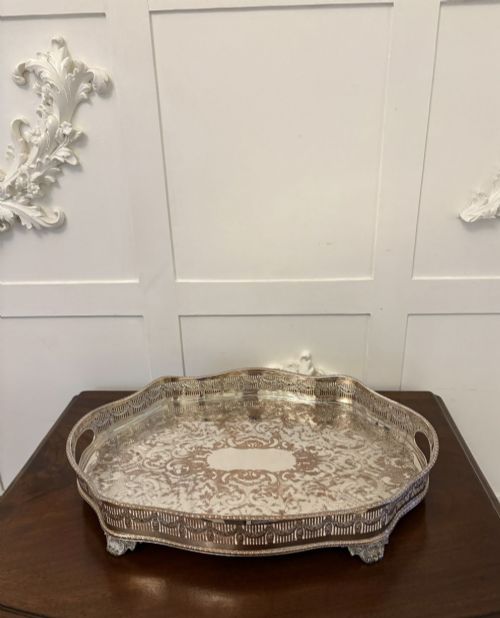
- A serving tray featuring an openwork metal rim or pierced gallery around the edge. These borders often encircled wooden or inlaid bases.
- Apostle Spoon
- A ceremonial spoon featuring the figure of an apostle cast on the terminal of the handle. They were traditionally produced as sets or christening gifts.
Antique Tea Silver: Frequently Asked Questions
What is a tea caddy?
A tea caddy is a dedicated container used to store loose tea leaves in domestic households. Because tea was an expensive commodity in past centuries, these vessels were frequently constructed with lockable lids.
They appear in materials ranging from solid silver and Sheffield plate to wood and glass. Many surviving examples include matching caddy spoons designed to measure out the leaves.
How do I clean antique silver?
Antique silver benefits from gentle cleaning with a specialised soft silver cloth to remove tarnish without abrading the surface. Avoid harsh chemical dips that can strip desirable patination and damage soldered joints.
For pieces with velvet linings, wooden bases or glass inserts, care must be taken to keep moisture away from vulnerable non-metal components. Regular, gentle maintenance preserves the reflective finish of the metal.
What is Sheffield plate?
Sheffield plate is an early composite material made by fusing a thin layer of sterling silver onto a thick copper core. This technique was invented in the eighteenth century before electroplating became widespread.
Pieces made this way can sometimes show a subtle coppery tone where the top silver layer has worn through at high points. It represents a distinct period of manufacturing skill prior to modern plating methods.
How do I date antique silver?
Dating antique silver relies primarily on hallmarks stamped directly into the metal by official assay offices. These marks typically include symbols for the maker, the city of assay, and a date letter corresponding to a specific year.
Stylistic cues such as Georgian neoclassical lines, Victorian floral chasing or Art Deco geometric forms also help narrow down the period of manufacture when hallmarks are absent or worn.