

Antique Tea Serving Tray
An antique tea serving tray brings tactile warmth to a room, offering a functional surface for hosting or display.
Antique Tea Serving Tray
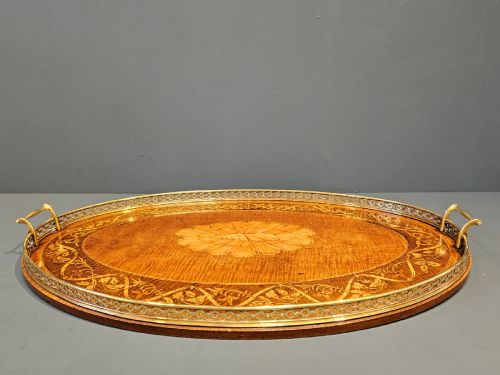
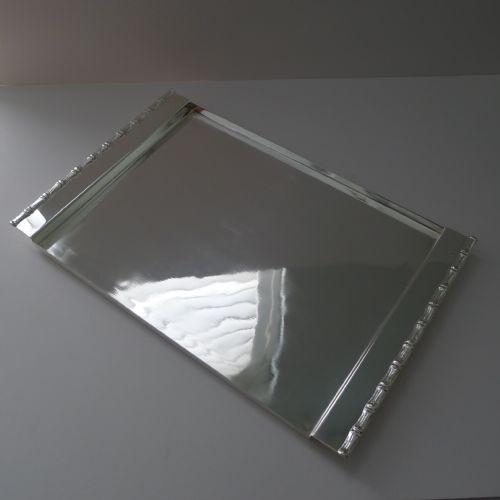
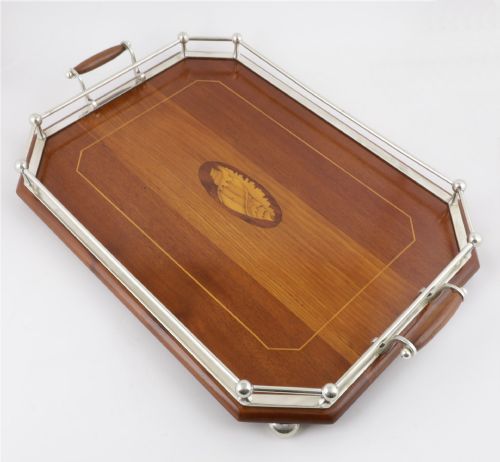
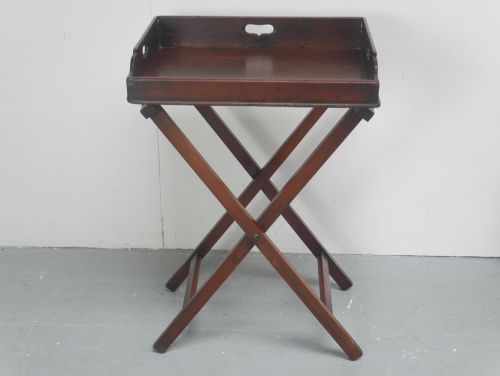
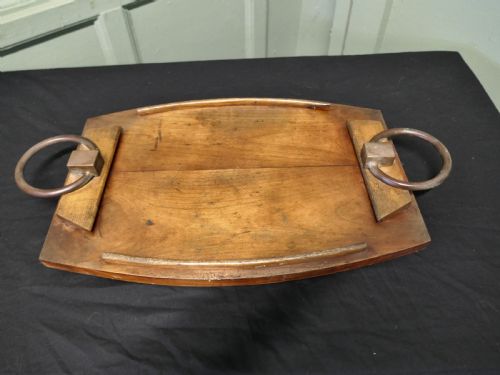
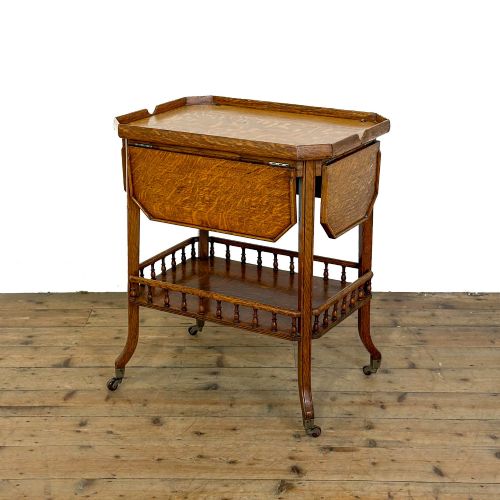
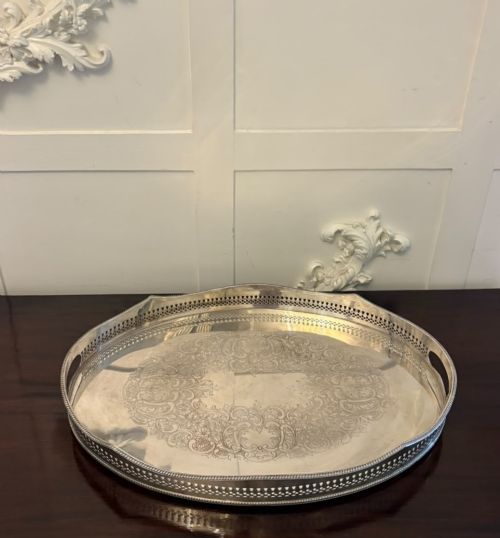
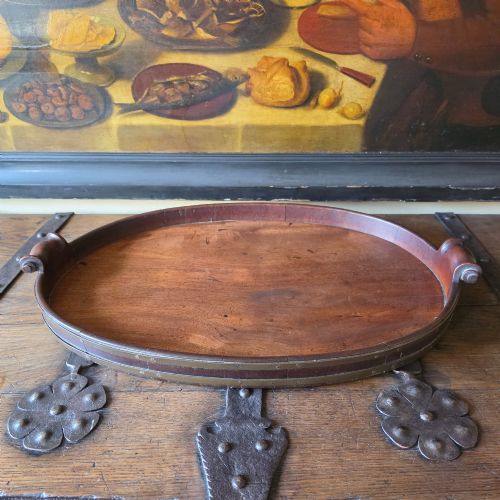
An antique tea serving tray functions as both a portable surface for hospitality and a decorative display piece for domestic interiors. When searching this phrase, a buyer meets diverse forms ranging from silver-plated metal platters to inlaid wooden trays and papier-mâché examples.
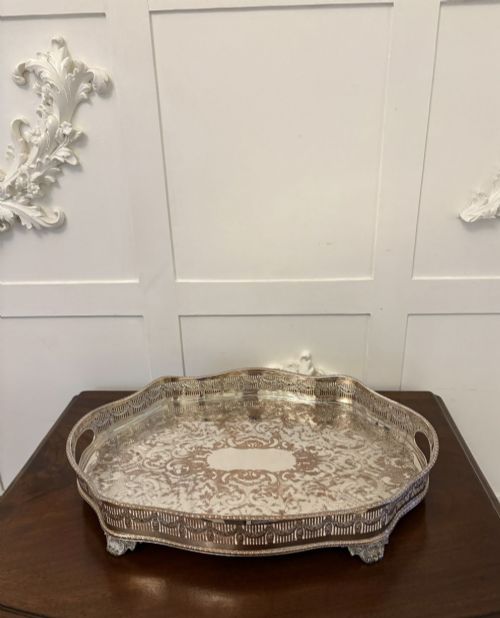
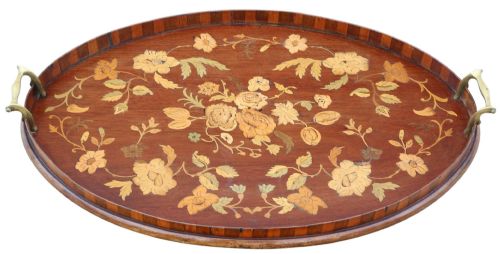
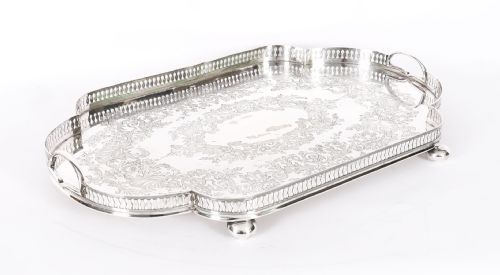
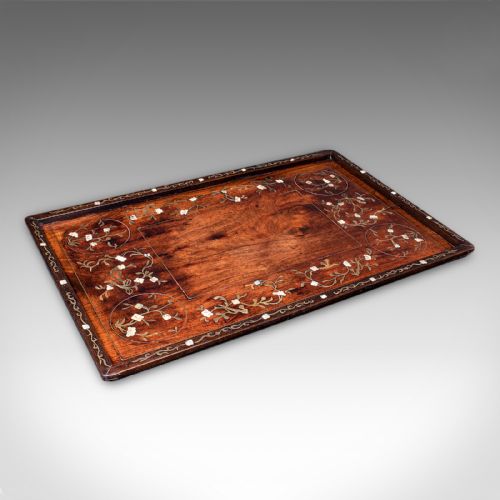
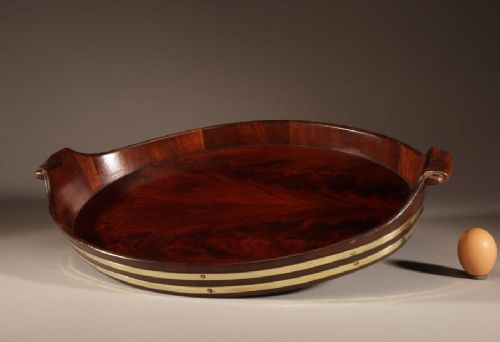
The specimens recorded on this page span several eras, with Victorian and Edwardian iterations appearing most frequently alongside Regency and Georgian pieces. Wooden constructions frequently feature marquetry or brass handles, while metal variants often incorporate pierced galleries and engraved surfaces.
How they were made
Cabinetmakers utilised timber like mahogany, satinwood, walnut and oak, frequently employing contrasting veneers and marquetry inlay to achieve decorative geometric or floral motifs. Wood surfaces received polish or oil to protect the grain while highlighting natural figuring.
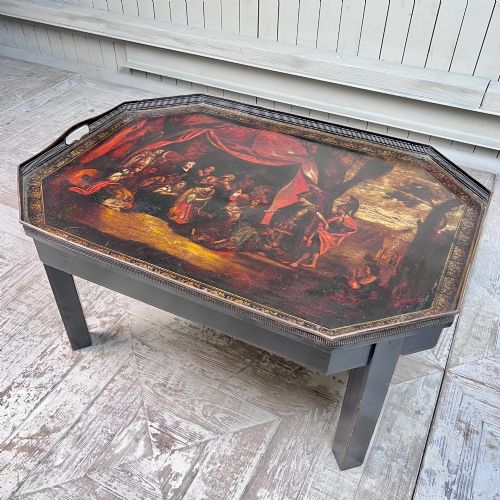
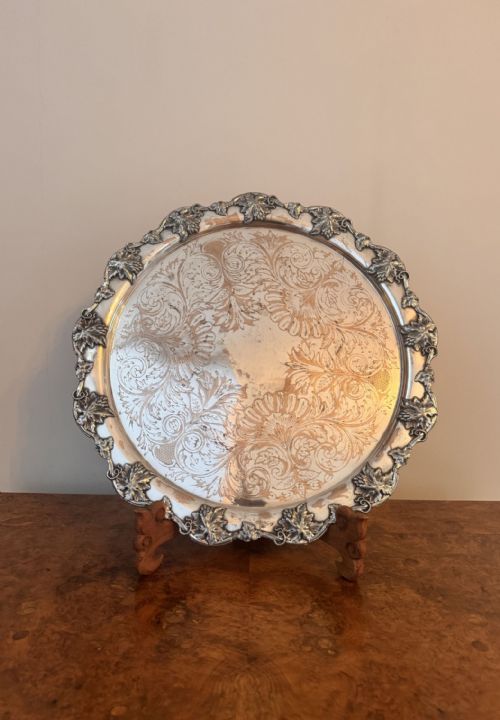
Metal versions combined silver plating techniques over copper or base metals, occasionally mounting handles in brass or cast metal. Papier-mâché and tole trays relied on layered paper or metal bases finished with lacquered painting and gilding.
Listings feature serving trays constructed from mahogany, satinwood, papier-mâché, brass, silver plate and lacquered wood.
What varies in quality
The refinement of inlay work and the precision of marquetry separate standard examples from superior pieces. Hand-engraved metal surfaces and cast gallery borders show individual artisan skill rather than mechanical stamping.
Material selection dictates durability and weight, with dense hardwoods and heavy silver plating maintaining structural integrity across decades of use. Original surface patination and retention of hand-painted details contribute to overall execution.
James Deakin·Mappin And Webb·Christofle·Edwards And Roberts·Thomas Bradbury And Sons
The Antique Tea Serving Tray Glossary
- Gallery
- A raised border surrounding the edge of a tray, often pierced or pierced-metal, designed to prevent items from sliding off during transport.
- Marquetry
- Decorative veneer applied to a wooden substrate in patterns or pictures, using different coloured woods and organic materials.
- Papier-mâché
- A composite material made from paper pulp or reinforced sheets of paper mixed with glue, moulded and dried to form lightweight trays before lacquering.
- Salver
- A flat metal plate or tray used for serving food or drinks, typically standing on small feet rather than featuring handles.
- Tole
- Painted or lacquered sheet metal, frequently decorated with hand-painted scenes or floral motifs during the eighteenth and nineteenth centuries.
Antique Tea Serving Tray: Frequently Asked Questions
How do I use an antique tray safely?
Place trays on stable surfaces when holding heavy items like teapots and porcelain cups. Protect wooden finishes from moisture by using coasters or liners during service.
Lift larger metal or wooden trays using both handles to distribute weight evenly across the base. Regular gentle dusting preserves polished surfaces without wearing away historic patination.
How are different periods identified?
Victorian and Edwardian pieces frequently exhibit silver plating, intricate mahogany marquetry or raised galleries. Earlier Regency and Georgian trays often rely on papier-mâché or simpler solid timber construction.
Maker marks stamped onto metal plating provide definitive dates for many silver-plated examples. Wood styles, such as satinwood inlay, reflect the prevailing decorative arts movements of their manufacturing decade.
Can silver-plated trays be polished?
Silver-plated items tolerate gentle cleaning with specialised silver cream to remove tarnish. Avoid abrasive cloths that strip thin historic plating from the base metal.
Engraved details require soft brushes to lift residue from recessed lines without scratching. Leaving a light patina is acceptable if bright reflective finishes are not desired.