





Brass Handle Wooden Tray
A brass handle wooden tray brings practical service and warm grain to a room, combining timber work with metal fittings.
Brass Handle Wooden Tray
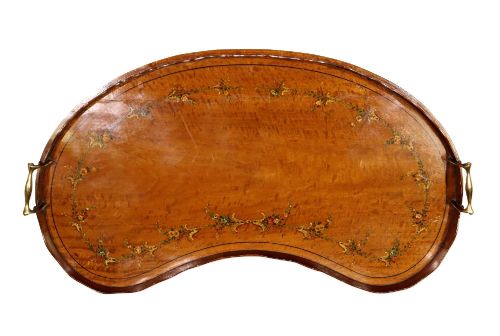
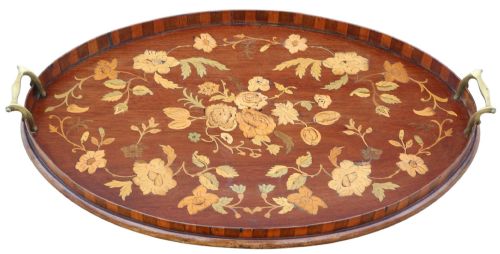
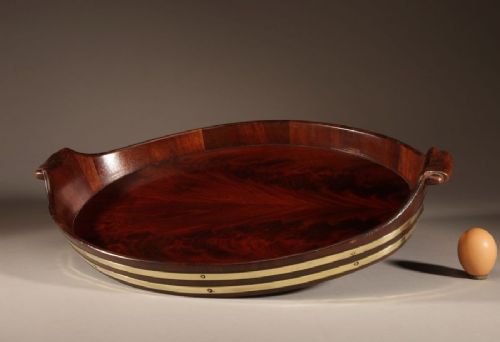
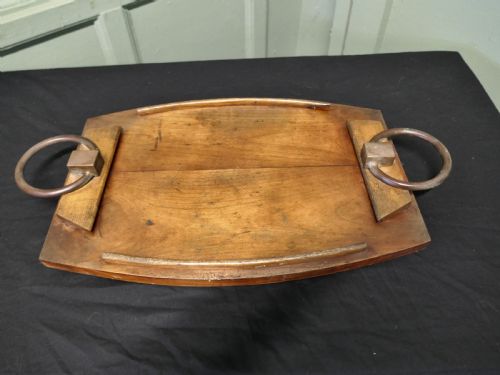
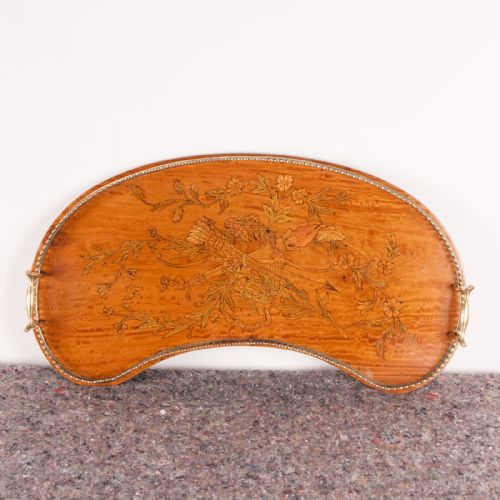
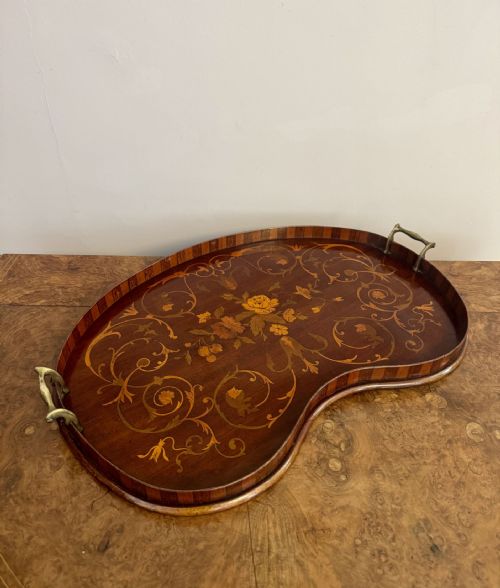
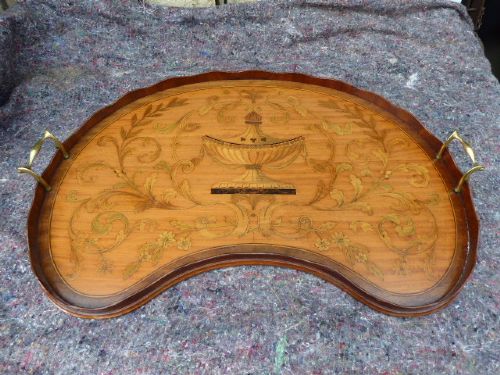
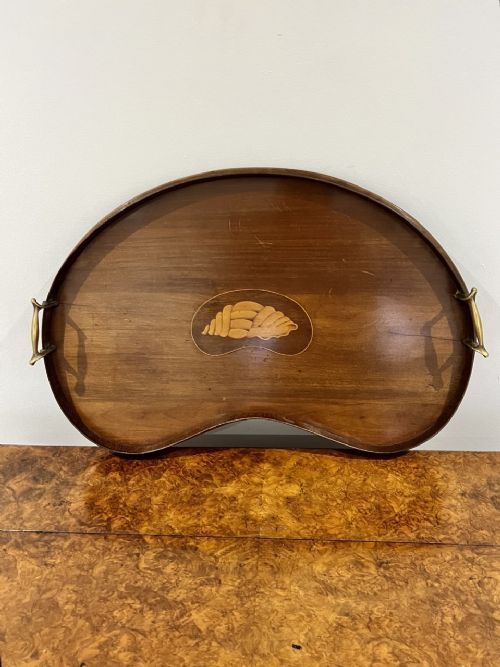
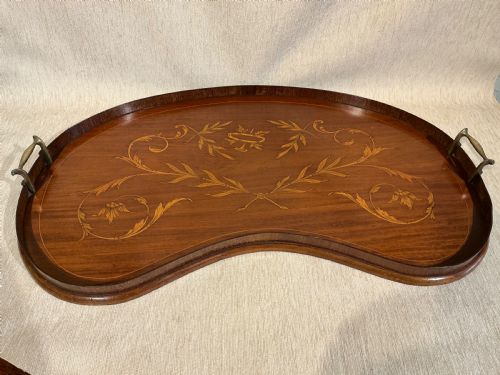
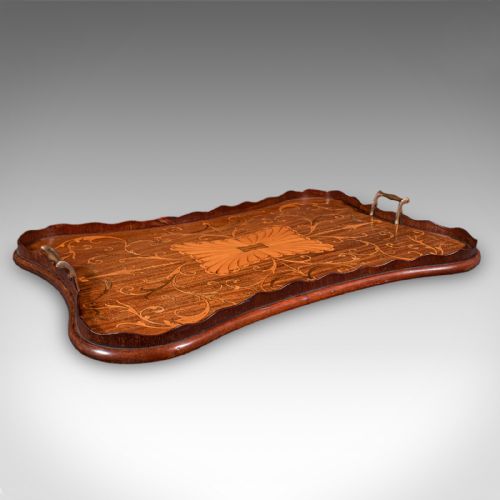
A brass handle wooden tray serves as a functional piece for afternoon tea or a decorative resting surface on an occasional table, spanning periods from the Georgian era through the Victorian and Edwardian years. Buyers searching for a brass handle wooden tray encounter serving trays and platters in various shapes, predominantly oval and kidney-shaped.
Materials and construction
Maker workshops utilised woods such as mahogany, satinwood, elm, and burr yew, shaping them into serving trays, coopered containers, and occasional furniture. Surfaces frequently display intricate marquetry inlay and satinwood inlay, demonstrating precision in timber selection and veneer work.
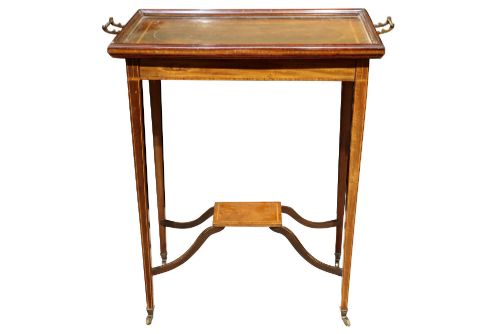
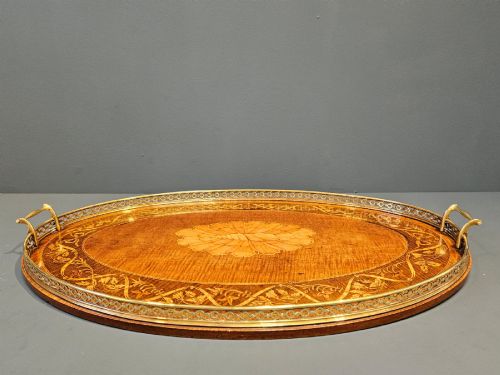
Metal components include cast brass handles and galleries fixed securely to the wooden bodies. Construction methods encompass coopered assembly for vessels, traditional joinery for boxes, and stable framing for trays mounted on stands.
Brass Handle Wooden Tray Retail Price Guide 2026
Typical asking prices for brass handle wooden tray among the pieces listed under this phrase on Sellingantiques today, from the lower quarter to the upper quarter. They describe what is for sale here now, not the wider market.
Listings span the Georgian, Victorian, and Edwardian periods, showcasing mahogany, satinwood, and elm with brass fittings.
Judging the quality
Quality rests upon the crispness of the timber inlay, the choice of figured wood veneers, and the sturdiness of the brass mounts. A higher grade piece shows tight joints, well-defined marquetry, and substantial brass handles that integrate smoothly with the wooden chassis.
Lesser examples display plain timber with minimal grain, simpler edging, or looser fitting metalware. The overall balance of weight, proportion, and the preservation of the original surface finish distinguish a superior serving tray from a standard utility item.
Edwards and Roberts
The Brass Handle Wooden Tray Glossary
- Marquetry inlay
- Decorative patterns formed by fitting small pieces of veneer into a prepared wooden surface. This technique creates pictorial or geometric designs across the face of a tray.
- Brass gallery
- A low metal rail fitted around the edge of a tray to secure items placed upon it. These galleries are often pierced or cast in openwork designs.
- Coopered
- Constructed from vertical wooden staves bound together by bands or framing, commonly seen in cylindrical vessels and wine carriers. It mimics the traditional method of barrel making.
- Kidney-shaped
- A curved, indented contour resembling a kidney bean, popular in Edwardian tray design for comfortable handling against the body.
- Satinwood
- A hard, yellowish timber with a lustrous sheen, frequently utilised for fine inlay work and elite cabinet making during the eighteenth and nineteenth centuries.
Brass Handle Wooden Tray: Frequently Asked Questions
How were these trays used historically?
These items functioned primarily in domestic service for carrying tea, beverages, and afternoon tea platters across rooms. They also served on sideboards and tables to organise smaller objects.
Over time, many transitioned into permanent decorative displays or rested upon dedicated stands to form occasional tables.
How do I care for wooden serving trays?
Maintain the timber by keeping the tray away from direct heat sources and excessive moisture. Regular dusting with a dry cloth preserves the polished surface.
Avoid submerging the piece in water, especially examples featuring delicate marquetry inlay or fitted brass components.
How do I distinguish Edwardian from Victorian pieces?
Victorian trays often lean towards heavier mahogany construction with bold proportions and straightforward serving utility. Edwardian examples frequently embrace satinwood, kidney shapes, and lighter Sheraton Revival aesthetics.
Design motifs and the specific style of inlay provide key clues to the manufacturing period.