

Antique Tea Container
An antique tea container is a vessel made to store dried leaves safely, and these pieces bring period craftsmanship directly to a modern room.
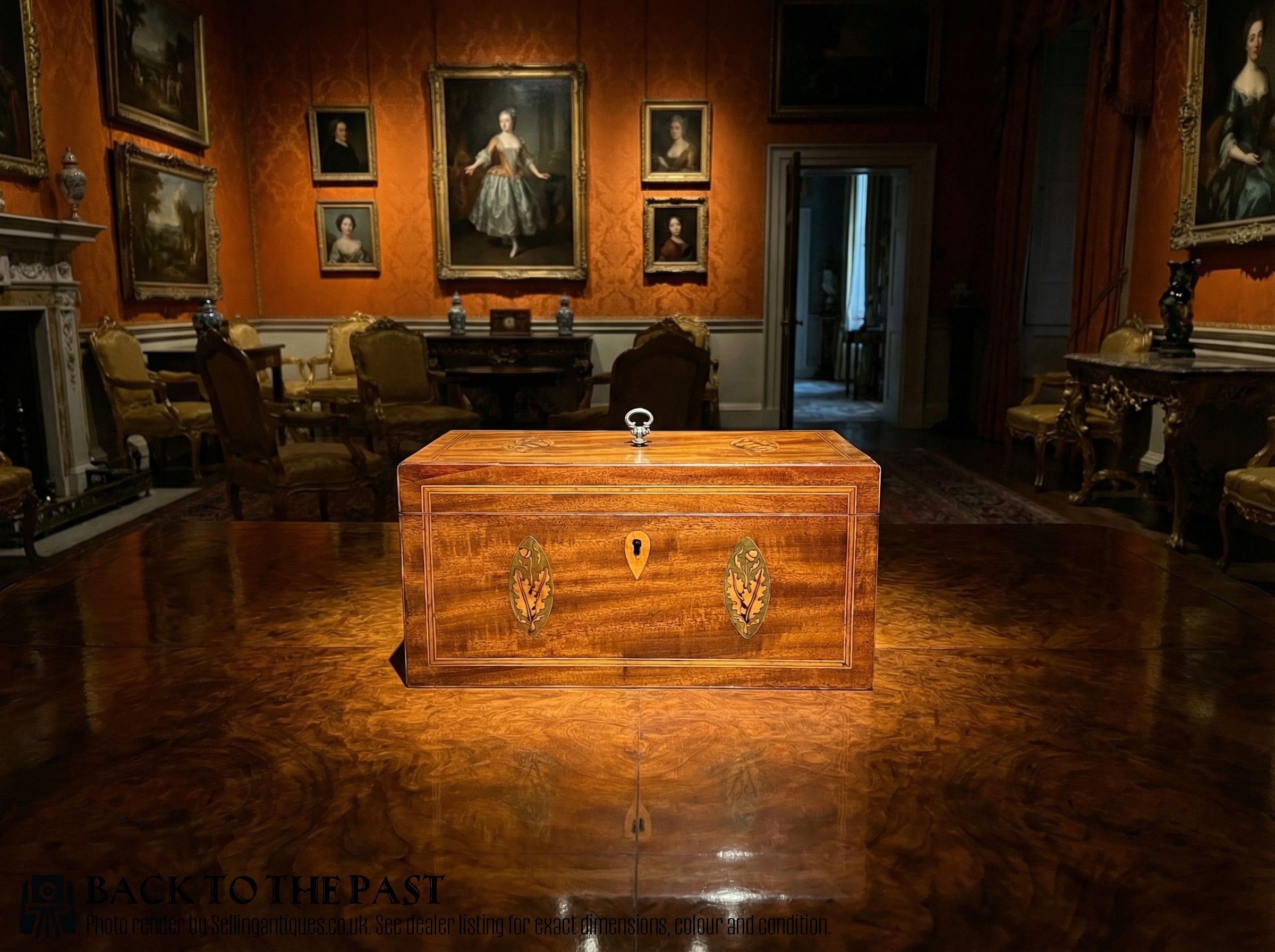
Antique Tea Container
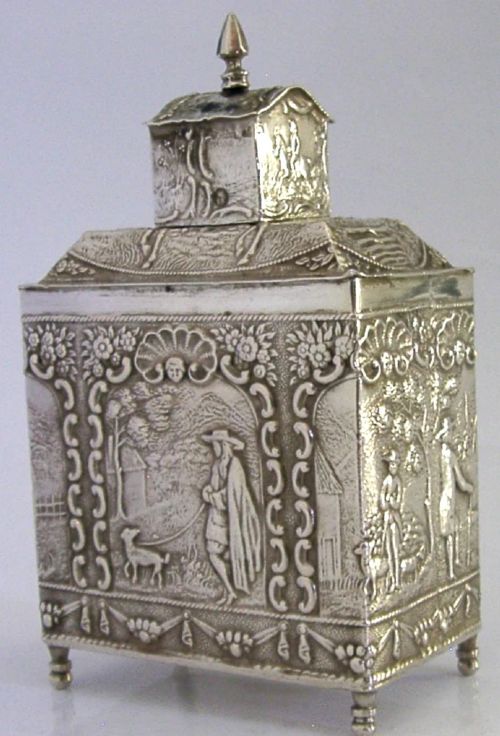
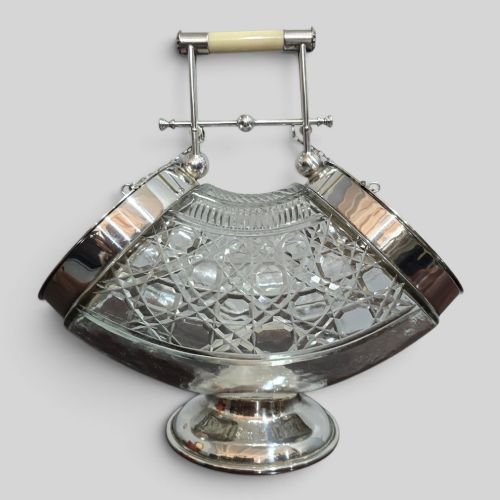
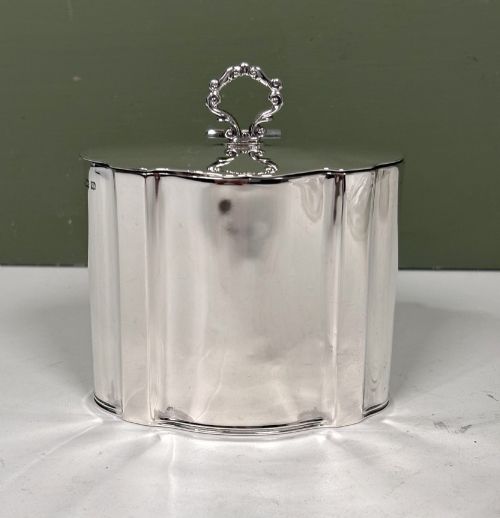
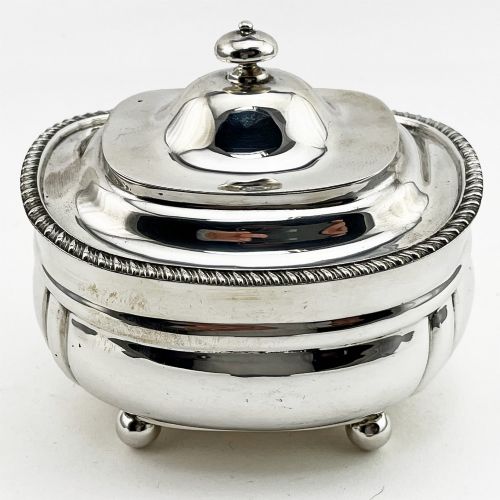
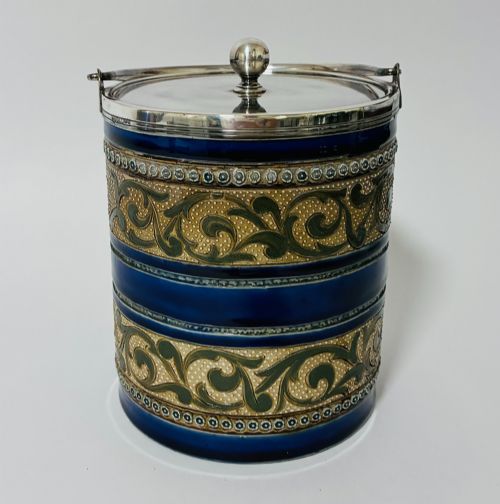
When searching for an antique tea container, collectors encounter diverse forms ranging from dedicated caddies to biscuit barrels and sugar boxes. The inventory here spans the eighteenth, nineteenth, and early twentieth centuries, capturing Victorian, Edwardian, and Georgian aesthetics.
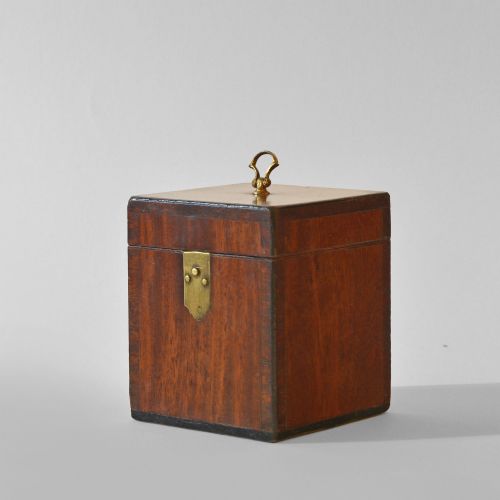
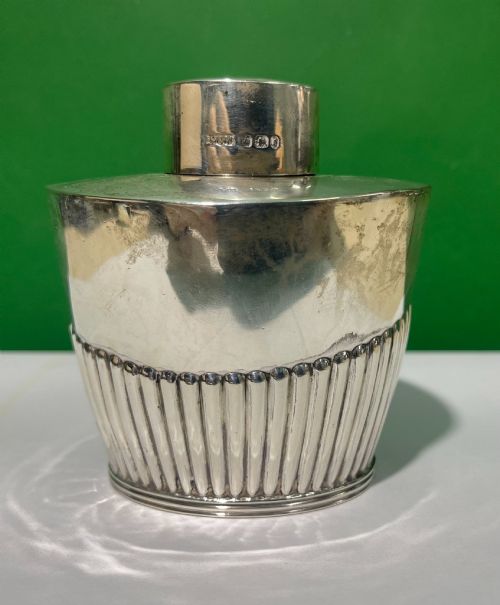
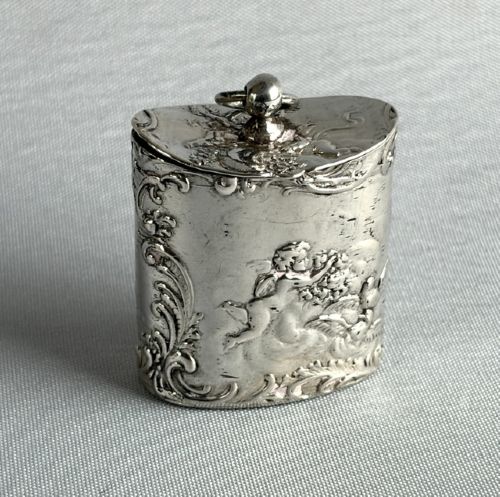
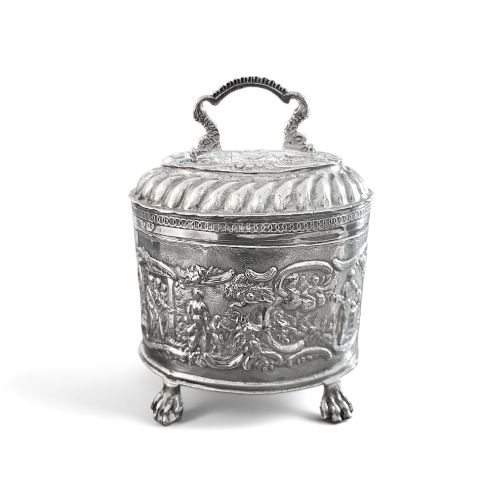
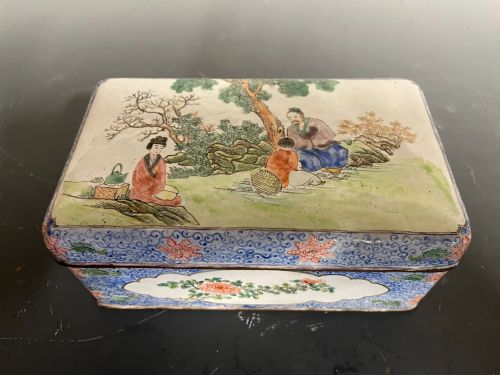
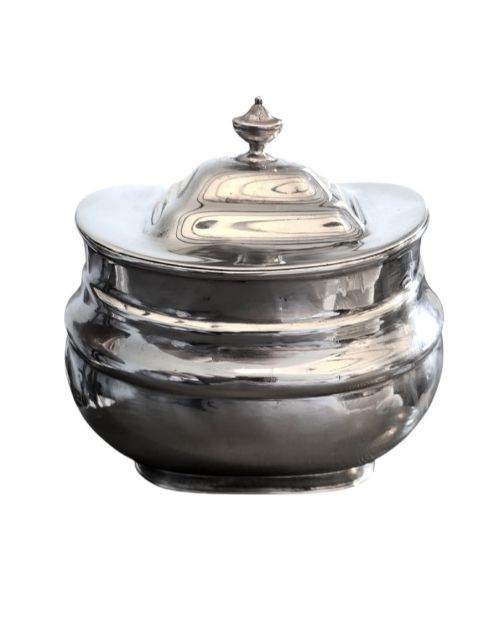
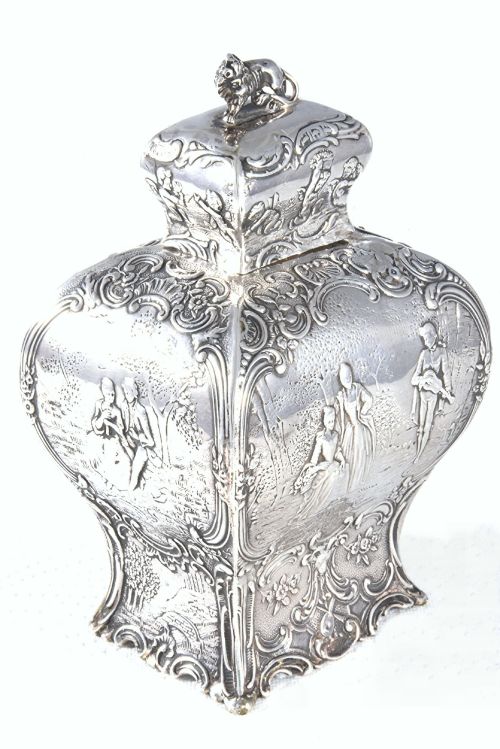
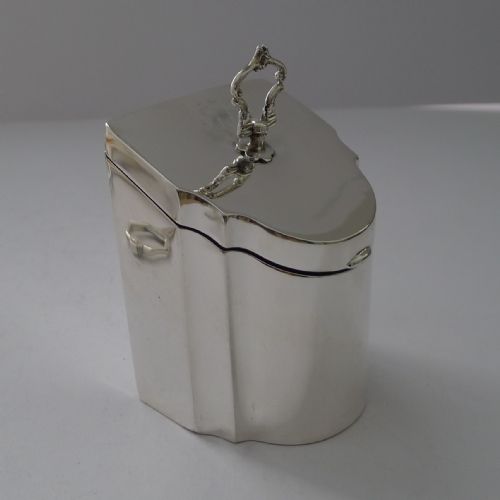
Wooden examples frequently display intricate marquetry, parquetry, or Tunbridge ware, whilst silver and plated versions arrive in bombe, knife box, or oval shapes. Ceramic and glass pieces, including cut crystal and flow blue designs, offer an alternative texture for storage.
Origins stretch across English workshops and continental makers, incorporating Dutch, Ottoman Turkish, Indian, and Chinese pieces. Buyers are most likely to meet solid silver and silver-plated receptacles alongside timber and ceramic boxes.
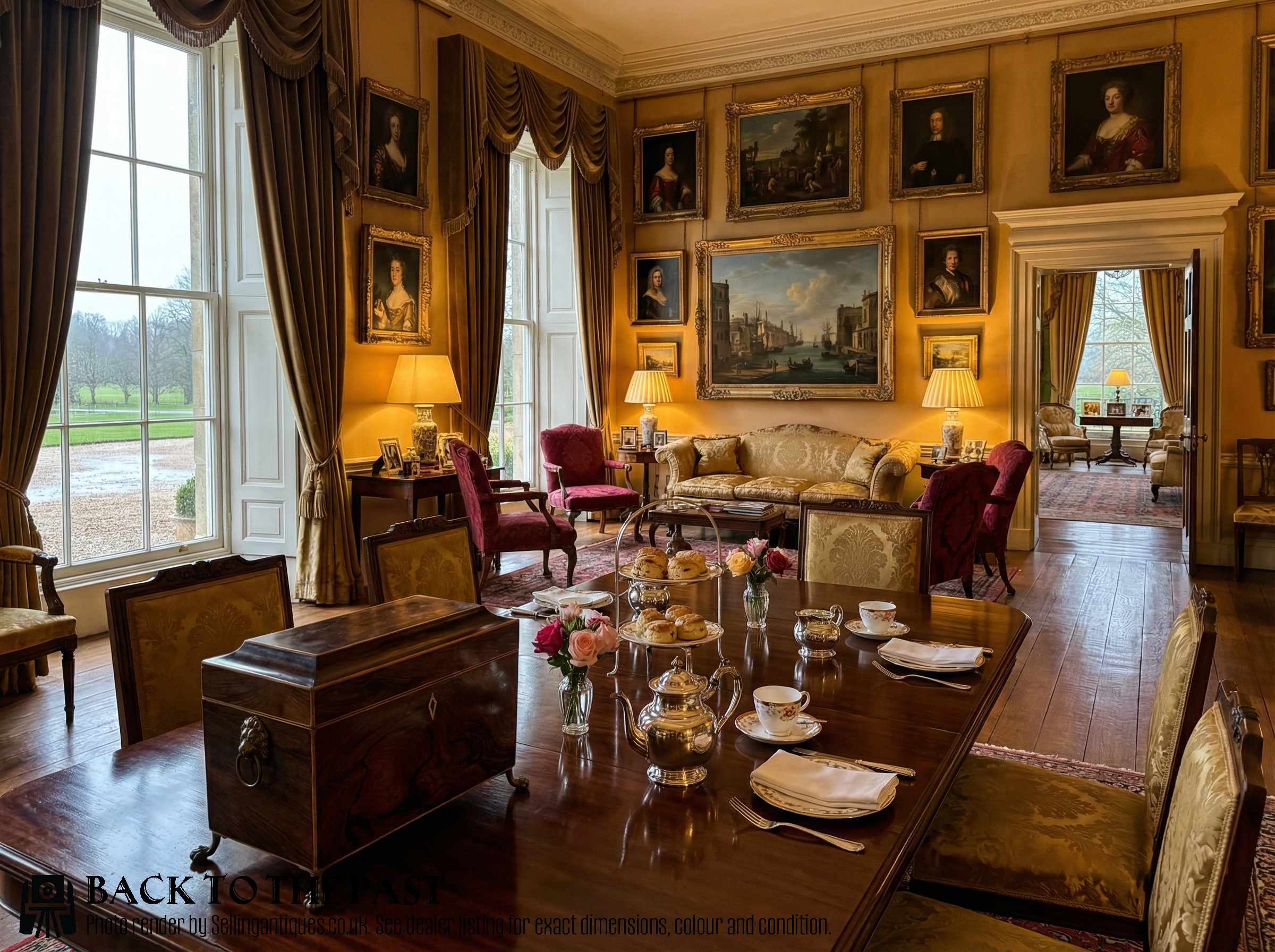
Materials and construction
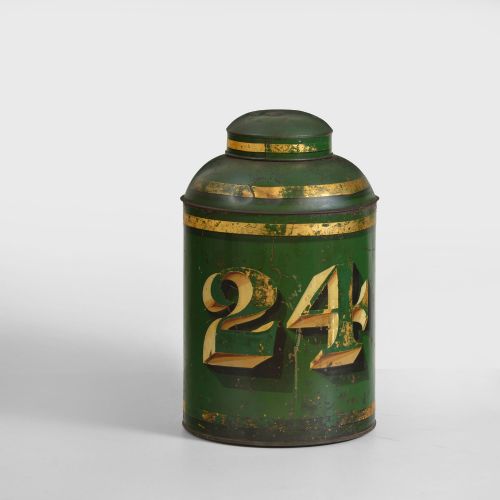
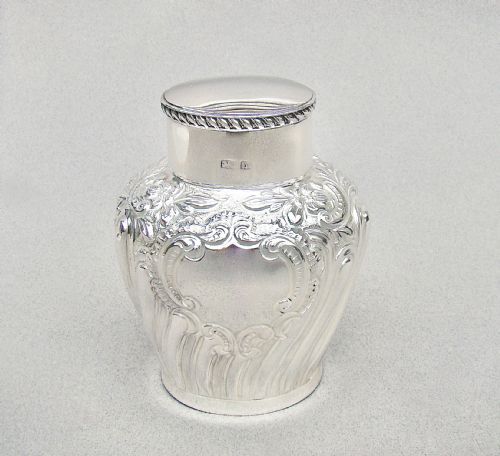
Metals dominate the selection, utilising sterling silver, solid silver, and silver plate shaped through hammering, casting, and repoussé techniques. Makers also employed brass and toleware to construct durable storage vessels.
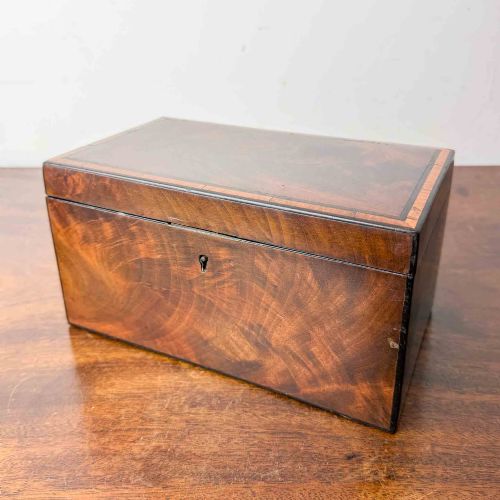
Woodworking traditions appear in mahogany, teak, and papier-mâché bodies finished with fitted interiors and parquetry patterns. Ceramics and cut crystal introduce heavy glass cutting and glazed earthenware into the manufacturing repertoire.
Antique Tea Container Retail Price Guide 2026
Typical asking prices for tea container among the pieces listed under this phrase on Sellingantiques today, from the lower quarter to the upper quarter. They describe what is for sale here now, not the wider market.
A nineteenth-century bamboo tea caddy demonstrates that even hollow grass stems served as luxury packaging for imported leaves.
Judging standard and execution
The division between standard output and finer work rests on the weight of the metal, the precision of the joinery in wooden boxes, and the crispness of chased or engraved ornament. Substantial gauge silver and well-preserved internal foil linings indicate superior initial manufacture.
Design complexity also defines grade, with multi-compartment toleware, bespoke fitted wooden interiors, and hand-cut crystal bodies separating basic utility items from elite salon pieces.
Robert Hennell·Thomas Hayes·Mappin and Webb·William Hutton and Sons·Martin Hall and Co
The Antique Tea Container Glossary
- Tea caddy
- A small box or jar designed to store loose tea leaves securely. Early iterations often featured locking lids to protect expensive leaves.
- Biscuit barrel
- A covered vessel used for storing biscuits on the dining table or sideboard. These frequently combine ceramic bodies with silver-plated mounts and swing handles.
- Parquetry
- A geometric mosaic of wood pieces used to veneer furniture and decorative boxes. Artisans arrange contrasting timber grains to form optical patterns.
- Toleware
- Painted or lacquered metalware popular during the Georgian and Victorian eras. Items range from trays to triple-compartment storage boxes.
- Bombe
- A swelling, convex furniture or container profile. This curvaceous contour requires advanced silversmithing or cabinet-making skill.
Antique Tea Container: Frequently Asked Questions
What is an antique tea container?
An antique tea container is a historical vessel built to preserve the aroma and dryness of loose tea leaves before the invention of tea bags. These objects functioned as prized possessions in wealthy households.
Today, buyers acquire them for display or practical storage on sideboards and desks.
How do I date an antique tea container?
Dating relies on hallmarks stamped on silver examples, maker marks, and stylistic clues inherent to periods like the Georgian or Edwardian eras. Wood and ceramic pieces require an examination of construction methods, hinges, and decorative motifs.
Matching these details against known manufacturing records establishes the production window.
How were wooden tea caddies constructed?
Cabinetmakers built wooden caddies using dense timbers like mahogany and teak, often applying delicate veneers or parquetry to the exterior surfaces. Interiors frequently featured fitted compartments lined with foil or secondary woods to seal the contents.
Many included small locking mechanisms operated by a matching key.
Can I use these containers for modern tea?
These vessels suit dry storage if the internal linings remain intact and clean. Wooden and metal boxes keep loose leaves safe provided moisture is avoided.
Buyers should inspect the interior condition before storing consumable goods.
What distinguishes a biscuit barrel from a caddy?
A biscuit barrel is larger and traditionally made from ceramic, glass, or silver plate with a wide opening for baked goods. Tea caddies are smaller, deeper storage boxes built to hold leaf tea.
Barrels often feature swing handles, whilst caddies rely on fitted lids.