



Antique Tapestry Footstool
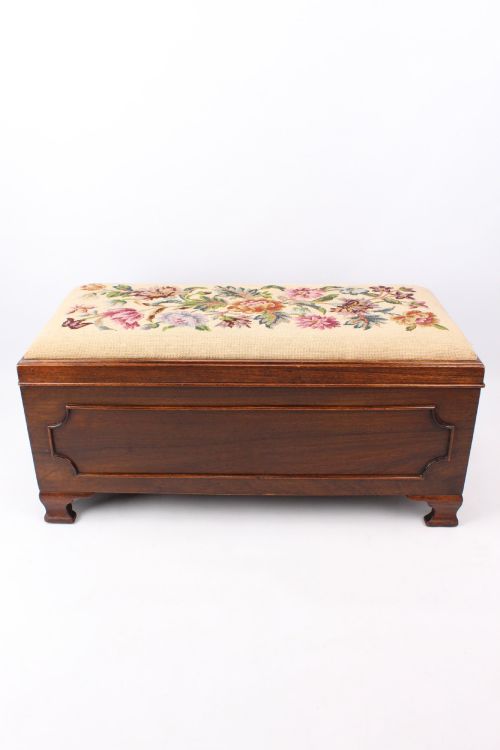
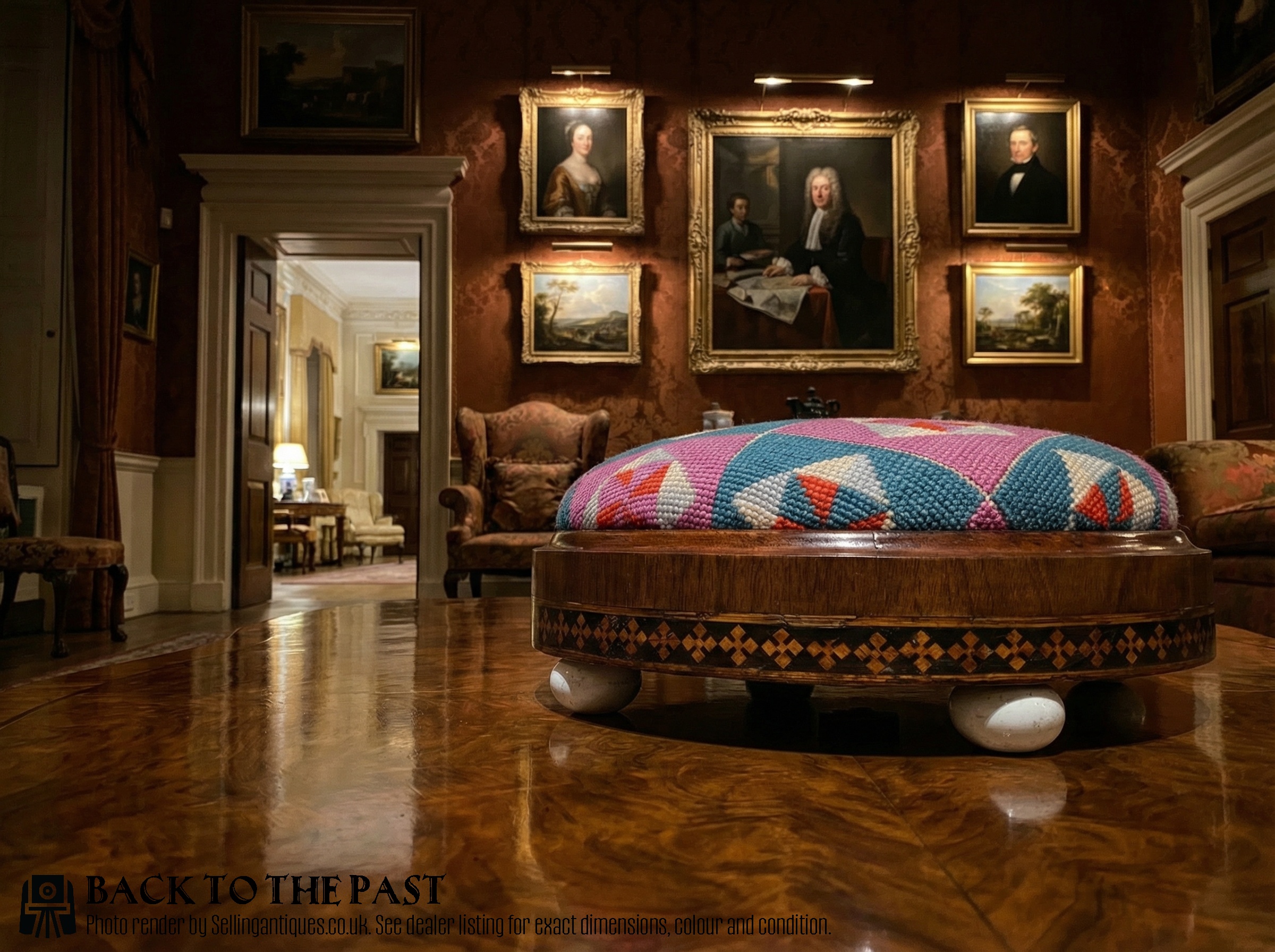
An antique tapestry footstool brings tactile texture and period craft into a room, offering a low seat or rest finished in wool and needlepoint.
Antique Tapestry Footstool
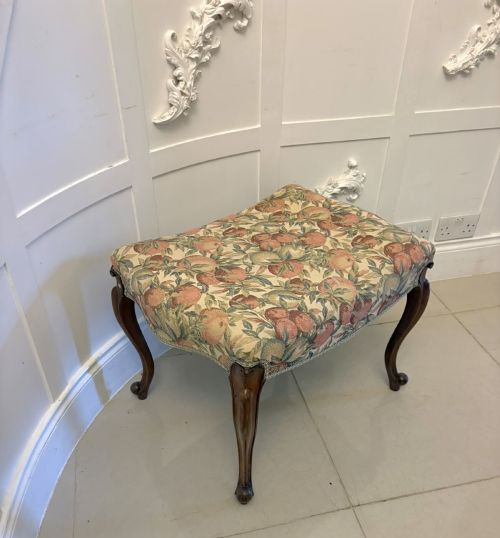
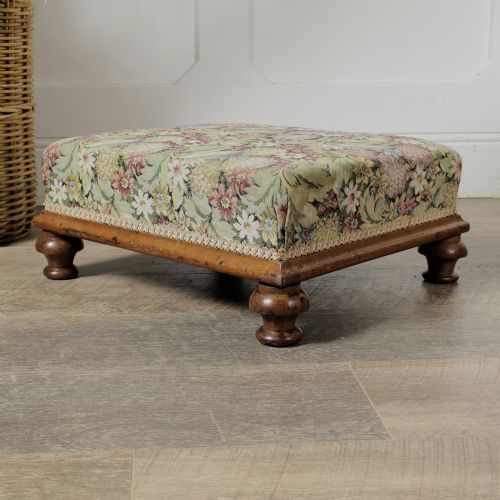
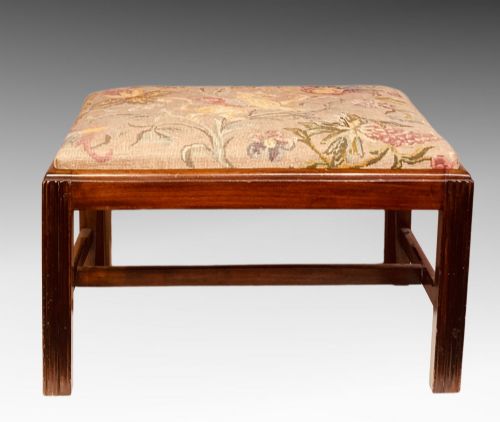
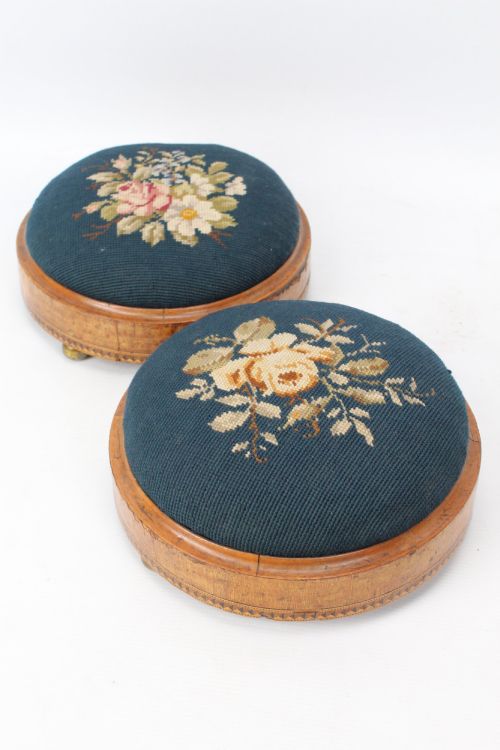
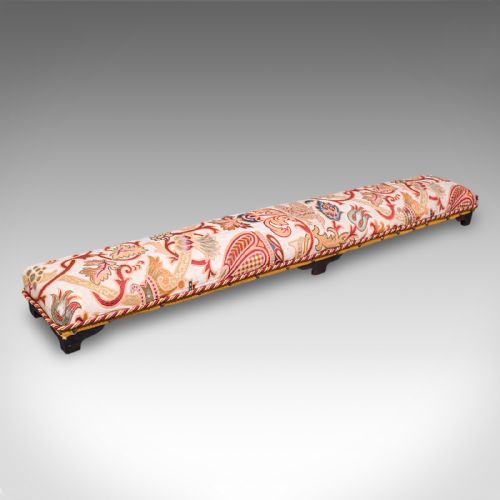
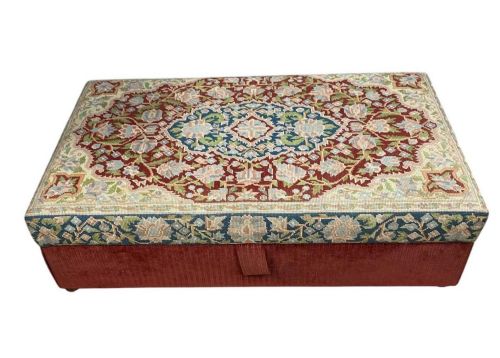
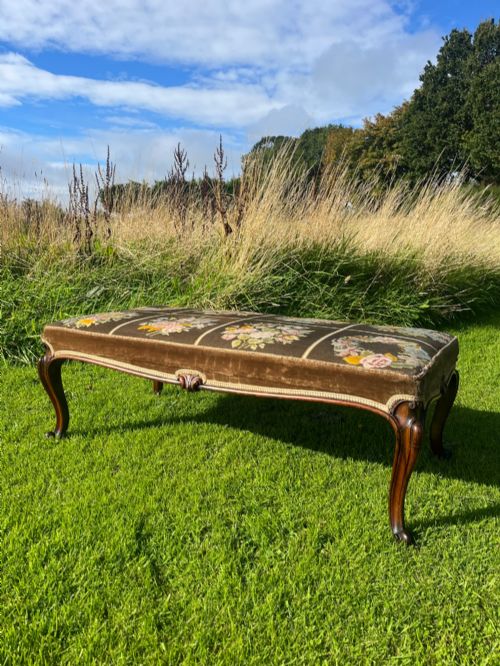
An antique tapestry footstool is a low domestic seat or rest, most frequently encountered here in Victorian walnut or mahogany iterations bearing needlework or needlepoint upholstery. These pieces range from compact gout stools and dressing table seats to large ottomans and window benches.
The selection spans periods from the seventeenth century through to the early twentieth century, incorporating revival aesthetics such as Queen Anne, Chippendale, and Louis styles alongside vernacular English and French examples.
Materials and construction
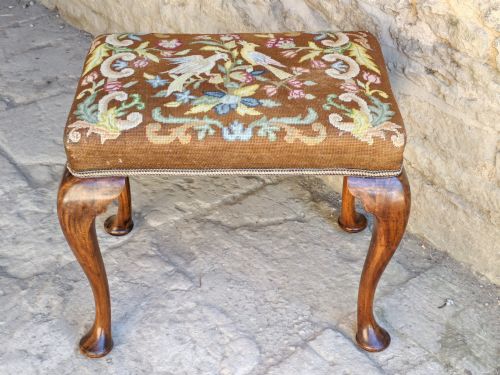
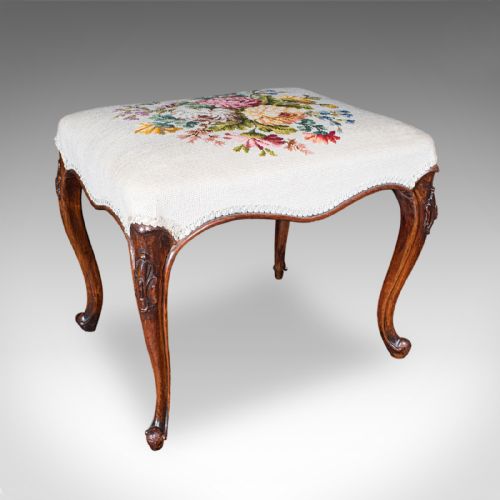
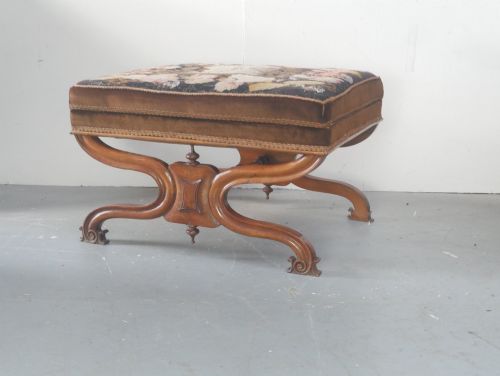
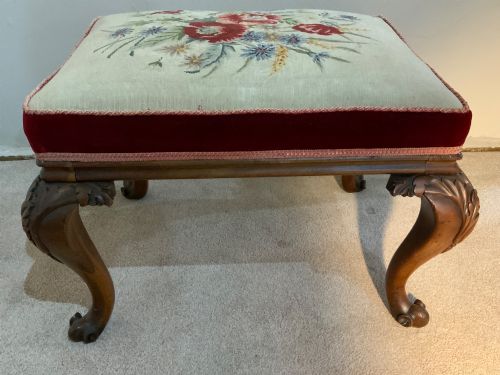
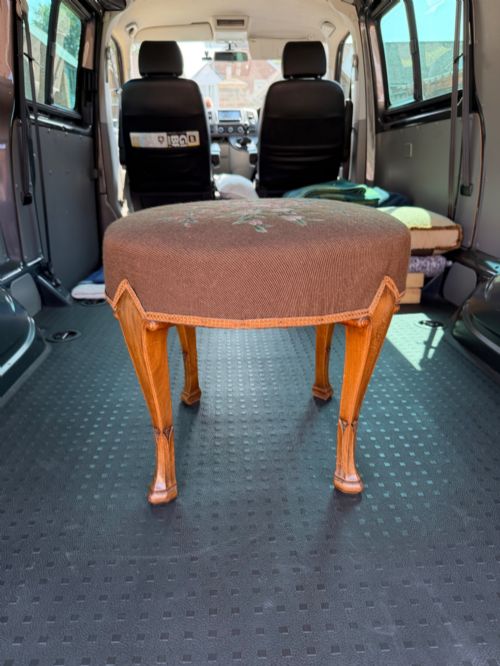
Makers utilised timber frames of walnut, mahogany, oak, and pitch pine, often shaped with cabriole legs, x-frames, or carved stretcher bases to support the weight above.
The upholstery centres on wool textile, tapestry, needlepoint, and beadwork, worked by hand into floral or geometric patterns and secured tightly over traditional stuffing.
Antique Tapestry Footstool Retail Price Guide 2026
Typical asking prices for tapestry footstool among the pieces listed under this phrase on Sellingantiques today, from the lower quarter to the upper quarter. They describe what is for sale here now, not the wider market.
Several diminutive gout stools hide clever tilting mechanisms designed entirely for eighteenth-century comfort.
Evaluating craftsmanship
Quality reveals itself in the crispness of timber carving, the structural integrity of joints like the cross stretcher, and the density and complexity of the hand-stitched needlepoint.
The proportion of the frame and the preservation of original fabric or period appropriate replacement textiles distinguish finer salon pieces from utilitarian household items.
Hallett And Sons
The Antique Tapestry Footstool Glossary
- Needlepoint
- A type of counted thread embroidery stitched onto an open weave canvas foundation. It forms the durable, patterned top seen on most nineteenth-century examples.
- Gout stool
- A small, low footrest designed specifically to elevate and support an aching foot or leg. These often feature an adjustable slope.
- X-frame
- A structural furniture base formed by intersecting diagonal timber members shaped like the letter X. It provides sturdy support for decorative seats.
- Cabriole leg
- A furniture leg that curves out and then in, resembling the leg of an animal. This classic form appears frequently on walnut dressing stools.
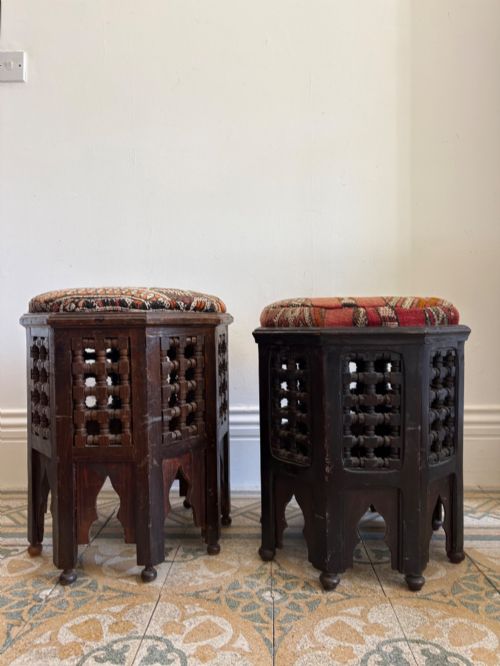
- Kilim
- A flatwoven textile originating from the Middle East or Eastern Europe. Occasionally utilised to cover nineteenth-century mahogany frames.
Antique Tapestry Footstool: Frequently Asked Questions
How do I use an antique footstool today?
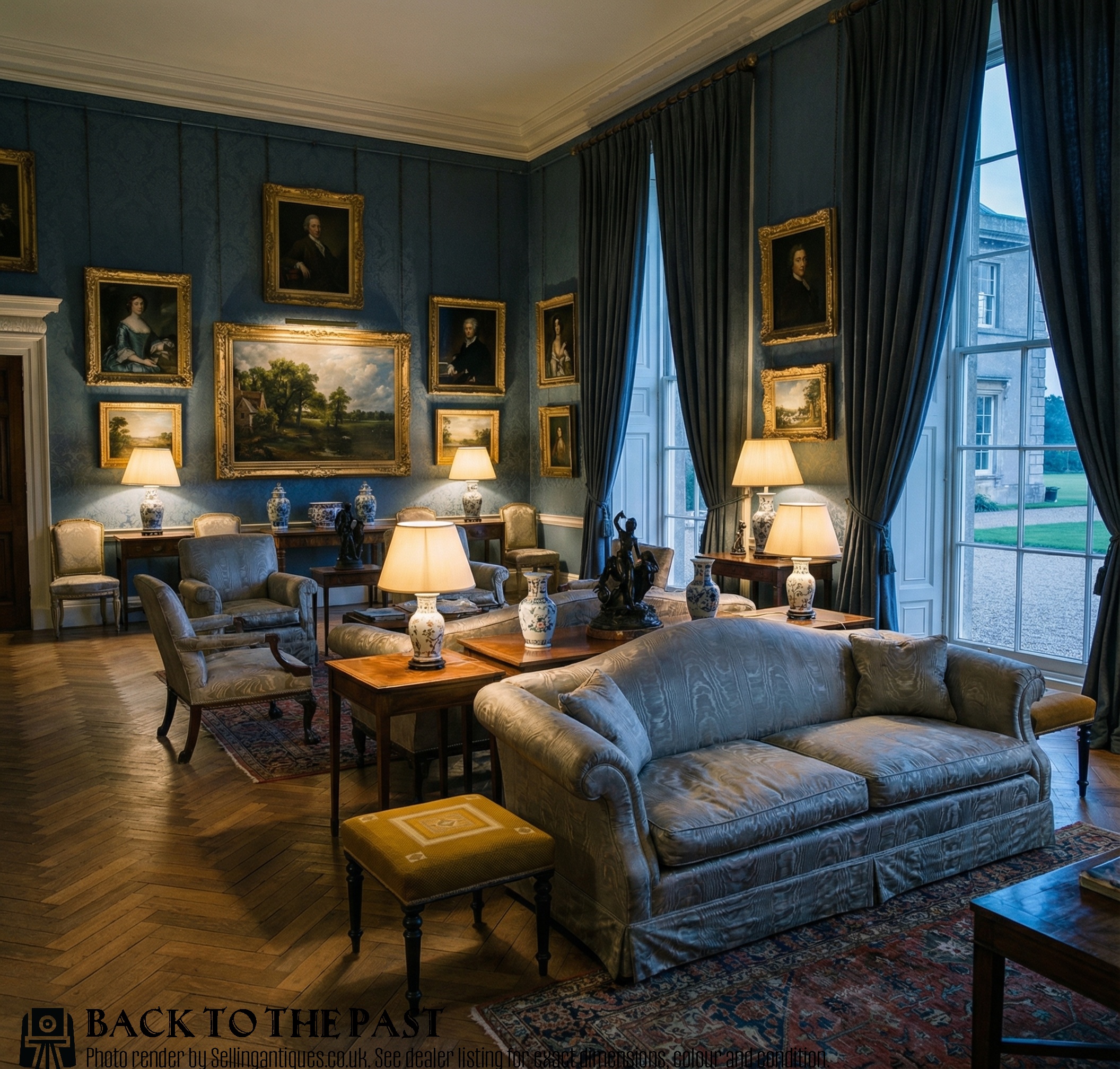
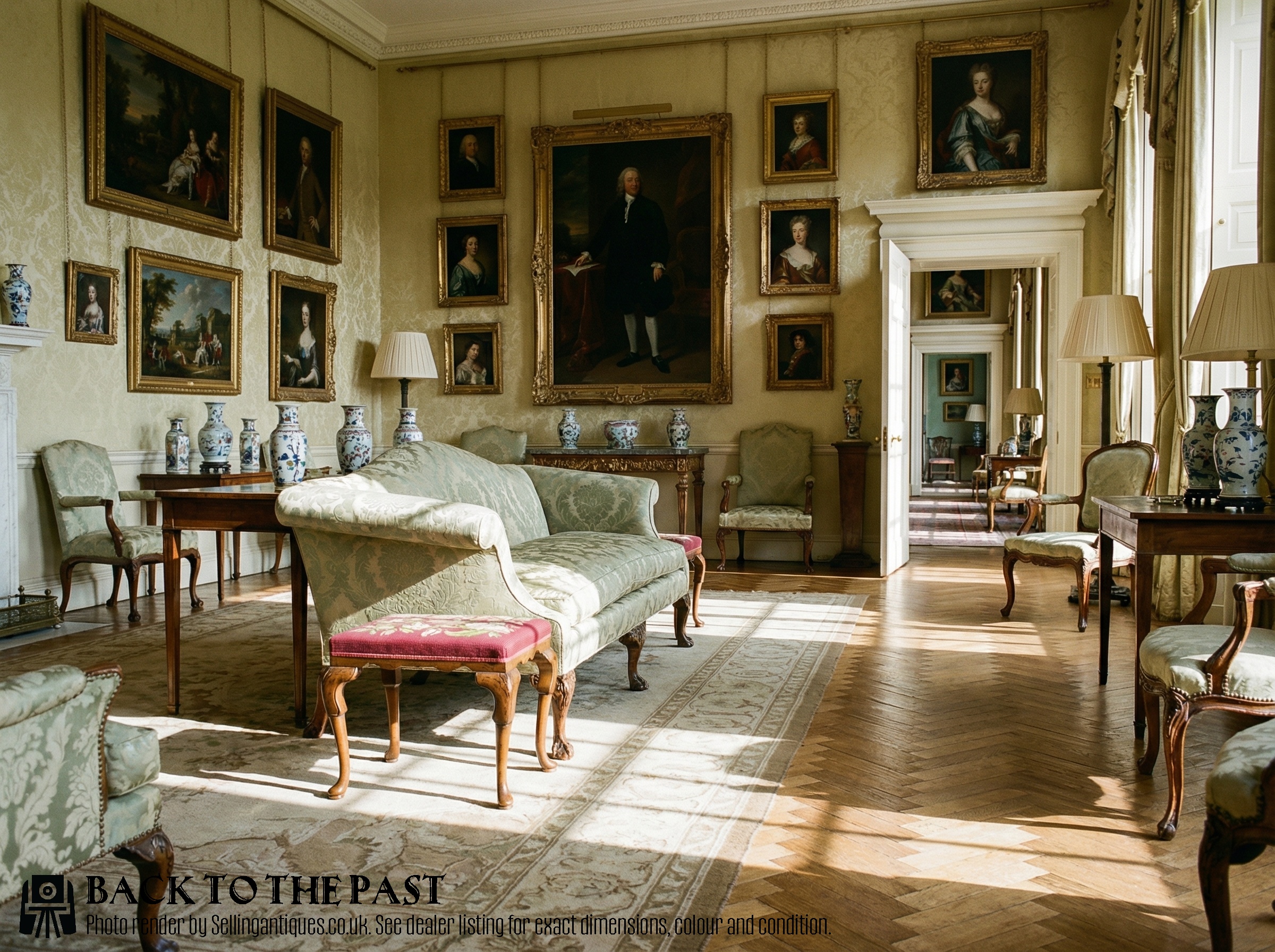
These pieces function well beside armchairs as traditional foot rests or low seats. They also serve as dressing table stools in bedrooms.
Smaller gout stools suit placement near reading chairs where low elevation is desired.
Are tapestry tops original?
Many retain their hand-stitched wool needlepoint or beadwork seats from the nineteenth or early twentieth centuries. Textile survival depends on past placement away from direct sunlight.
Some frames feature later replacement needlework executed in a sympathetic period style.
How do I date a Victorian footstool?
Dating relies on timber choice, such as dark walnut or rich mahogany, combined with leg style like cabriole supports or x-frames. Revival motifs point towards specific decades within the nineteenth century.
Construction methods inside the frame provide further clues regarding the exact period of manufacture.
What is the difference between a gout stool and a footstool?
A gout stool is typically smaller and designed with an inclined top to support a specific limb. Standard footstools offer a flat surface intended for general resting or seating.
Both utilise similar timber frames and tapestry upholstery.