




Mahogany Tapestry Stool
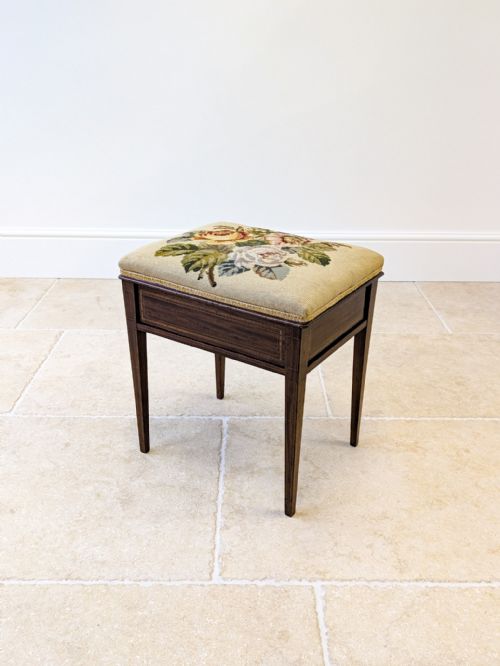
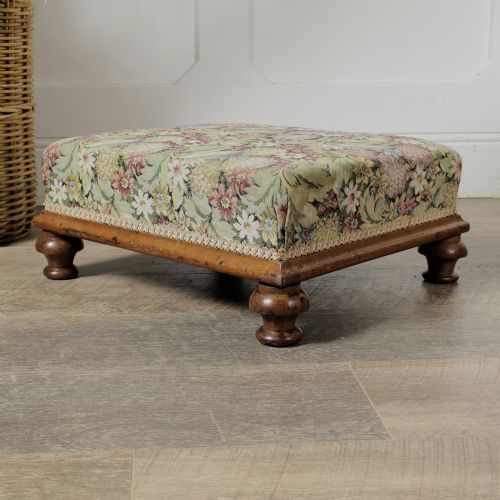
These mahogany tapestry stools combine rich timber frames with textured textile seats, offering a practical seat and a touch of period character.
Mahogany Tapestry Stool
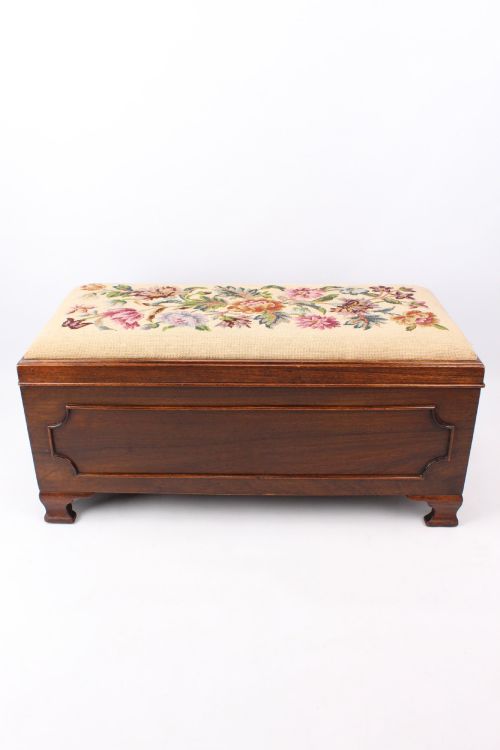
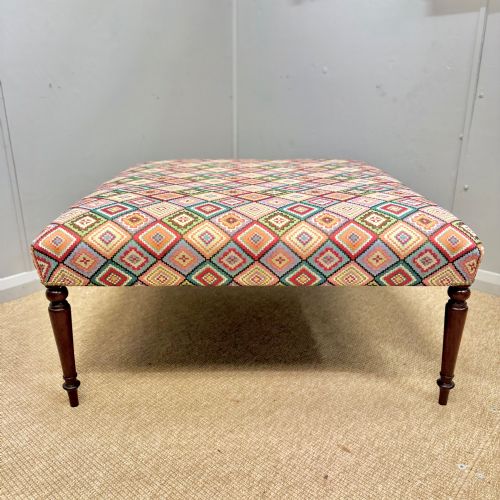
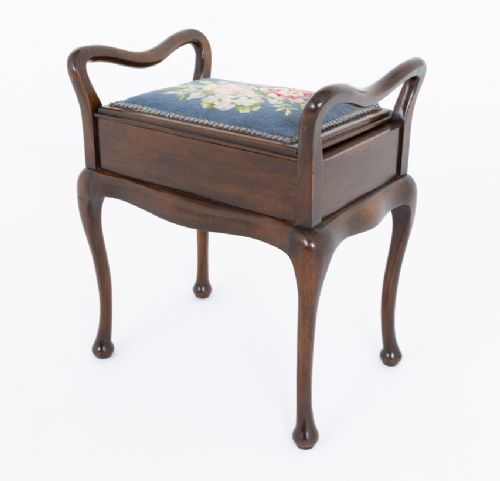
A mahogany tapestry stool serves multiple domestic purposes, appearing as low footstools, piano seats, dressing table stools, and larger ottomans across various periods. Buyers searching for a mahogany tapestry stool will find pieces spanning the eighteenth, nineteenth, and early twentieth centuries, reflecting changing domestic habits from formal reception rooms to bedroom dressing areas.
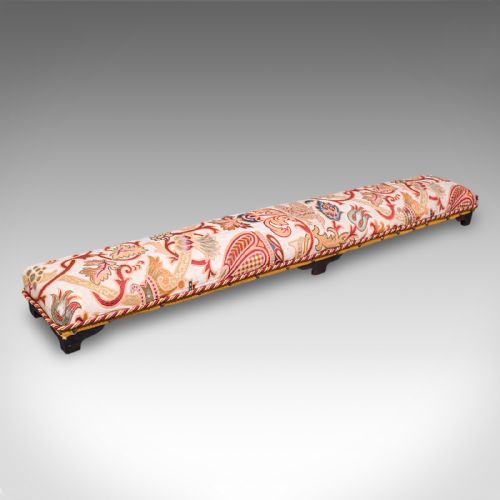
The nineteenth century and the Edwardian era provide the bulk of these seats, often incorporating needlepoint, gros-point, or petit-point covers. Forms range from simple circular piano stools and small footrests to substantial country house storage ottomans and long window seats supported on carved frames.
How they were made
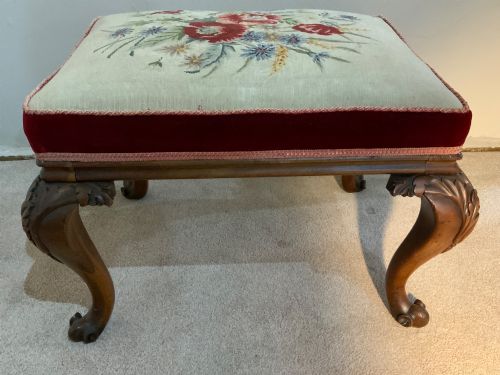
Cabinetmakers utilised solid mahogany for the structural frames, shaping legs in styles from simple tapered supports to elaborate Chippendale, Queen Anne, and Victorian revival designs. Joinery often included cross stretchers or X-frames to provide stability for pieces subjected to regular weight.
The upholstered tops combine traditional stuffing with wool, fabric, or textile covers, frequently worked in needlepoint or tapestry. Some examples integrate brass details, inlay, or specialised mechanisms such as music storage boxes beneath the seat.
Mahogany Tapestry Stool Retail Price Guide 2026
Typical asking prices for mahogany tapestry stool among the pieces listed under this phrase on Sellingantiques today, from the lower quarter to the upper quarter. They describe what is for sale here now, not the wider market.
What varies in quality
The distinction between standard examples and superior pieces rests on the crispness of the timber carving and the complexity of the frame construction. Heavier mahogany frames with detailed stylistic references, such as carved cabriole legs or inlaid borders, indicate higher workshop standards.
The condition and execution of the tapestry seat significantly influence the overall standard. Original needlework, particularly fine petit-point or gros-point work retained on the seat, represents a higher grade of craftsmanship compared to later replacement covers.
Hallett and Sons·Jas Shoolbred·Whytock and Reid
The Mahogany Tapestry Stool Glossary
- Mahogany
- A durable tropical hardwood known for its reddish-brown colour and fine grain, used extensively for framing furniture.
- Tapestry
- A form of textile art, often hand-woven or needleworked, used historically to cover seat cushions and footstools.
- Petit-point
- A fine needlepoint stitch worked on canvas that allows for intricate detail and shading in upholstery covers.
- Gros-point
- A coarser needlepoint stitch used for durable tapestry covers, providing a robust and textured surface.
- Cross stretcher
- Wooden members connecting the legs near the base to add structural rigidity to the stool frame.
Mahogany Tapestry Stool: Frequently Asked Questions
Where were these stools used?
These stools served diverse roles throughout the home, appearing beside pianos for music practice, in bedrooms for dressing tables, and in reception rooms as footrests.
Larger variations also functioned as window seats or storage ottomans in country houses, adapting to the specific needs of Victorian and Edwardian domestic life.
How do I date my stool?
Dating relies on examining the timber frame characteristics, leg styles, and construction techniques alongside the textile used for the seat.
Earlier eighteenth-century pieces display simpler joinery and specific revival cues, while Victorian and Edwardian examples often incorporate patent hardware, music boxes, or distinct upholstery patterns.
Are the tapestry tops original?
Many pieces retain their original needlepoint or gros-point textile covers, showing authentic wear consistent with their age.
Other examples have been reupholstered over time using period-appropriate fabrics to maintain their usability in modern interiors.
How should I care for the wood and fabric?
Protect the mahogany frame by keeping it away from direct heat sources and applying appropriate furniture wax sparingly.
Vacuum the tapestry seat gently with a soft brush attachment to remove dust without damaging the delicate wool or fabric threads.