
Antique Tall Mirror
An antique tall mirror brings vertical presence and reflected light to a room, spanning grand overmantels, slender pier glasses, and pivoting cheval frames.
Forms and Periods of the Antique Tall Mirror
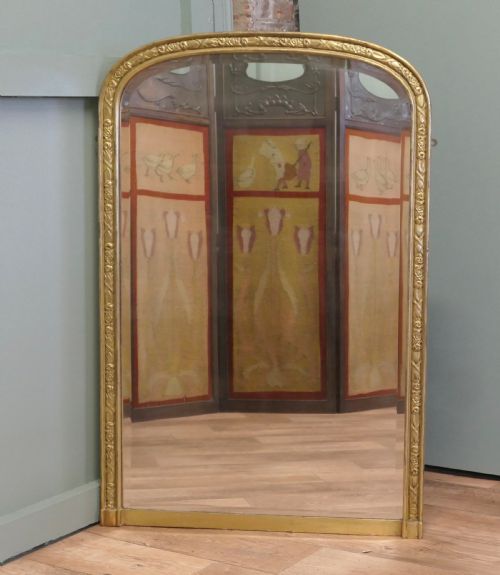
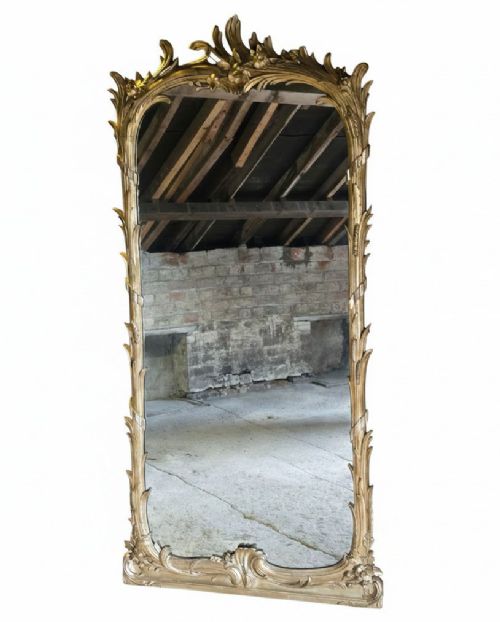
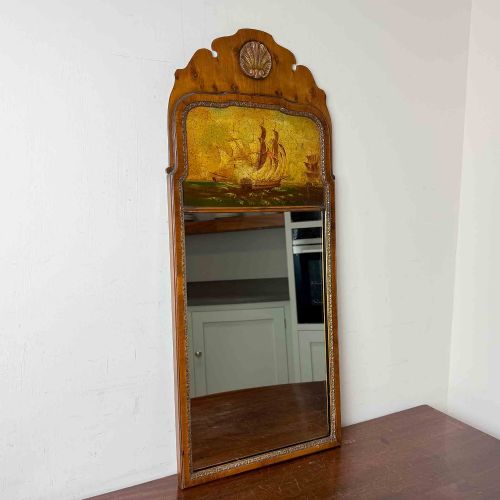
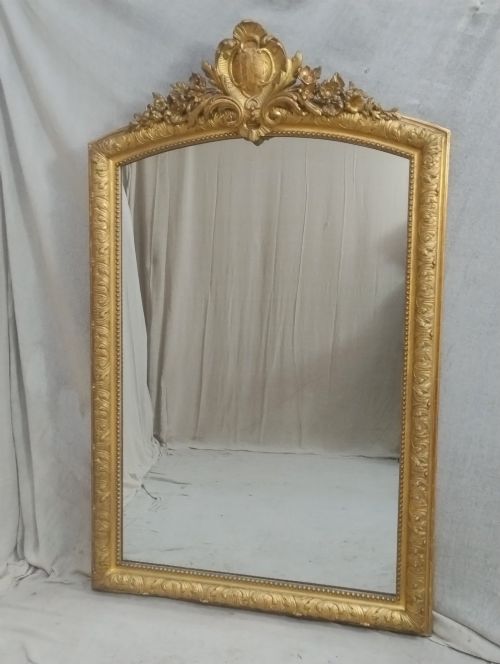
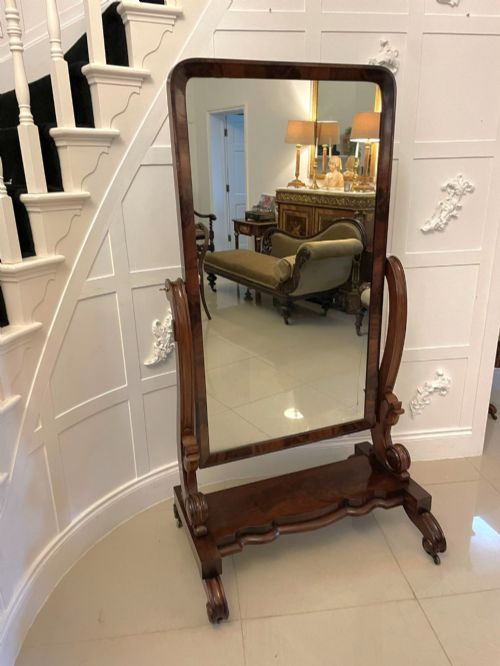
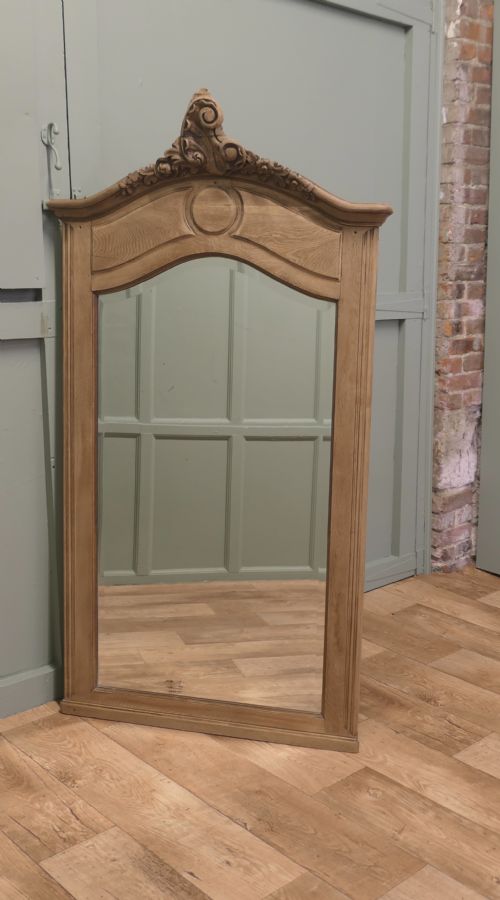
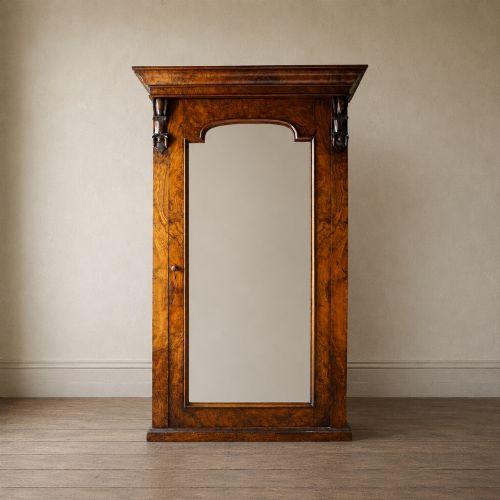
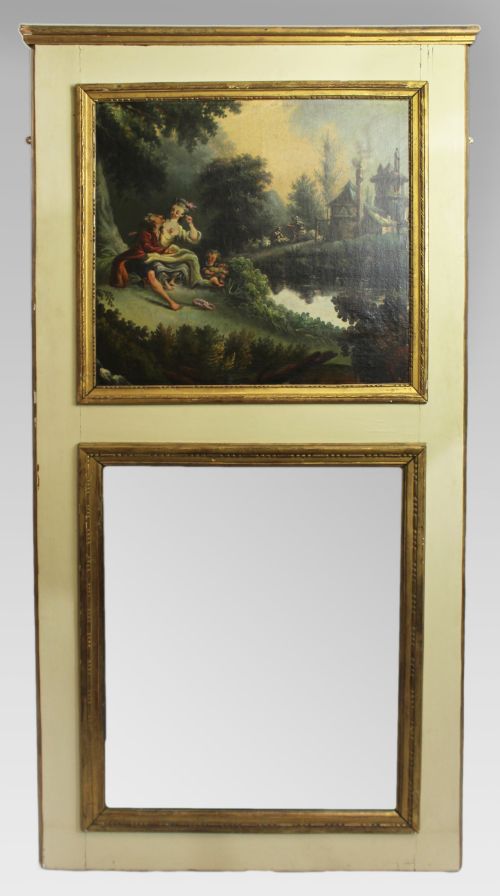
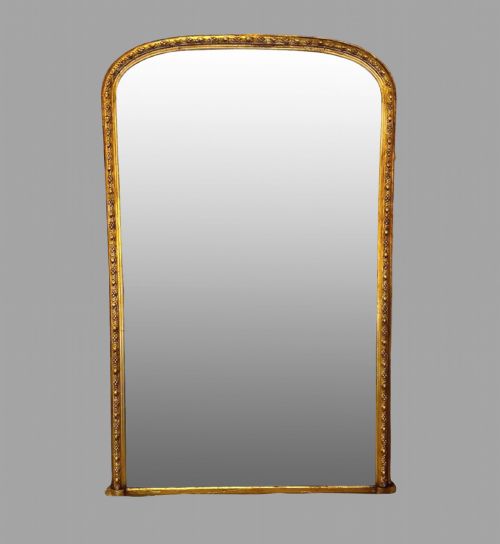
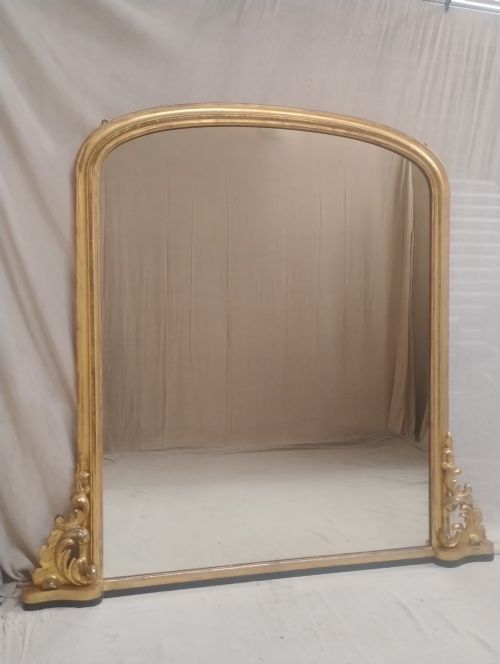
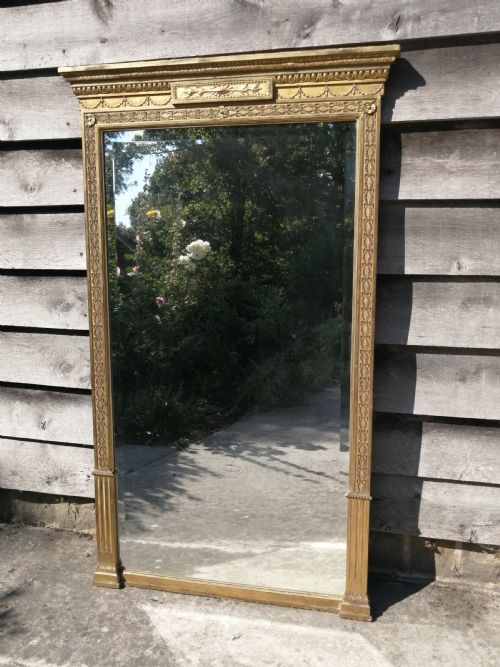
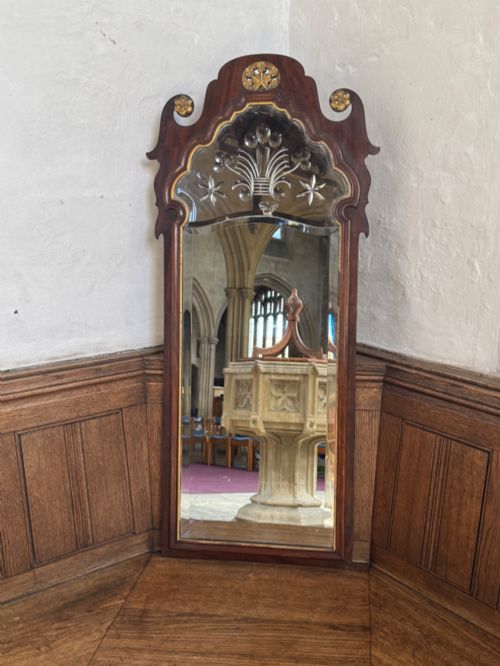
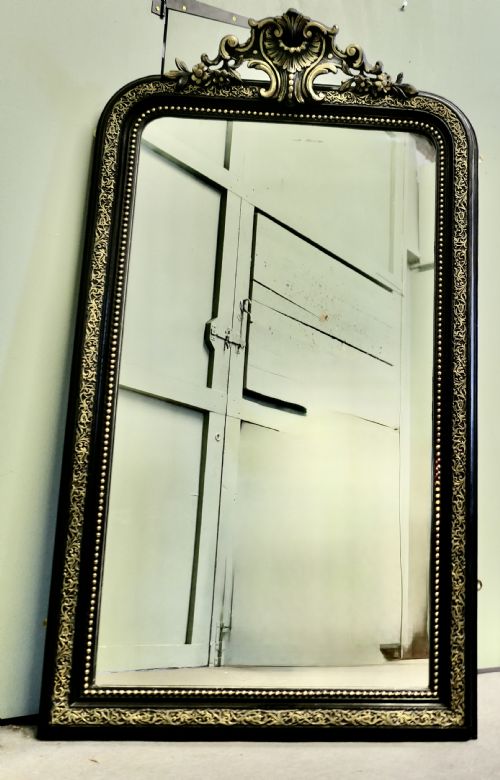
An antique tall mirror encompasses several distinct forms designed to anchor a room visually, most commonly found as tall pier glasses, overmantels, and floor-standing cheval mirrors. These pieces span the nineteenth century, Regency era, and Edwardian periods, reflecting the domestic and commercial architecture of their origins.
Wall-hanging versions often served specific architectural functions, such as filling the narrow wall space between windows as pier mirrors or commanding the chimney breast as overmantels. Floor-standing cheval mirrors and dressing glasses provided full-length reflections for bedrooms and outfitters, utilising pivoting frames mounted on sturdy supports.
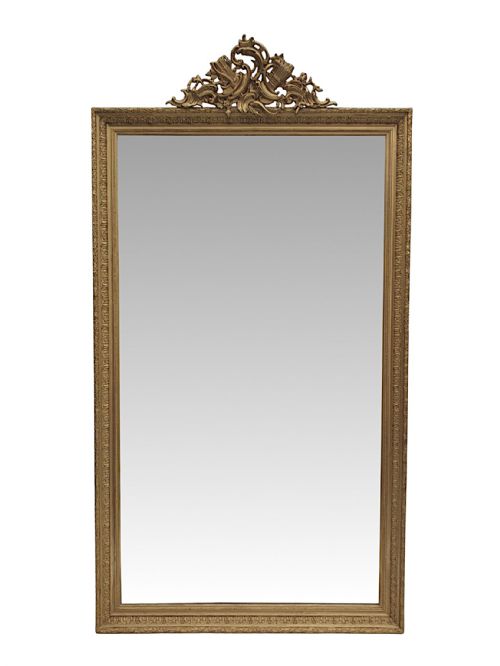
The aesthetic vocabulary draws heavily on Regency, Victorian, and French chateau styles, incorporating neoclassical restraint alongside ornate gilding. Buyers encounter both domestic pieces intended for private parlours and robust shop-fitting mirrors designed for tailors and outfitters.
Materials and Construction Techniques
Frames rely on traditional cabinet-making timbers such as mahogany, oak, pine, and boxwood inlay, often paired with structural gesso to build up decorative mouldings. Cabinetmakers used solid timber and veneers to construct robust housings capable of supporting heavy glass plates.
Retail Price Guide 2026
Typical UK retail prices for tall mirror, calculated from the Sellingantiques database of over a million retail prices indexed since 2003. This retail price guide relies exclusively on Sellingantiques data; no external sources or auction records are used, so the figures do not describe the wider market.
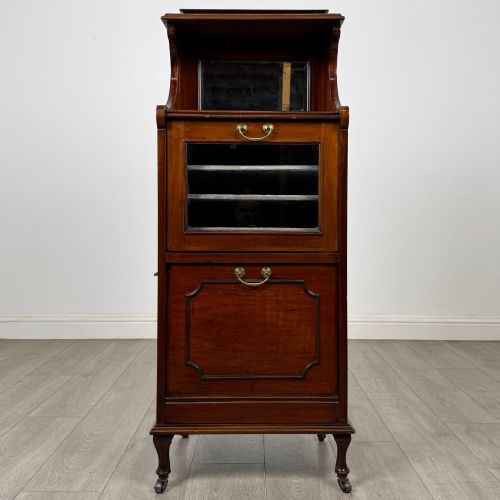
Some tall mirrors served as gentleman's outfitters and shop-fitting fixtures, helping patrons inspect their tailoring before stepping out onto the Victorian street.
Distinctions in Quality and Craftsmanship
The standard of a piece rests largely on the cohesion between the frame's architecture and its decorative enrichment, where finely hand-carved gesso and crisp gilding distinguish superior workshops from routine production. The choice of timbers also dictates quality, with dense, figured mahogany and well-wrought brass fittings marking out finer examples.
Integrity of the plate glass and its original backing boards plays a decisive role in the standing of a mirror. Superior pieces retain their original glass, showing authentic tonal depth and silvering wear that harmonises with the age of the wooden or gilt housing.
The Antique Tall Mirror Glossary
- Pier mirror
- A tall, narrow mirror traditionally hung on the wall space between two windows. These pieces often sat above low console tables to maximise reflected light.
- Cheval mirror
- A freestanding full-length dressing mirror mounted in a frame on pivots, allowing the glass to tilt. The name derives from the French word for horse, referencing the four-legged frame.
- Overmantel mirror
- A wide or tall mirror designed specifically to be positioned above a fireplace mantelpiece. They frequently incorporate landscape proportions or grand architectural arches.
- Eglomise
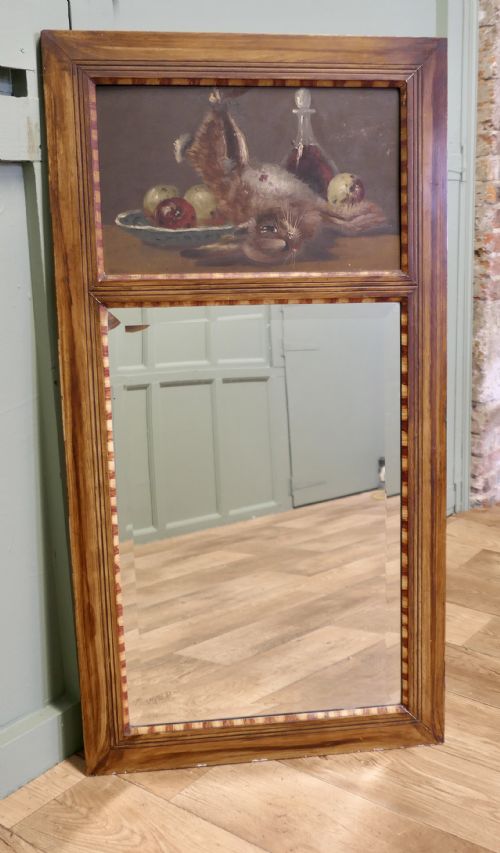
- A technique where a design is painted and gilded on the reverse side of glass. It appears frequently in frieze panels above mirror plates in Regency and nineteenth-century pieces.
- Gesso
- A plaster-like mixture applied to wooden frames as a base for carving and gilding. High-quality gesso allows for crisp, intricate relief ornament that holds gold leaf effectively.
Frequently Asked Questions
Where should a tall mirror be placed?
Tall mirrors suit positions where they can capture and multiply natural light, such as opposite a window or along a hallway. Overmantels naturally anchor the chimney breast in a principal reception room.
Freestanding cheval mirrors function best in bedrooms or dressing rooms where full-length reflection is practical. Wall-hanging pier mirrors work effectively when centered above low furniture like sideboards or console tables.
How do I secure a heavy wall mirror?
Large wall mirrors require direct attachment to structural wall studs or masonry using heavy-duty mirror brackets and fixings suited to the weight of the timber and glass. Distributing the load across multiple points ensures the frame remains stable.
Leaner mirrors must be anchored securely to the wall near the top to prevent accidental tipping. Professional installation is recommended given the substantial weight of nineteenth-century glass and giltwood frames.
Are the mirror plates original?
Many antique mirrors retain their original glass plates, which often display subtle foxing, minor speckling, and gentle distortion. These natural characteristics verify the age of the piece.
Replacement plates appear in pieces where the original glass suffered breakage or degradation over time. Examining the backboards and fixings helps determine whether the glass has remained undisturbed since manufacture.
How do I care for giltwood frames?
Giltwood and gesso surfaces require gentle dusting with a soft, dry brush to prevent the accumulation of particles in the carved recesses. Moisture and harsh cleaning agents must be avoided entirely to protect the delicate gold leaf.
Keeping the mirror away from direct sunlight and fluctuating humidity prevents the underlying wood and gesso from expanding or contracting. This protects the structural integrity of the frame and prevents the gilding from flaking.