

Antique Tabletop Storage
Antique tabletop storage organises small treasures and documents close at hand, combining practical utility with fine cabinet-making.
Antique Tabletop Storage
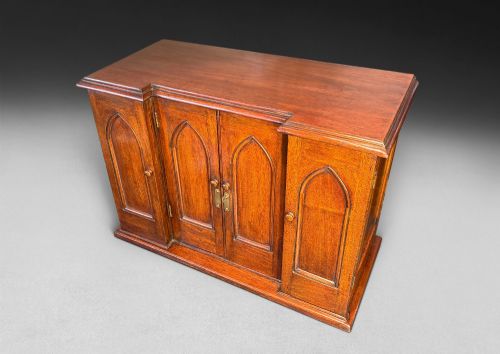
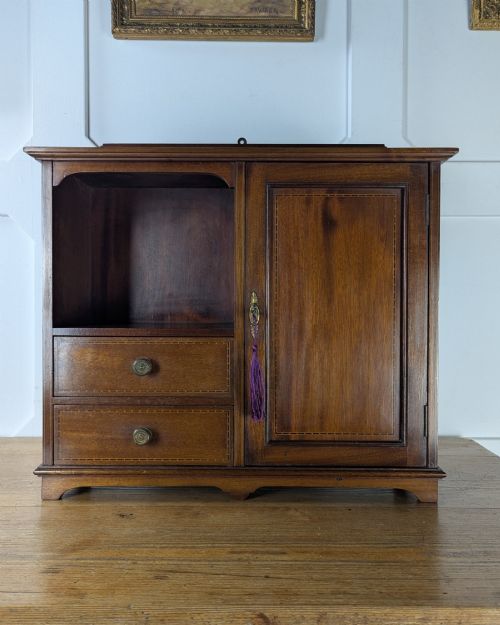
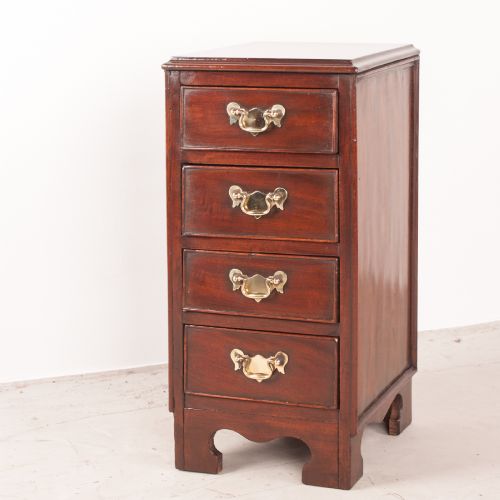
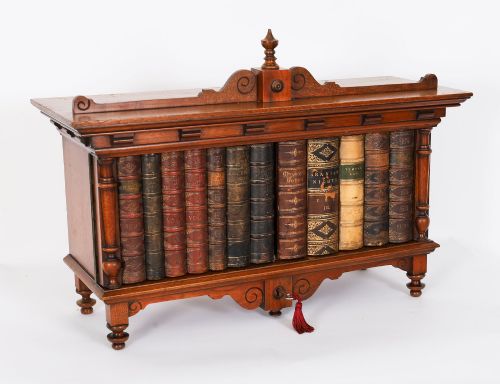
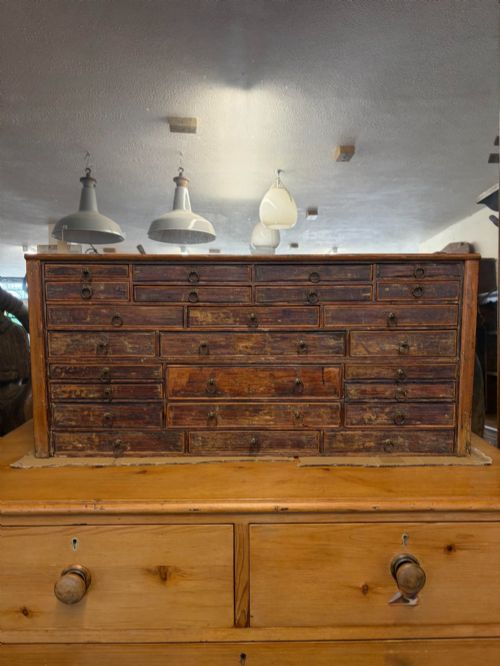
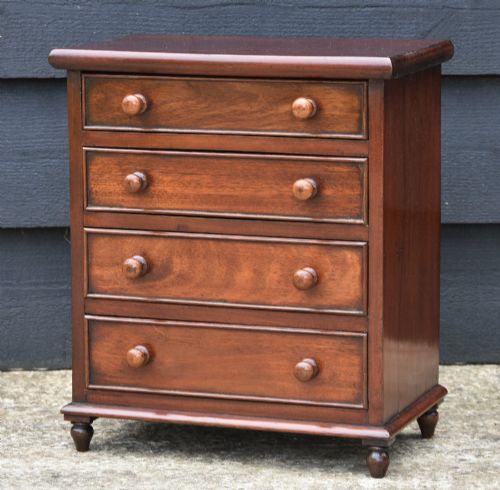
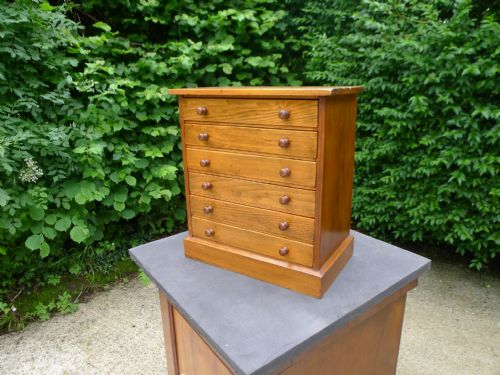
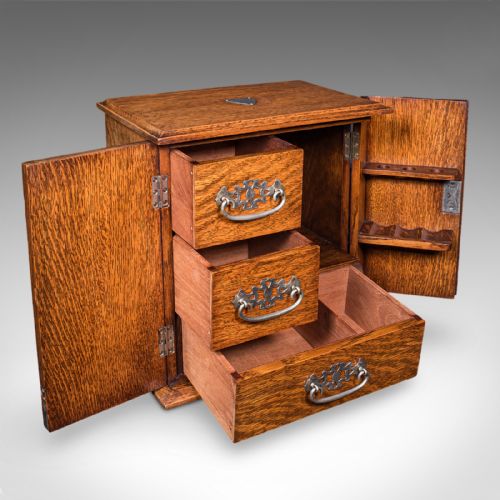
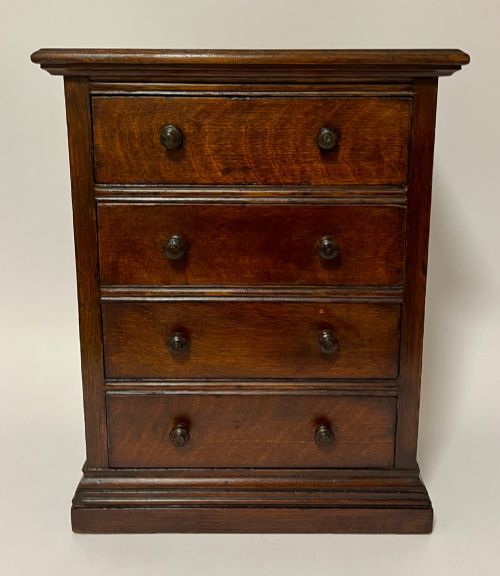
Antique tabletop storage encompasses miniature chests of drawers, collectors' cabinets, spice cupboards, and specialised boxes intended for desks and tabletops. These pieces originate from domestic, professional, and scientific settings, serving households, doctors, watchmakers, and naturalists.
Materials and Construction
Cabinet-makers relied heavily on hardwoods such as oak, mahogany, walnut, and satinwood, alongside softer timbers like pine and fruitwood for secondary or regional work. Selected pieces incorporate decorative elements such as burr elm veneer, inlay, and tortoiseshell, mounted with brass handles and hinges.
Construction techniques follow traditional joinery methods suited to miniature and small-scale furniture, including dovetailed drawer construction, panelled doors, and fitted interior partitions designed to secure delicate items.
Listings feature oak, mahogany, walnut, and pine across periods spanning from the seventeenth century through to the 1930s.
Assessing Standard and Integrity
Quality in antique tabletop storage rests upon the crispness of the joinery, the selection of timber grain, and the retention of original fittings such as drawer pulls, locks, and escutcheons. Superior examples display careful proportion and harmonious timber matching across multiple drawers or panels.
The presence of original fitted interiors, whether for microscope slides, watchmaker's tools, or specimens, elevates a piece above standard domestic boxes. Alterations to drawer configurations or replaced hardware distinguish work-shop modifications from untouched survivals.
Manoah Rhodes & Sons Ltd
The Antique Tabletop Storage Glossary
- Apprentice piece
- A small-scale item demonstrating the skill required for admission to a trade guild, though many miniature chests served as functional domestic trinket drawers.
- Coffor Bach
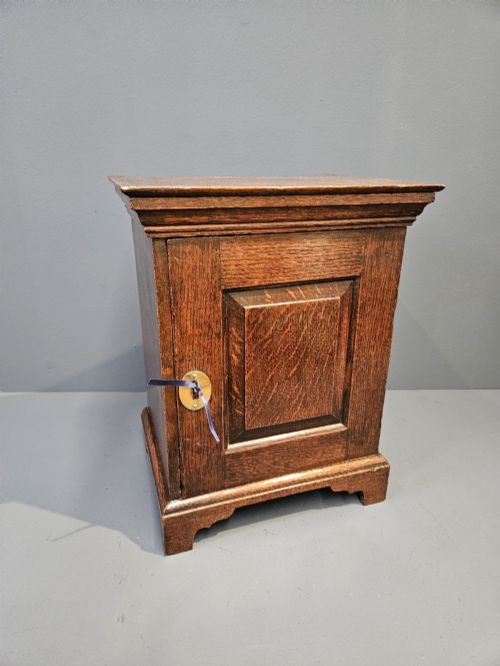
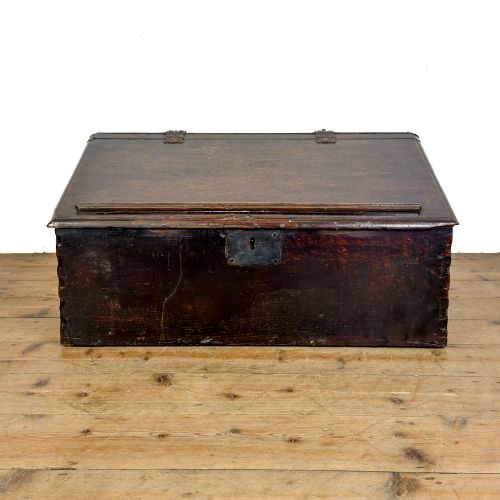
- A Welsh miniature coffer, typically constructed in oak during the eighteenth century to store valuables or linen.
- Specimen cabinet
- A multi-drawer cabinet designed to house natural history collections such as insects, minerals, or botanical samples.
- Escutcheon
- A protective plate surrounding a keyhole, usually fashioned from brass or bone and serving both a decorative and functional purpose.
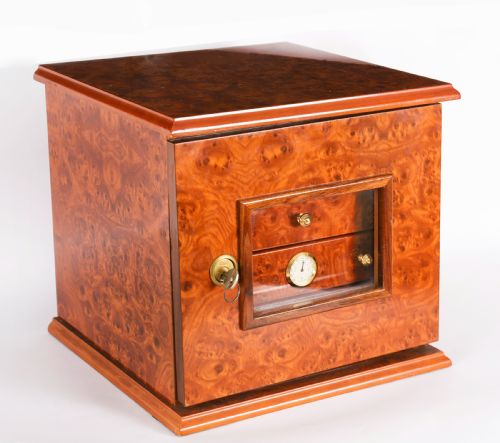
- Humidor
- A specialised storage cabinet lined to maintain humidity for the preservation of cigars.
Antique Tabletop Storage: Frequently Asked Questions
What were antique tabletop storage cabinets used for?
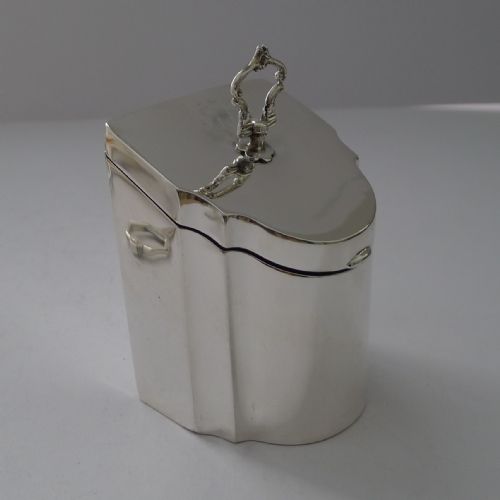
These pieces served diverse professional and domestic functions, holding everything from apothecary supplies and watchmaker's components to tea, documents, and natural history specimens. Collectors utilised them to organise small, valuable items securely on desks and counters.
Over time, many adapted from working environments into decorative display pieces within the home. Their compartmentalised interiors made them particularly suited for sorting delicate objects.
How do I identify the period of a tabletop cabinet?
Dating relies on timber choice, construction methods, and hardware styles. Eighteenth-century examples often feature solid oak with pegged joints, while Victorian pieces frequently showcase mahogany or walnut with machine-sawn elements and brass fittings.
Examining drawer linings and backboards provides further clues regarding age. Hand-cut dovetails generally indicate earlier manufacture, whereas later nineteenth-century pieces may show more standardised machining.
Where should I place a tabletop cabinet in my home?
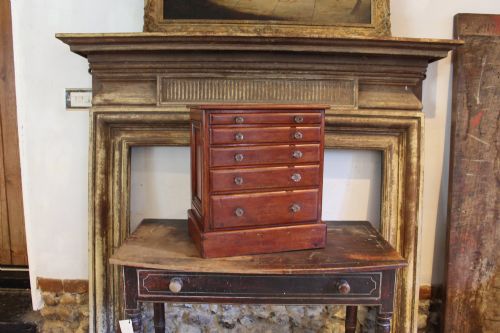
These compact pieces sit comfortably on desks, sideboards, chests of drawers, or deep window sills where their detailing can be appreciated. Their modest footprint allows them to introduce period character into smaller rooms without dominating the floor space.
Positioning them away from direct sunlight and heat sources protects vulnerable timbers and delicate veneers from drying and cracking over time.
What is an apprentice piece?
Apprentice pieces are finely made miniature items created by trainees to prove their mastery of woodworking techniques to their guild masters. In this category, miniature chests of drawers are the most commonly encountered examples.
While traditional association links them solely to training, many were also produced commercially as high-quality luxury items for storing jewellery on dressing tables.