



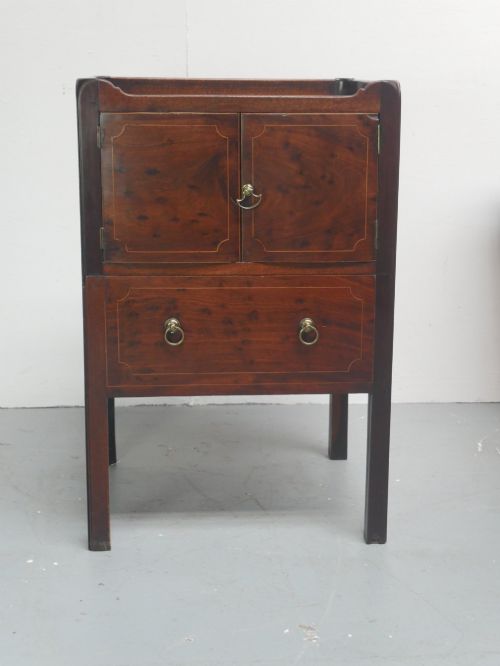
18th Century Table Cabinet
An 18th century table cabinet offers compact historical storage, bringing period mahogany and walnut craftsmanship directly to a tabletop.

18th Century Table Cabinet
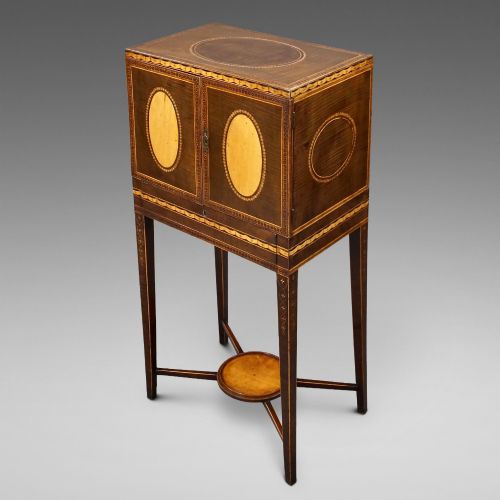
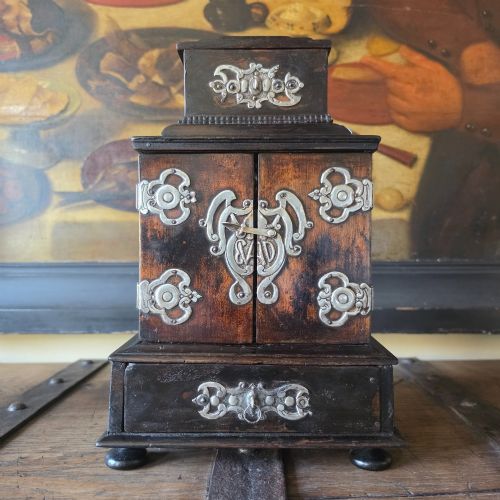
An 18th century table cabinet provides compact enclosed storage designed to sit upon a desk, chest, or table. Pieces of this scale often served specialised purposes for jewellery, papers, or precious items.
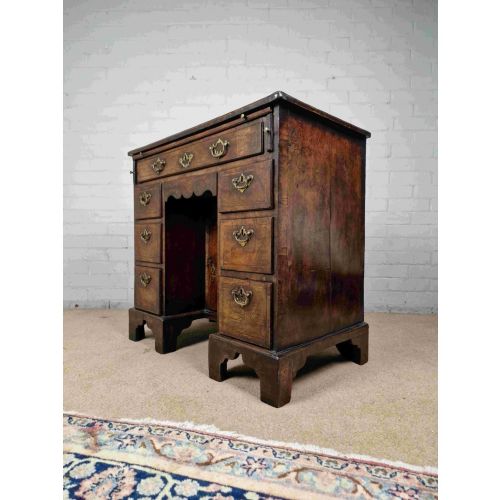
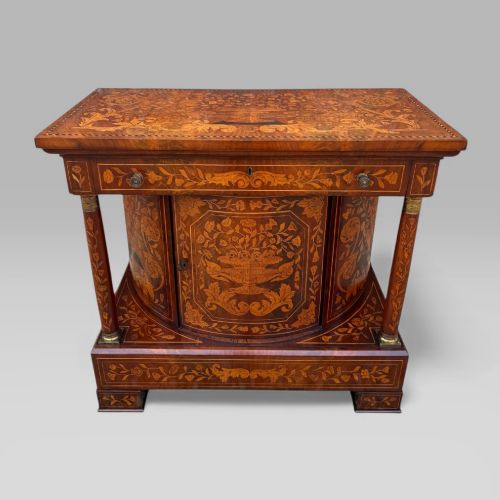
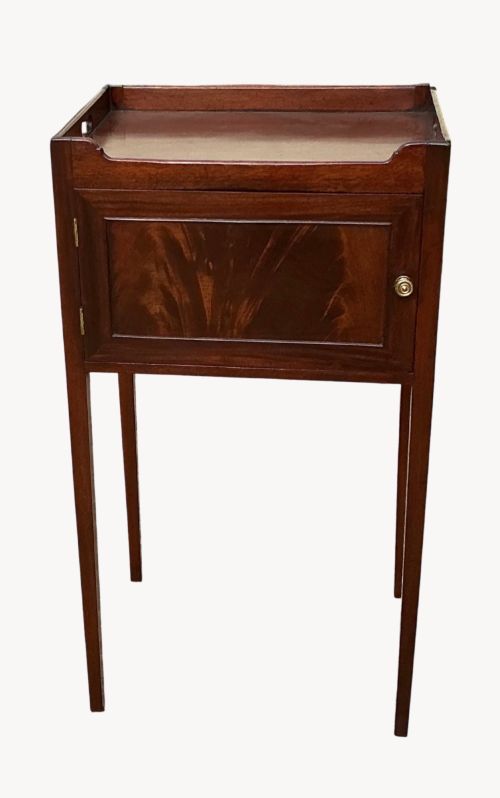
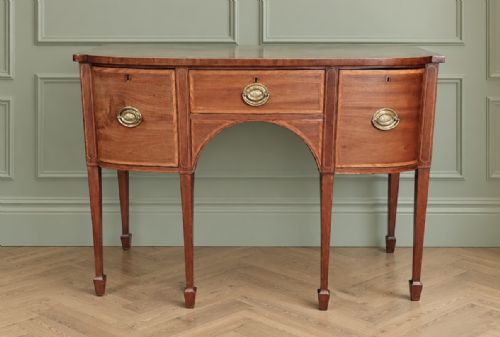
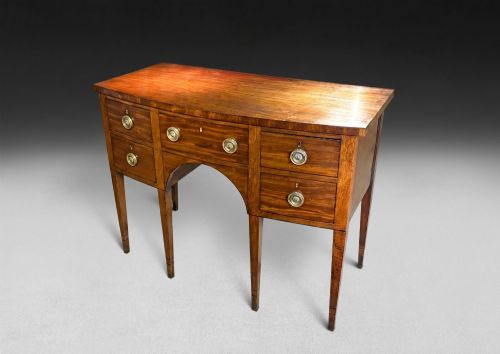
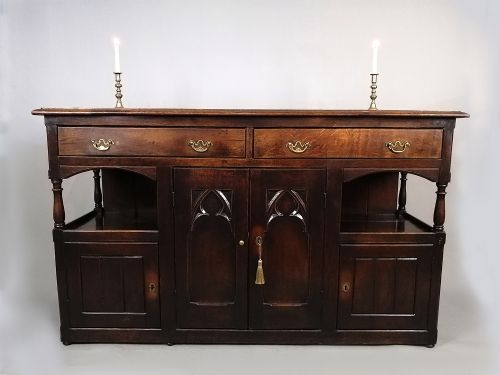
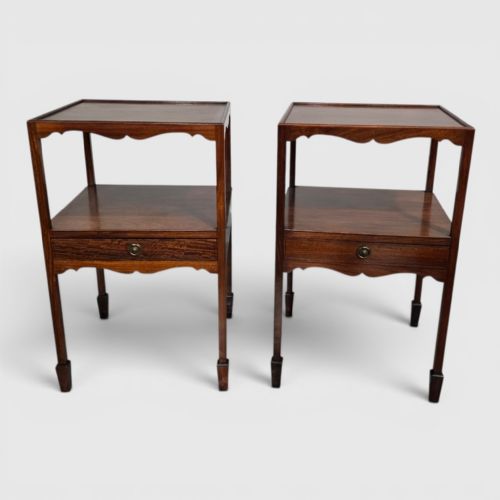
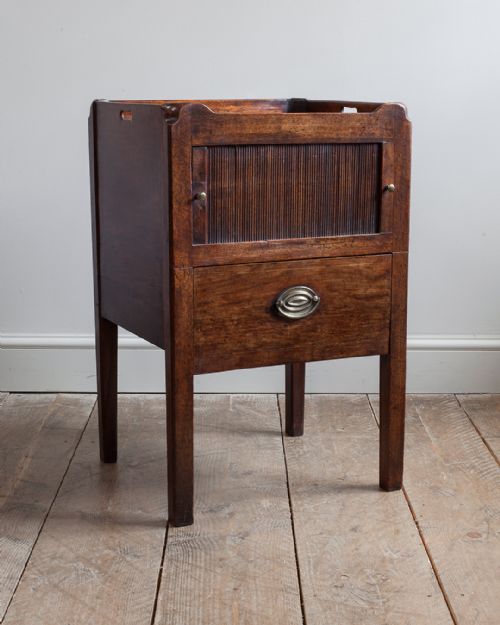
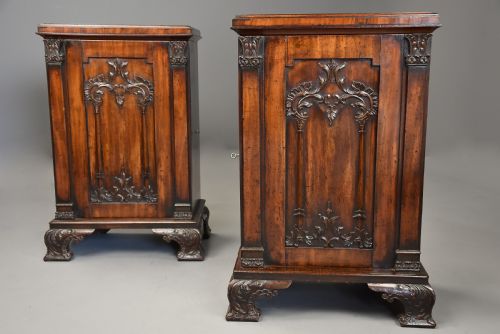
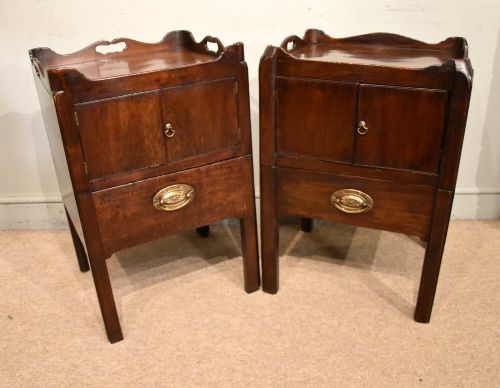
The selection on this page predominantly reflects Georgian design sensibilities alongside related bedside and small tabletop forms. Mahogany and walnut dominate the construction, occasionally complemented by marquetry or inlay work.
Buyers encounter variations ranging from simple box forms to intricate compartmentalized units. These small cabinets reflect the domestic refinements of the Georgian era.
Materials and construction
Joiners relied heavily on dense hardwoods like mahogany and walnut to build durable carcases that survived centuries of daily use. Secondary timbers like oak and elm frequently appeared in internal framing and drawer linings.
Decorative surfaces often incorporated boxwood inlay, contrasting veneers, and marquetry detailing to create visual depth. Brass fixtures provided functional hardware for hinges, locks, and carrying handles.
Some tiny compartments likely hid secret love letters from prying family members.
Assessing quality
The refinement of the timber selection and the crispness of any inlaid marquetry separate standard examples from superior pieces. Figured grain patterns and balanced proportions indicate greater care by the original cabinetmaker.
Internal organisation and the retention of original brass hardware contribute significantly to the standing of a piece. Original surfaces with honest patination carry greater authenticity than heavily restored exteriors.
The 18th Century Table Cabinet Glossary
- Marquetry
- Decorative veneer work arranged in pictorial or geometric patterns using various coloured woods. This technique adorned the surfaces of finer Continental and English cabinets.
- Mahogany
- A durable, reddish-brown tropical hardwood favored by Georgian cabinetmakers for its stability and rich grain. It remains the most common primary material found in these listings.
- Walnut
- A rich brown timber with varied grain patterns utilised extensively before mahogany gained supremacy in English furniture. Walnut pieces often display deep, warm patination.
- Boxwood
- A pale, dense wood frequently used for contrasting stringing and inlay details on darker cabinet surfaces. Its fine grain permitted intricate geometric and floral designs.
18th Century Table Cabinet: Frequently Asked Questions
Where should I place an 18th century table cabinet?
These compact cabinets sit securely on sturdy sideboards, desks, or large chests where their detail remains visible at eye level.
Keep them away from direct sunlight and strong heat sources to protect the historic timber and veneer.
What were table cabinets originally used for?
Owners stored personal documents, writing materials, jewellery, or small valuable collectibles inside these secure tabletop enclosures.
Their internal compartments kept delicate possessions organised and hidden away from dust and casual view.
How do I distinguish Georgian styles on these cabinets?
George III pieces often feature cleaner architectural lines, straight or bow fronts, and refined mahogany or satinwood veneers. Earlier examples tend to incorporate heavier walnut or elaborate marquetry.
Look at the handling of cornices and feet to align the piece with documented periods.
Are these cabinets suitable for daily use?
Historic drawers and doors operate smoothly when properly maintained, though delicate veneers require gentle handling. Treat them with care appropriate for antique wooden artefacts.
Regular dusting with a dry cloth helps preserve the polished surface without damaging the wood.