
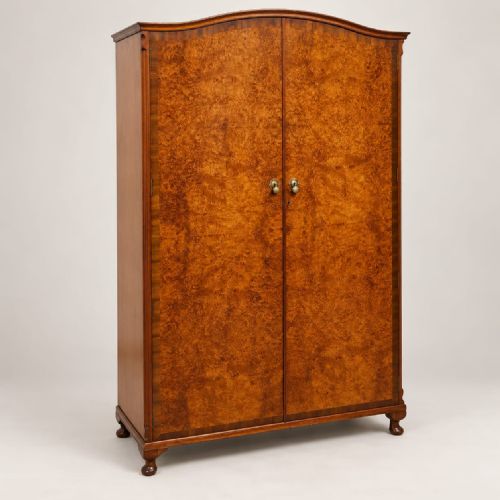
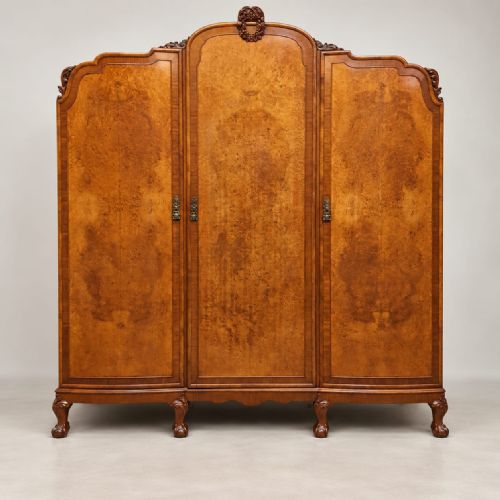
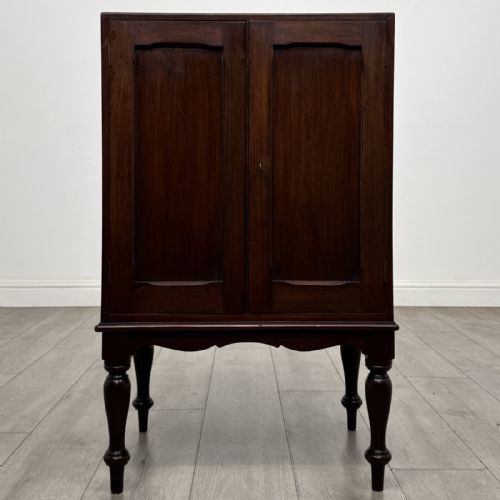
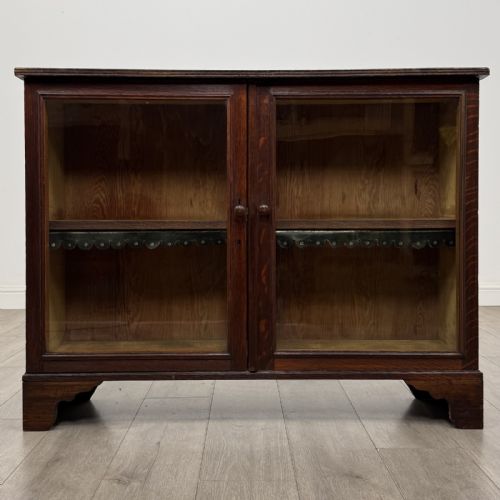
Antique Cabinet with Doors
An antique cabinet with doors offers practical storage while framing your books, china or glassware behind timber and glass.
Antique Cabinet with Doors
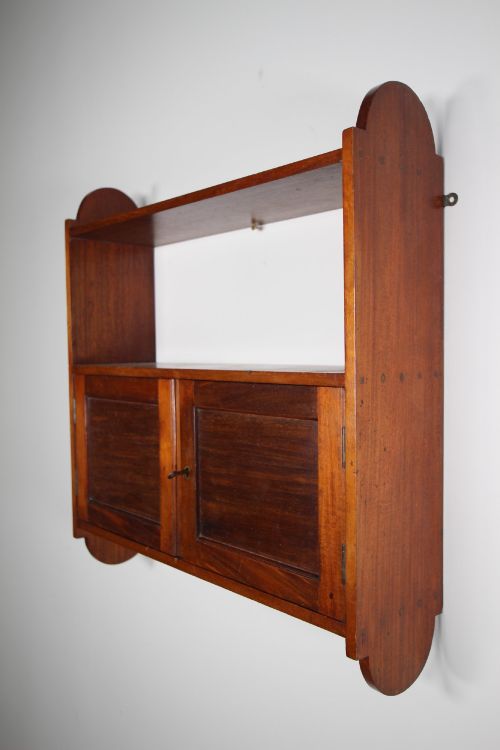
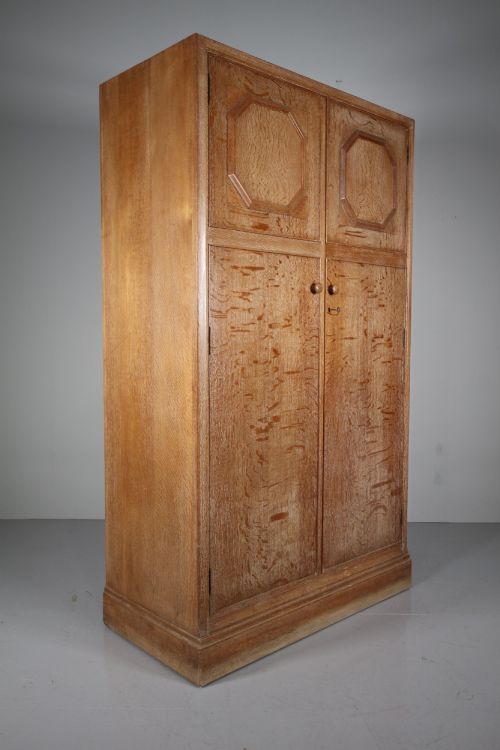
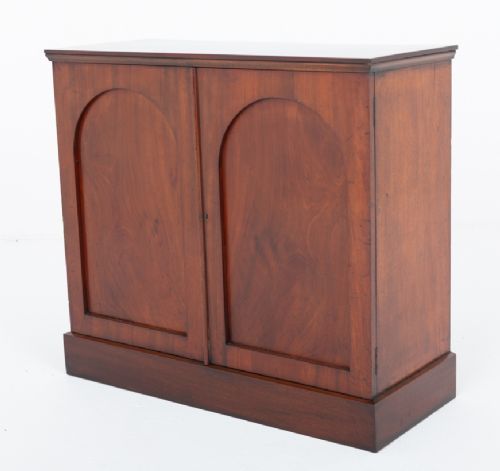
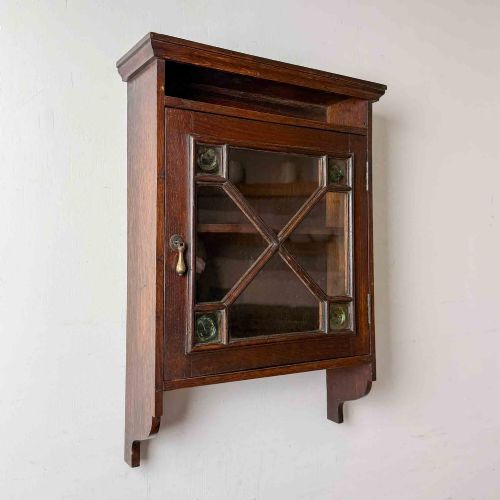
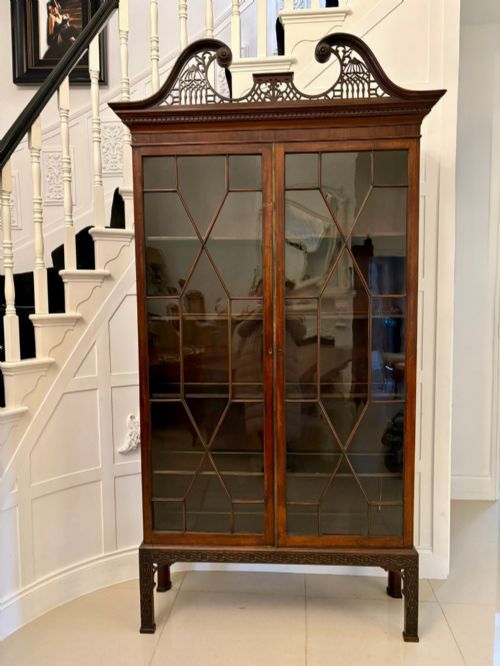
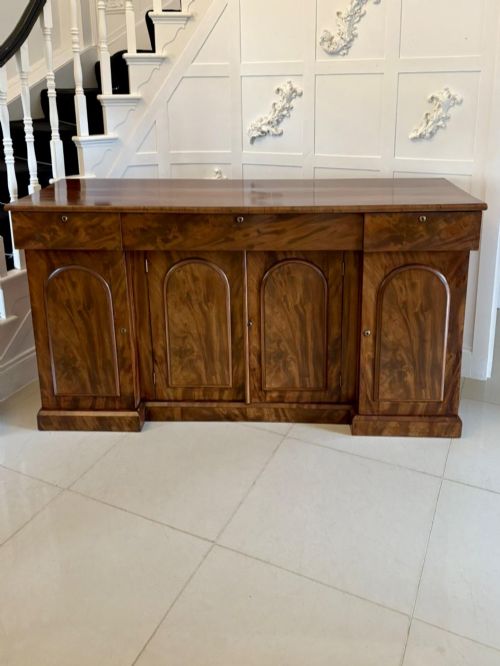
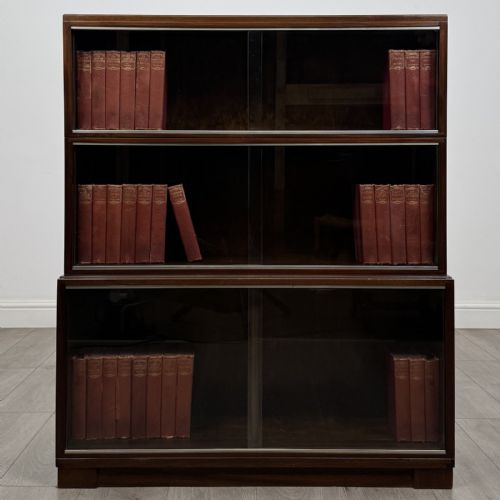
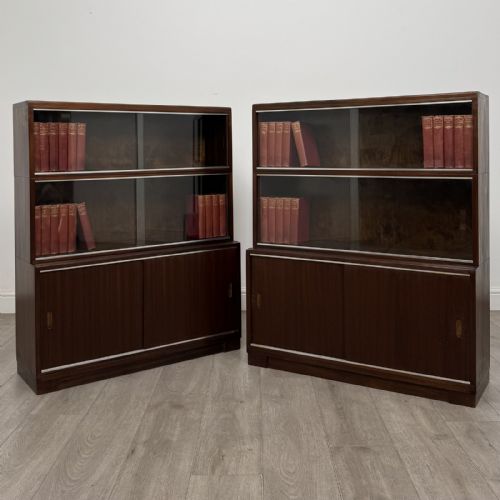
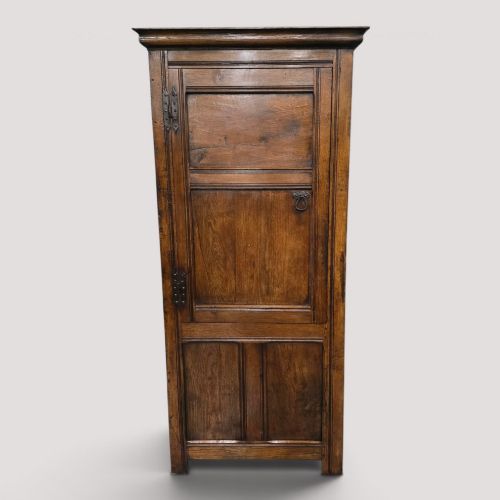
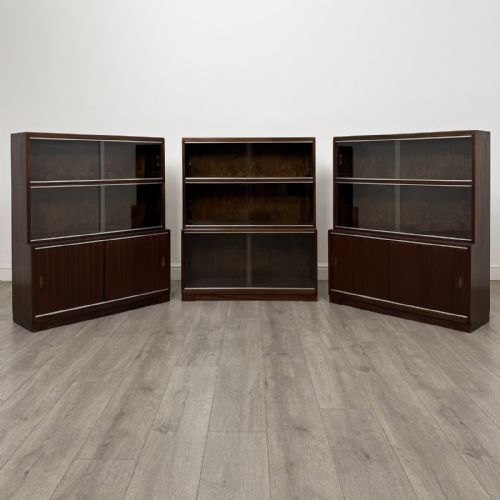
When you search for an antique cabinet with doors, you encounter a varied group of functional furniture spanning multiple centuries and stylistic revivals. The selection includes bookcases with glazed compartments, corner cupboards, chiffoniers with panelled doors, and credenzas equipped with mirrored or decorated fronts.
Victorian and Edwardian examples appear frequently alongside Georgian, Regency, and early twentieth-century pieces. These items serve primary roles in domestic settings as storage for books, display spaces for collections, or general household utility.
The origins stretch across English workshops, Scottish kitchens, French revival suites, and Dutch rooms. Each piece reflects the specific storage demands of its era, from modest oak school libraries to formal mahogany bureau bookcases.
Materials and construction
Cabinetmakers utilised robust hardwoods like mahogany, oak, and rosewood, often enhancing surfaces with burr walnut or satinwood veneers. Pine and brass appear regularly in structural framing and hardware components.
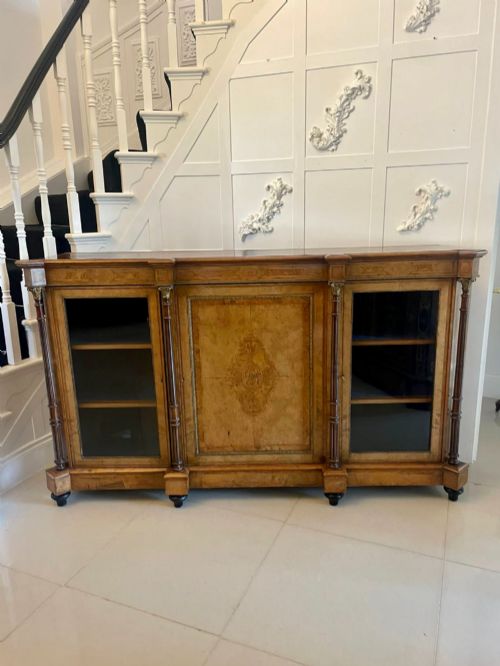
Glazing techniques incorporate timber bars to secure glass panes within door frames, while marquetry, ormolu mounts, and hand-painted panels provide decorative surface enrichment on formal pieces.
One recorded Dutch cabinet arrived ready on its own stand, proving that furniture makers loved a raised platform just as much as modern designers.
Craftsmanship and proportion
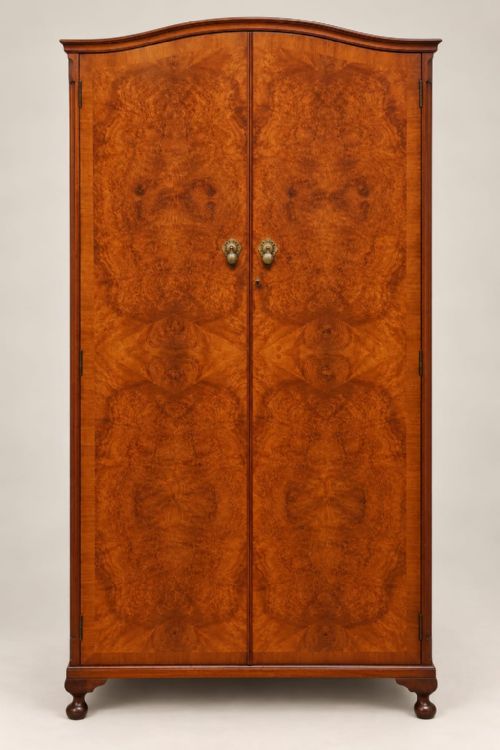
Superior pieces display careful selection of figured timber veneers, ensuring grain patterns match symmetrically across doors and drawer fronts. Finely cut astragal glazing bars and integrated brass locks distinguish high-grade production from utility items.
Proportion and structural integrity separate workshop output. Well-executed corner joints, stable shelving arrangements, and original brass hardware indicate meticulous attention during manufacture.
Gillows
The Antique Cabinet with Doors Glossary
- Astragal
- A small moulding profile used to divide panes of glass within a door frame. These slender wooden bars create the geometric grid pattern seen on many glazed bookcases.
- Chiffonier
- A low sideboard or cabinet featuring enclosed cupboards beneath a surface or tier. They became popular during the Regency and Victorian periods for storing tableware or linens.
- Credenza
- A decorative cabinet typically featuring doors and placed against a wall. Victorian examples often incorporate mirrored doors and ormolu mounts for formal drawing rooms.
- Ormolu
- Gilt bronze mounts applied as decorative ornaments to furniture surfaces. French and high-status English cabinets frequently utilise these cast details around panels and feet.
- Secretaire
- A desk form incorporating a drop-front writing surface concealed behind a door or drawer flap. They often combine a writing compartment with upper bookcase shelving.
Antique Cabinet with Doors: Frequently Asked Questions
What fits inside these cabinets?
These pieces accommodate books, tableware, glassware, and household linens behind their enclosed doors. Adjustable shelving in many bookcase variants allows for varied item heights.
Larger credenzas and chiffoniers provide deeper enclosed space for dining room storage, while smaller bedside cupboards suit compact domestic accessories.
How do I date an antique cabinet?
Dating relies on observing timber choices, construction methods, and prevailing decorative styles across different periods. Georgian and Regency pieces favour solid mahogany or rosewood with hand-cut dovetails, while Edwardian items often exhibit machine-prepared elements and satinwood finishes.
Hardware styles, glass clarity, and secondary woods like pine or oak hidden inside provide further clues to the decade of manufacture.
Are the shelves adjustable?
Many bookcases and display cabinets from the Victorian and Edwardian eras feature adjustable shelving systems. These utilise wooden ratchets or metal track supports inside the cupboard.
Earlier Georgian and Regency pieces occasionally feature fixed shelving integrated directly into the structural carcass during initial construction.
How do I care for timber surfaces?
Maintenance involves applying quality beeswax and polishing with a soft cloth to nourish the wood grain. Avoid placing cabinets near direct heat sources or strong sunlight to prevent veneer lifting.
Regular dusting keeps carved details and ormolu mounts clean without risking moisture damage to antique polishes.