
Fitted Drawer Cabinet
A fitted drawer cabinet is a functional piece designed for sorting and storage, spanning centuries of craftsmanship.
Fitted Drawer Cabinet
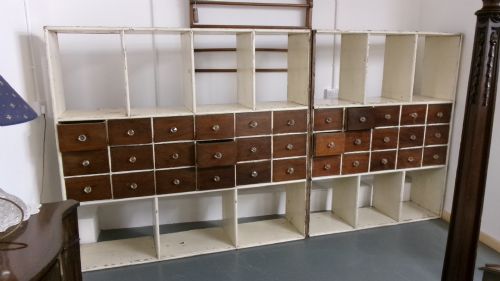
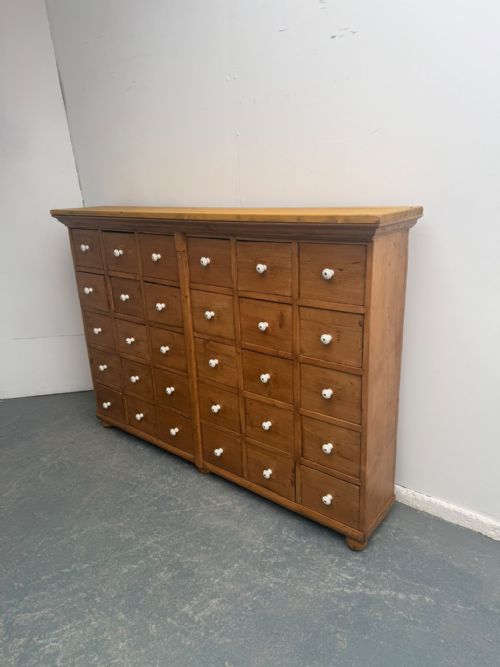
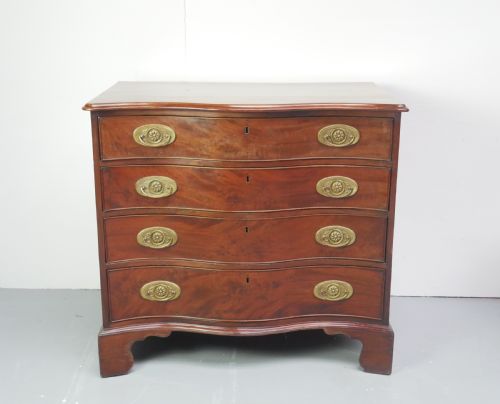
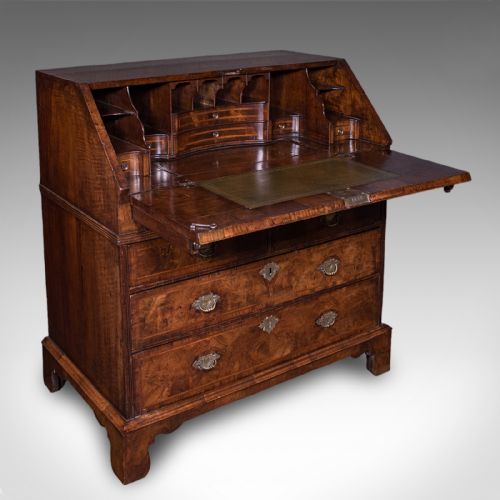
When you search for a fitted drawer cabinet, you encounter a diverse array of storage furniture ranging from large shop fittings and banks of drawers to intimate table cabinets and secretaires. The selection draws heavily from Victorian, Georgian, and 19th-century periods, alongside examples from the 1920s and 1930s.
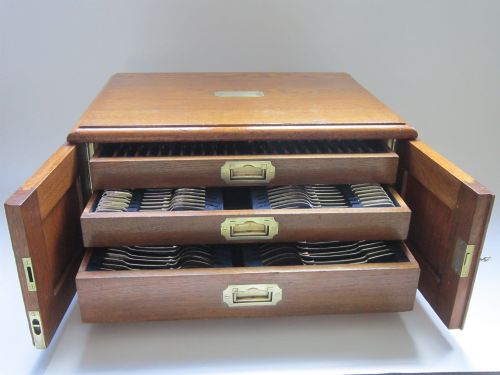
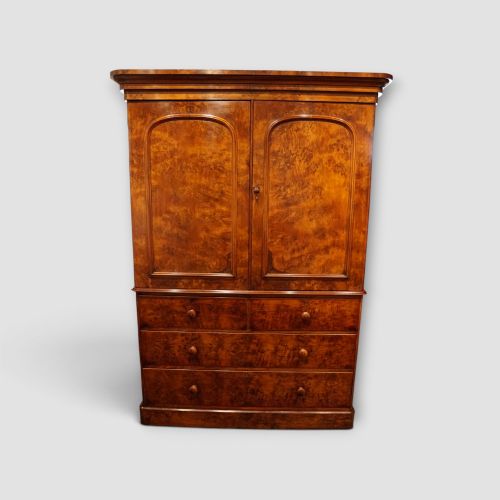
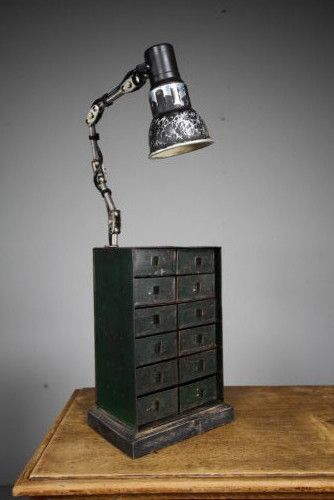
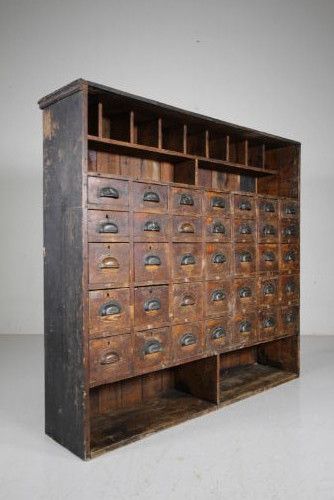
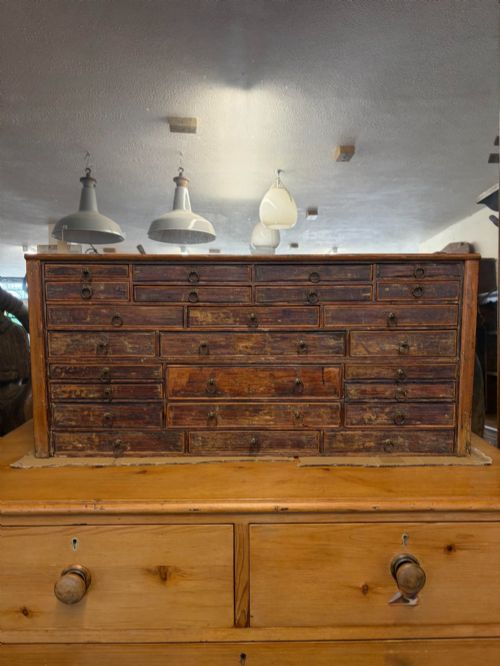
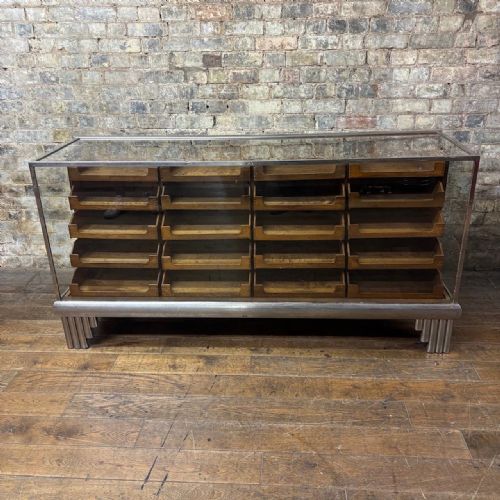
The most common forms on this page include multi-drawer banks originally used in chemists and workshops, alongside Georgian chests of drawers, tallboys, and haberdashery counters. Buyers also find specialised storage such as linen presses, canteen cases, and campaign cabinets.
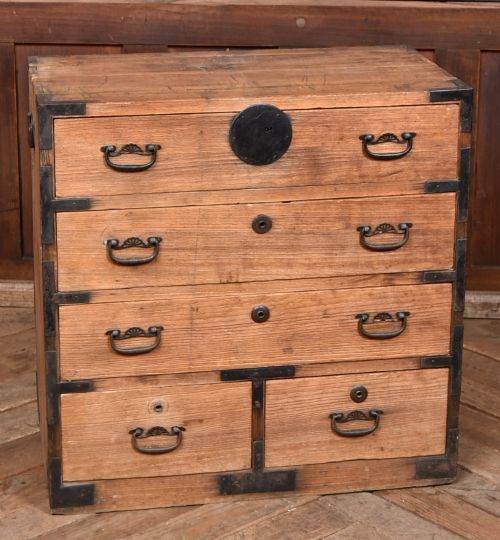
Origins stretch across English country houses and retail shops to continental workshops and Japanese tansu chests. These pieces reflect practical domestic and commercial use, often featuring internal configurations designed for specific goods like cutlery, sewing cottons, or documents.
How They Were Made
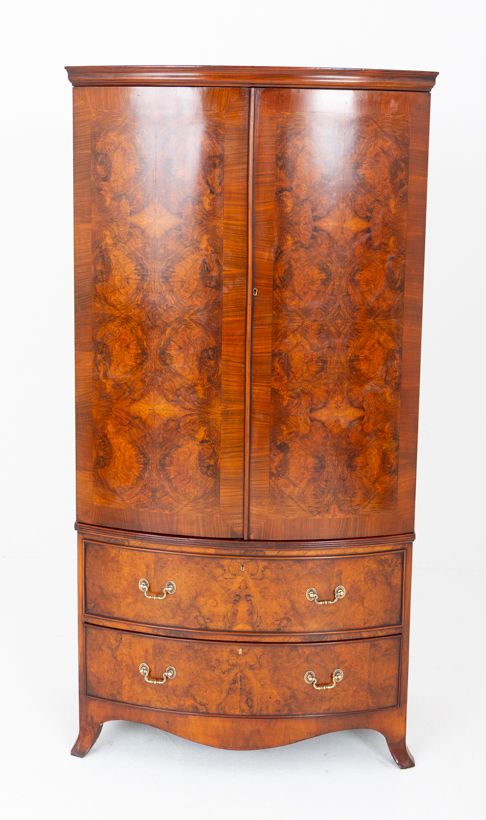
Timbers form the backbone of these pieces, with solid mahogany, walnut, burr walnut, and oak appearing frequently alongside pine for utilitarian shop fittings and cabinets. Brass handles, campaign mounts, and chrome details provide functional hardware and structural reinforcement.
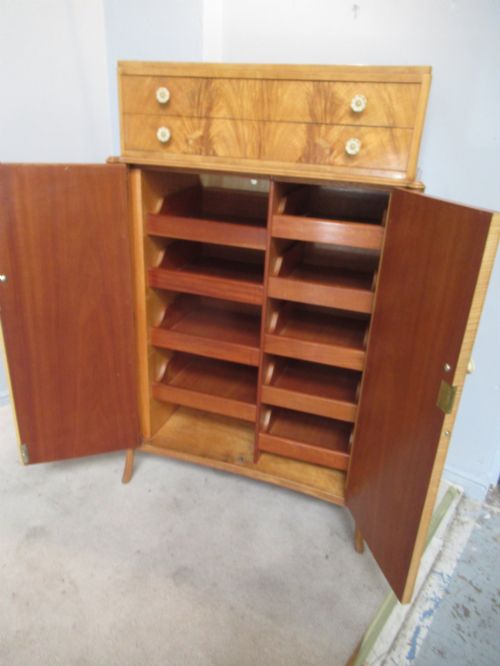
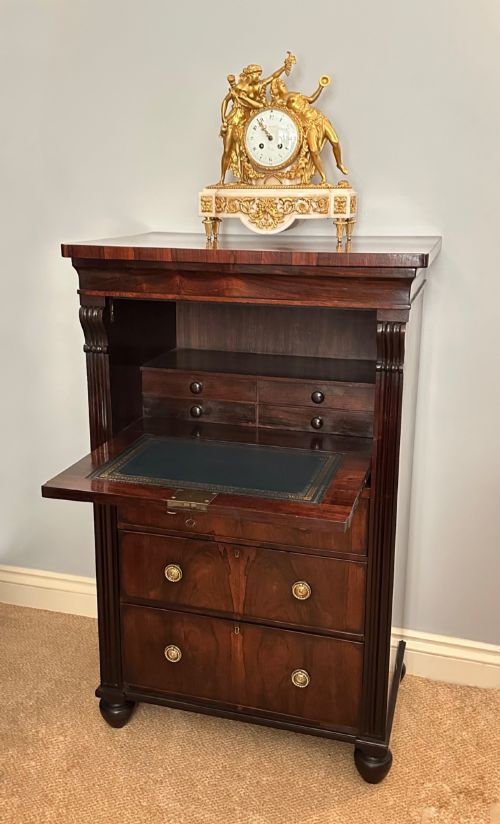
Interior fittings often incorporate leather writing surfaces, glass panels, and specialised compartments such as secret drawers, writing slides, and lift-out trays. Painted finishes in white, cream, and green appear on Hungarian pine shop pieces.
Construction techniques serve the rigorous demands of daily storage, utilising dovetailed drawer construction, fall-front mechanisms, and secure locking systems suited for everything from jeweler's supplies to merchant records.
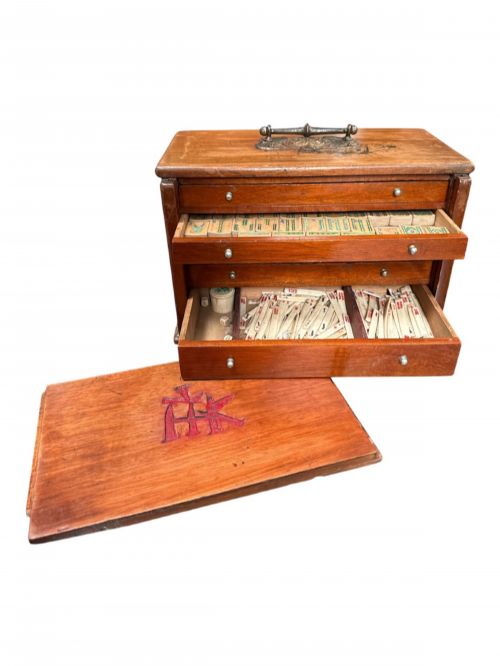
One Chinese mahjong set arrives tucked inside its own fitted wooden cabinet, ready for an impromptu game.
What Varies in Quality
Quality rests in the integrity of the timber selection and the precision of the internal drawer fitting, where dense burr walnut or figured mahogany denotes a higher tier of production than utilitarian pine.
Original hardware, working locks with keys, and untouched painted surfaces or polished patination elevate a piece above later replacements or heavy restorations.
The complexity of the interior arrangement, such as numerous small chemist drawers or integrated secretaire desks with pigeonholes, separates standard storage from superior craftsmanship.
Luxmore's of Ilfracombe·Dudley & Co·Maple & Co
The Fitted Drawer Cabinet Glossary
- Secretaire
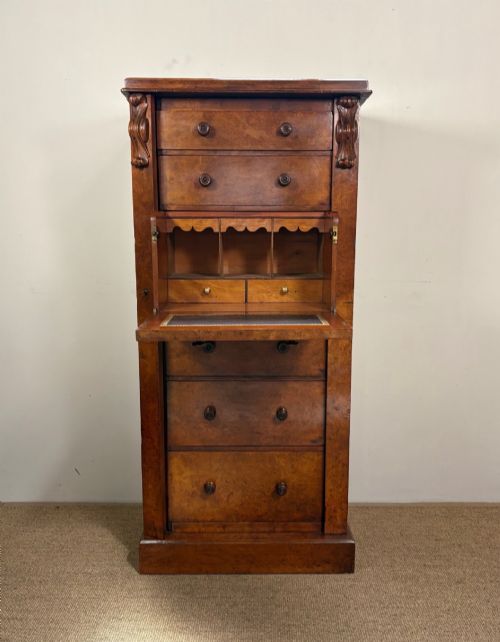
- A cabinet or chest featuring a pull-down desk drawer concealing a fitted interior of small drawers and pigeonholes. This hybrid form combines writing utility with general drawer storage.
- Tallboy
- A tall chest of drawers standing on another chest or a frame, maximising vertical storage space. Georgian and 18th-century examples frequently utilise this proportion.
- Haberdashery Cabinet
- A shop display unit with multiple shallow drawers, often featuring glass fronts or counters. These pieces were built for organising small textiles and sewing accessories.
- Campaign Cabinet
- Portable military furniture designed for transport, constructed with recessed brass hardware and carrying handles. These items were built to withstand active service.
- Linen Press
- A large storage cabinet containing sliding trays or shelves in the upper section and deeper drawers below. They were traditionally used for storing household textiles.
- Tansu
- Traditional Japanese mobile storage cabinetry featuring exposed metal fittings and multiple internal compartments. These chests prioritize robust organisation and portability.
Fitted Drawer Cabinet: Frequently Asked Questions
What were fitted drawer cabinets used for?
These cabinets served diverse practical functions in homes, offices, and retail shops. They organised documents, cutlery, haberdashery goods, and merchant stock.
Many pieces were tailored for specific trades, such as chemist shop fittings or jeweler's chests. Others provided secure domestic storage for writing materials and linens.
How do I date a wooden cabinet?
Dating relies on examining timber species, construction methods like dovetailing, and the style of hardware. Georgian pieces often feature figured mahogany and bracket feet, while Victorian examples introduce heavier proportions.
Secondary woods, backboards, and fastener types also offer clues. Cabinetmakers changed their methods gradually across the 18th, 19th, and early 20th centuries.
Where should I place a large bank of drawers?
Large banks of drawers and shop fittings require adequate wall space and sturdy floor support due to their substantial timber construction. They anchor a room effectively in a home office, kitchen, or hallway.
Ensure clearance for drawers to pull out fully without obstruction. Their utilitarian character suits both traditional country houses and contemporary industrial interiors.