

Antique Swiss Black Forest
When you handle antique swiss black forest carvings, you touch a tradition of alpine animal and figure sculpture that transforms domestic spaces.

Antique Swiss Black Forest
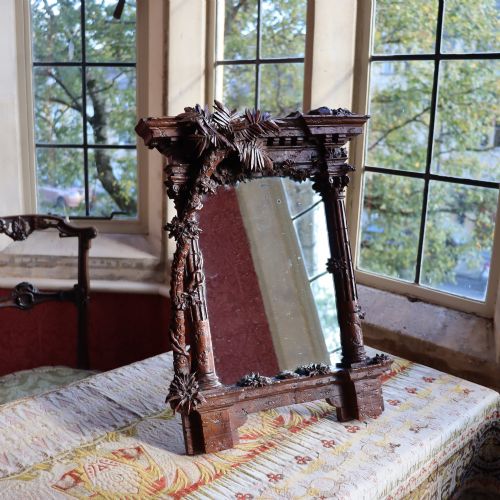
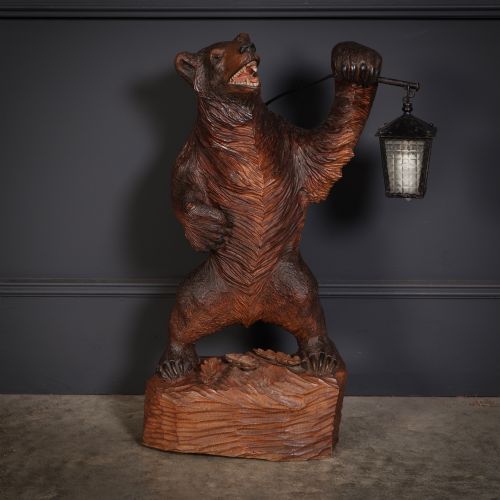
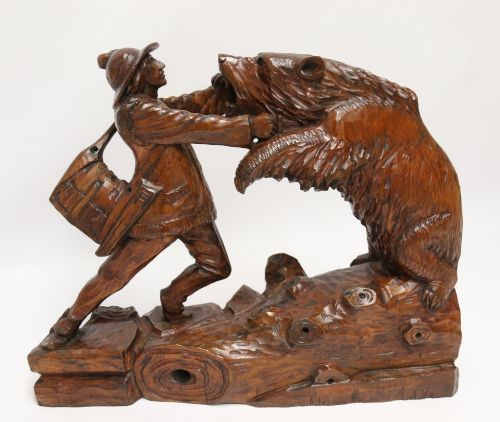
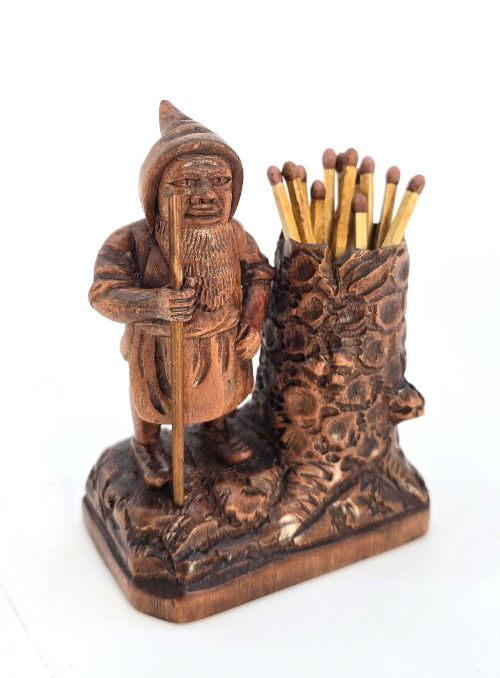
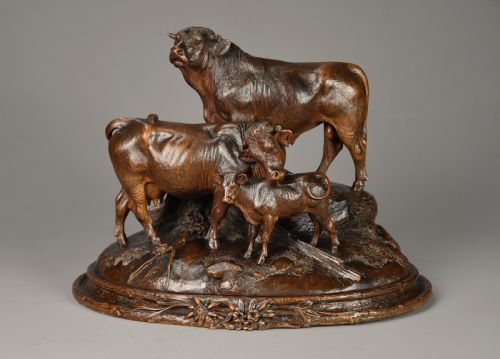
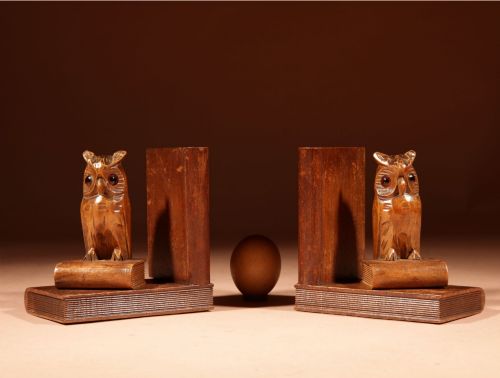
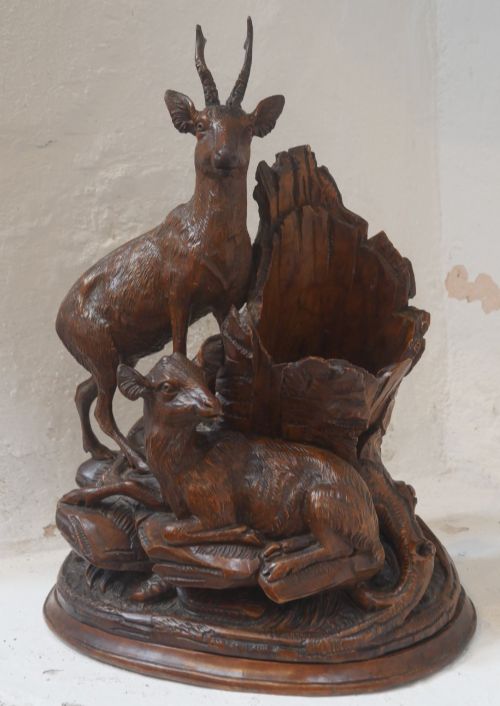
These items comprise carved wooden sculptures, utility objects and furniture originating from the nineteenth and early twentieth centuries in Switzerland and the wider Black Forest region. The typical antique swiss black forest piece takes the form of bears, owls, deer, dogs, or mountain goats integrated into bookends, hall stands, tobacco holders, and mirrors.
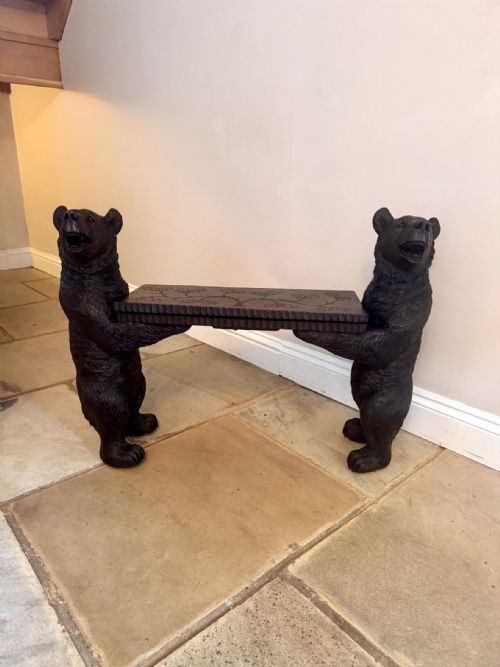
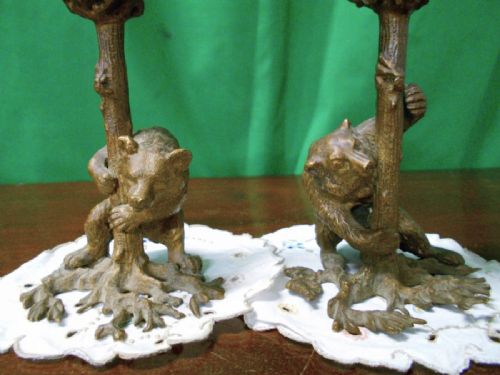
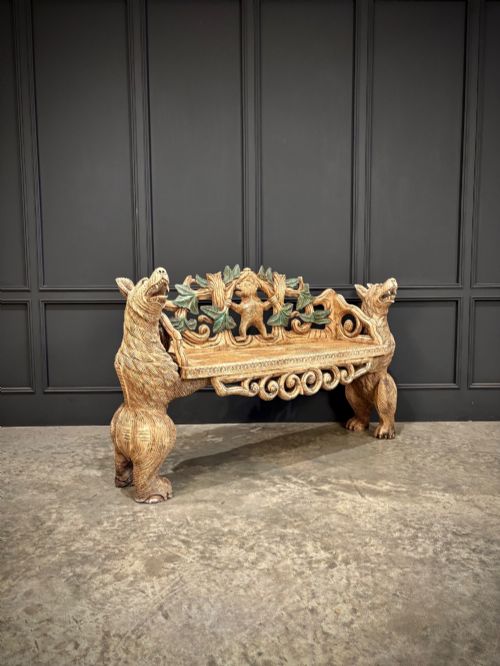
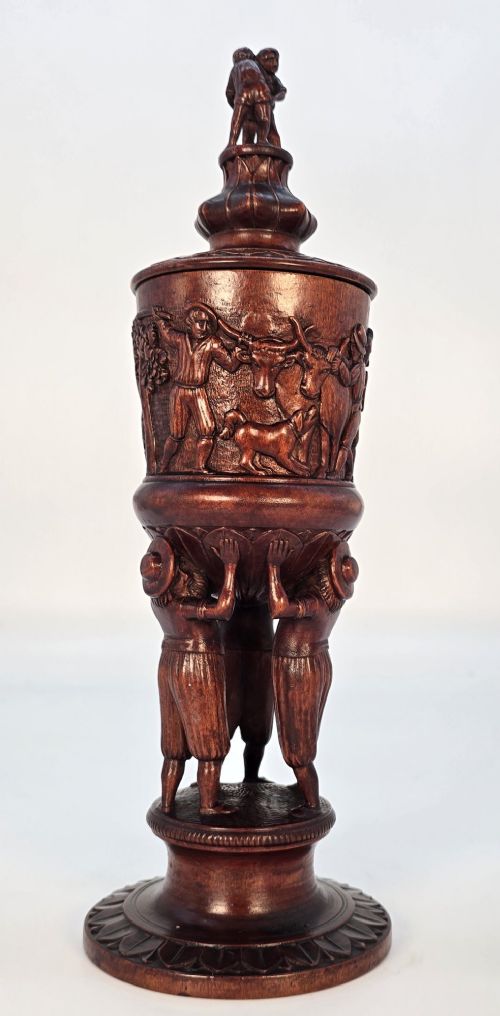
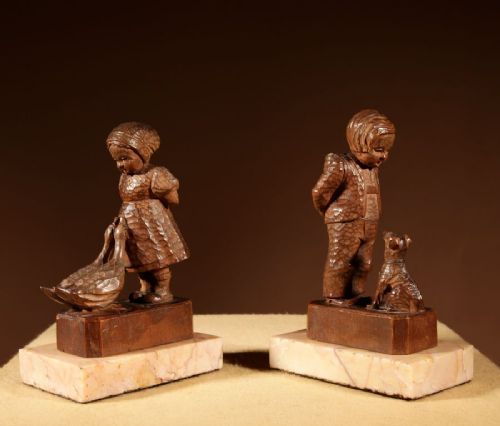
Buyers meet animal figures most frequently on this page, particularly bears engaged in human activities such as holding trays, standing as stick stands, or sitting on benches. Alongside these animal carvings, the listings include occasional tables, lidded chalices, barometers, and intricately detailed figure groups depicting human subjects like medieval dancers or musicians.
How they were made
Carvers utilised soft timbers, principally linden wood, lime wood, and walnut, which permitted deep, realistic undercut detailing and expression. Woodcarvers shaped these materials using specialised gouges and chisels to render fur textures, anatomical accuracy, and foliage before finishing the surfaces with wax or polish.
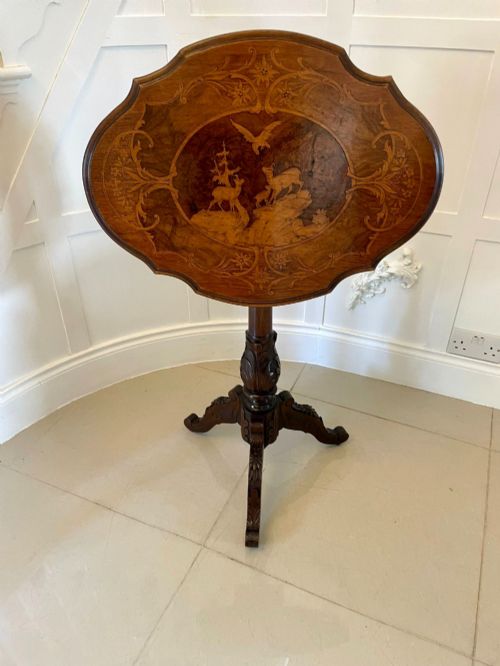
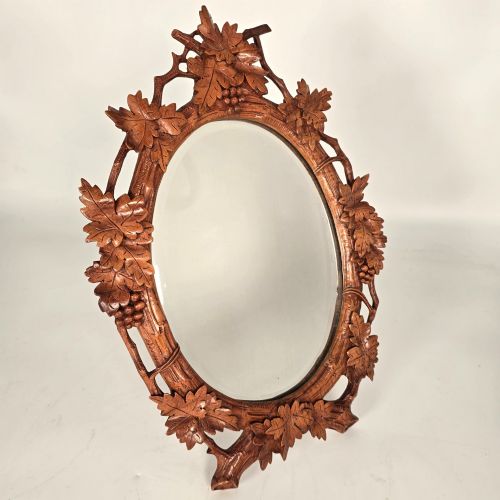
Selected items incorporated functional elements of metal and glass, such as brass candle sockets, mirrored glass plates for wall mirrors, and metal match strikers or inkwells. Marquetry inlay occasionally decorated the flat surfaces of tables, combining different wood species to create geometric or pictorial motifs.
Antique Swiss Black Forest Retail Price Guide 2026
Typical asking prices for swiss black forest among the pieces listed under this phrase on Sellingantiques today, from the lower quarter to the upper quarter. They describe what is for sale here now, not the wider market.
What varies in quality
Quality rests on the vitality and anatomical precision of the carving, distinguishing lifelike musculature and expressive animal faces from stiff, mechanical reproductions. Superior examples display depth and ambition in the composition, such as complex multi-figure deer groups or bears with fully articulated glass eyes.
The choice and handling of the timber also separate standard work from the finest pieces, with clear grain definition, minimal splitting, and crisp tool work indicating skilled execution. Signature marks or stamps from known carvers elevate certain items, while workshop output without attribution relies entirely on the vigour of the carving itself.
J HUGGLER
The Antique Swiss Black Forest Glossary
- Linden wood
- A pale, fine-grained timber favored by nineteenth-century carvers for its cooperative texture and lack of prominent grain. It allows for intricate, deep-relief carving without splintering.
- Marquetry
- The art of applying small pieces of veneer to a structure to form decorative patterns. In these collections, it frequently appears on tabletop surfaces alongside the carved elements.
- Stick stand
- A hall furniture item designed to hold umbrellas and walking canes. Many examples use carved bear figures clasping a hollow tree trunk or barrel.
- Brienz
- A Swiss village renowned for its woodcarving school and tradition. Pieces originating from this centre often exhibit exceptional regional craftsmanship and distinct subject matter.
Antique Swiss Black Forest: Frequently Asked Questions
What animals appear most often?
Bears dominate the sculptural output, appearing as single figures, bench supports, and hall stand figures holding card trays or umbrellas. Other frequent subjects include owls, stags, chamois, dogs, and foxes.
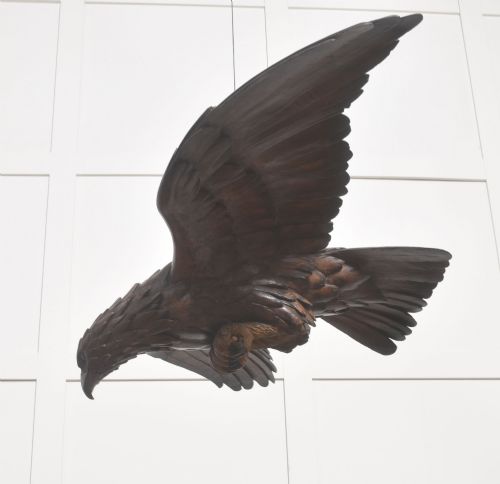
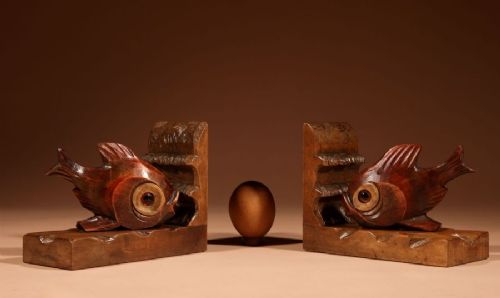
Carvers also portrayed smaller wildlife and birds, such as eagles and goldfish, integrated into bookends, inkwells, and wall mirrors.
How were these items used originally?
These carved objects served both decorative and practical domestic functions in Victorian and Edwardian homes. Items ranged from large hall furniture like umbrella stands and centre tables to desktop accessories such as letter racks, stamp boxes, and pipe holders.
Larger sculptures functioned as standalone ornaments, while mirrors and wall brackets brought alpine motifs into hallways and parlours.
How do I care for carved wood?
Keep wooden carvings away from direct heat sources, radiators, and strong sunlight to prevent the timber from drying out and cracking. Maintain a stable indoor humidity where possible.
Dust the intricate recesses regularly with a soft, dry brush and apply a microcrystalline wax sparingly if the surface appears dry.
How can I tell the period?
Examine the materials, hardware, and style conventions to narrow down the era of manufacture. Pieces from the nineteenth century often feature hand-forged or early brass fittings, deep limewood carving, and traditional regional motifs.
Later items extending into the twentieth century sometimes show simpler execution, machine assistance in preparation, or specific dated signatures on the wood.