



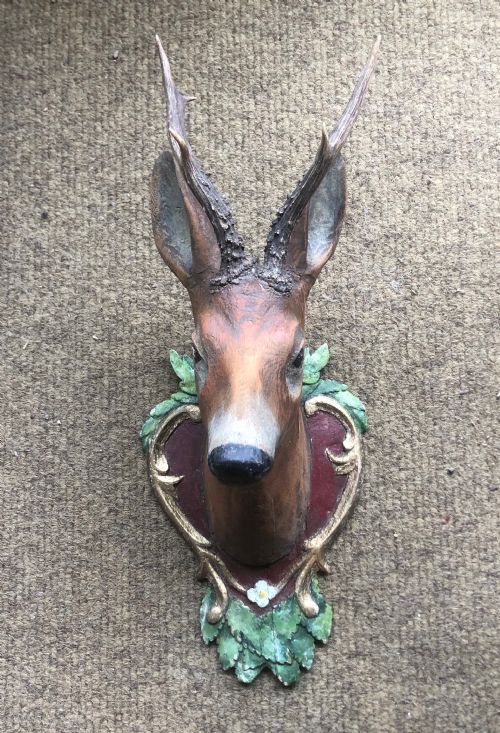
Brown Carved Wooden Deer
Brown carved wooden deer bring rustic character to an interior, combining natural antler with skilled woodwork.

Brown Carved Wooden Deer
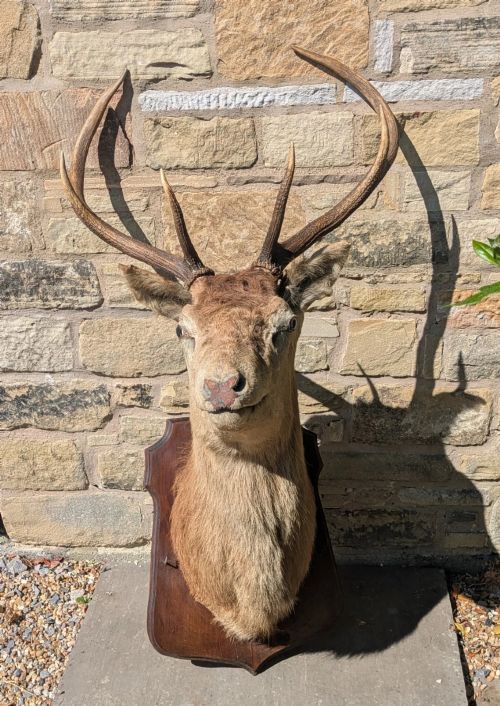
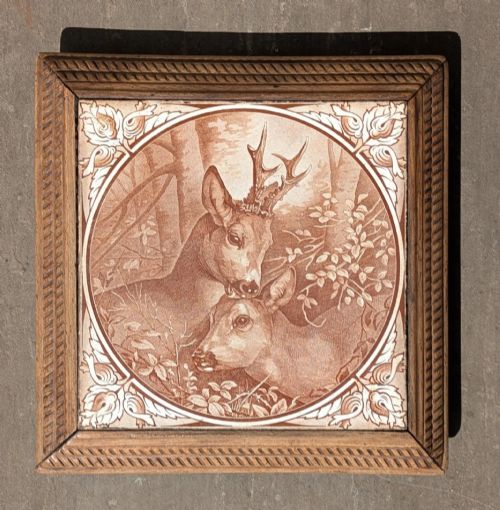
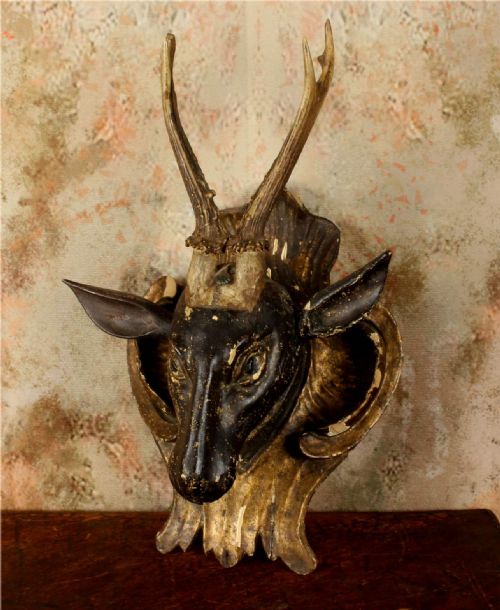
When you search for brown carved wooden deer, you encounter sculptural pieces spanning the nineteenth and early twentieth centuries. These works include Black Forest studies, folk art figures, and taxidermy mounts with carved wooden shields.
How they were made
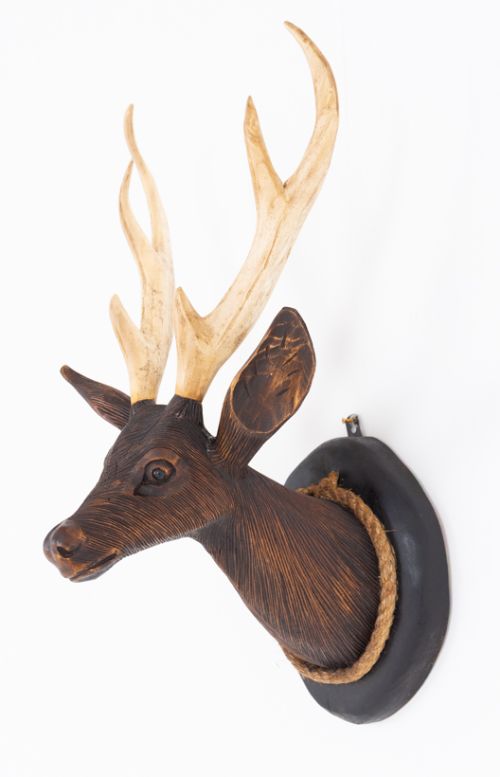
Carvers utilised native timbers such as oak, walnut, lime wood, and general carved wood to shape the animals and their mounting shields. Many examples incorporate natural red deer or roe deer antler, joined securely to the wooden forms.
Surface finishes include plain polished wood and occasional painted details, alongside traditional taxidermy preparation for the mounted heads. Workshops in the Black Forest and other European regions employed hand-chiselling techniques to render realistic musculature and fur texture.
Brown Carved Wooden Deer Retail Price Guide 2026
Typical asking prices for brown carved wooden deer among the pieces listed under this phrase on Sellingantiques today, from the lower quarter to the upper quarter. They describe what is for sale here now, not the wider market.
A lifesize carved wood antelope stands ready among the deer, proving that nineteenth-century carvers occasionally let their imaginations wander far beyond the local forest.
What varies in quality
The standard of a brown carved wooden deer rests upon the anatomical accuracy and expression achieved by the carver. Finer pieces demonstrate lively musculature, detailed ear and eye carving, and well-proportioned antlers.
The complexity and depth of the surrounding foliage or shield carving also distinguish finer examples from simpler provincial work. Condition of the timber and the preservation of the natural antler determine the desirability of each piece.
The Brown Carved Wooden Deer Glossary
- Black Forest
- A style of wood carving originating in the Swiss and German border regions, known for realistic representations of wildlife and forest animals. Pieces often take the form of wall plaques, umbrella stands, or sculptural studies.
- Lime wood
- A pale, fine-grained timber favoured by carvers because it resists splitting and permits intricate detail. It appears frequently in nineteenth-century animal figures.
- Folk art
- Items made by traditional craftspeople or untrained artisans, often displaying charming local characteristics rather than strict academic proportions. These objects prioritise utility or direct decorative appeal.
- Taxidermy mount
- The preservation and display of an animal skin over a carved or moulded form, frequently combined here with wooden shields or wall racks. Such pieces reflect nineteenth-century interior taste.
- Stag
- An adult male deer, commonly depicted in Victorian and Highland lodge settings with full antlers. Sculptors used these subjects for both freestanding figures and imposing wall trophies.
Brown Carved Wooden Deer: Frequently Asked Questions
What periods do these pieces come from?
The pieces span the nineteenth and early twentieth centuries, covering periods like the Victorian era and the years around nineteen hundred.
Craftsmen working in European woodland traditions produced these wooden sculptures and taxidermy mounts across several decades.
How were brown carved wooden deer displayed?
Many items function as wall sculptures, hall racks, or mounted trophies designed to be hung on timber-panelled walls in hunting lodges and country homes.
Smaller studies and fawns sat upon tables, mantelpieces, or specialised wooden stands.
How do I distinguish Black Forest style?
Black Forest pieces are characterised by deep, naturalistic carving of animals, often surrounded by oak leaves, ferns, and rugged branch motifs.
Swiss and German workshops specialised in this dramatic woodland aesthetic during the nineteenth century.