


Antique Swedish Cabinet
An antique swedish cabinet brings restrained Nordic elegance into a room, offering practical storage through painted pine or figured birch.
Antique Swedish Cabinet
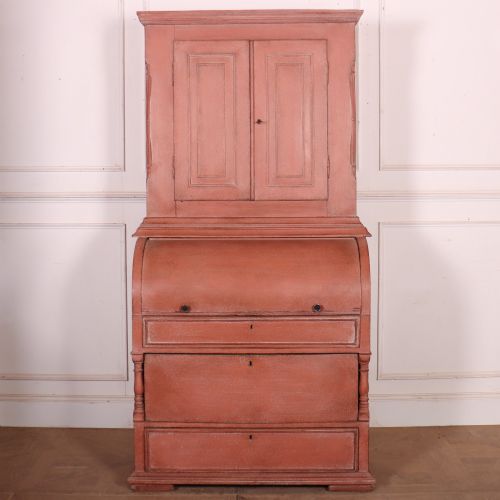
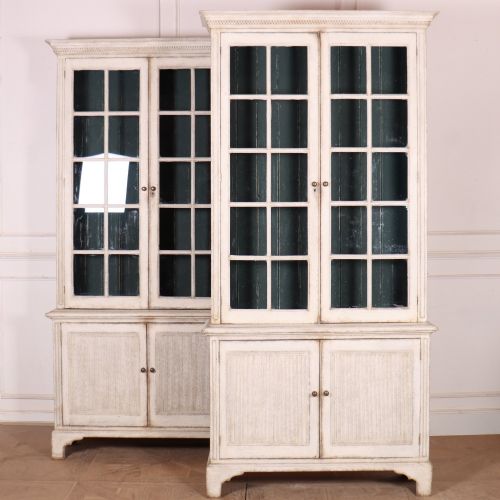
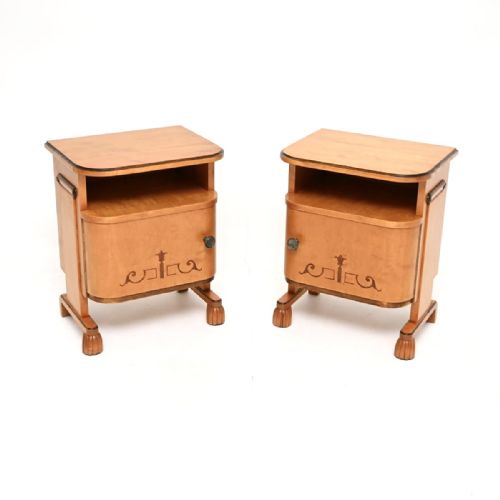
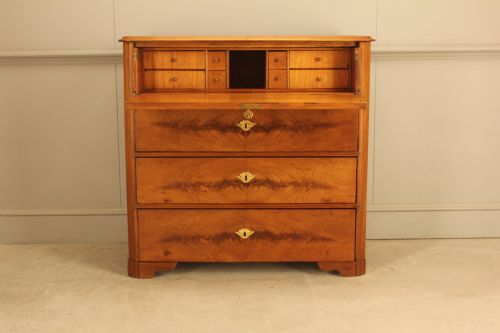
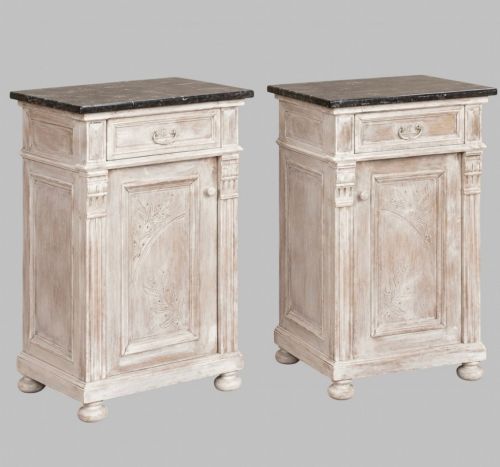
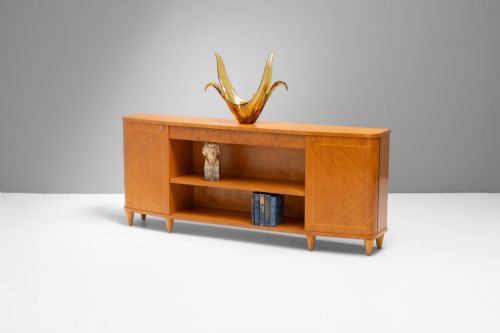
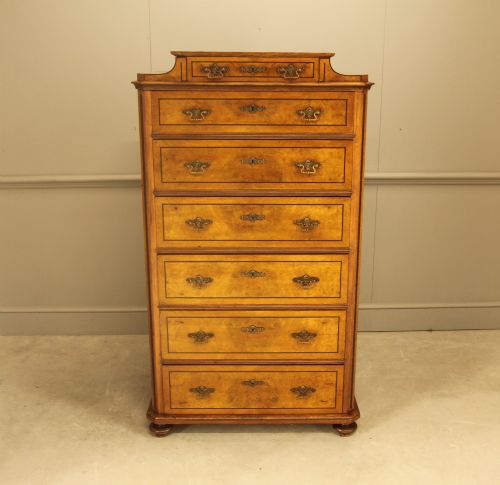
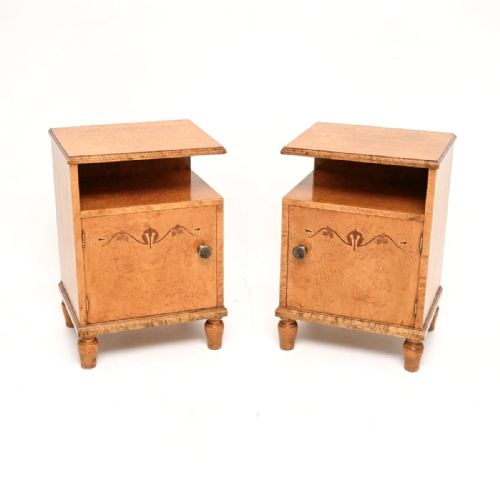
When searching for an antique swedish cabinet, buyers encounter a diverse selection of storage furniture spanning several centuries. The pieces range from rustic pine cupboards to refined satin birch secretaires and marble topped bedside cabinets.
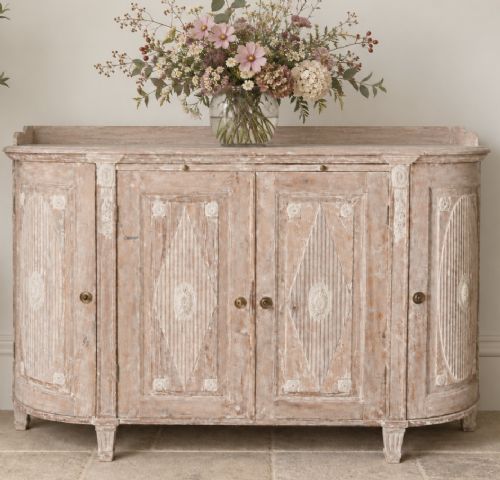
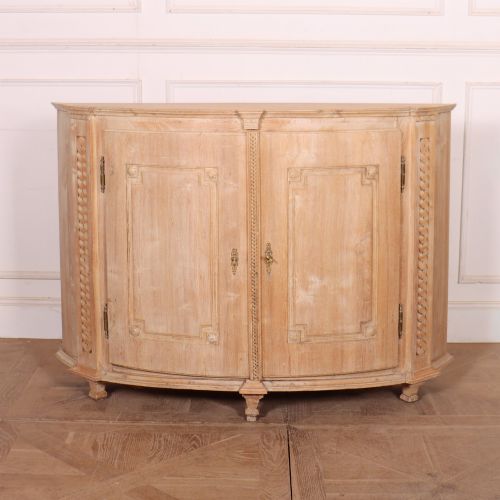
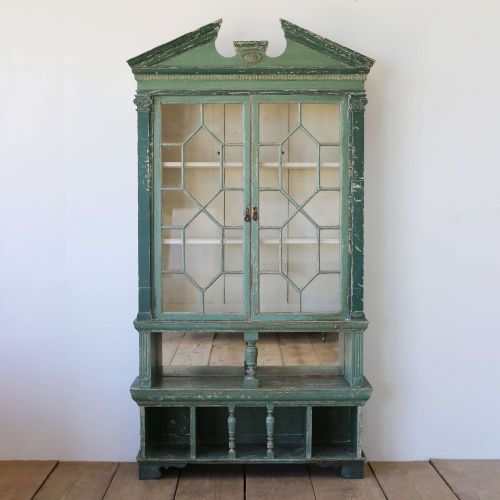
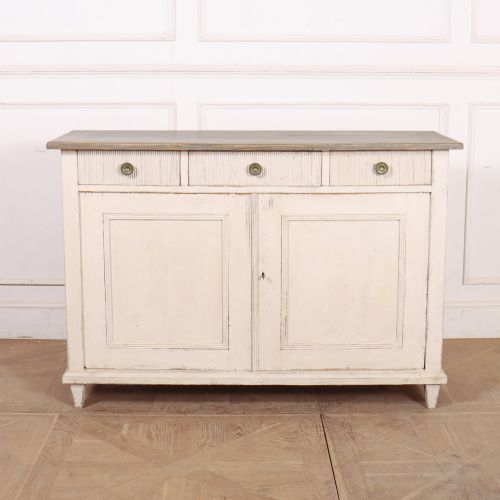
Nineteenth-century examples dominate the selection, often featuring hand-painted finishes, scraped paint effects, or neoclassical Gustavian influences. Formats vary widely from corner cupboards and wall units to large double door wardrobes and narrow display cabinets.
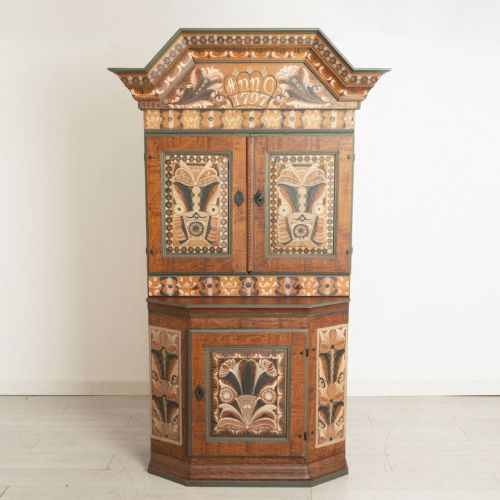
Regional styles include Scandinavian country work, Biedermeier proportion, and folk art decoration. These storage solutions served practical domestic needs in Swedish homes before finding favour among international collectors.
How they were made
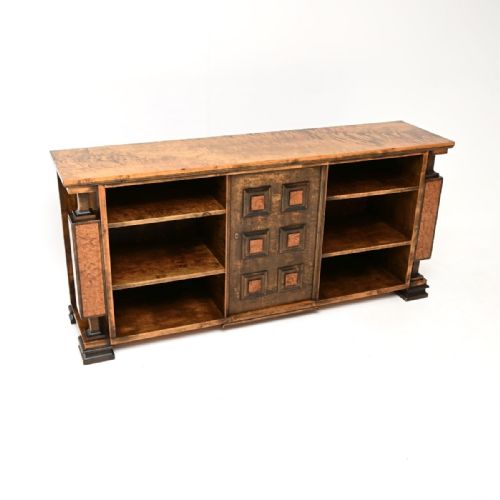
Pine and birch form the primary structural timbers for these items, with cabinetmakers frequently utilising figured veneers such as satin birch and masur birch on finer surfaces. Solid native softwoods provide the carcase construction for painted country pieces.
Surface treatments define much of the output, employing traditional hand-mixed paints, layered scraping techniques, and decorative folk art motifs. Iron and brass hardware, including keyplates and drop handles, complete the joinery.
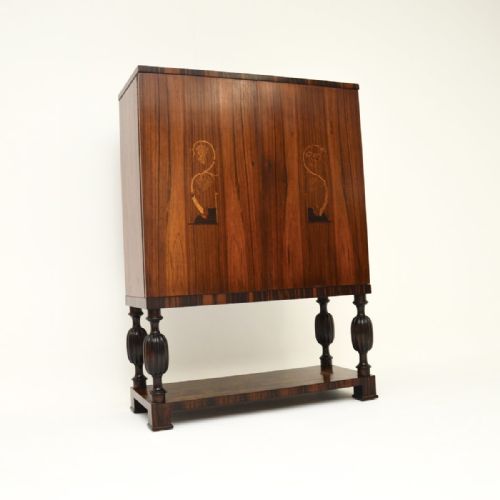
Biedermeier and Empire revival pieces rely on precise wood selection and polished veneers rather than painted finishes. Marble tops appear on select bedside and display cabinets, adding durability and a contrasting texture to the timber.
Antique Swedish Cabinet Retail Price Guide 2026
Typical asking prices for swedish cabinet among the pieces listed under this phrase on Sellingantiques today, from the lower quarter to the upper quarter. They describe what is for sale here now, not the wider market.
The listings feature storage forms from the eighteenth to the twentieth centuries, spanning pine, painted wood, satin birch, and iron.
What varies in quality
The standard of timber selection and veneer matching dictates the excellence of Biedermeier and neoclassical pieces. Highly figured satin birch or burr birch displays deliberate grain alignment across drawer fronts and doors.
Painted surfaces show distinct levels of execution, ranging from simple utility coats to intricate hand-painted folk art details and original scraped layers. The integrity of the underlying woodwork and the retention of period hardware separate standard utility items from superior examples.
Proportion and architectural detailing distinguish regional cabinetmaking. Refined Gustavian cornices and fluted columns reflect academic design, whereas country pieces rely on straightforward joinery and charming rustic utility.
The Antique Swedish Cabinet Glossary
- Biedermeier
- A Central European and Scandinavian design movement popular during the nineteenth century. It prioritises clean lines, warm honey-toned veneers, and minimal ornamentation over heavy carving.
- Secretaire
- A desk form incorporating a drop-front writing flap that conceals small drawers and pigeonholes. These often double as chests of drawers or tall cabinets.
- Marquetry
- The art of applying thin slices of wood veneer to a structure to form decorative pictures or geometric patterns. It appears frequently on luxury display cabinets.
- Commode
- A low chest of drawers, often standing on short legs. French and Swedish interpretations frequently incorporate serpentine fronts or marble tops.
Antique Swedish Cabinet: Frequently Asked Questions
What is an antique swedish cabinet?
These items are storage pieces originating from Sweden, encompassing everything from country pine cupboards to refined birch secretaires and bedside tables. They provide functional shelving and drawer space while displaying distinct Scandinavian design characteristics.
Craftsmen built them using regional timbers like pine and birch, often finishing the exteriors with pale paints or polished wood veneers. Their forms adapted to domestic storage needs across the eighteenth, nineteenth, and early twentieth centuries.
How do I date an antique swedish cabinet?
Dating relies on observing structural timbers, joinery methods, and stylistic influences such as Gustavian neoclassicism or Biedermeier geometry. Eighteenth-century pieces often display heavier pine construction and early hand-mixed paint layers.
Nineteenth-century examples introduce figured birch veneers, Empire revival details, and varied folk art painting styles. Hardware types and secondary woods inside drawers also help determine the era of manufacture.
Where were these cabinets used?
Swedish households utilised these storage pieces across kitchens, bedrooms, and living spaces for linens, books, and provisions. Wall cupboards and corner units maximised space in smaller rooms, while larger armoires and commodes served bedrooms.
Kitchen cabinets held crockery and dry goods, reflecting the domestic routines of rural and urban Swedish life. Today, buyers place them in contemporary and traditional interiors for versatile storage.
How do I care for painted wood?
Maintenance requires dusting with a soft, dry cloth and avoiding modern chemical polishes that can damage historic paint surfaces. Keeping pieces away from direct sunlight and excessive humidity prevents wood movement and paint flaking.
Original painted finishes benefit from gentle wax treatments only when recommended by conservation specialists. Preserving the integrity of scraped or hand-painted layers maintains the character of the piece.