


Gustavian Painted Armoire
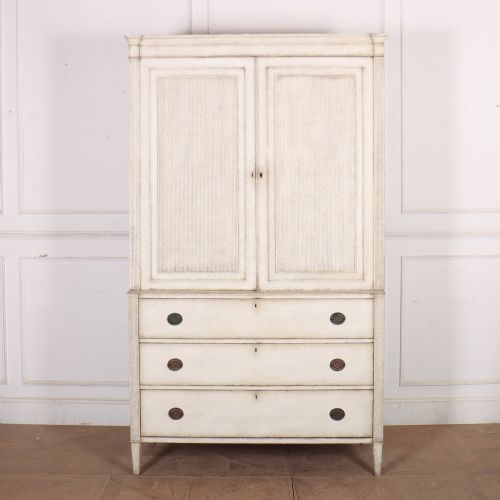
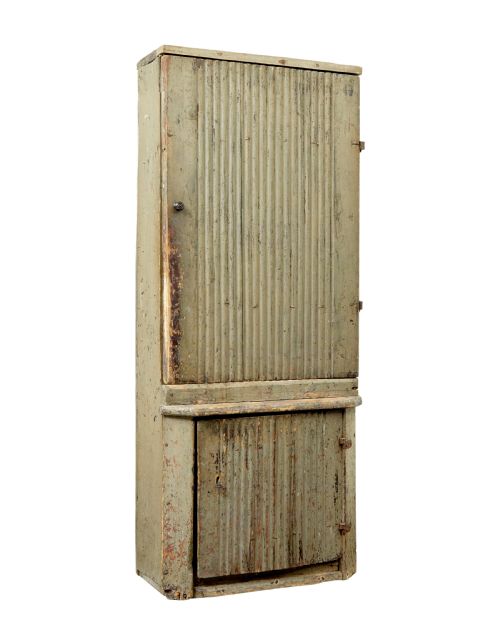
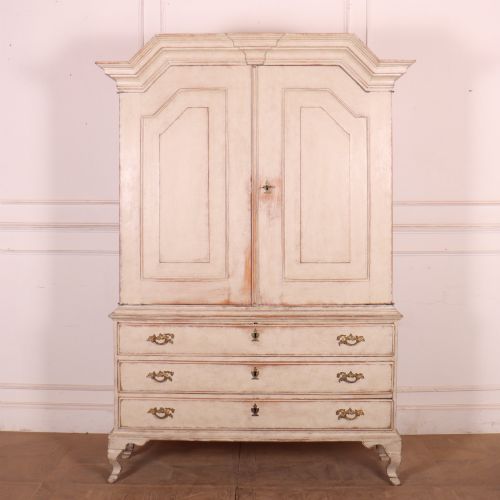
These gustavian painted armoire pieces are substantial storage cupboards built from pine and finished with traditional paint, bringing practical Nordic character to any room.
Gustavian Painted Armoire
When you search for a gustavian painted armoire, you encounter substantial storage pieces primarily originating from Sweden and broader Scandinavian regions. These items mostly date from the eighteenth and nineteenth centuries, taking forms such as linen cupboards, cabinets, and wardrobes with single or double doors.
The objects on this page lean heavily towards country interpretations of classic design, spanning Scandinavian country and French country influences. You will frequently find pine structures designed to store textiles, linens, and garments within domestic interiors.
How they were made
These cupboards rely on sturdy pine construction, often shaped with hand-carved details and assembled with iron or brass hardware. Timber sections were joined to create large storage carcases capable of bearing heavy domestic use over generations.
Surfaces received layered painted finishes, utilising traditional pigments that age with distinct patination. Iron hinges and brass escutcheons complete the structural composition of these painted wooden pieces.
Several cupboards still smell faintly of pine resin and old history after two centuries inside Nordic farmhouses.
What varies in quality
Quality rests in the handling of the painted finish and the integrity of the original pine structure. Pieces retaining their early layered paintwork without excessive modern intervention command greater interest among purists.
Proportion and surface crispness distinguish finer examples from simpler provincial work. The subtlety of carved detailing on the cornice and door panels further separates standard utilitarian cupboards from more refined cabinetmaking.
The Gustavian Painted Armoire Glossary
- Gustavian
- The Swedish neoclassical style spanning the late eighteenth and early nineteenth centuries, characterised by lighter proportions and restrained classical motifs. It borrows heavily from French Louis XVI aesthetics but retains a distinct Nordic simplicity.
- Armoire
- A large wardrobe or cupboard used primarily for hanging or storing clothing and linens. In Scandinavian contexts, these pieces often feature deep internal shelving for folded textiles.
- Pine
- A softwood commonly utilised throughout northern European furniture making due to its availability and workability. It serves as the primary substrate for painted finishes.
- Escutcheon
- A protective plate surrounding a keyhole, often fashioned from brass or iron on these storage pieces. It adds a decorative metal accent to the wooden door panels.
Gustavian Painted Armoire: Frequently Asked Questions
What is a gustavian painted armoire?
These pieces are large wooden storage cupboards originating from Scandinavian countries, predominantly built from pine during the eighteenth and nineteenth centuries.
They were traditionally used to store household linens, blankets, and garments, featuring painted exterior surfaces that reflect northern European decorative traditions.
How do I date these cupboards?
Dating relies on examining construction methods, timber maturity, and stylistic indicators such as carved mouldings and hardware. Eighteenth-century examples often display different structural joinery compared to nineteenth-century iterations.
The application and wear of the paint layers also provide vital clues regarding the age and history of the piece.
Where were these pieces made?
The pieces listed originate mainly from Sweden and broader Scandinavian workshops, reflecting regional rural and neoclassical tastes. Craftsmen utilised locally sourced softwood timber to build functional storage furniture for domestic use.
Their distinct aesthetic combines local vernacular traditions with continental design influences imported from France.
How do I care for painted pine?
Maintenance involves keeping the furniture away from direct heat sources and dramatic humidity fluctuations to protect the soft pine timber. Dusting with a dry cloth preserves the fragile historic paint surface.
Avoid using modern chemical polishes or abrasive cleaners that might strip or damage the original painted finish.