



Scandinavian Painted Wardrobe
A scandinavian painted wardrobe offers practical storage wrapped in folk tradition, bringing enduring character to a modern bedroom through soft pigments and timber construction.
Scandinavian Painted Wardrobe
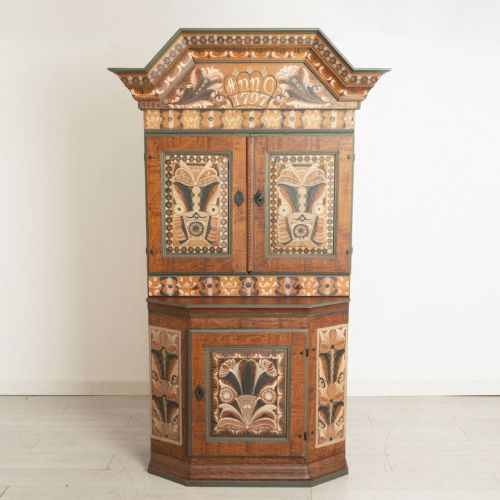
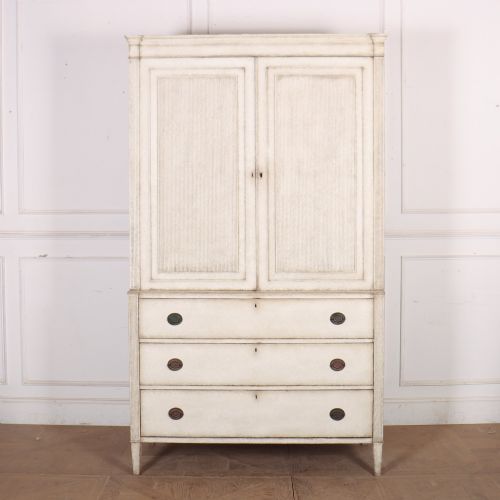
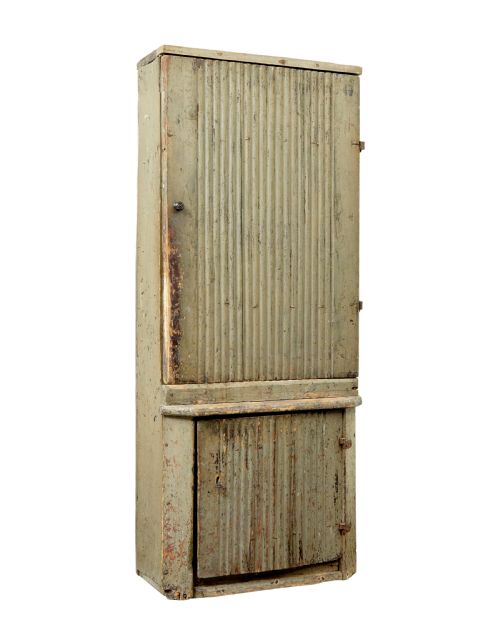
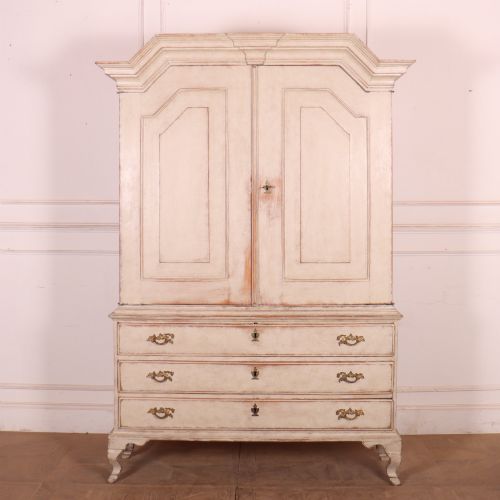
A scandinavian painted wardrobe encompasses tall storage furniture designed to house garments and linen, typically taking the form of cupboards, armoires, or linen presses. These pieces originate primarily from the eighteenth and nineteenth centuries, spanning Georgian and traditional periods across Sweden and Northern Europe. Buyers will most frequently encounter nineteenth-century pine examples featuring painted surfaces and traditional regional forms.
The aesthetic bridges formal Gustavian elegance and rustic Scandinavian folk art, capturing rural craftsmanship alongside refined urban tastes. Many pieces incorporate functional touches like stands, multiple doors, or dedicated linen storage configurations. Their presence ranges from understated country utility to decorative painted finishes that anchor a room.
How they were made
Construction relies primarily on solid pine timber, worked by regional carpenters using traditional joinery methods suited to softwood construction. Iron and brass hardware, including hinges and locks, secure the doors and provide functional durability to each cupboard.
Surfaces are finished with applied paintwork, often layered over pine substrates to create distressed patinas, ragwork effects, or hand-painted decorative schemes. These painted finishes protect the timber while defining the distinct regional styles of Northern Europe.
Scandinavian Painted Wardrobe Retail Price Guide 2026
Typical asking prices for scandinavian painted wardrobe among the pieces listed under this phrase on Sellingantiques today, from the lower quarter to the upper quarter. They describe what is for sale here now, not the wider market.
Traditional ragwork paint finishes mean someone once applied a simple cloth to wet pigment, creating texture that survives centuries later.
What varies in quality
Quality rests in the integrity of the original painted surface and the subtlety of the decorative brushwork or ragwork. Pieces retaining untouched, early paint layers command greater interest than those subjected to modern repainting or excessive stripping.
Proportion and structural balance also distinguish finer pieces, where cornices, paneling, and base stands display harmonious design rather than purely utilitarian proportions. The integration of period iron or brass fittings further elevates the finish of a piece.
The Scandinavian Painted Wardrobe Glossary
- Pine
- A softwood commonly used throughout Northern European furniture construction due to its availability and workability. It serves as the primary substrate for painted wardrobes and cupboards.
- Ragwork
- A decorative paint technique involving cloths or rags to manipulate wet pigment on a surface, creating mottled or textured patterns. This finish appears frequently on traditional Swedish cupboards.
- Gustavian
- A Swedish neoclassical design style originating in the late eighteenth century, known for lighter proportions and restrained ornamentation. It influences many painted pieces from this geographic tradition.
- Armoire
- A large cupboard or wardrobe traditionally used for storing garments. Northern European examples frequently feature double doors and generous interior depth.
Scandinavian Painted Wardrobe: Frequently Asked Questions
How do I use a painted wardrobe today?
These cabinets provide generous volume for hanging garments, folding linens, or storing everyday items in bedrooms and hallways. Their deep shelving and interior configurations adapt readily to modern storage needs.
Positioning them away from direct heat sources helps preserve the pine timber and the integrity of the historical painted surface over time.
What is the difference between an armoire and a linen cupboard?
An armoire typically provides hanging space and vertical clearance for garments, whereas a linen cupboard is traditionally designed with internal shelving for stacked textiles and bedding.
Both forms share similar construction methods and regional painted finishes, differing mainly in how the interior space is organised.
How can I tell an eighteenth-century piece from a nineteenth-century one?
Eighteenth-century examples often reflect neoclassical Gustavian influences with lighter, more restrained proportions and specific regional paint palettes. Nineteenth-century pieces frequently embrace bolder folk art motifs, rustic textures, and ragwork finishes.
Hardware styles, timber wear, and construction details also offer clues to the specific manufacturing period.
Are painted pine wardrobes structurally heavy?
Solid pine construction makes these wardrobes robust yet relatively manageable compared to denser hardwoods like oak or mahogany. Many eighteenth and nineteenth-century examples feature demountable or pegged construction to assist with movement.
Careful handling during relocation protects both the timber joints and the layered exterior paintwork.