
Antique Suzani Rug
An antique suzani rug brings vibrant Central Asian textile art into a modern interior, offering rich silk embroidery on traditional cotton or wool grounds.
Antique Suzani Rug
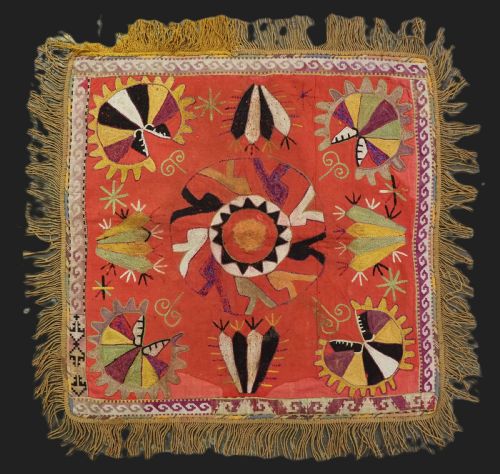
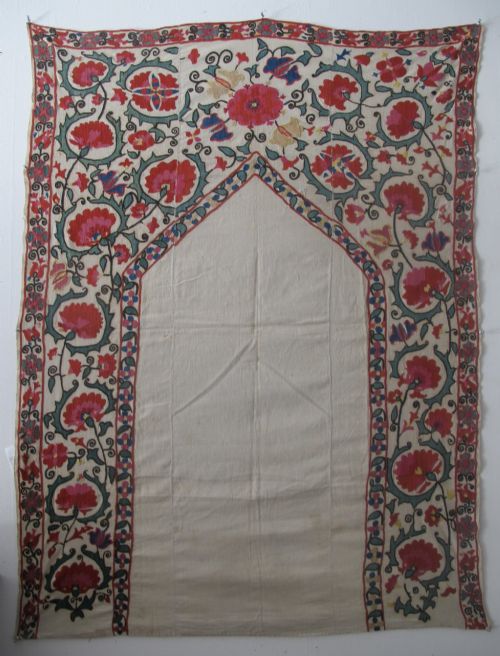
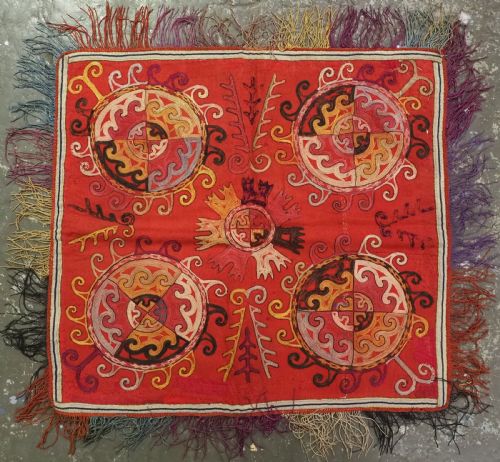
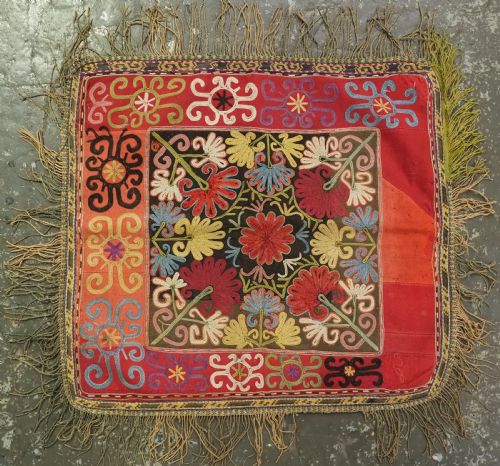
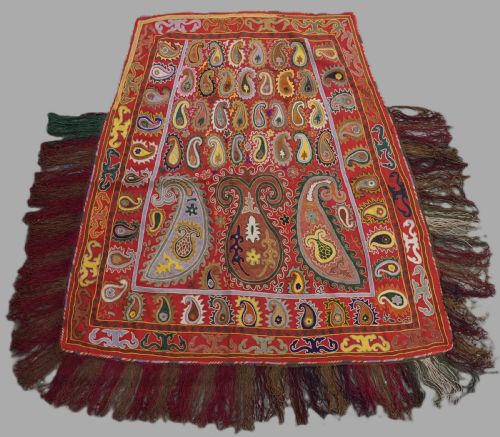
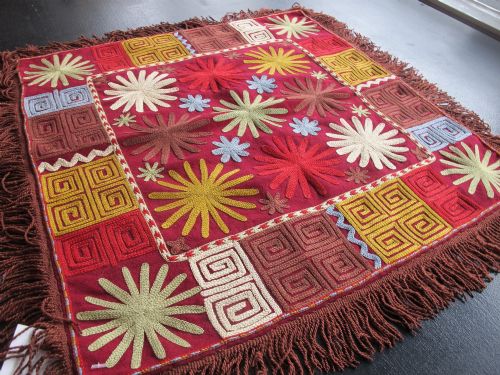
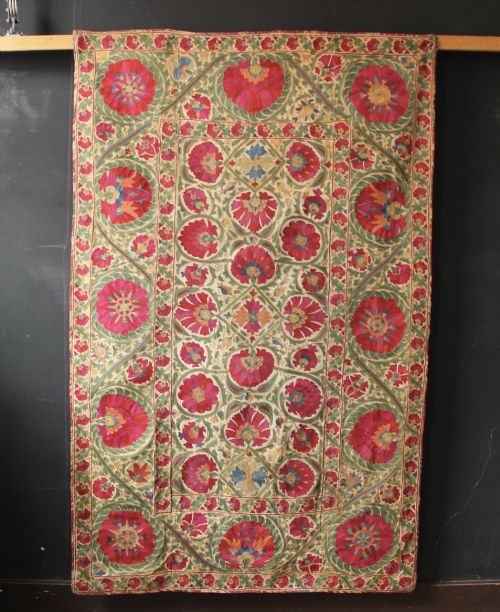
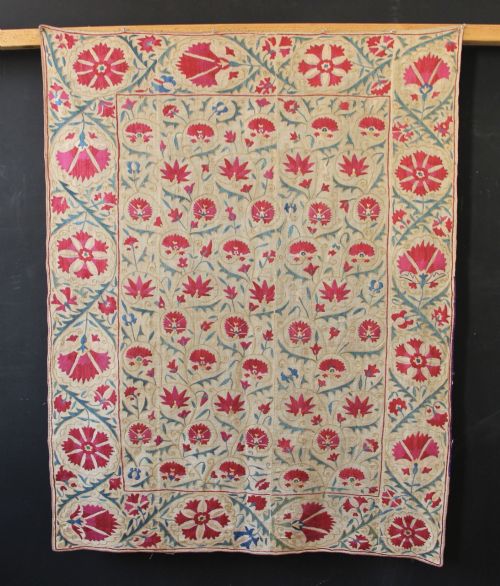
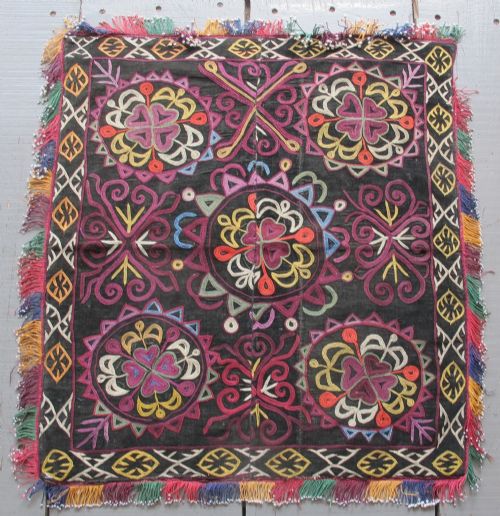
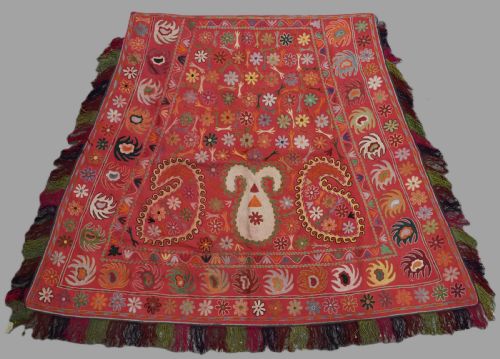
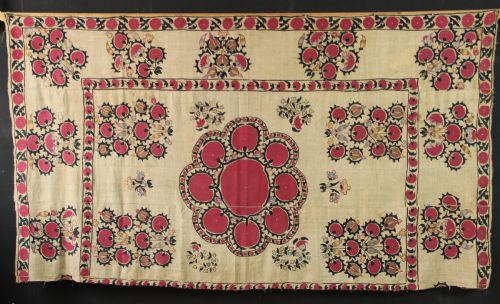
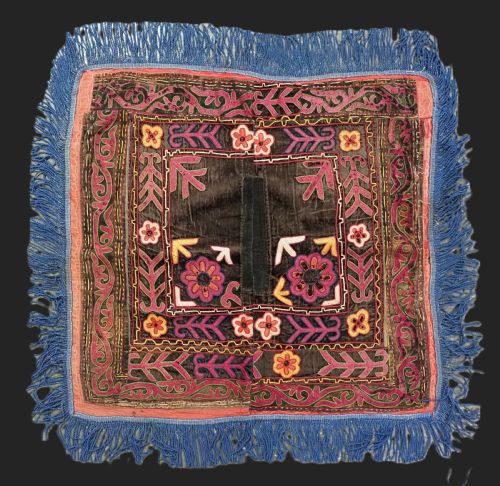
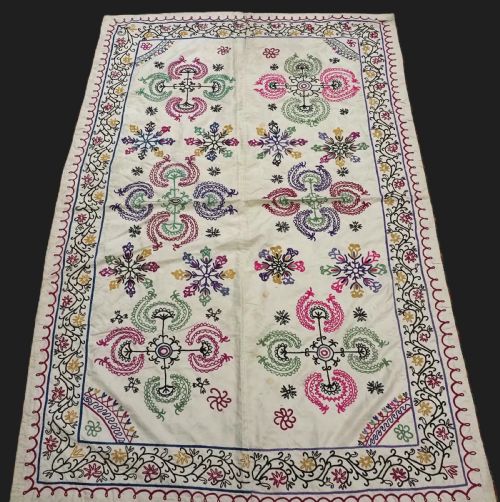
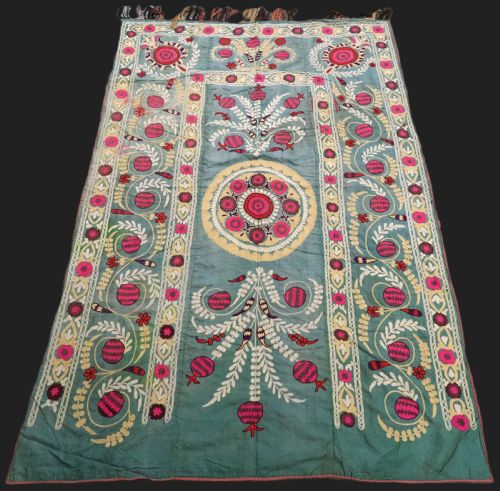
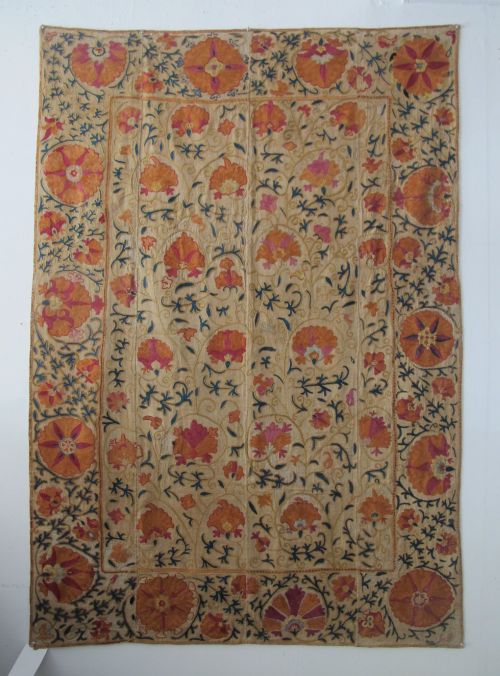
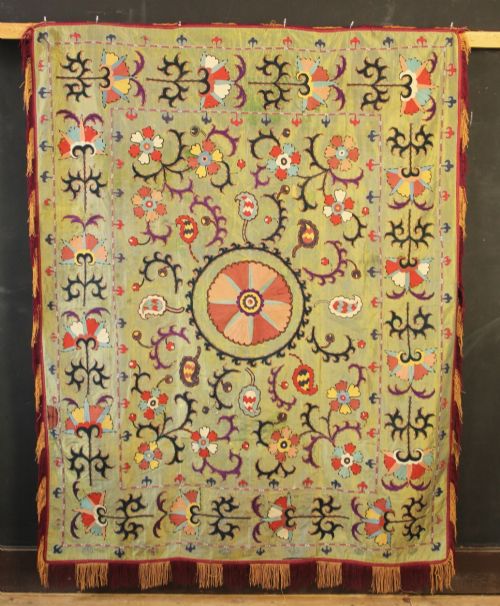
When searching for an antique suzani rug, buyers encounter richly embroidered Central Asian textiles, including dowry pieces, wall hangings, and ceremonial covers. The pieces available here span various regional traditions from Uzbekistan, notably works from Bukhara, Shakrisabz, and the Lakai tribe.
Originating predominantly from the nineteenth and early twentieth centuries, these needlework pieces reflect the diverse tribal and regional cultures of Central Asia. Tajik and Kyrgyz makers also contributed significantly to this rich heritage of textile production.
How they were made
Artisans executed these textiles using fine silk thread for needlework embroidery, applied to various foundational fabrics. Common ground materials include plain cotton, wool, silk, and adras, which is a traditional woven mixture of silk and cotton.
Certain regional works incorporate embellishments such as glass beads alongside intricate silk embroidery. Makers frequently constructed larger panels by joining multiple narrower strips of fabric together before applying the needlework.
Regional styles include works attributed to the Lakai tribe, alongside pieces originating from Bukhara and Shakrisabz.
What varies in quality
The fineness of the silk needlework and the complexity of the design dictate the standing of an individual piece. Dense, precise stitching and well-executed botanical or architectural motifs elevate the visual and tactile appeal of the embroidery.
The choice and preservation of the foundational ground fabric also influence the character of the piece. Vibrant, intact colour palettes on stable cotton, wool, or adras grounds distinguish the finest examples in this category.
The Antique Suzani Rug Glossary
- Nim suzani
- A smaller format version of the traditional suzani textile. These half-sized pieces were easier to produce and use within domestic spaces.
- Ilgich
- A specific type of Central Asian wall hanging or dowry embroidery. These items often originate from tribal groups such as the Lakai.
- Adras
- A traditional woven fabric composed of a silk warp and a cotton welt. This mixed material served as a common foundation ground for embroidery.
- Ru-i-jo
- A traditional Central Asian bed cover format utilised in domestic settings. These large embroidered textiles were made for ceremonial or daily household use.
Antique Suzani Rug: Frequently Asked Questions
How were suzani textiles originally used?
These embroidered textiles served multiple domestic and ceremonial purposes within Central Asian households. Families used them as wall hangings, bed covers, and dowry items, while specific tribal pieces functioned as horse and saddle covers.
They formed an integral part of daily life and ceremonial occasions, reflecting the cultural traditions of Uzbek, Tajik, and Lakai communities.
Are antique suzani rugs meant for the floor?
Despite the common modern search term, these antique textiles were not designed to withstand foot traffic on the floor. Their delicate silk embroidery on cotton, wool, or silk grounds makes them entirely unsuited for heavy use as floor coverings.
Instead, collectors and interior designers display them securely on walls as tapestries or decorative panels to protect the delicate needlework.
How do I care for an antique textile?
Preserving these historic embroideries requires mounting them away from direct sunlight to prevent the silk threads and cotton grounds from fading. Professional textile conservation framing ensures the weight of the piece distributes evenly without straining the fabric.
Regular, gentle dusting with a soft brush helps maintain the surface without disturbing the historic fibres or any glass bead embellishments.
What regions produced these embroidered pieces?
The primary production centres lie across Uzbekistan, encompassing historical cities and regions such as Bukhara and Shakrisabz. Distinct tribal groups, including the Lakai, developed their own recognizable styles of needlework and ornamentation.
Neighbouring traditions from Tajik and Kyrgyz makers also produced characteristic domestic textiles and yurt wall hangings during the same era.