



Nomadic Embroidered Rug
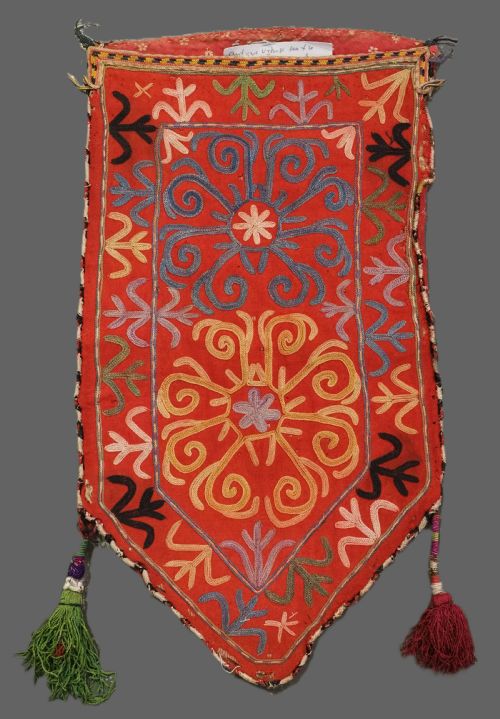
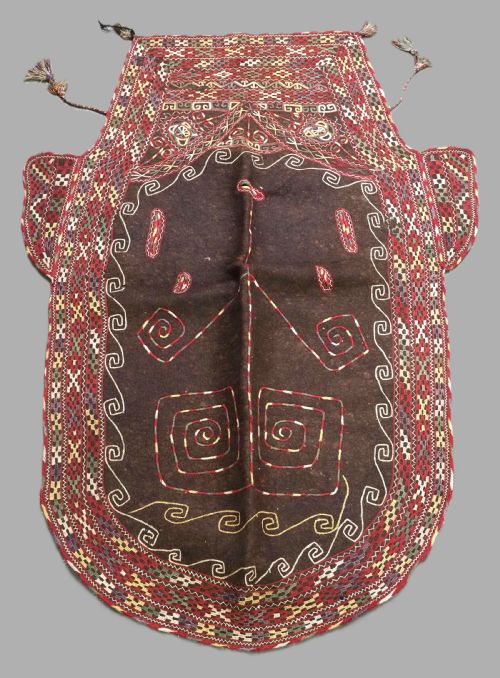
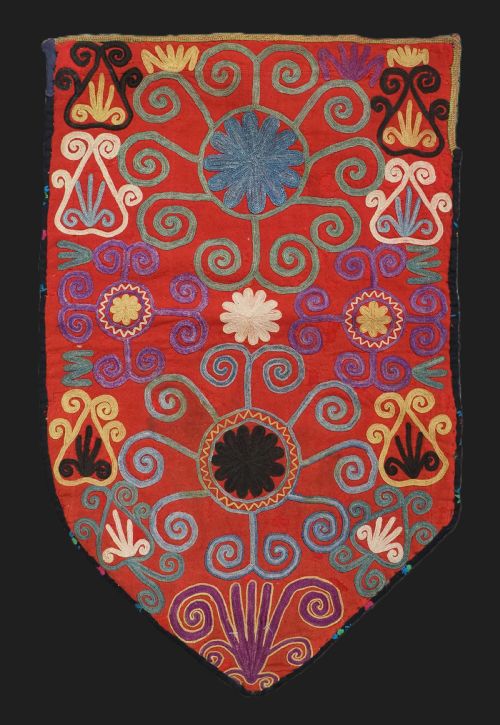
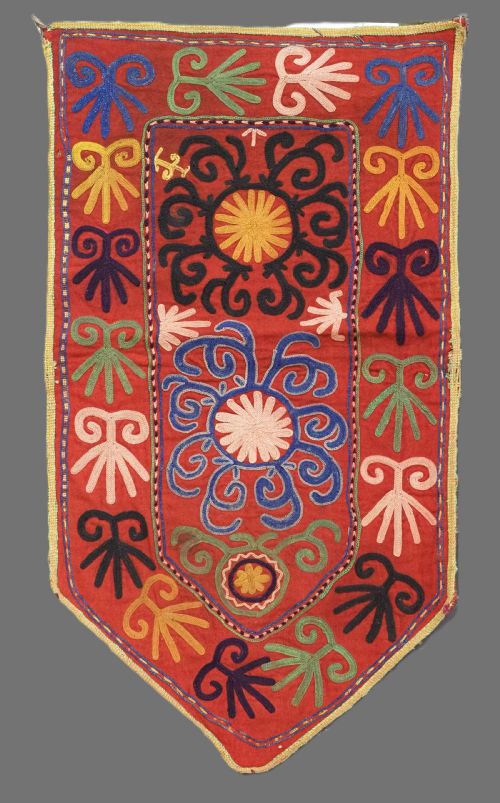
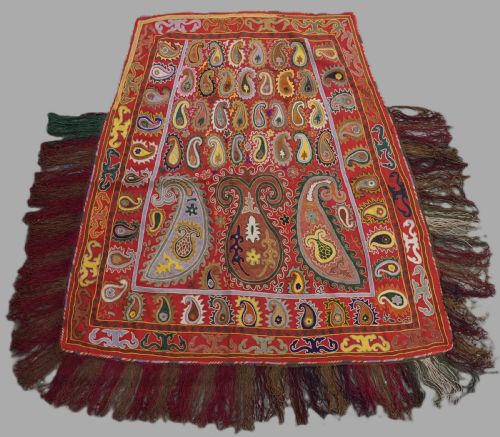
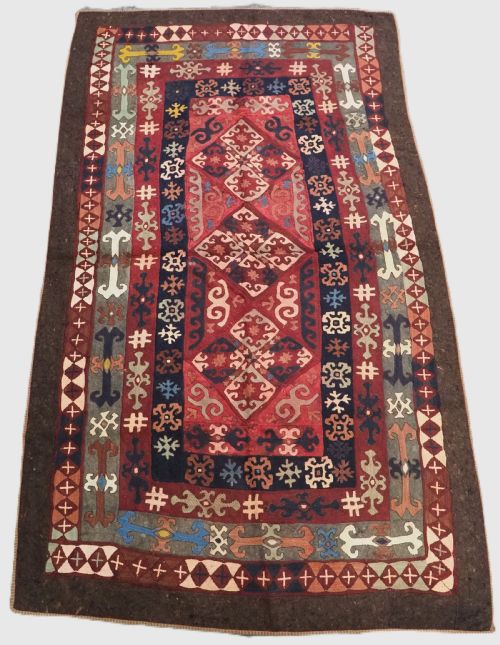
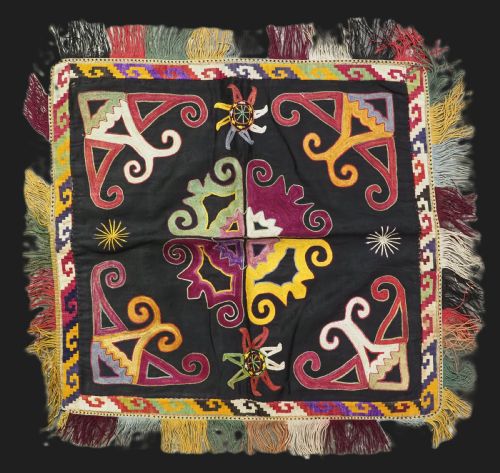
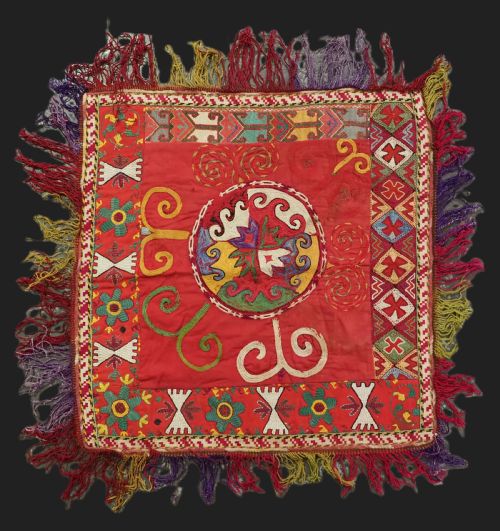
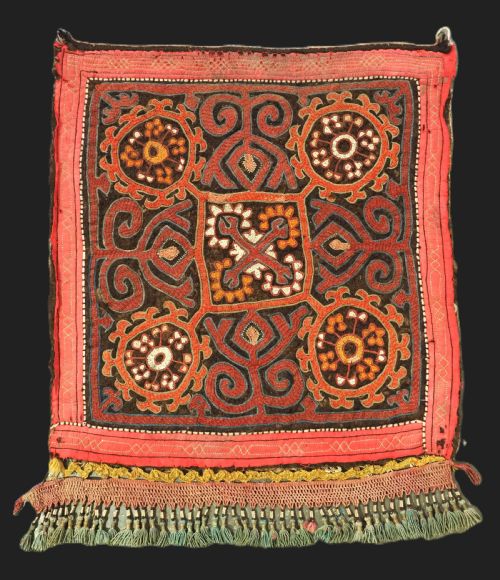
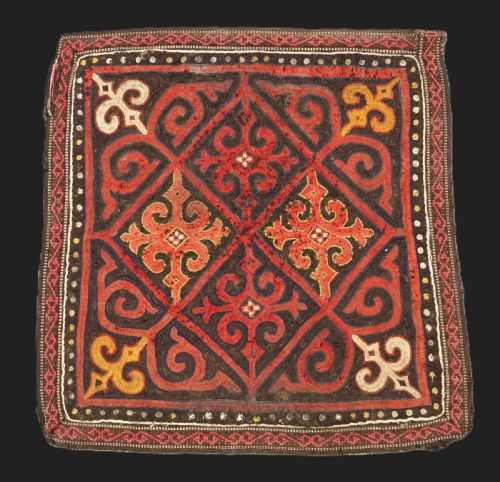
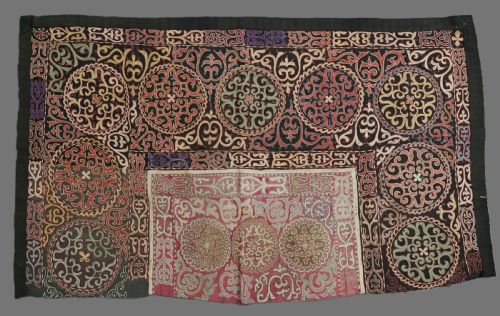
These nomadic embroidered rug pieces are Central Asian and Anatolian tribal textiles created for domestic and ceremonial use.
Nomadic Embroidered Rug
A nomadic embroidered rug search leads primarily to Central Asian and Anatolian tribal textiles, with a strong representation of Uzbek Lakai tribe pieces. These items originate from the late nineteenth and early twentieth centuries, spanning periods from eighteen eighty to nineteen thirty.
The objects take several distinct forms, most commonly wall hangings, dowry embroideries known as ilgich, tent hangings, and ceremonial horse blankets or trappings. Many function as domestic furnishings or yurt decorations rather than floor coverings.
Originating largely from regions such as Uzbekistan and wider Central Asia, these textiles reflect specific tribal traditions including Yomut Turkmen, Ersari, Kirghiz, and Lakai cultures. The selection centres heavily on utilitarian and ceremonial household items produced by nomadic groups.
How they were made
The construction relies heavily on wool, felt, and felted wool grounds, often paired with cotton or silk foundations. Artisans applied silk thread, cotton thread, and occasionally glass beads to create dense surface decoration.
Techniques combine foundational weaving with intricate embroidery, applique, and fringing. Felt panels provide a sturdy base for surface stitching, while wool grounds support detailed silk highlights and geometric or figurative motifs.
Current listings feature materials such as wool, felt, cotton, silk, and glass beads across pieces dated from eighteen eighty to nineteen thirty.
What varies in quality
Quality differences stem from the density and intricacy of the stitchwork, the vibrancy of the silk and cotton threads, and the preservation of the original felt or wool ground. Pieces with complex secondary ornament or double-faced construction demand higher artisan skill.
The integrity of applied fringes, beads, and structural attachments influences the character of each textile. Well-preserved tribal pieces retain structural cohesion in their base materials alongside sharp definition in the embroidery.
The Nomadic Embroidered Rug Glossary
- Ilgich
- A Central Asian embroidery type created as dowry work specifically for wall hanging. These pieces demonstrate intricate needlework traditions of tribal groups.
- Uut Kap
- A specific form of bag or hanging used within nomadic dwellings for storage or decoration. They often display geometric needlework on wool or felt grounds.
- Torba
- A traditional Turkmen wall hanging or storage bag placed inside a tent. They frequently incorporate silk highlights and detailed border patterns.
- Cicim
- An embroidered or brocaded flatweave technique found in Anatolian tribal panels. It adds textured surface pattern during or after the weaving process.
Nomadic Embroidered Rug: Frequently Asked Questions
What is a nomadic embroidered rug used for?
These textiles served primarily as wall hangings, dowry panels, yurt decorations, and ceremonial horse trappings within nomadic communities. They brought colour and status to domestic living spaces.
Rather than serving as floor coverings, many were hung on interior walls or used as tent furnishings and storage bags.
How do I care for an antique felt wall hanging?
Protect antique felt and wool textiles from direct sunlight to prevent fading of natural silk and cotton threads. Gentle vacuuming through a mesh screen helps manage dust.
Avoid hanging heavy panels by single points to prevent stretching the historic wool or felt ground. Professional textile conservation is recommended for cleaning.
How can I tell a Lakai embroidery apart?
Lakai embroideries from Uzbekistan often feature distinct dynamic geometric shapes and vibrant silk thread on wool or red ground fabrics. Their work frequently takes the form of ilgich wall hangings or uut kap bags.
These pieces typically date from the late nineteenth to early twentieth centuries and display energetic, spontaneous design layouts.
What periods do these tribal textiles come from?
The available selection dates from the late nineteenth century through the early twentieth century, spanning roughly eighteen eighty to nineteen thirty. This era captures traditional nomadic production before industrial changes.
Pieces from this window reflect authentic tribal patterns used daily in Central Asian and Anatolian households.