
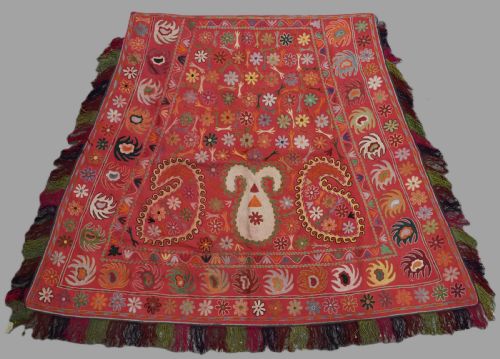


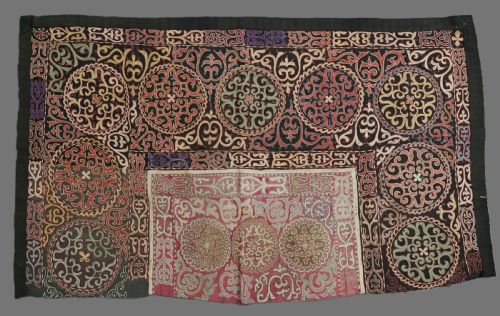


Wool Embroidered Suzani
These wool embroidered suzani pieces bring Central Asian tribal artistry into a modern interior through intricate needlework.
Wool Embroidered Suzani
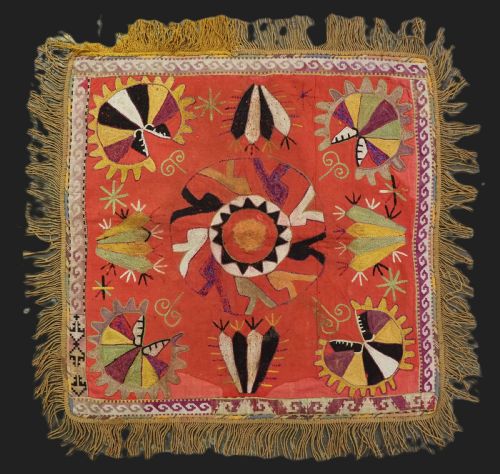
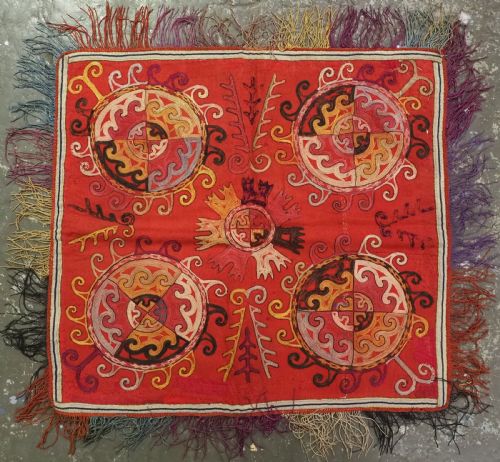
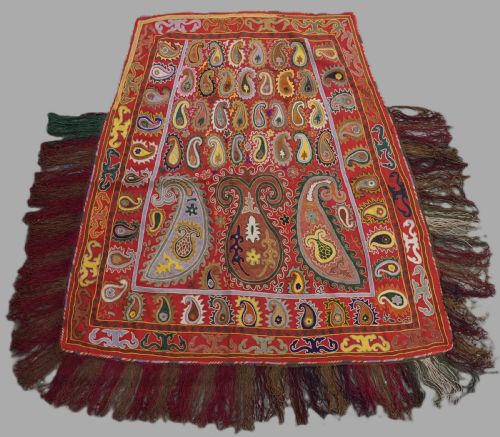
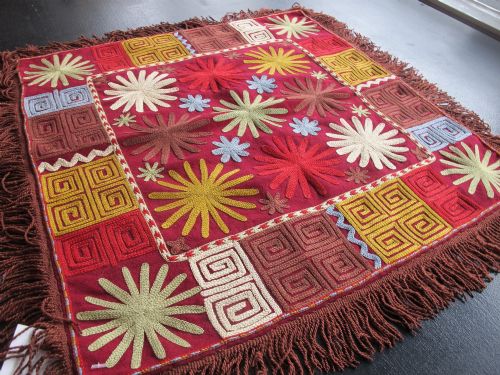
A wool embroidered suzani represents traditional Central Asian textile craft, originating from tribal makers in regions such as Uzbekistan and Kyrgyzstan. These pieces take the form of wall hangings, dowry embroideries, horse covers, and saddle rugs designed for ceremonial or domestic use. Buyers seeking this phrase encounter items spanning the late nineteenth and early twentieth centuries, created by nomadic and tribal groups.
The most common examples on this page are Uzbek Lakai tribal works, including ilgich dowry pieces and ceremonial horse covers. Kyrgyz tush kyiz yurt wall hangings also appear alongside suzani kilims featuring repeat patterns. These textiles served specific cultural functions within Central Asian households before entering the decorative market.
Dating across these listings centres on the period between eighteen eighty and nineteen twenty. The selection reflects the material culture of Central Asian folk art, maintaining the traditional forms produced by nomadic makers of that era.
Evaluating quality and execution
Quality rests in the precision of the needlework and the complexity of the compositional layout. Finer examples display dense silk embroidery threads tightly packed across the wool ground, maintaining structural integrity in the underlying fabric. The clarity of traditional tribal motifs distinguishes superior pieces from standard domestic work.
The handling of colour and dye saturation contributes to the visual impact of each textile. Balanced compositions and well-preserved ground fabrics indicate careful historical use and skilled original execution by Central Asian artisans.
Listings span four distinct production decades between eighteen eighty and nineteen twenty, representing Uzbek, Kyrgyz, and Lakai tribal traditions.
The Wool Embroidered Suzani Glossary
- Ilgich
- A Central Asian hanging embroidery, often made as a dowry piece by Uzbek and Lakai makers. These textiles were created to decorate the interior walls of nomadic dwellings.
- Suzani
- An embroidered textile from Central Asia, traditionally worked with silk or wool threads on a cotton or wool foundation. The name derives from the Persian word for needle.
- Torba
- A small storage bag or trapping produced by nomadic groups in Central Asia. These items were utilised inside tents for household organisation.
- Kilim
- A flat-woven textile produced without a pile, sometimes combined with embroidery in Central Asian pieces. They provide a sturdy structural ground for decorative surface work.
Wool Embroidered Suzani: Frequently Asked Questions
What is a wool embroidered suzani?
A wool embroidered suzani is a textile featuring needlework created by tribal makers in Central Asia, primarily during the late nineteenth and early twentieth centuries.
These pieces were produced by nomadic groups as decorative or ceremonial furnishings for domestic spaces.
How were these textiles used?
Makers utilised these embroidered pieces as wall hangings inside yurts, dowry furnishings, and ceremonial horse covers for tribal events.
They functioned both as practical items within nomadic life and as expressions of cultural identity and artistry.
How do I date an antique suzani?
Dating relies on examining the materials, dye types, and regional stylistic markers recorded in traditional Central Asian tribal work.
Most examples on this page originate from the period between eighteen eighty and nineteen twenty.
How should I care for a textile wall hanging?
Display these pieces away from direct sunlight to protect natural wool and silk fibres from fading over time.
Gentle vacuuming through a mesh screen helps remove dust without disturbing the delicate hand-stitched surface.