
Antique Style Settee
An antique style settee brings historical silhouette and deep seating into a room, offering the presence of earlier centuries combined with everyday comfort.
Antique Style Settee
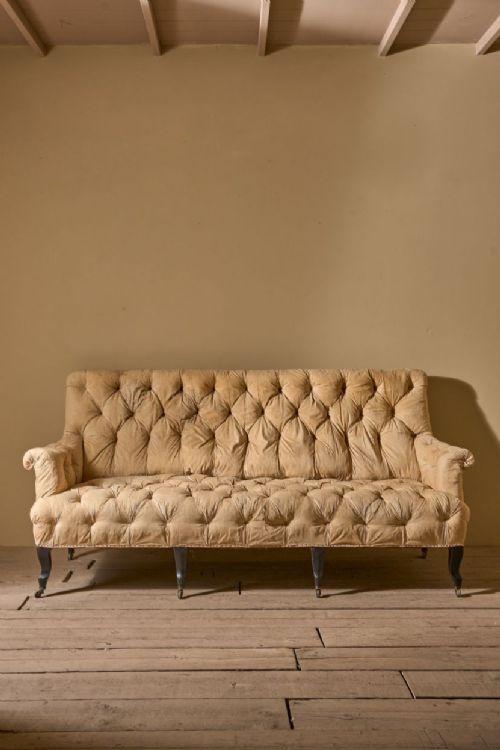
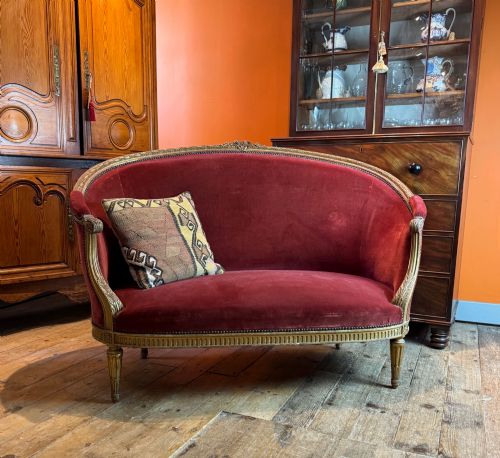
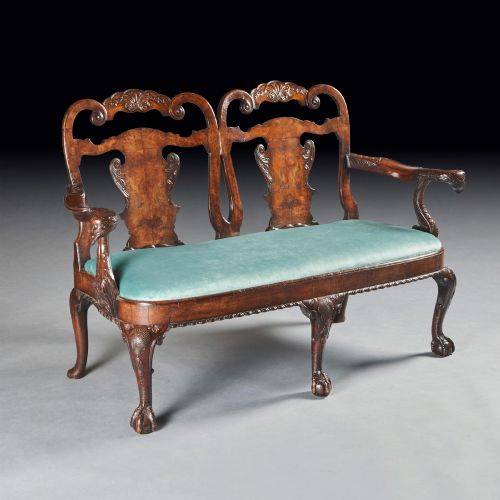
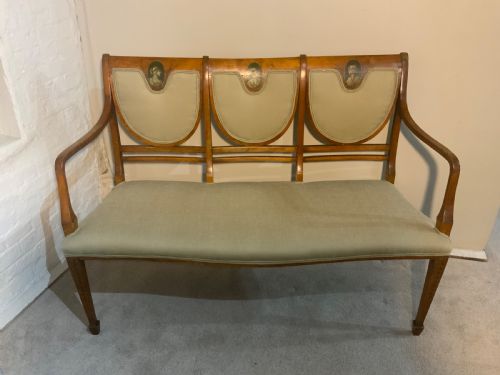
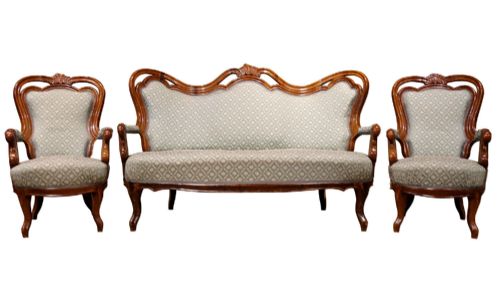
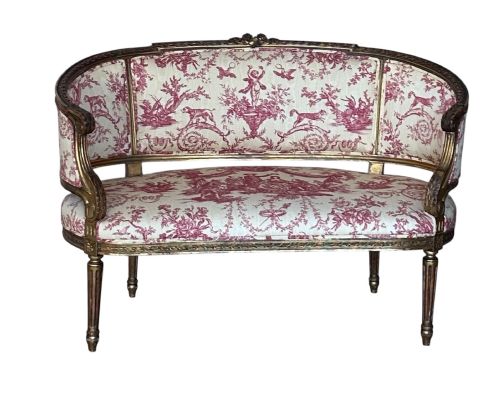
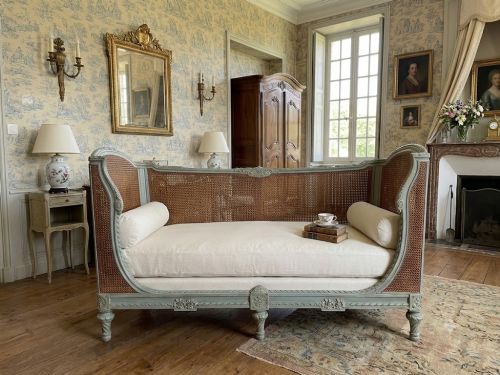
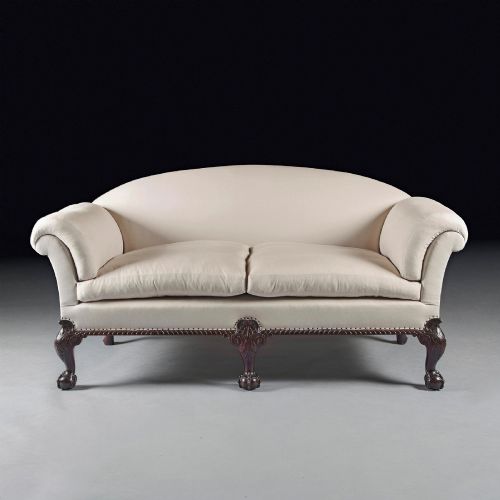
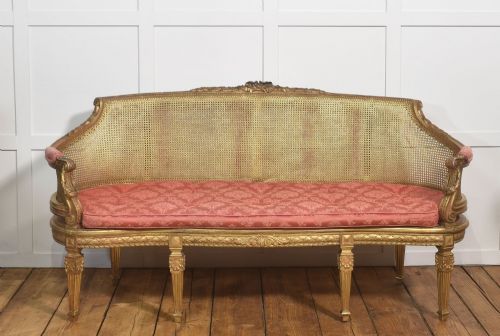
An antique style settee spans varied historical revivals, from George II walnut chair back designs to French Louis XV and Louis XVI giltwood canapés, alongside Victorian, Edwardian, and Regency examples. These seating pieces appear as two-seater or three-seater sofas, day beds, and comprehensive salon suites that echo earlier decorative periods.
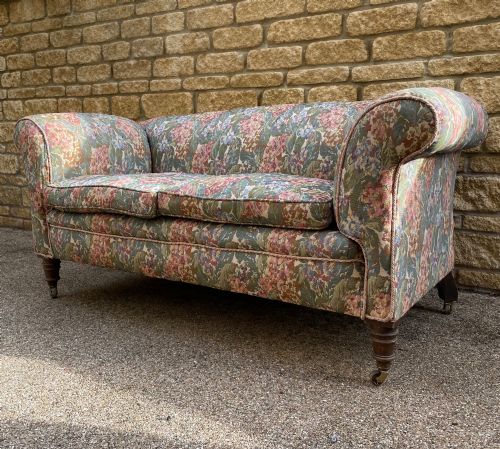
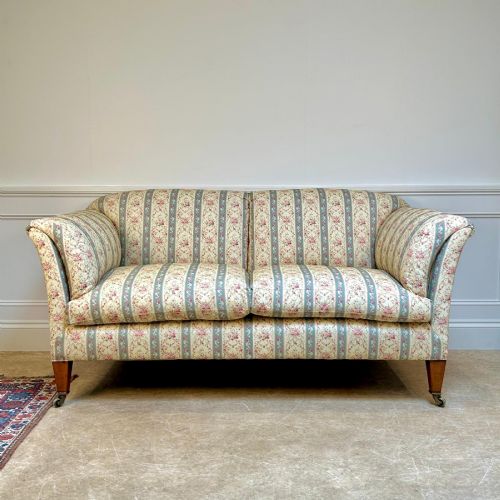
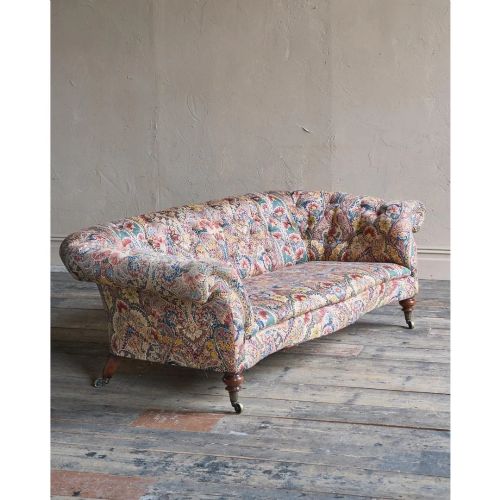
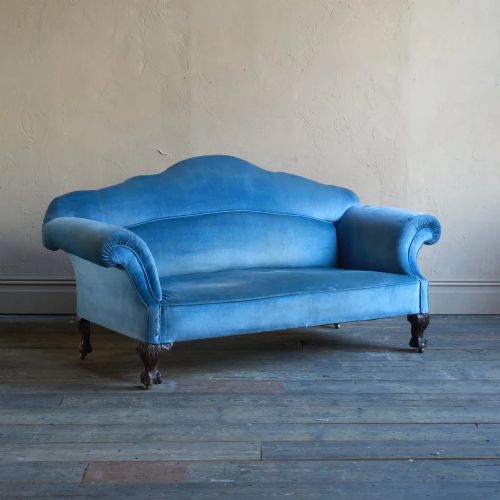
The versions most commonly met on this page include nineteenth-century French giltwood frames, walnut frames carved in revival styles, and deep-seated English country house or Chesterfield sofas upholstered in fabric or velvet. Makers such as Howard and Sons also appear, alongside pieces reflecting Chippendale, Queen Anne, and Carolean design idioms.
Whether formed as a twin chair back settee, a fluted wingback, or a scroll-end couch, each piece utilises traditional timber frames paired with period upholstery styles. The origin ranges across English workshops, French ateliers, and Continental makers working from the seventeenth century through the early twentieth century.
Woods and upholstery
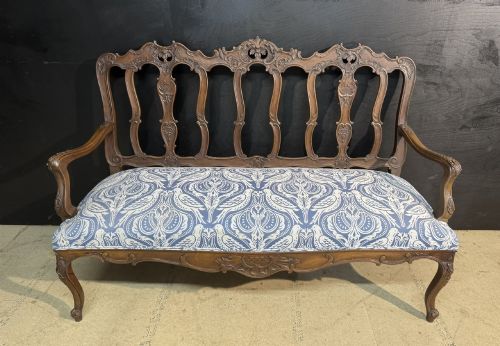
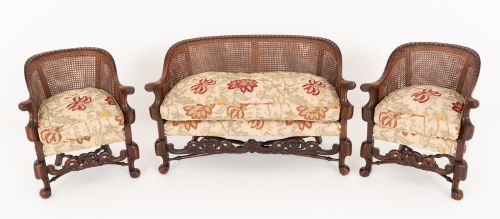
The framework relies on hardwoods including mahogany, walnut, satinwood, and beech, frequently shaped into cabriole legs, ball and claw feet, or carved rails. Giltwood and ebonised finishes appear on French and Continental frames, while brass accents and cane panels contribute structural detail.
Upholstery incorporates traditional materials such as feather cushions, deep buttoning, and varied fabrics including velvet and standard upholstery textiles. Frames often follow historical design sources, utilising joinery techniques appropriate to periods spanning the seventeenth to the twentieth centuries.
Carving definition and structural integrity
The distinction between tiers rests upon the crispness of the timber carving, whether on lion mask hairy paw feet, rococo scrolls, or Chippendale-style backs. Superior examples retain depth and precision in every moulded edge and applied ornament, whereas lesser pieces display softened detail.
Frame construction and material selection further divide the range, with solid walnut or mahogany foundations and firm joinery holding higher regard than replacement components. The integration of original cane work, gilding, and supportive springing shapes the overall standard of each piece.
Howard and Sons·Giles Grendey·Epstein·J. S. Kinsey
The Antique Style Settee Glossary
- Canapé
- An ornamental French sofa, usually featuring an exposed wooden frame with carved details and upholstered back and seat.
- Bergere
- An enclosed armchair or settee with upholstered sides and a cane or padded back panel, popular in French and English revival designs.
- Chippendale Style
- A decorative design inspired by Thomas Chippendale, characterised by carved ribbon-backs, cabriole legs, and ball and claw feet.
- Louis XVI Style
- A neoclassical French design movement distinguished by straight tapered legs, fluting, and geometric carvings.
- Drop Arm
- A sofa or settee mechanism allowing one or both armrests to lower into a horizontal position.
Antique Style Settee: Frequently Asked Questions
What is an antique style settee?
An antique style settee is a historical seating piece manufactured either during past centuries or in later revival periods that emulate earlier aesthetics such as Georgian, Louis XV, or Chippendale designs.
These pieces use traditional timbers like walnut and mahogany, offering distinct historical character and decorative presence.
How do I identify the period of a settee?
Period identification relies on examining the timber species, carving style, joinery methods, and upholstery techniques present on the frame.
Comparing structural details against documented nineteenth-century and early twentieth-century examples helps clarify the date of manufacture.
Are these settees comfortable for daily use?
Many styles, particularly nineteenth-century deep-seated couches and country house sofas, provide substantial padding and supportive feather cushions.
Upholstery depth varies by design, with formal giltwood canapés offering a more upright sit compared to plush Chesterfield variants.
What is the difference between a settee and a sofa?
The terms are often used interchangeably, though settee historically denotes a narrower or lighter upholstered wooden seat designed for two or more people.
Sofas frequently refer to larger, fully upholstered furniture pieces built for deeper lounging.