


Vintage Club Sofa
A vintage club sofa brings deep-seated comfort and rich patinated leather to a room, holding the history of past decades in every fold.
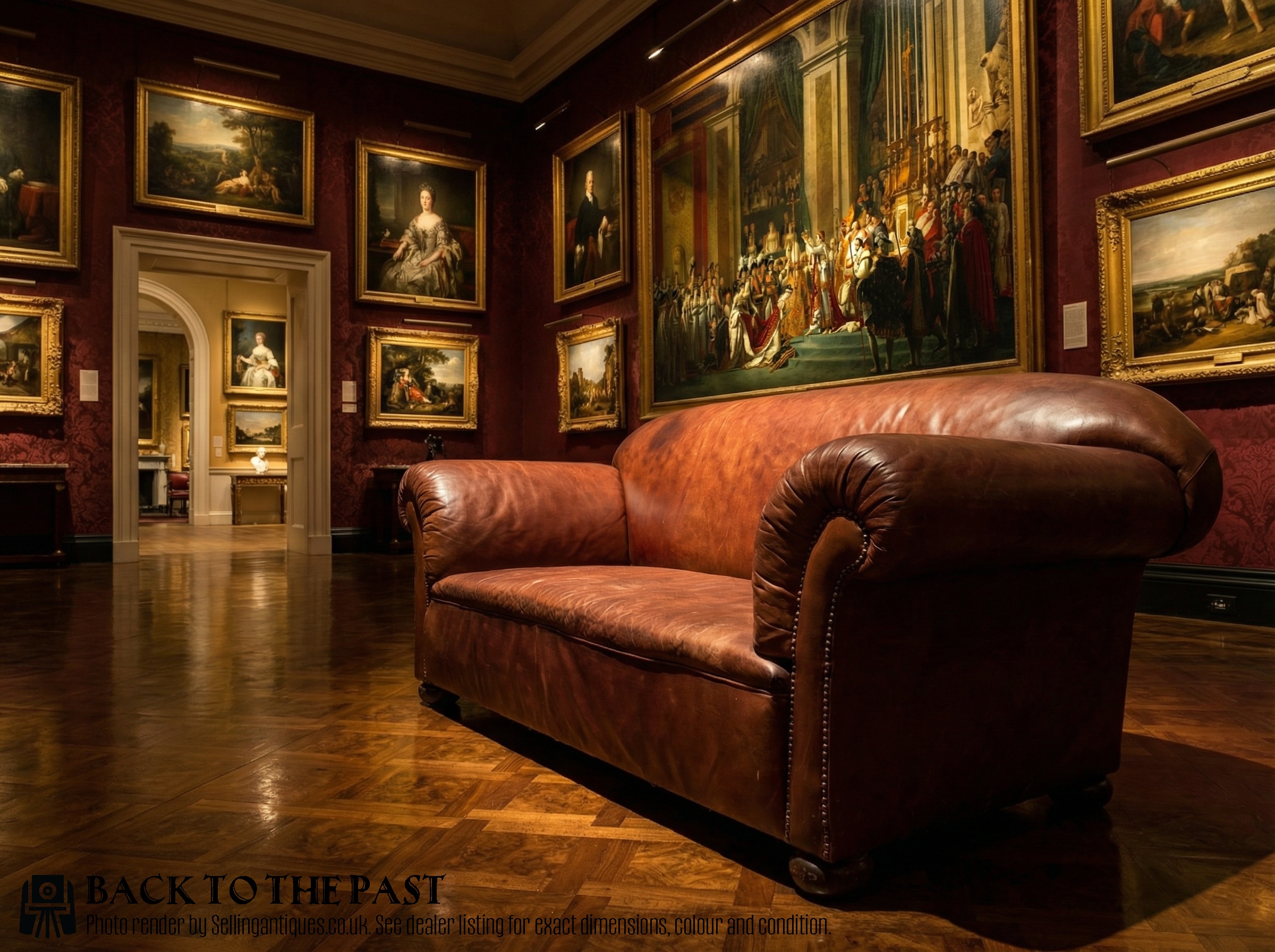
What vintage club sofa pieces are
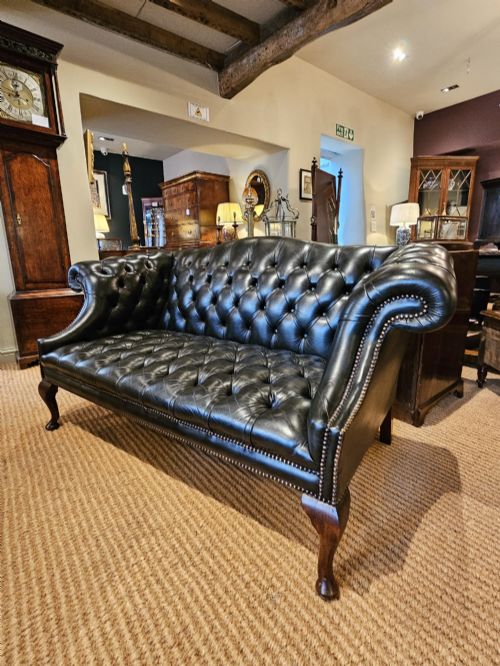
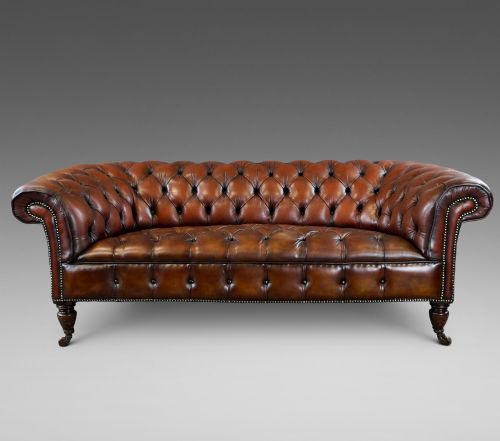
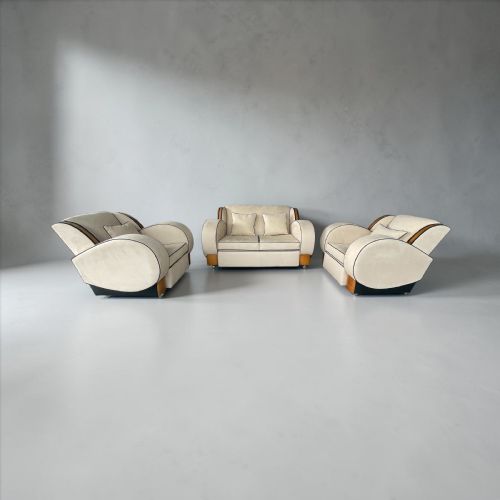
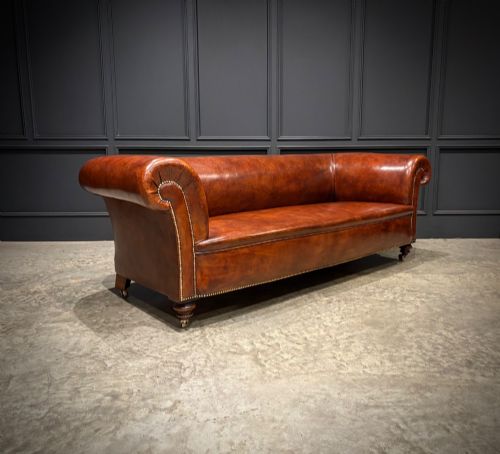
When you search for a vintage club sofa, you encounter deep, low-slung seating designed for lounging, most frequently represented here by traditional Chesterfield forms. These pieces appear across several distinct eras, spanning Victorian origins through Edwardian, nineteen-thirties Art Deco, and mid-century examples.
The dominant material format on this page is leather, appearing in various shades of patination from aubergine to original un-restored hides. Wooden frames and hardwood structures provide the underlying architectural support for these substantial items.

How they were made
Construction relies on robust hardwood frames combined with durable metal and brass components to ensure structural integrity. Artisans applied traditional upholstery methods to shape heavy hides over deep-sprung interiors.
Surfaces feature genuine leather, occasionally updated with specific automotive hides like Alfa Romeo leather, while linen also appears among the material selections. Brass detailing frequently accents the woodwork and upholstery tacks.
Retail Price Guide 2026
Typical UK retail prices for vintage club sofa, calculated from the Sellingantiques database of over a million retail prices indexed since 2003. This retail price guide relies exclusively on Sellingantiques data; no external sources or auction records are used, so the figures do not describe the wider market.
Listings span from Victorian and nineteen-eighties items up to nineteen-sixties mid-century pieces, utilising leather, hardwood, brass, and linen.
What varies in quality
Quality reveals itself in the depth of the leather's natural patina and whether the hide remains in an untouched, original state or has undergone re-upholstery. The integrity of the underlying hardwood frame and the prominence of makers, such as Maple and Co, elevate certain examples.
The character of the piece depends heavily on its period authenticity, distinguishing nineteenth-century craftsmanship from nineteen-thirties or mid-century production methods. Subtle variations in leather tones, from deep aubergine to rich browns, influence the overall visual weight and presence of the furniture.
Maple and Co
The Vintage Club Sofa Glossary
- Chesterfield
- A traditional style of sofa characterised by deep buttoning, rolled arms, and a back of the same height. This form dominates the leather seating found across these periods.
- Patina
- The surface sheen and softening developed on leather through age and use. Collectors value this natural ageing process for the distinct character it brings.
- Hardwood
- Dense timber derived from broad-leaved trees used for durable internal frames. It provides the heavy-duty skeleton required for large upholstered seating.
- Un-restored
- Condition describing a piece retaining its original materials without modern replacement parts. This preserves the authentic historical state of the item.
Frequently Asked Questions
What is a vintage club sofa?
A vintage club sofa is a heavily upholstered, deep seat typically covered in leather and originating from periods such as the Victorian era, nineteen-thirties, or mid-century.
These pieces function as central seating elements in a room, combining substantial hardwood frames with rolled arms and buttoned details.
How do I identify the age?
Dating relies on stylistic markers associated with specific eras, such as nineteenth-century Victorian proportions or nineteen-thirties Art Deco lines.
Evidence in the construction materials, including specific types of leather and hardwood, also points toward the decade of manufacture.
Are these sofas comfortable for daily use?
These pieces offer deep, low-slung seating designed originally for relaxed lounging in clubs and drawing rooms.
Their substantial dimensions and sprung interiors provide robust support for everyday seating requirements.
What maintenance do leather sofas need?
Leather surfaces require standard conditioning to keep the hide supple and prevent cracking over decades of use.
Preserving the natural patina involves avoiding direct heat sources and applying appropriate leather balms periodically.