



Traditional Leather Sofa
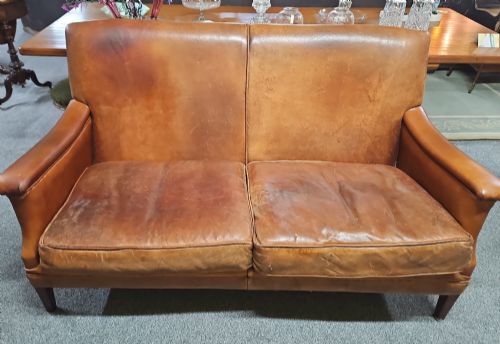
A traditional leather sofa brings enduring British craft and rich hides into a room, offering deep buttoning and sturdy timber frames that age with character.
Traditional Leather Sofa
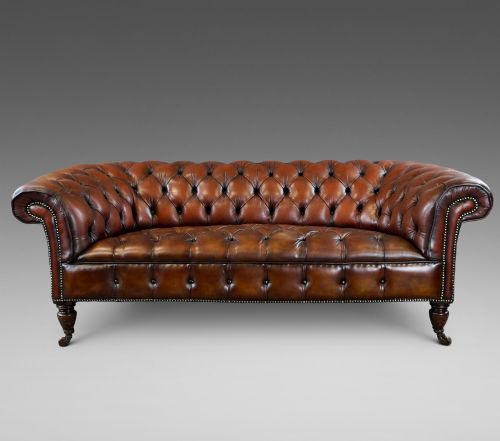
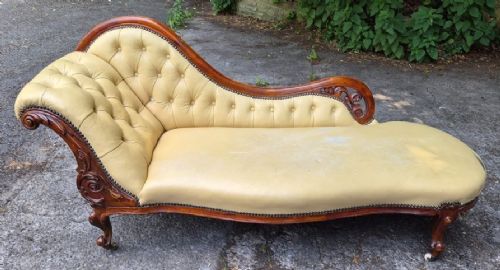
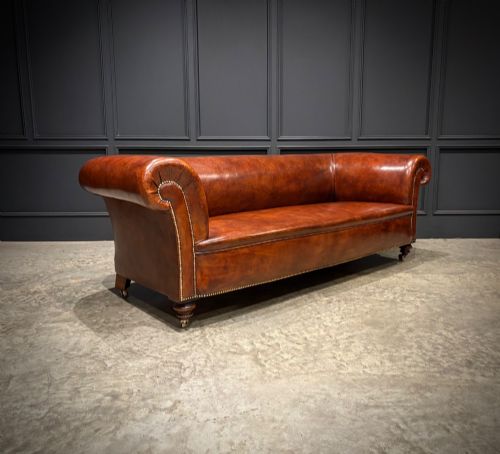
A traditional leather sofa represents a heritage seating form, most commonly found as a deep-buttoned Chesterfield originating from Victorian, Edwardian, or early twentieth-century periods. These seating options combine generous proportions with sturdy hardwood frames, often arriving in shades of brown, whiskey, or hand-dyed tones.
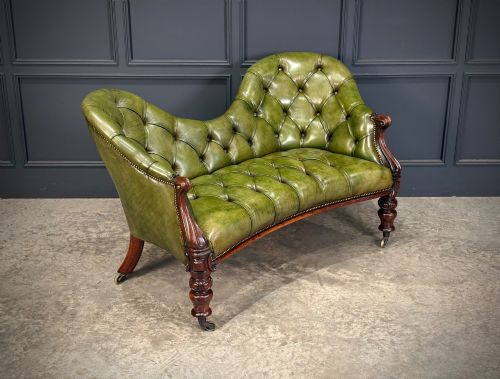
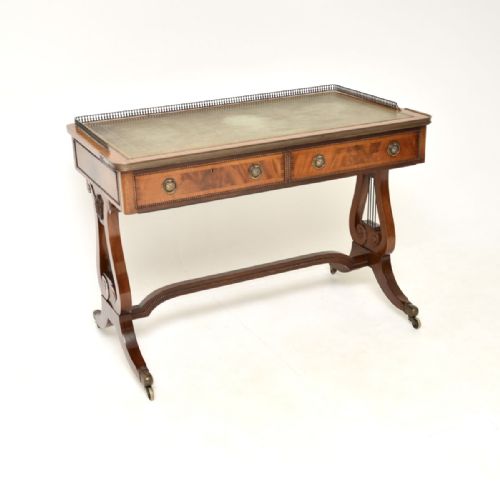
Buyers seeking a traditional leather sofa encounter various forms, ranging from classic three-seater Chesterfields to spoon-back settees and scroll-end designs. The selection draws heavily upon nineteenth-century craftsmanship and English country house aesthetics, alongside occasional writing tables and desks sharing similar material vocabularies.
How they were made
Makers constructed these pieces using dense hardwoods like mahogany and timber for internal framing, supporting the seat with fully loose coil springing and horsehair stuffing. Craftsmen then applied durable leather hides over the padded structures, securing the upholstery with precise buttoning.
Detailing often involved exposed mahogany frames, brass fittings, and hand-dyed leather finishes that developed distinct patinas over time. Workshops relied on traditional joinery methods to ensure the structural integrity of heavy settees and desks.
Traditional Leather Sofa Retail Price Guide 2026
Typical asking prices for traditional leather sofa among the pieces listed under this phrase on Sellingantiques today, from the lower quarter to the upper quarter. They describe what is for sale here now, not the wider market.
Listings feature traditional leather sofas spanning the Victorian, Edwardian, and Regency periods, alongside Edwardian armchairs and Victorian writing tables.
What varies in quality
Quality rests upon the integrity of the internal construction, particularly the resilience of the coil springs and the density of the horsehair stuffing beneath the hide. Superior examples maintain firm structural support and retain deep, even buttoning across the back and arms.
The nature of the leather itself defines the upper tiers of the range, distinguishing supple, original, or carefully hand-dyed hides from lesser replacements. Maker attribution to established workshops also elevates a piece through superior carved woodwork and refined proportions.
Howard and Sons·Hampton and Sons of Pall Mall·Maple and Co
The Traditional Leather Sofa Glossary
- Chesterfield
- A traditional upholstered sofa characterised by arms and back of the same height, typically featuring deep button tufting. This form remains a defining staple of nineteenth-century British seating.
- Buttoning
- An upholstery technique where indentations are formed in the padding by pulling twine through to the frame, often secured with leather-covered buttons. This method keeps internal stuffing evenly distributed.
- Hand-dyed
- A colouring process applied to leather hides to achieve rich, mottled tones such as whiskey brown or oxblood. This treatment accentuates the natural grain of the material.
- Horsehair gilled
- A traditional stuffing method utilising treated equine hair to pack and shape upholstered seats and backs. It provides firm, resilient padding that holds its form over decades.
- Scroll end
- A sweeping, curved armrest design found on nineteenth-century settees and sofas. This stylistic feature references Regency and Victorian furniture trends.
Traditional Leather Sofa: Frequently Asked Questions
What is hand-dyed leather?
Hand-dyed leather involves applying colour pigments manually to raw or crust hide, creating tonal depth and varied patinas. This process allows restorers to match historical colour palettes.
Over time, hand-dyed surfaces absorb oils and develop unique wear patterns that enhance the antique appearance of the sofa. It differs from uniform factory-applied pigmentation.
Are these sofas comfortable for daily use?
Traditional leather sofas utilise coil springing and horsehair stuffing designed to offer firm, supportive seating. Their deep proportions suit relaxed lounging.
Because internal padding materials settle over decades of use, comfort depends on the current condition of the upholstery webbing and springs. Professional restoration often restores original support levels.
How should I care for antique leather?
Antique leather requires regular dusting and periodic conditioning with appropriate balms to prevent the hide from drying out. Avoid placing leather furniture near direct heat sources.
Gentle maintenance preserves the original patina and prevents cracking in nineteenth-century and early twentieth-century skins. Professional leather conservators can advise on specific treatments.