


Deep Buttoned Leather Sofa
A deep buttoned leather sofa brings substantial character and rich texture into a room through traditional upholstery and robust timber framing.
Identifying a deep buttoned leather sofa
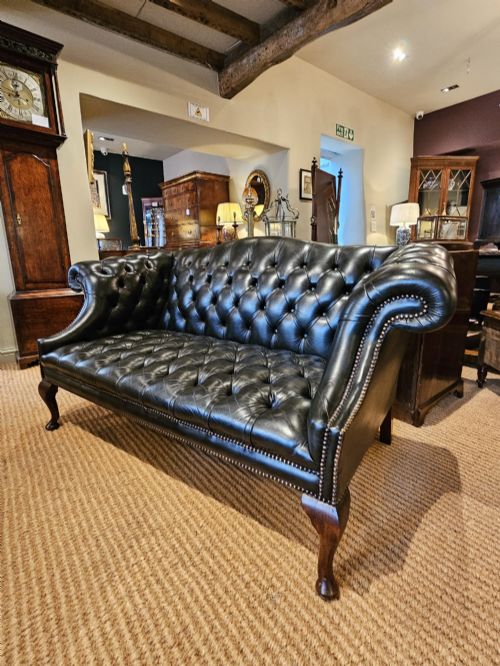
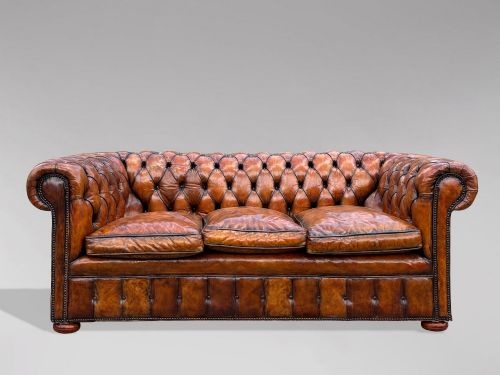
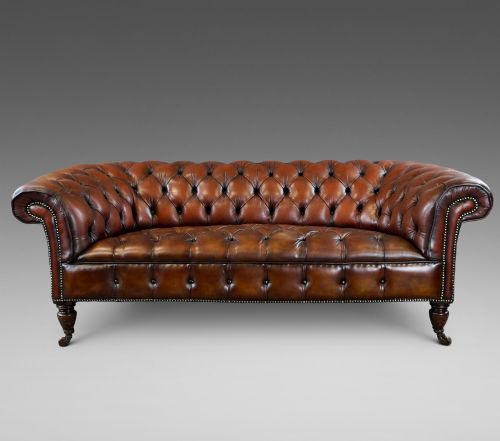
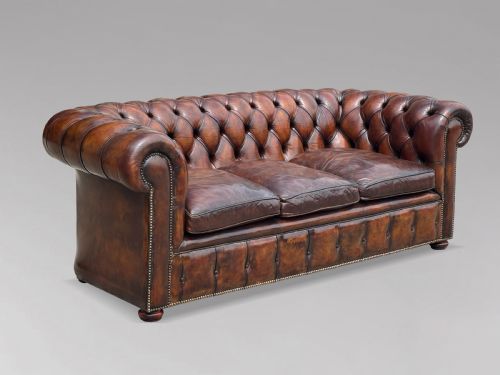
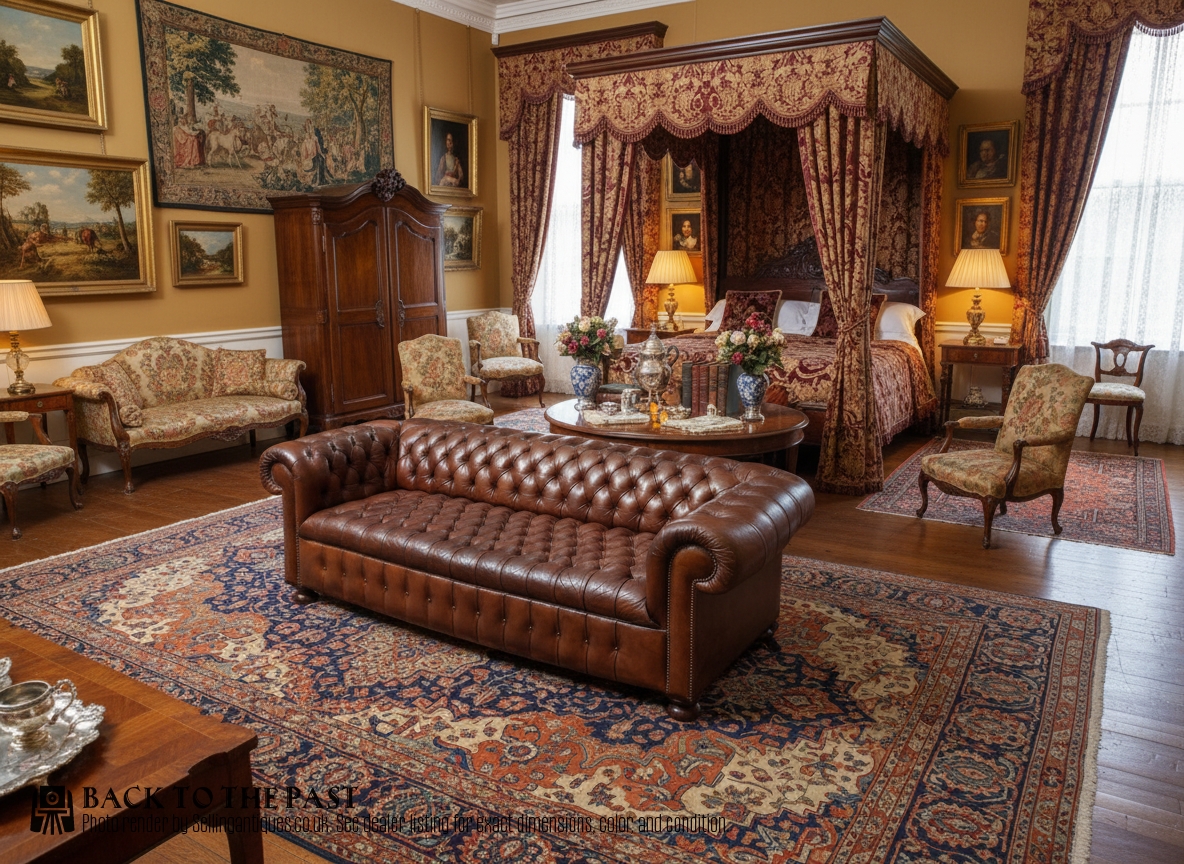
A deep buttoned leather sofa typically takes the form of a Chesterfield, featuring scrolled arms and a low back designed for formal or relaxed seating. These pieces emerge from periods spanning the Regency era through to the 1930s, incorporating Victorian and Edwardian examples.
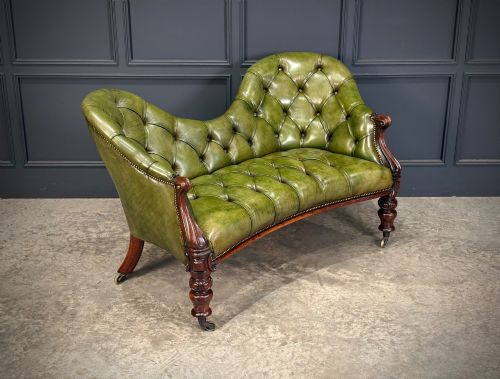
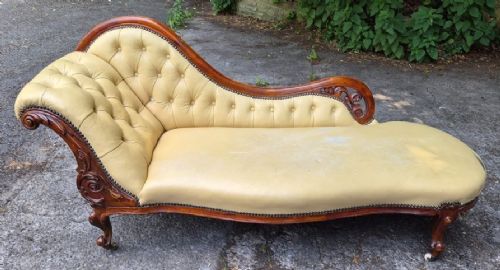
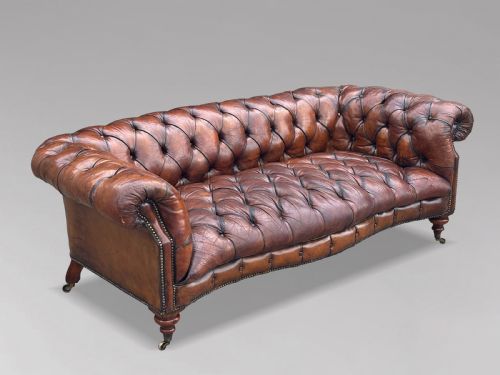
Beyond standard Chesterfields, variations include hump back shapes, wing back settees, serpentine fronted designs, and occasional conversational seating. Timber frames utilise materials such as mahogany and rosewood beneath the upholstery.
Construction and materials
Frames rely on sturdy timbers including mahogany, rosewood, and general wood or timber to provide a solid structural base for heavy upholstery. Metal and brass components frequently secure or accent the work.
Upholstery involves fitting leather over deep tufting and buttoning techniques. Surfaces arrive either in raw leather ready for hand dyeing, in restored whiskey brown tones, or in un-restored original states.
Retail Price Guide 2026
Typical UK retail prices for deep buttoned leather sofa, calculated from the Sellingantiques database of over a million retail prices indexed since 2003. This retail price guide relies exclusively on Sellingantiques data; no external sources or auction records are used, so the figures do not describe the wider market.
Materials recorded include mahogany, rosewood, brass, and raw leather awaiting hand dyeing.
Distinguishing quality in older seating
Quality rests in the integrity of the underlying timber frame and the depth of the hand tufting work. Pieces with carved frames or specific stylistic influences show greater ambition in their joinery and design.
The treatment of the hide creates a distinct split between examples kept in untouched original condition and those subjected to careful restoration and hand dyeing. The precision of the buttoning dictates the overall visual rhythm across the back and arms.
Howard & Sons·John Taylor & George Smith
The Deep Buttoned Leather Sofa Glossary
- Chesterfield
- A traditional style of sofa characterised by low backs and rolled arms of equal height. This form relies heavily on deep buttoning across the entire inner back and arms.
- Deep buttoning
- An upholstery method where tufts are pulled tight and secured with buttons to create a diamond pattern across the leather. This technique provides both structural tension and plush cushioning.
- Serpentine front
- A gently undulating front rail on a piece of furniture that curves outward in the centre and inward toward the ends. This shaping adds architectural movement to the base of the sofa.
- Wing back
- A seating design featuring protective side panels attached to the arms and rising up to shield the head from drafts. It appears on both standard sofas and specific settees.
- Hand dyed
- A finishing process applied to leather surfaces to achieve specific colour depths such as whiskey brown. This method allows customisation of raw or stripped hides.
Frequently Asked Questions
How do I care for antique leather?
Maintain the hide by applying appropriate conditioning treatments regularly to prevent drying and cracking.
Keep the piece away from direct heat sources and strong sunlight to preserve the colour and suppleness.
Are these sofas comfortable for daily use?
The deep buttoning and padded construction provide firm support suited to extended sitting.
Spring placement and cushion filling vary by period, influencing the overall softness of each specific seat.
How do I date a leather sofa?
Examine the timber frame construction, joinery methods, and the style of the feet or carved elements.
Compare the specific silhouette, such as a hump back or scroll arm, against known Victorian, Regency, or Edwardian traits.
What is the difference between restored and un-restored?
Un-restored pieces retain their original weathered hide and historical patina, showing age naturally.
Restored examples have undergone work to repair the leather, frame, or interior stuffing, often including hand dyeing.