


Rolled Arm Chesterfield
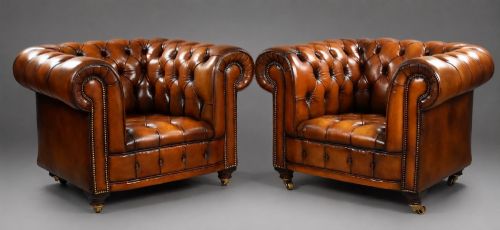
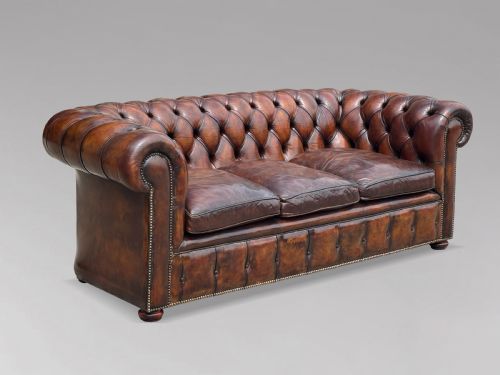
A rolled arm chesterfield is a traditional upholstered seat offering deep buttoning and generous proportions, prized for comfort and presence in a room.
Rolled Arm Chesterfield
When you search for a rolled arm chesterfield, you are looking at large, substantial seating options designed primarily as sofas, settees, and occasionally matching armchairs. These pieces form the backbone of traditional English seating and appear frequently in nineteenth century Victorian contexts, alongside later Edwardian and mid-century interpretations.
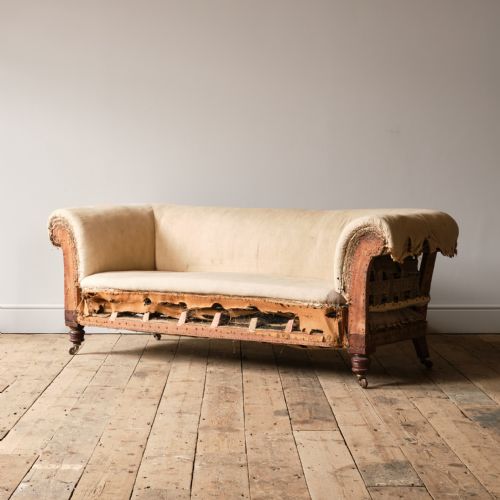
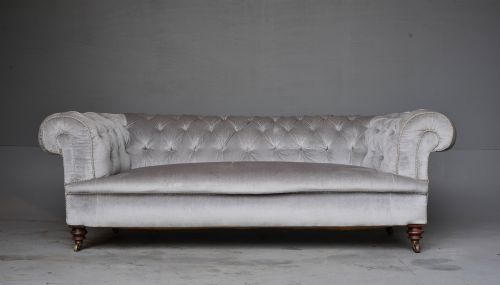
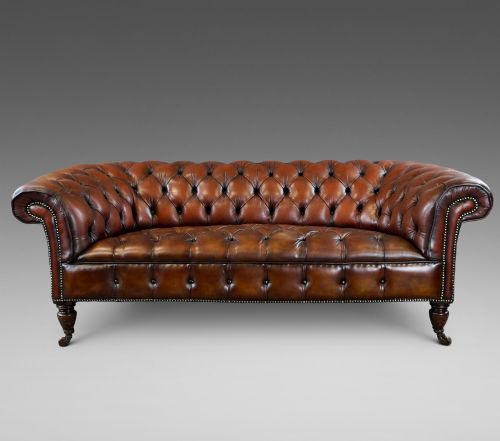
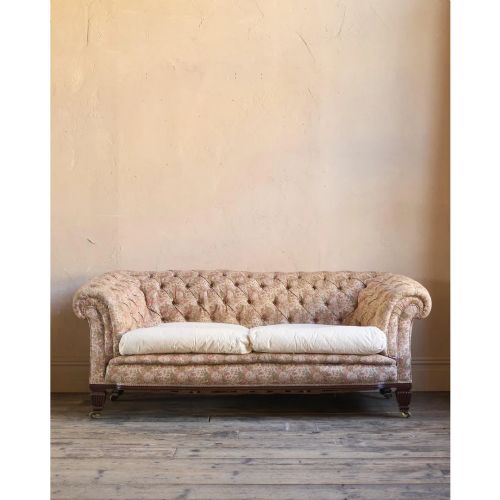
The most common form you will meet on this page is the three-seater or two-seater sofa upholstered in leather, often featuring deep buttoning across the backrest and arms. Examples range from large antique pieces awaiting reupholstering to fully restored items finished in hand-dyed leathers or alternative fabrics like calico.
Materials and construction
The foundational structure relies on timber frames, utilising sturdy woods and mahogany to build a rigid skeleton capable of supporting heavy upholstery. Brass elements occasionally appear in hardware details or castors, anchoring the base of these substantial pieces.
Leather dominates the surface material, paired with traditional stuffing and deep buttoning techniques that pull the hide into distinct geometric patterns. Workshops also utilise fabric, calico, and specialised automotive leathers for subsequent restorations and custom finishes.
One historical piece arrived upholstered in leather from an Italian sports car.
Judging quality and character
The distinction between average and exceptional pieces rests in the integrity of the original frame and the character of the leather. Untouched original leathers that show a rich, aged patina sit at the top of the range, whereas heavily altered or poorly reconstructed frames command less interest from serious collectors.
Proportion and execution of the deep buttoning also dictate value, with finer items maintaining strict symmetry and tight pleating across the rolled arms. Maker attribution plays a significant role, as pieces originating from established workshops carry superior framing and joinery.
Howard & Sons·Hampton & Sons of Pall Mall
The Rolled Arm Chesterfield Glossary
- Chesterfield
- A large upholstered sofa traditionally featuring arms of the same height as the back. This form serves as the primary category for these heavy seating pieces.
- Deep buttoning
- An upholstery technique where buttons are driven deep into the padding and secured to the frame, creating a diamond pattern of folds. This method defines the classic look of nineteenth-century examples.
- Calico
- A plain-woven textile often used as an under-upholstery layer or for pieces sold ready for final covering. It allows buyers to select their own exterior fabric or leather.
- Hand-dyed leather
- Hides treated with colour washes after application or during restoration to achieve specific tones like amethyst, aubergine, or traditional brown. This process enhances the natural grain of the material.
Rolled Arm Chesterfield: Frequently Asked Questions
How do I date a chesterfield?
Dating relies on examining the framing timbers, upholstery methods, and the style of the leather or fabric covering. Nineteenth-century examples typically feature heavier wooden frames and hand-stitched internal components compared to later twentieth-century iterations.
Changes in padding materials and castor types also help pinpoint the era of manufacture. Consulting the specific period notes in each listing provides further clarity.
Are these sofas comfortable for daily use?
These seating pieces are designed for deep, supportive lounging thanks to their generous proportions and sprung seats. The substantial backrests and padded arms provide a comfortable seating experience suitable for daily living spaces.
Restored versions often retain their original spring tension while offering refreshed internal padding. This ensures modern comfort within a traditional antique frame.
What is raw leather?
Raw leather refers to hides that have not yet received their final surface dye or colour treatment. This leaves the surface open for custom dyeing to a buyer's preferred shade.
Listings offering this option allow for bespoke finishing while retaining the antique frame underneath. It is a common approach for pieces undergoing full restoration.
How do I care for antique leather?
Antique leather requires gentle cleaning and periodic conditioning to maintain its flexibility and prevent cracking. Avoiding direct sunlight and excessive heat preserves the natural oils within the historic hide.
Original un-restored leathers particularly benefit from minimal, careful maintenance to protect their aged patina. Specialist leather balms help safeguard the surface without altering the historic colour.