
Antique Style Reading Chair
An antique style reading chair offers a dedicated place for quiet study, blending period proportion with deep upholstery.
Antique Style Reading Chair
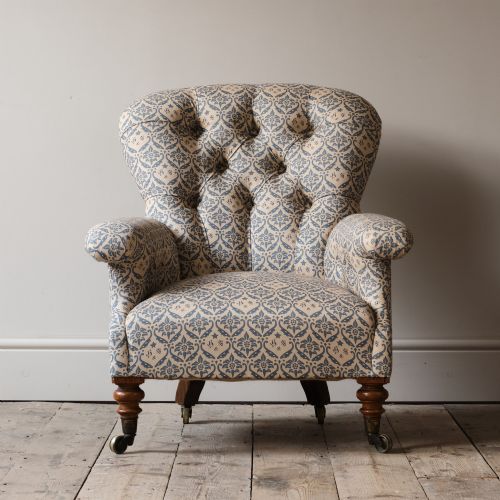
When you search for an antique style reading chair, you encounter seating designed for libraries, studies, and drawing rooms across several centuries. The selections span from eighteenth-century George III library chairs to nineteenth-century wingbacks and tub chairs.
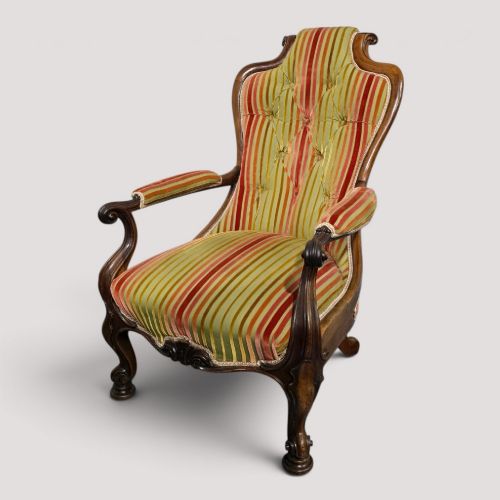
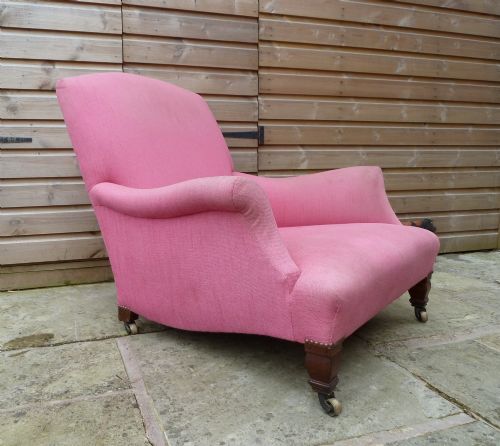
Armchairs and desk chairs dominate the forms, frequently appearing in revival styles such as Georgian, Regency, and Queen Anne. Many examples echo the maker designs of Gillows or Howard and Sons, bringing established historical silhouettes into domestic spaces.
Materials and Construction
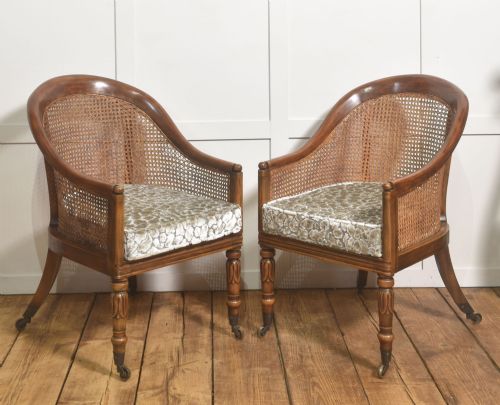
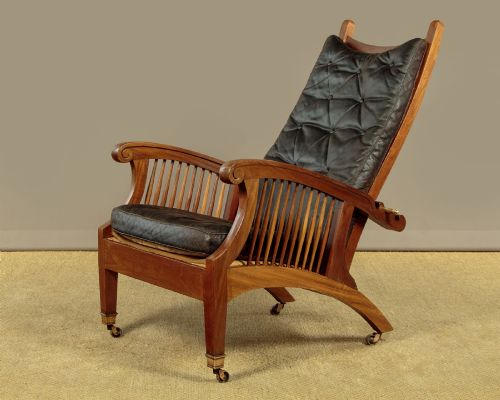
Frames are constructed from solid hardwoods including mahogany, walnut, and oak, often featuring carved details, brass accents, or caning. Joinery relies on traditional methods to support heavy use and substantial timber frames.
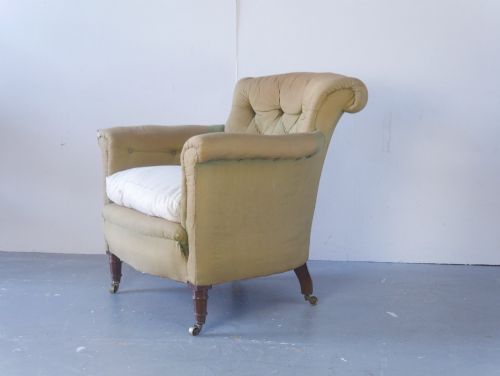
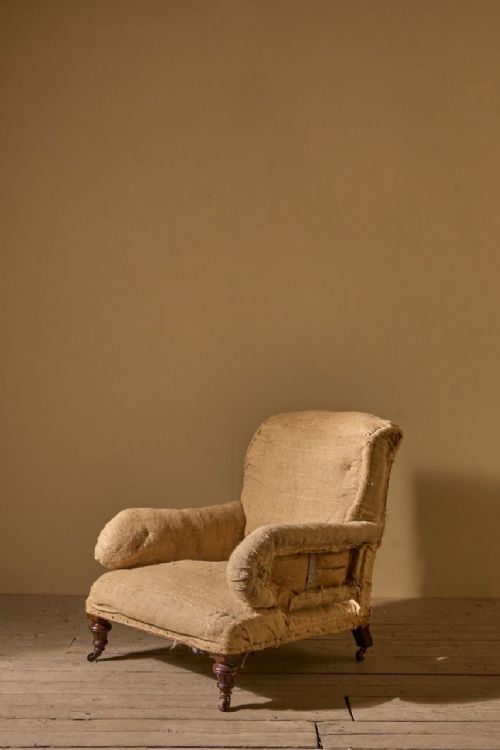
Upholstery employs traditional stuffing beneath layers of leather, velvet, fabric, or calico. Leather finishes are hand-dyed, while fabric applications range from period-appropriate cottons to heavy pile textiles.
Listings feature frames constructed from mahogany, walnut, and oak, upholstered in leather, velvet, and calico across eighteenth and nineteenth-century styles.
Craftsmanship and Proportion
The distinction between tiers rests upon the integrity of the frame carving and the fidelity of the period revival style. Superior examples display precise joinery, balanced proportions, and careful selection of timber grain.
Upholstery execution dictates comfort and longevity, separating standard production from workshops that maintained rigorous internal stuffing standards. Original or sympathetic recovering preserves the structural silhouette without distorting the chair lines.
Howard and Sons·Gillows
The Antique Style Reading Chair Glossary
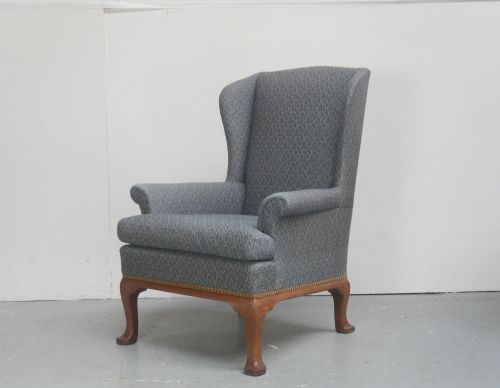
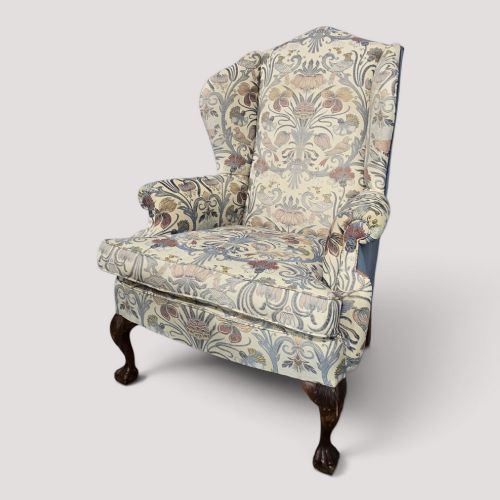
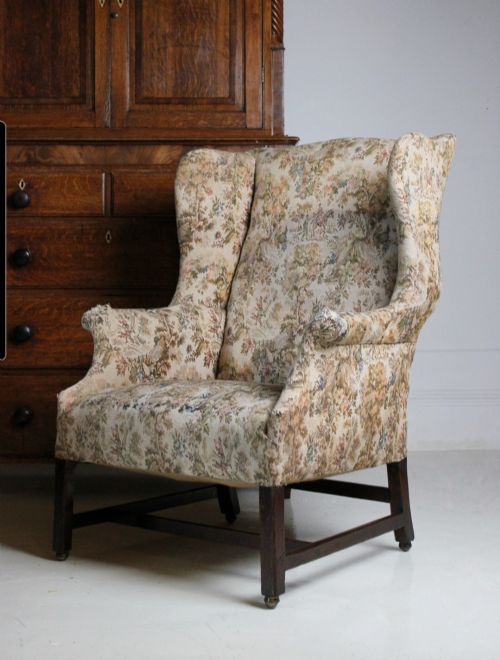
- Wingback armchair
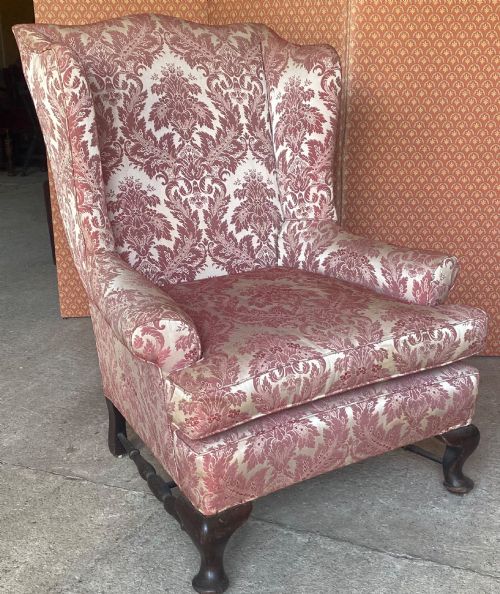
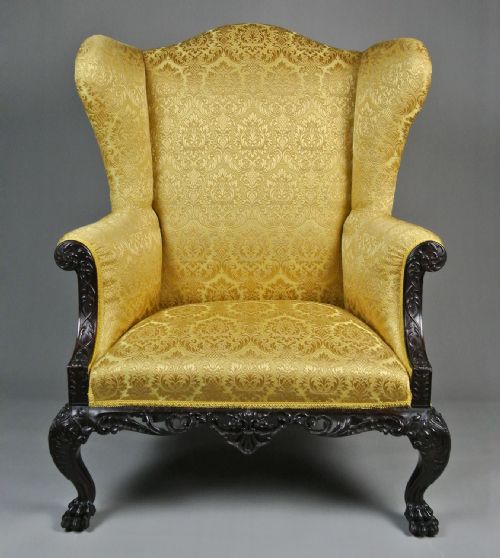
- A seat featuring protective side panels designed to shield the occupant from draughts while seated near a fireplace. This form dates back to the seventeenth century and remains prevalent in library settings.
- Gainsborough chair
- A wide, open-armed seat with a padded back and seat, typically upholstered in leather or silk. It emerged during the mid-eighteenth century for use at a desk or in a library.
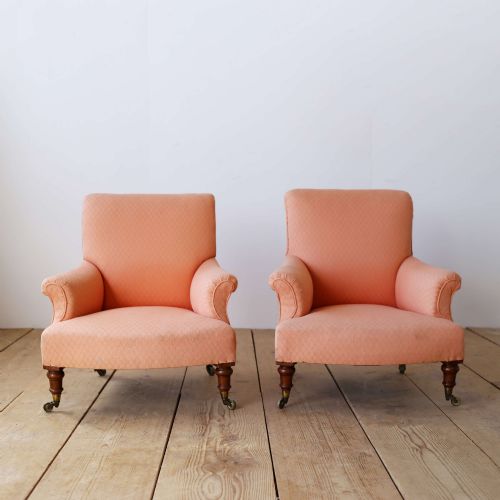
- Tub chair
- A fully upholstered seat where the arms curve continuously into a rounded backrest. These pieces often feature exposed wood frames or cane panels.
- Bergere
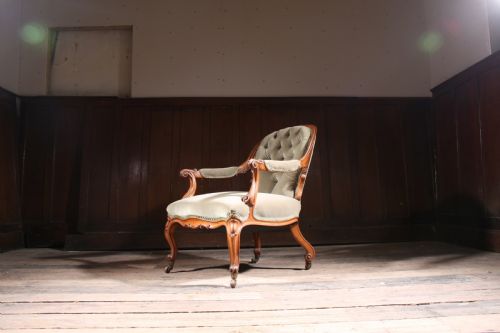
- An enclosed armchair with upholstered sides and back, originating in France. The frame is frequently show-wood carved in walnut or beech.
Antique Style Reading Chair: Frequently Asked Questions
What defines a library chair?
A library chair is built for prolonged reading, typically featuring supportive armrests and a comfortable upholstered back. These seats are proportioned to sit easily beside bookcases or writing desks.
Many examples incorporate leather upholstery or swivel mechanisms to assist with access to volumes stored around a room.
How do I identify a wingback chair?
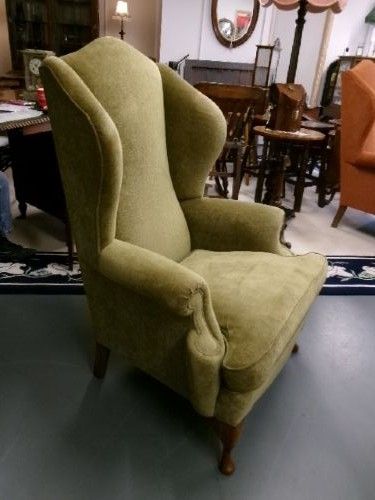
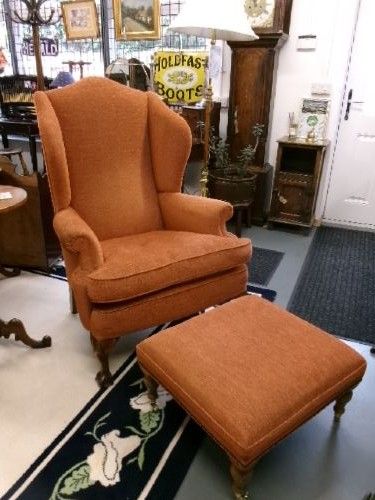
Wingback chairs are distinguished by the projecting side panels attached to the armrests or back frame. These wings originally served to trap heat from a fire and block cold room draughts.
In modern interiors, they function as statement reading seats that offer privacy and acoustic shelter.
Are these chairs suitable for daily use?
These armchairs are constructed from solid hardwoods like mahogany and walnut, making them structurally robust for everyday sitting. Traditional joinery ensures they withstand regular placement in active living spaces.
Checking the internal webbing and padding condition helps confirm whether a piece requires professional re-upholstering for comfort.
What is a Gainsborough chair?
A Gainsborough chair is a wide, open-armed desk or library seat with a padded back and seat. Originating in the Georgian era, it allows freedom of movement for the arms while writing or reading.
They frequently appear upholstered in hand-dyed leather with mahogany frames and blind-carved details.