

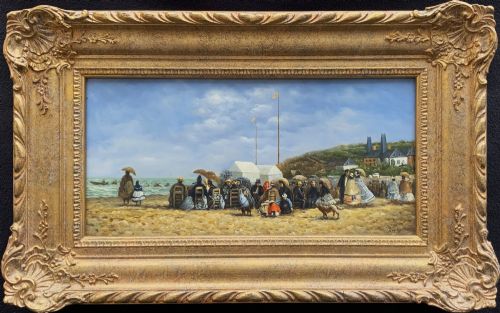
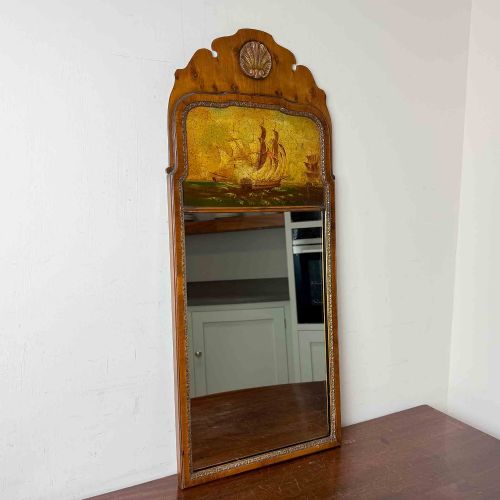
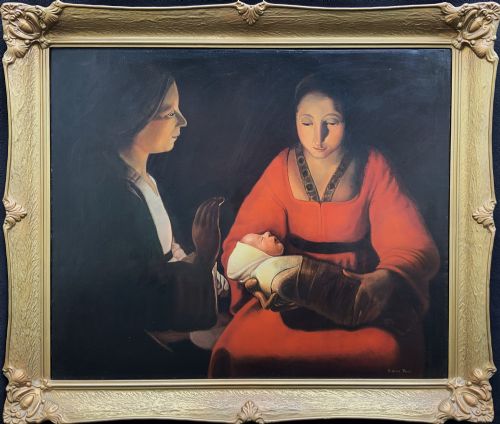

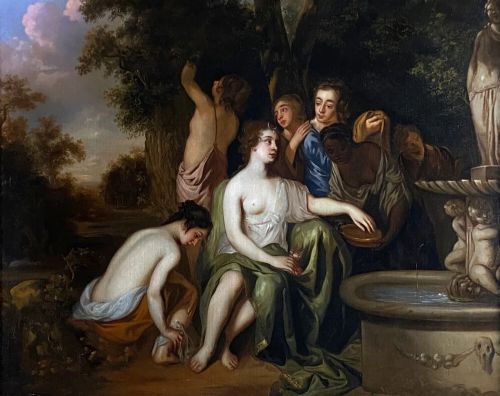


Antique Style Framed Painting
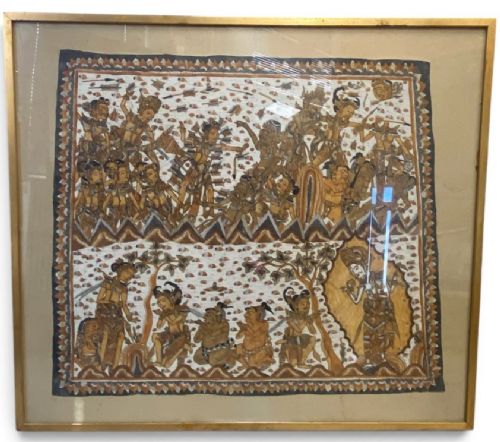
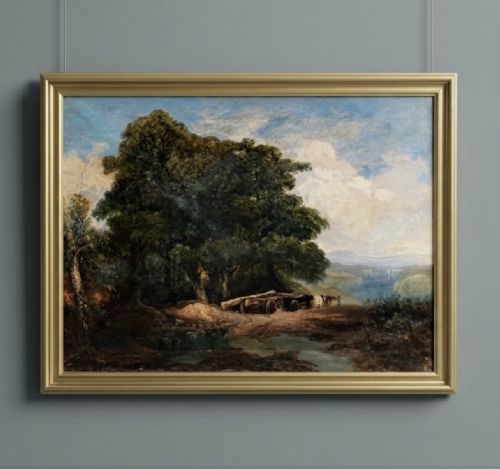
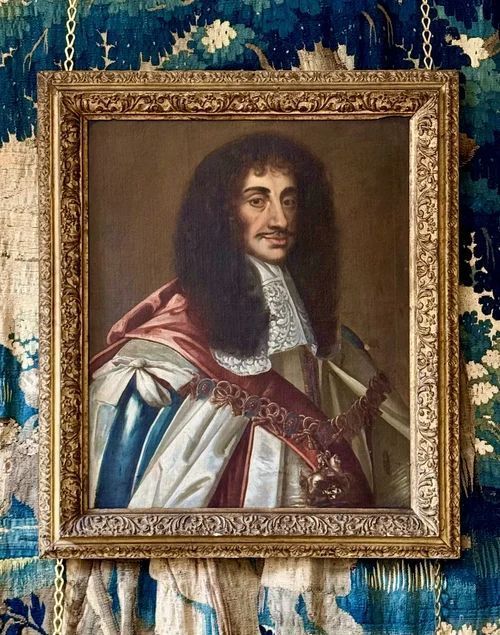
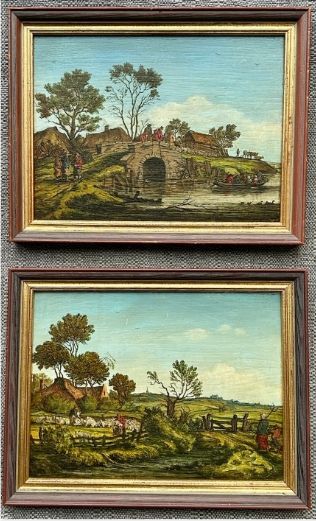
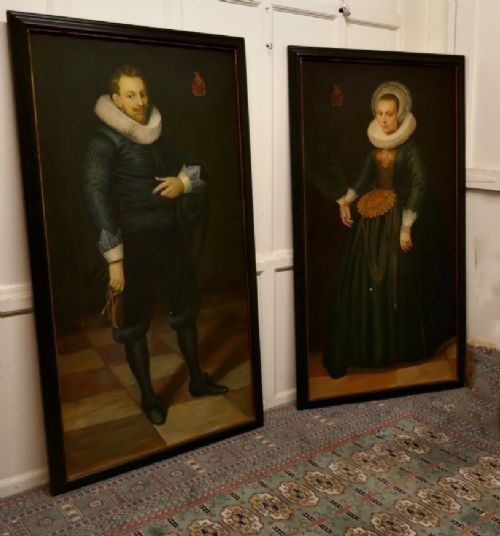
An antique style framed painting brings historical portraiture, landscape and still life into a room through traditional canvases and ornate surrounds.
Antique Style Framed Painting
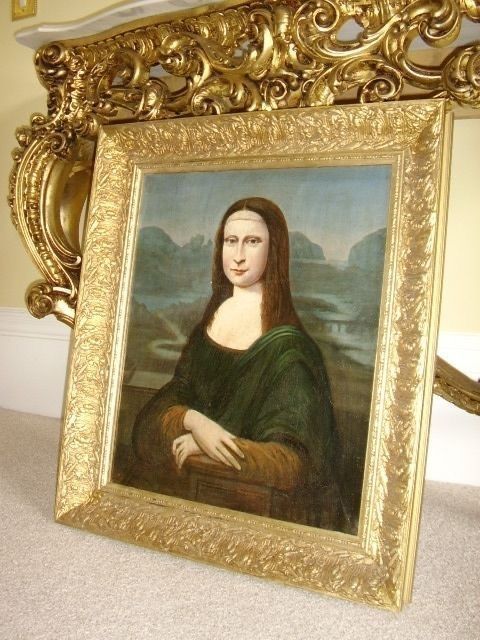
When searching for an antique style framed painting, a buyer encounters works spanning from the seventeenth century through to the mid-twentieth century, including period originals, later copies after masters, and revival pieces.
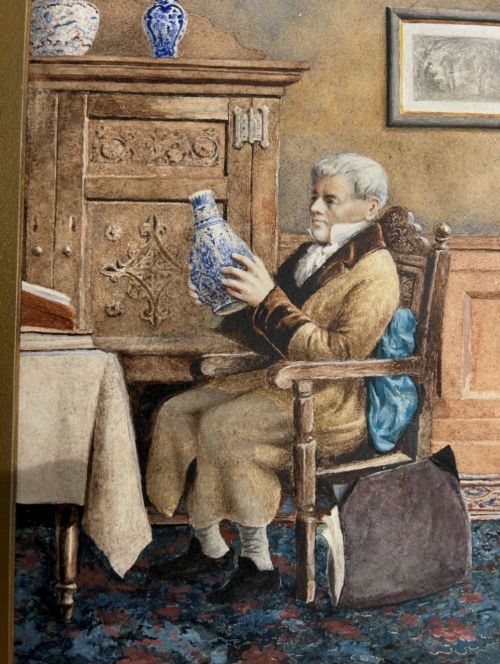
The selection on this page ranges widely across subjects such as romantic landscapes, noble portraits, Dutch style floral still lifes, and classical scenes executed in oil on canvas, wood panels, and watercolour.
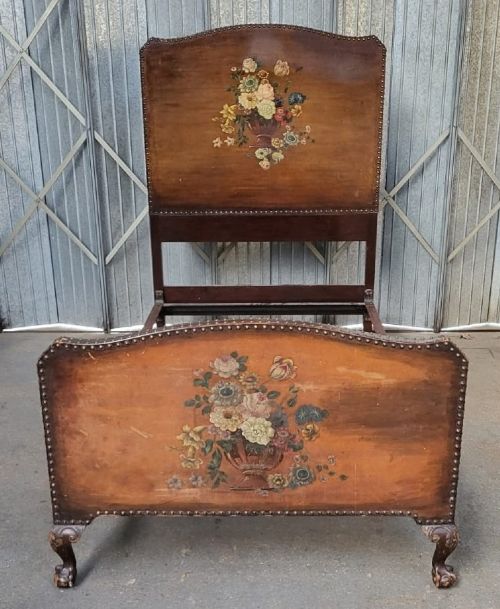
Framed works often incorporate period surrounds like carved giltwood and gesso, while related pieces combine paintings directly into architectural mirrors or furniture.
How they were made
Makers built these pieces using oil paint applied to stretched canvas or wooden panels, sometimes employing watercolour, gouache, or charcoal on paper.
The outer surrounds rely on timber such as wood and yew, shaped and finished with gesso, gold leaf, or giltwood to create ornate decorative profiles.
Common substrate materials include canvas, wood panels, and paper, paired with giltwood, gesso, and gold leaf framing.
What varies in quality
Quality rests upon the skill of the brushwork and the depth of the composition, distinguishing confident hand-painted artistry from standard decorative copies.
The construction of the frame dictates overall character, separating simple mouldings from deeply carved, gilded wooden surrounds that complement the artwork.
Richard Sebastian Bond·Georges de La Tour·Sir Anthony van Dyck·Sir Peter Lely·John Hayls·Jeremiah Davison·Sir Joshua Reynolds·Leon Sprinck
The Antique Style Framed Painting Glossary
- Giltwood
- Wood carved and coated with gold leaf or gold paint to create a brilliant decorative surface. This finish appears frequently on ornate period picture frames and mirrors.
- Gesso
- A plaster-like mixture applied to wooden frames as a smooth base for gilding and intricate relief moulding. Craftsmen carved crisp decorative details directly into this hardened layer.
- Oil on canvas
- Pigment mixed with drying oil applied to a woven fabric support stretched over a wooden frame. This medium allowed artists to achieve rich colour depth and subtle tonal shading.
- Trumeau
- A decorative wall mirror featuring an oil painting set into the upper portion of the frame. These architectural pieces originated in eighteenth-century France.
- Provenance
- The documented history of ownership that traces a work of art from its creation to the present day. Such records help verify the origin and authenticity of older paintings.
Antique Style Framed Painting: Frequently Asked Questions
How do I date an old painting?
Dating relies on examining the canvas weave, stretcher construction, nail types, and the ageing of the oil paint itself. Stylistic clues within the subject's clothing and hair also provide reliable chronological markers.
Secondary evidence comes from the frame, though older artworks frequently received new surrounds during subsequent centuries to match changing interior fashions.
Are these works original or copies?
The selection includes both period originals painted from life and deliberate copies made after famous historical masters. Many artists historically painted replicas of renowned portraits or landscapes for study or commission.
Each piece carries its own context, whether created as a contemporary record of its era or as a later homage to classical composition.
How should I hang and care for oil paintings?
Paintings require stable indoor environments away from direct sunlight, dampness, and extreme temperature fluctuations caused by radiators. Proper wall positioning prevents the canvas from sagging and protects the gesso and giltwood frame from drying out.
Dusting should be done gently with a soft, dry brush, avoiding any liquid cleaners or chemical solvents on the painted surface.
What is a Dutch style still life?
Dutch style still life paintings focus on meticulously arranged floral bouquets, fruit, and symbolic objects against dark backgrounds. This genre gained immense popularity in the seventeenth century and inspired later revival works.
Artists emphasised botanical detail and dramatic lighting to create rich textures and a strong sense of depth.