
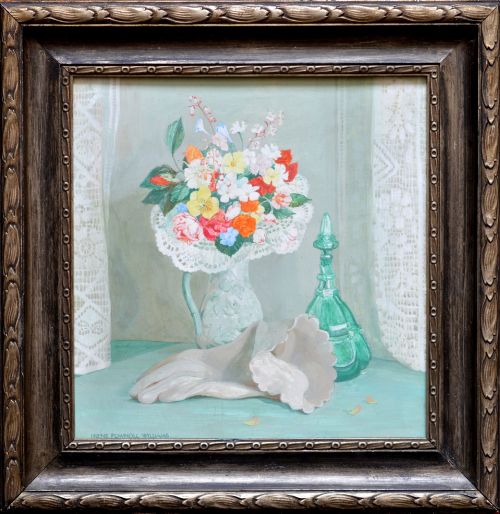
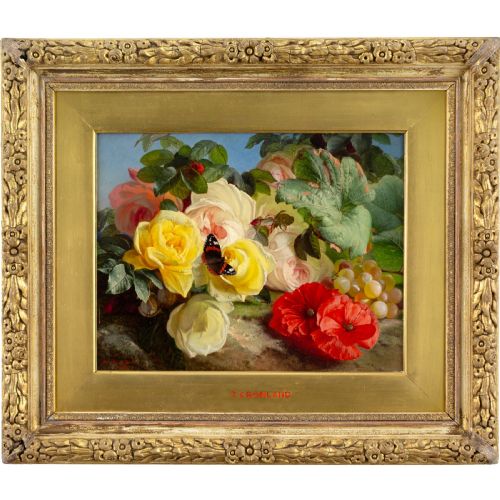
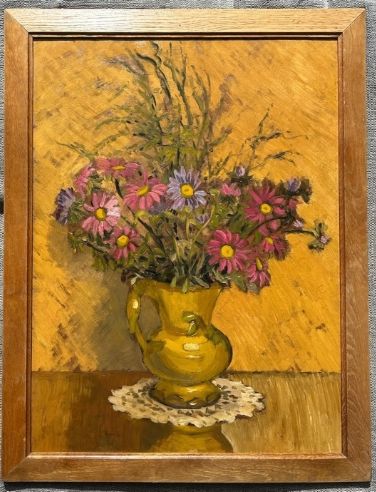
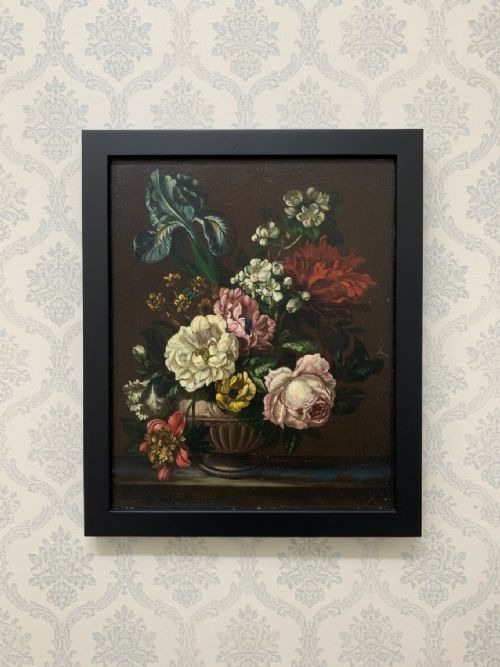
Still Life Flower Artwork
Still life flower artwork captures composed natural beauty, offering enduring colour and detail through centuries of painting traditions.
Still Life Flower Artwork
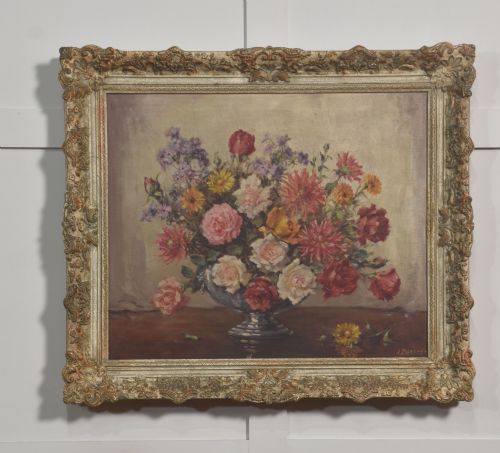
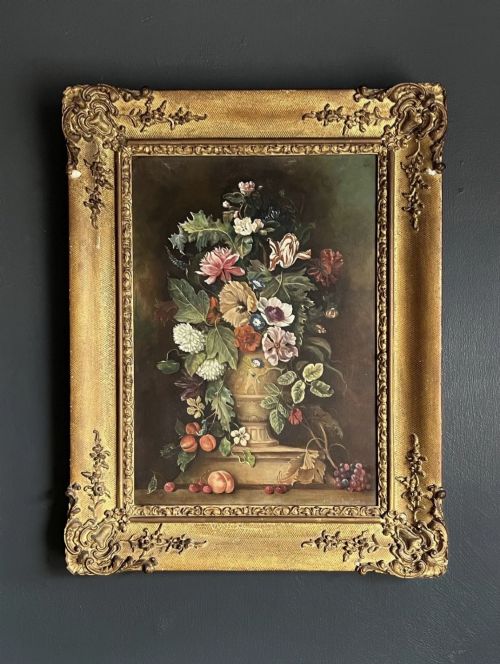
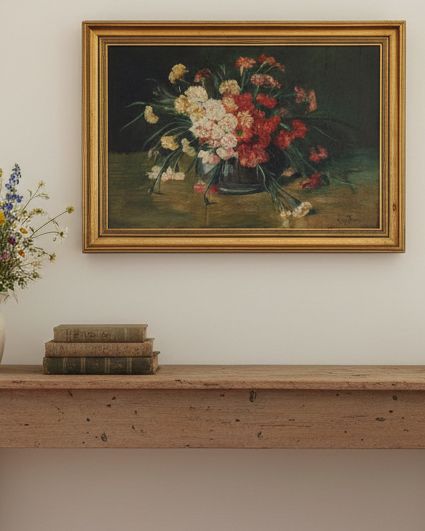
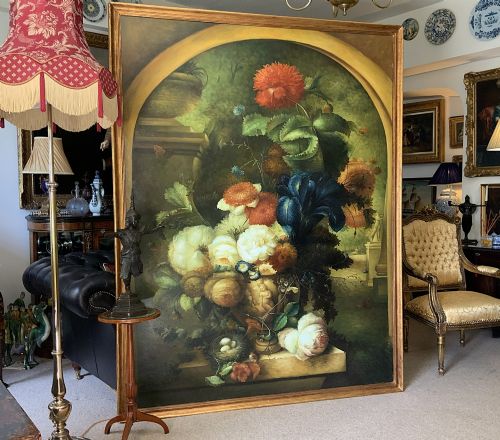
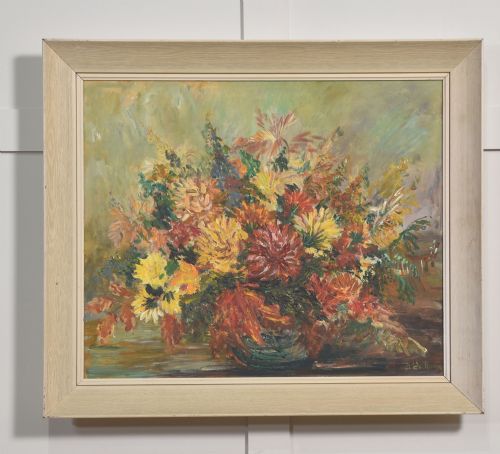
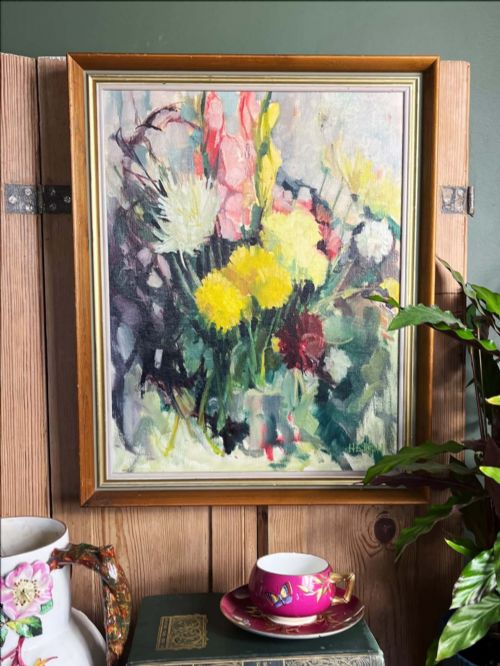
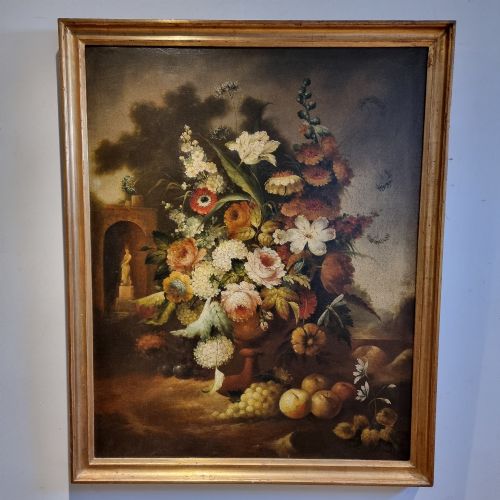
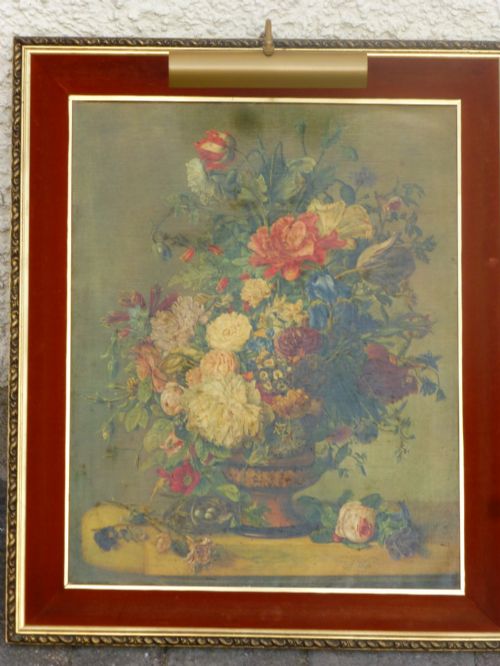
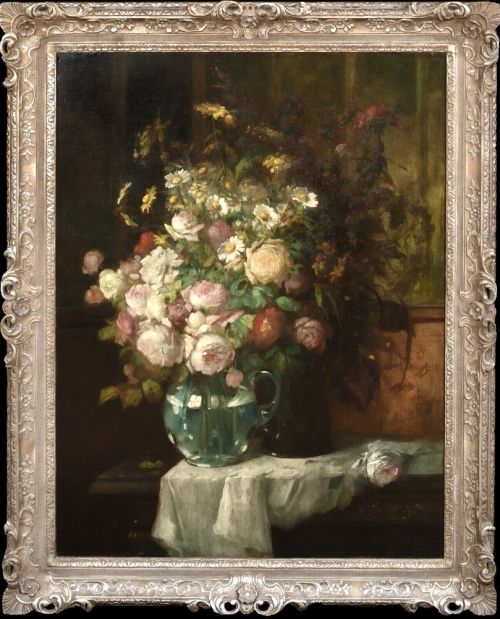
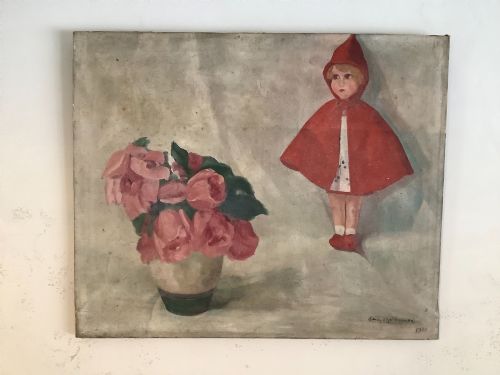
When a buyer searches for still life flower artwork, they encounter painted and drawn studies of cut blooms arranged in vases, baskets, and bowls. These pieces range from seventeenth-century Dutch compositions to mid-century impressionist interpretations.
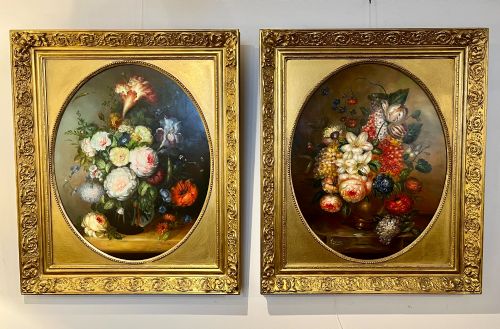
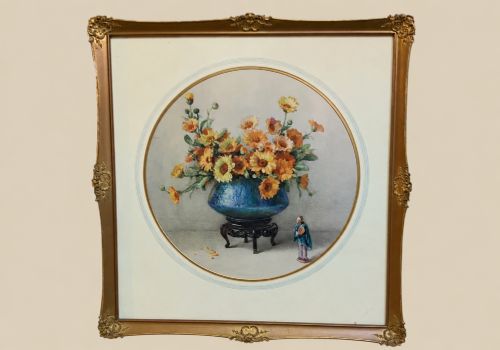
The selections available include works executed in oil on canvas or panel, alongside watercolours on paper and pastel studies. Many examples arrive in period frames, including gilt gesso surrounds that complement the subject matter.
Nineteenth-century and early twentieth-century interpretations dominate the available selection, featuring British, Dutch, and continental European hands. Buyers frequently meet works attributed to named artists alongside pieces from regional schools.
Materials and construction
Artists painted primarily with oil paint on canvas or wooden panels, building rich textures and deep tones. Some works utilise tempera or watercolour on paper, capturing lighter botanical details.
Frames incorporate wood and gold leaf, often finished with moulded gesso ornamentation to accent the painted canvas within.
Artworks incorporate diverse techniques including oil, watercolour, tempera, pastel, and oleograph print reproductions.
Evaluating quality
The degree of observation in the petal structures and the handling of light distinguish individual works. Superior examples demonstrate confident brushwork and harmonious colour balance rather than rigid symmetry.
The integration of the subject with its container and background reveals the painter's spatial control. Framing also contributes significantly, where period gilt gesso settings elevate the presence of the canvas.
Theude Grönland·Irene Christobelle Pownoll Williams·Emma Fordyce MacRae·Gaspar Peeter Verbruggen·Simon Pietersz Verelst·Konstantin Stoitzner·Owen Bowen·James Tower·Amile Coppieters
The Still Life Flower Artwork Glossary
- Oil on panel
- A painting executed on a wooden board rather than stretched fabric. This rigid support provides a stable surface for detailed botanical work.
- Gilt gesso
- A plaster-based material applied to wooden frames and covered in gold leaf. It creates ornate, reflective borders popular in nineteenth-century framing.
- Tempera
- A permanent, fast-drying painting medium consisting of coloured pigment mixed with a water-binder. It yields a matte finish suited to panel paintings.
- Oleograph
- A mechanical reproduction on canvas that simulates an oil painting. These prints often replicate popular nineteenth-century compositions.
- Impressionism
- A style of painting emphasising visible brush strokes and the shifting effects of light. Practitioners focus on overall visual impression rather than microscopic detail.
Still Life Flower Artwork: Frequently Asked Questions
How do I date an antique floral painting?
Examination of the stretcher bars, canvas weave, and framing style provides initial chronological clues. Signatures and biographical records of the artist narrow the timeframe further.
Stylistic markers, such as mid-century impressionist freedom compared to seventeenth-century Dutch precision, also indicate the period of creation.
Are these paintings supplied with frames?
Many examples retain their original or period frames, such as gilt gesso surrounds that match the era of the artwork. Descriptions specify whether a frame is included with the canvas.
Buyers should check individual listings to confirm framing details and dimensions before purchase.
What is the difference between oil on canvas and oil on panel?
Oil on canvas involves pigment suspended in oil applied to a stretched textile surface, offering subtle flexibility and texture. Oil on panel utilises a rigid wooden support, allowing for finer, more controlled brushwork.
Both mediums appear frequently across seventeenth-century to mid-century floral compositions.
How should I care for a vintage floral oil painting?
Display artworks away from direct sunlight and excessive moisture to protect the pigments and canvas. Dust surfaces gently with a dry, soft brush without applying pressure.
Avoid chemical cleaners and consult a professional conservator for any deeper restoration needs.