


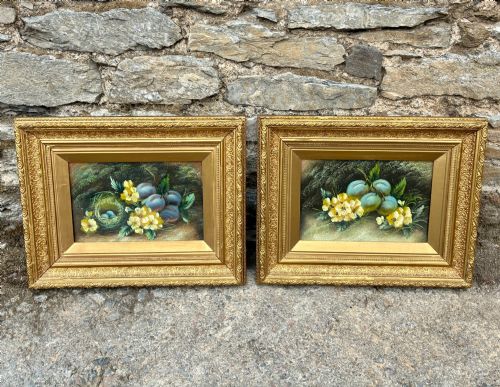
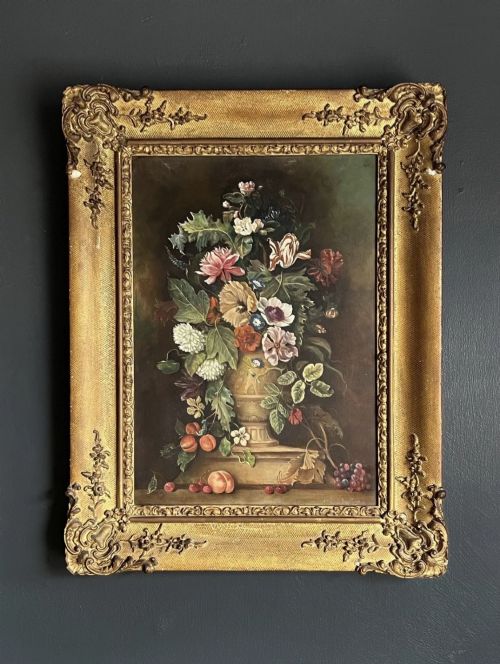
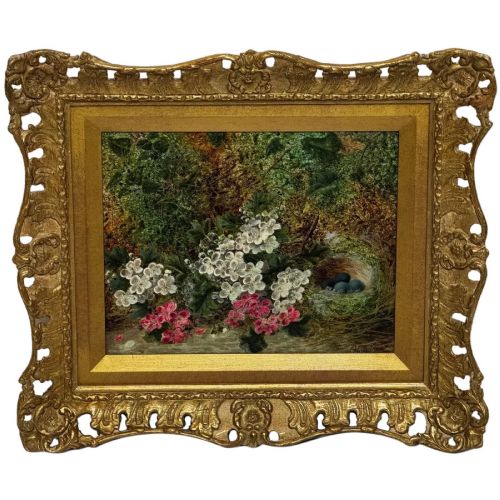
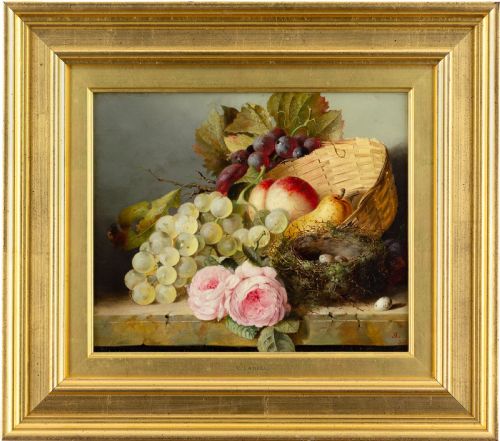



Gold Framed Floral Picture
A gold framed floral picture brings botanical warmth to a wall, combining natural subject matter with ornate metallic borders.
Gold Framed Floral Picture
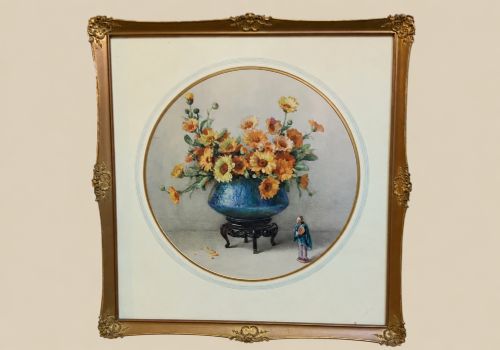
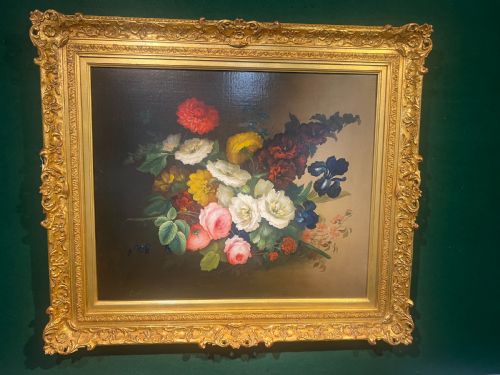
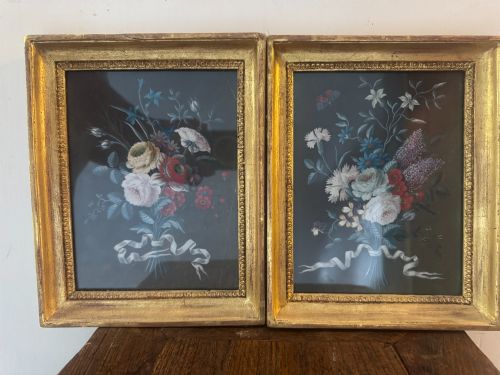
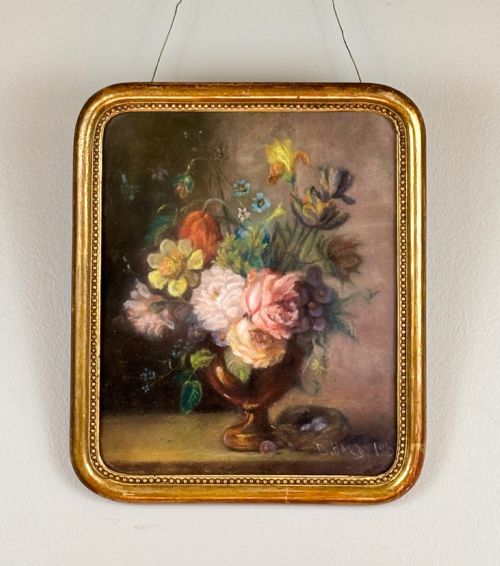
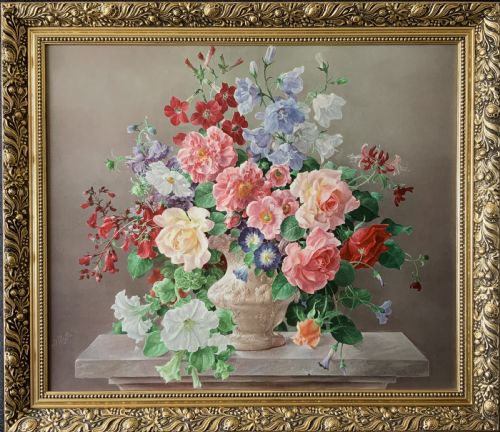
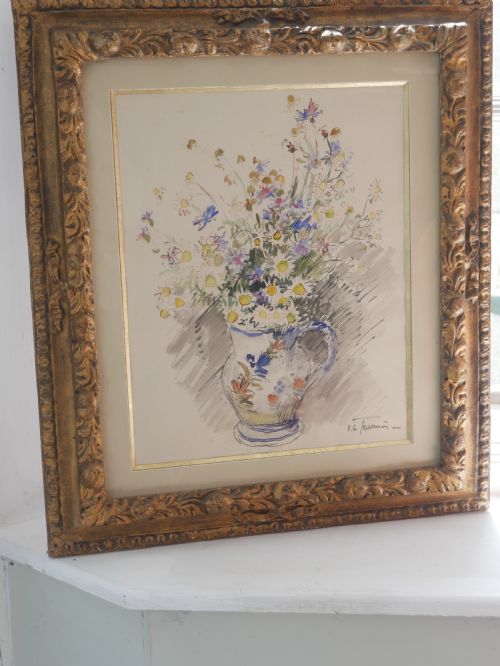
A gold framed floral picture presents botanical subjects, ranging from Dutch-style flower arrangements and garden roses to water lilies and delicate watercolour studies, enclosed in a decorative metallic or gilt surround. These pieces span multiple centuries, appearing in Georgian pastel works, Victorian still life oil paintings, and mid-century impressionist canvases. Buyers searching for a gold framed floral picture typically encounter traditional mediums such as oil paint, watercolour, gouache, and embroidered silkwork set within period mouldings.
The assortment on this page reflects diverse historical influences, including British and French schools, Art Nouveau stylings, and Dutch Golden Age traditions. Forms extend from oil paintings and fine art prints to textile art and framed needlework pictures, each maintaining a botanical focus. A gold framed floral picture functions equally well as a singular focal point or as part of a larger salon hang in domestic interiors.
How they were made
Makers constructed these works using traditional canvas, paper, wood panels, or silk textiles as a base for oil paint, watercolour, gouache, or needlework. Artists applied pigments by hand to capture floral details, while craftspeople built the surrounding enclosures using wood, gesso, and gilt bronze, often applying gold leaf or giltwood finishes to create a luminous perimeter.
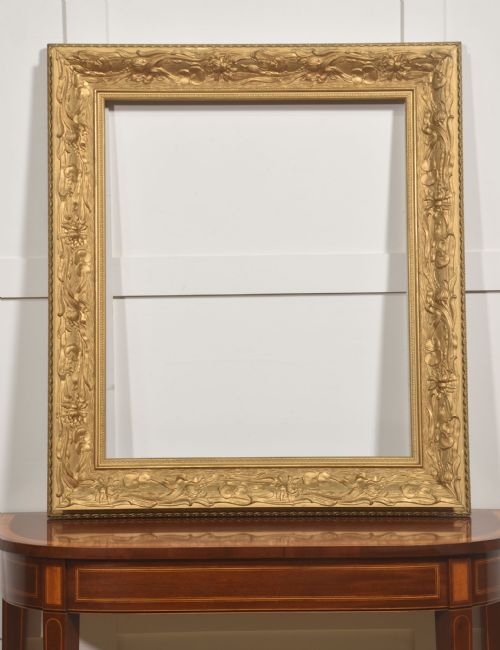
The frames themselves received careful attention, utilising moulded gesso or carved wood gilded to complement the painted or stitched imagery within. Artisans combined joinery and gilding techniques to ensure the protective border enhanced the visual depth of the central floral subject.
Gold Framed Floral Picture Retail Price Guide 2026
Typical asking prices for gold framed floral picture among the pieces listed under this phrase on Sellingantiques today, from the lower quarter to the upper quarter. They describe what is for sale here now, not the wider market.
Several floral studies incorporate nests with eggs alongside the blossoms, recording a Victorian fondness for woodland realism.
What varies in quality
The distinction between standard examples and superior pieces rests on the dexterity of the brushwork, the depth of the palette, and the intricacy of the framing. Skilled artists rendered botanical specimens with botanical accuracy and tonal nuance, whereas lesser works display rigid lines and flat colour application.
Frame construction also dictates overall quality, with hand-carved giltwood or layered gesso bearing sharper definition and richer patination than simpler moulded substitutes. The harmony between the artwork and its specific gilt surround determines the visual success of the piece.
Oliver Clare·Edward Ladell·Henry Schouten·Ernest Higgins Rigg·Fred Merriman
The Gold Framed Floral Picture Glossary
- Gesso
- A plaster-like mixture applied to wood frames before gilding to provide a smooth surface for carving and gold leaf application.
- Giltwood
- Timber that has been coated with gold leaf or gold paint to give the appearance of solid gold.
- Gouache
- An opaque water-based paint that produces a flat, vibrant colour surface often used in botanical studies.
- Oleograph
- A mechanical colour lithograph produced on canvas to imitate the texture and appearance of an oil painting.
Gold Framed Floral Picture: Frequently Asked Questions
How do I hang a heavy gilt frame?
Heavy giltwood and gesso frames require secure wall fixings, such as sturdy picture hooks anchored directly into wall studs or appropriate masonry plugs. Using two hanging points distributes the weight evenly and keeps the piece stable.
Position the centre of the picture at eye level to achieve the correct visual balance in the room, ensuring the hanging wire or rings can support the full weight of the work.
What is the difference between oil and watercolour floral pieces?
Oil paintings utilise pigment suspended in drying oils on canvas or panel, offering rich textures, deep tones, and a robust surface. Watercolours use water-soluble pigments on paper, resulting in a lighter, more translucent appearance that typically requires glass protection.
Oil works project a heavier presence suited to formal reception rooms, while watercolours provide a delicate quality ideal for smaller spaces or studies.
Are textile floral pictures fragile?
Embroidered silkwork and needlework pictures require careful handling because textile fibres are susceptible to tension and environmental shifts. Keeping these pieces behind glass protects the fabric threads from dust and physical contact.
Avoid placing textile works in direct sunlight, as ultraviolet rays can fade dyed silk and wool threads over the decades.