
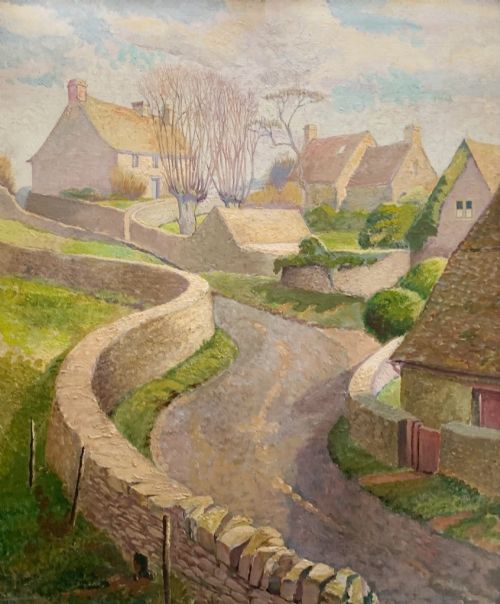
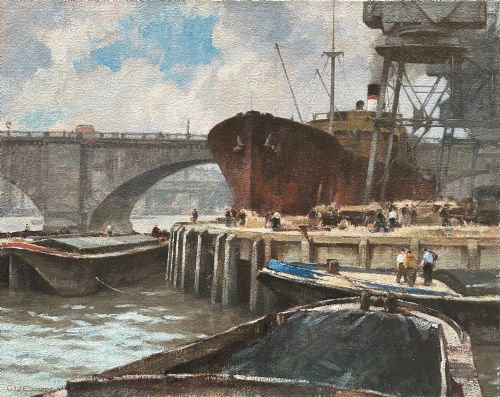
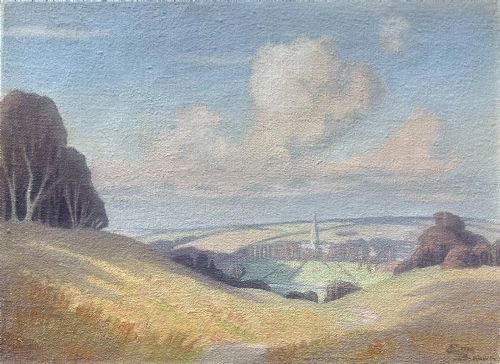
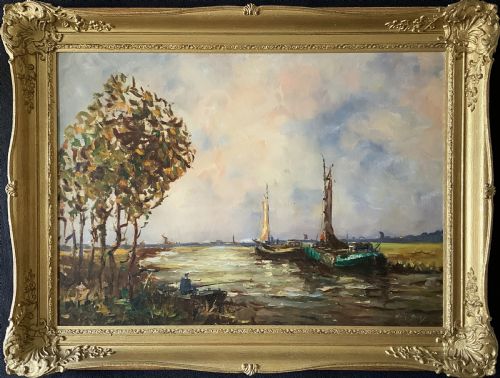
Mid Century Impressionist Painting
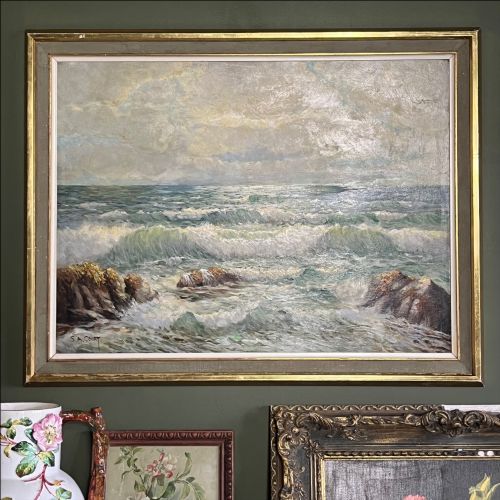
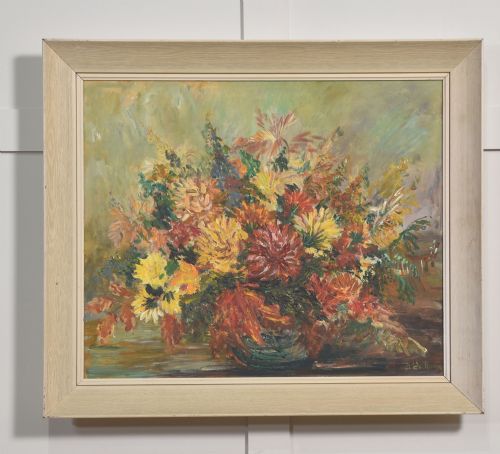
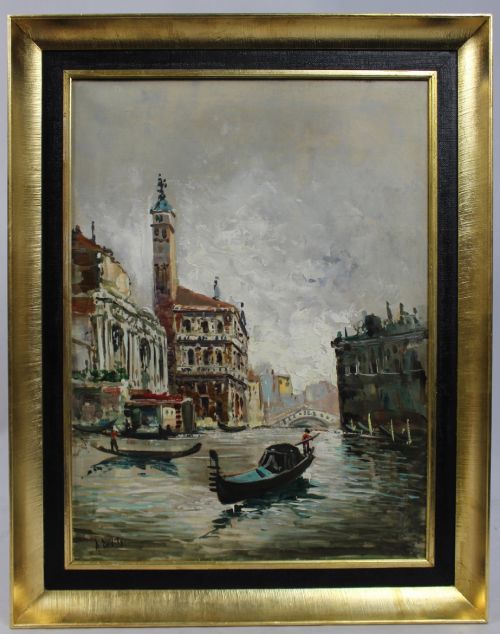
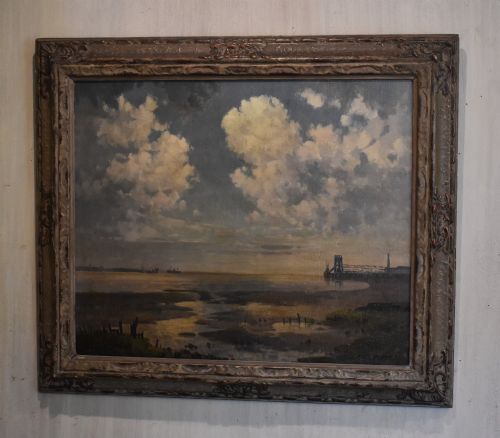
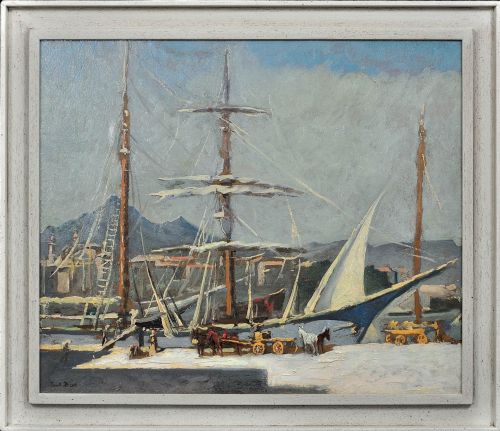
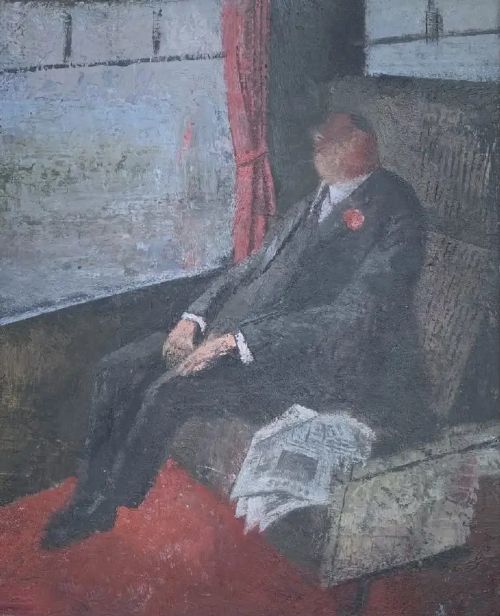
A mid century impressionist painting captures light and atmosphere with loose brushwork, bringing domestic interiors, coastal harbours and bustling cityscapes to life on canvas.
Mid Century Impressionist Painting
A search for mid century impressionist painting reveals works originating primarily across Britain and continental Europe during the middle decades of the twentieth century, with periods stretching from the 1920s through to the 1960s alongside occasional 19th-century examples.
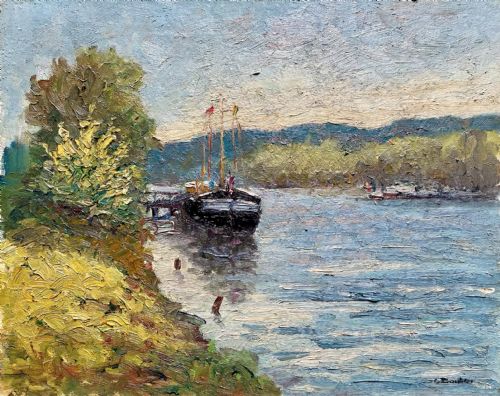
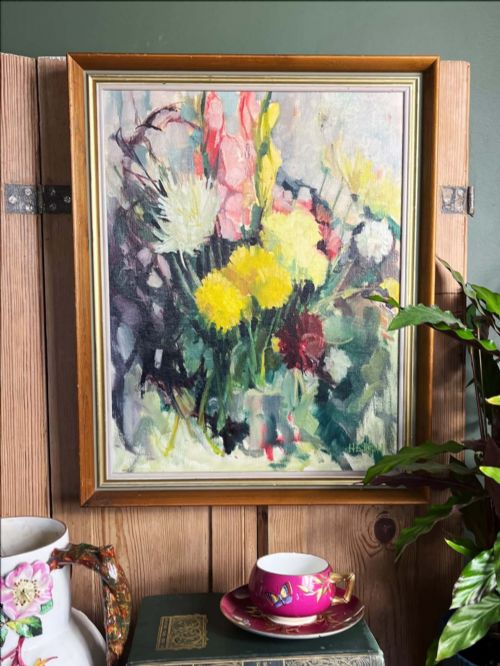
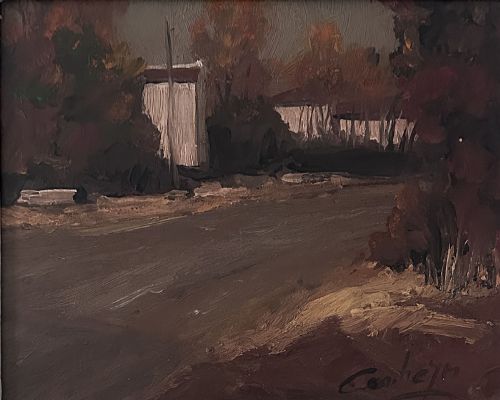
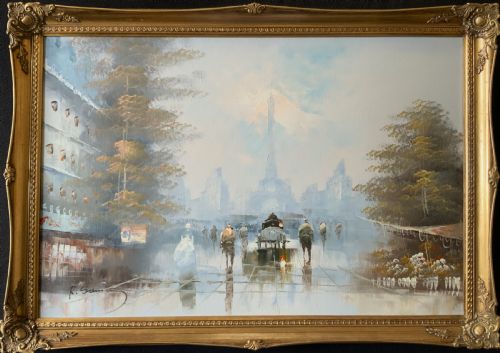
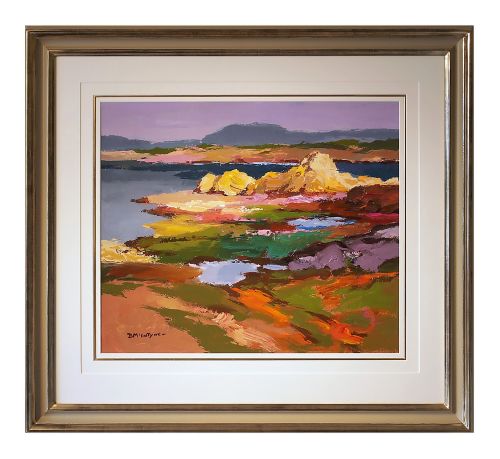
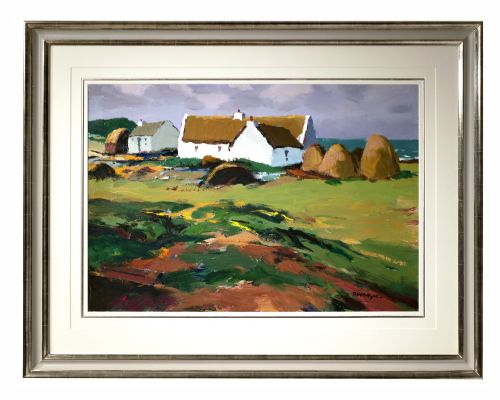
The subjects on this page are diverse, spanning en plein air coastal scenes in Cornwall, floral still lifes, Parisian streetscapes, harbour views in Normandy and figures in gardens.
Most pieces take the form of original oil paintings executed on canvas or board, supplemented by occasional watercolours, ink drawings and mixed media works mounted in timber or gilt frames.
Materials and methods
Artists painted primarily with oil paint on stretched canvas or wooden board, applying pigment with visible, energetic brushstrokes that often created textured surfaces.
Many works were produced en plein air to capture immediate light and weather effects outdoors, while others utilised watercolor and ink on paper for studies.
The finished artworks are typically housed within their original wooden frames, which frequently feature moulded gilt or painted finishes consistent with the mid-century period.
Listings feature works spanning the 1920s to the 1960s, executed primarily in oil paint on canvas or wooden board by British and European artists.
Distinctions in quality
Quality rests on the confidence and economy of the brushwork, where assured handling of paint creates depth and luminosity without relying on excessive detail.
Compositional strength and atmospheric coherence separate masterly examples from more formulaic decorative works, with superior pieces capturing a specific place and light with immediacy.
The integrity of the original support and the sympathetic preservation of the framing elements contribute significantly to the overall standing of an individual artwork.
Sidney A Court·D L Williams·Antonio DeVity·Clive Browne·Paul Bret·Cyril Walduck Edwards·Eric Brown·Willem Bos·Donald McIntyre·L De Gent·Erich Mercker·Henry de Waroquier·Philip Naviasky·Ronald Ossory Dunlop·Caroline Burnett·David Pelbam·Paul Jean Anderbouhr·Joseph Edward Hennah·Harry Freckleton·Gyrth Russell·Raymond Picque·Fred Pailhes·Attilio Toro·Gabriel Dauchot·G E Roberts
The Mid Century Impressionist Painting Glossary
- En plein air
- Painting outdoors to directly capture the transient effects of natural light and weather upon a subject. This method defined much of the impressionist approach to landscape work.
- Impasto
- Paint applied thickly to a canvas or board, leaving the marks of the brush or palette knife visibly raised above the surface. This technique adds tactile dimension and catches ambient light.
- Oil on board
- Pigment bound in drying oil applied directly to a rigid wooden panel or fibreboard support rather than woven fabric. It offers a firm foundation favoured by many twentieth-century painters.
- Montparnasse frame
- A distinctive style of wooden picture frame characterised by a broad, flat profile and simple stepped moulding, widely used for French modernist artworks. It complements the visual weight of mid-century canvases.
- Post-Impressionism
- An artistic movement following impressionism that extended its use of vivid colour and thick paint while exploring bolder structures and symbolic content. Works from this tradition often emphasise emotional response over strict optical realism.
Mid Century Impressionist Painting: Frequently Asked Questions
How do I identify a mid century impressionist painting?
Look for loose, visible brushwork, an emphasis on natural light and everyday subject matter such as landscapes, harbours or street scenes. The materials typically include oil paint on canvas or board dating from the 1930s through to the 1960s.
Examination of the frame and any signature on the front or reverse often helps confirm the period and regional school of the artist.
Were these paintings created outdoors?
Many works in this category were executed en plein air, meaning the artist worked directly in the open air to capture immediate atmospheric conditions. This approach accounts for the lively, spontaneous application of pigment.
Other compositions, particularly larger cityscapes or studio still lifes, were developed indoors using preliminary sketches and watercolours.
How should I display an oil painting on board?
Oil paintings on rigid wooden boards require stable indoor environments away from direct sunlight, excessive heat sources and damp walls. Proper hanging hardware attached securely to the frame ensures the weight is evenly supported.
Keeping the original wooden or gilt frame intact maintains the historical context and protects the vulnerable edges of the panel.
What is the difference between canvas and board supports?
Canvas consists of woven fabric stretched tightly over a wooden strainer frame, providing slight give and a textured weave beneath the paint. Board refers to a rigid wooden panel or hardboard that offers a completely solid, unyielding surface for the brush.
Both supports were widely utilised by painters throughout the mid-century period depending on personal preference and portability.