




Antique Stone Trough
These antique stone trough pieces are heavy utilitarian vessels hewn from sandstone and natural stone, offering enduring character for modern gardens.
Antique Stone Trough
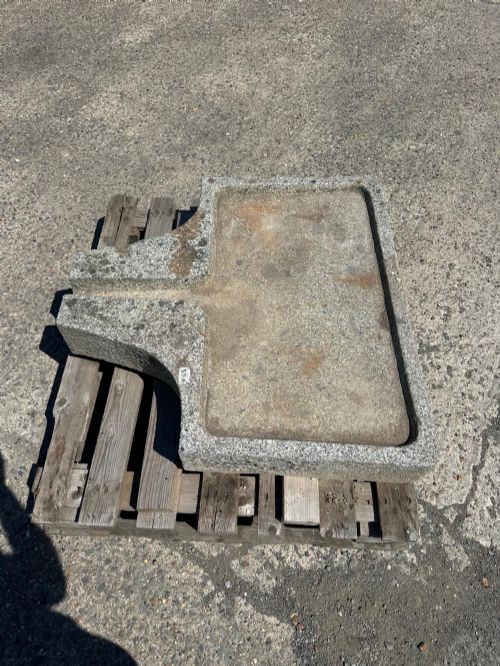
When you search for an antique stone trough, you are looking at heavy utility items that once served agricultural or domestic purposes before finding a second life in gardens. The pieces on this page span from pre-sixteenth century fragments up to the nineteenth century, taking forms such as square troughs, rectangular planters, horse troughs, and pig troughs.
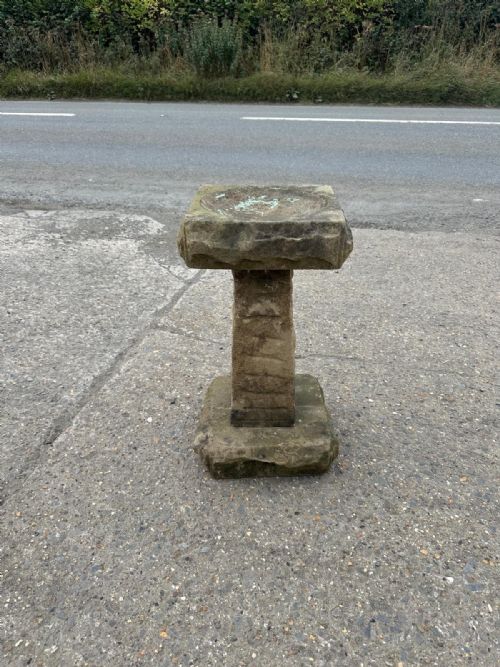
The most common examples you will meet here are large eighteenth-century English troughs, often associated with Yorkshire origins and substantial sandstone construction. Alongside these, you find occasional mortars, pedestal bird baths, and circular variants functioning as garden planters.
Makers are unrecorded in the listings, leaving the focus entirely on the material, regional origins, and the marks of manual labour. Every piece shows the distinct weathering of outdoor placement over centuries.
How they were made
Masons worked solid blocks of sandstone and natural stone using hand chisels and pitching tools to hollow out the interiors. This subtractive process left tool marks along the internal and external walls that remain visible today.
The material itself dictates the texture, with local sandstone beds yielding varying grain sizes and mineral inclusions. Weathering and prolonged use have softened the sharp chisel edges, rounding the rims and deepening the patination.
Antique Stone Trough Retail Price Guide 2026
Typical asking prices for stone trough among the pieces listed under this phrase on Sellingantiques today, from the lower quarter to the upper quarter. They describe what is for sale here now, not the wider market.
One listed planter even incorporates reclaimed stone sourced directly from the Houses of Parliament after being damaged during the Blitz in WWII.
What varies in quality
Quality rests in the integrity of the original proportions and the honesty of the weathering rather than pristine preservation. A well-proportioned eighteenth-century square or long trough holds a stronger architectural presence in a garden than a later nineteenth-century utility piece.
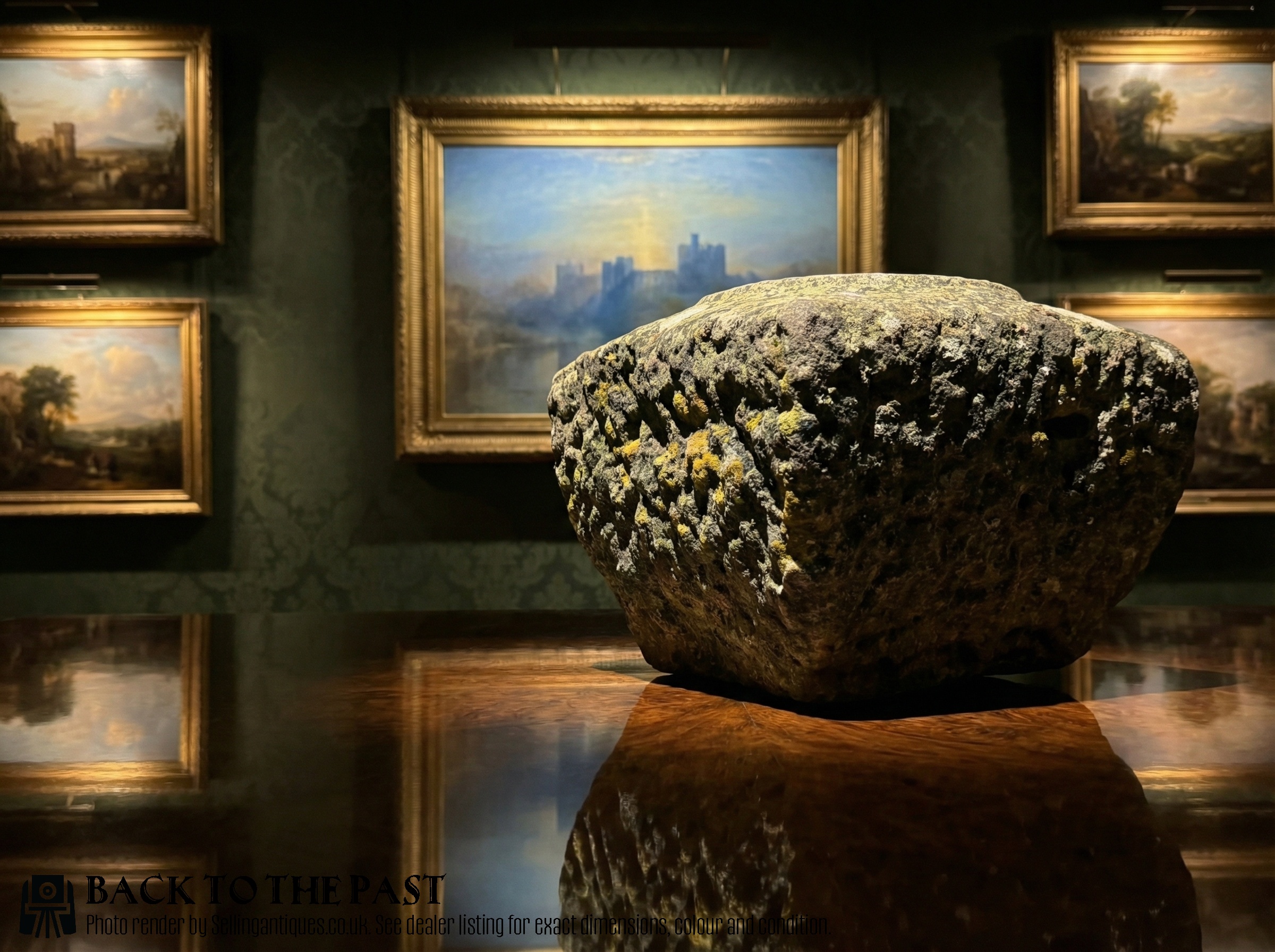
The choice of stone also defines the character, with dense Yorkshire sandstone developing a deeper biological growth and more pronounced mineral crust than softer natural stone variants.
The Antique Stone Trough Glossary
- Sandstone
- A sedimentary rock composed mainly of sand-sized minerals or rock grains, frequently utilised for durability in British troughs. It weathers to display porous textures and natural mineral banding.
- Vernacular
- Architecture and utilitarian objects built to traditional local methods using available materials, without academic design. Georgian country vernacular pieces reflect regional agricultural needs.
- Mortar
- A heavy stone vessel used with a pestle for pounding substances, occasionally repurposed as a small planter. These pre-date or overlap with larger agricultural troughs.
- Patination
- The surface change produced by age, wear, exposure to weather, and biological growth such as moss and lichen. It distinguishes centuries of outdoor exposure from recent manufacture.
Antique Stone Trough: Frequently Asked Questions
What were antique stone troughs originally used for?
These vessels served working agricultural and domestic roles, holding water for livestock, feeding pigs and horses, or processing materials in farmyards.
Over time, changing farming methods rendered them obsolete for daily agricultural tasks, leading to their adoption in garden landscaping.
How do I care for a stone trough in the garden?
Natural stone requires very little maintenance due to its inherent frost resistance and durability against the elements.
Allowing moss and lichen to colonise the surface enhances the historic patination without harming the underlying sandstone structure.
Can I date a stone trough by its shape?
General periods are indicated by proportions, tool marks, and regional styles, ranging from pre-sixteenth century fragments to nineteenth-century horse troughs.
Earlier pieces often display coarser hand-chiselled interiors, whereas nineteenth-century examples can show more regular machine or refined hand tooling.
Are all stone troughs made from sandstone?
While sandstone from regions like Yorkshire is common in the archive, listings also record general natural stone and specific reclaimed architectural stone.
Each material responds differently to weathering, resulting in varied surface textures and tones across different pieces.