




Antique Stone Basin
An antique stone basin brings centuries of weathered texture and utility to a garden or interior, offering a tangible connection to historic craftsmanship.
Antique Stone Basin
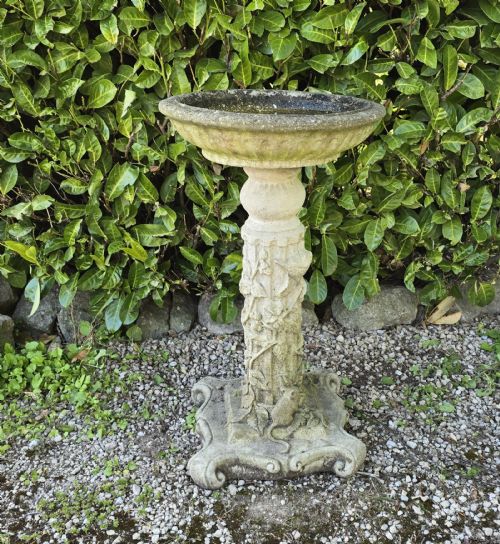
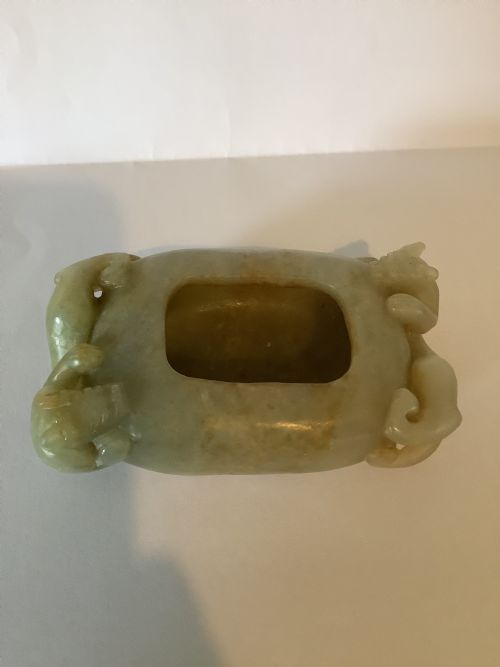
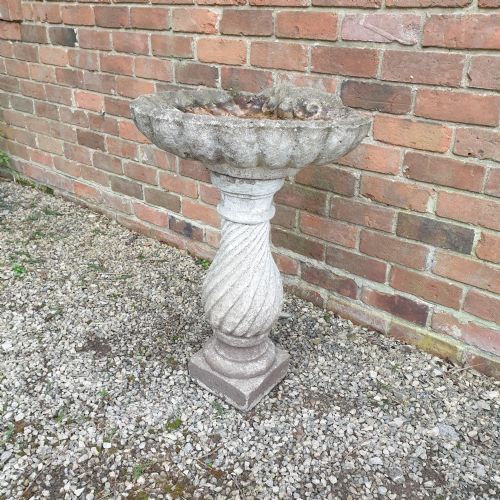
An antique stone basin encompasses functional vessels and garden ornaments shaped from enduring geological materials across several centuries. When exploring this selection, buyers frequently encounter robust kitchen mortars, garden troughs, bird baths, and classical urns.
The objects span periods from the sixteenth century through the mid twentieth century, drawing on styles such as Neoclassical, Gothic Revival, and rustic country traditions. Marble, sandstone, purbeck stone, and cast stone dominate the physical forms available to collectors.
Materials and shaping techniques
Masons shaped these vessels using hard natural substances including white marble, sandstone, and purbeck stone, employing manual chisels and turning tools to hollow dense blocks. Such methods produced thick walls and heavy rims designed to withstand intensive domestic or exterior use.
Later twentieth century examples utilise cast stone and reconstituted stone poured into moulds to replicate classical forms with greater uniformity. Natural veining and fossil inclusions frequently mark the earlier marble and sandstone pieces, recording the geological origins of the stone.
Listings feature items spanning the sixteenth to the twentieth century, incorporating sandstone, purbeck stone, and various marbles.
Distinguishing quality and character
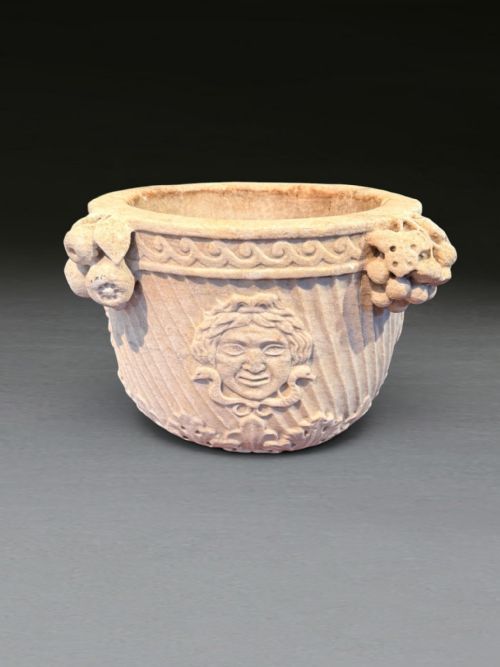
The standard of carving defines the upper tier of these pieces, where precision in architectural moulding or naturalistic foliage reveals the hand of a skilled sculptor. Sculptural presence in items such as Italian Renaissance urns or Grand Tour labrums elevates the object beyond mere utility.
Surface weathering and patination dictate visual appeal in garden pieces, with centuries of exposure softening sharp edges and developing organic lichen growth. The selection of superior raw materials, such as pure Carrara or Sienna marble, separates exceptional decorative objects from standard utilitarian troughs.
The Antique Stone Basin Glossary
- Labrum
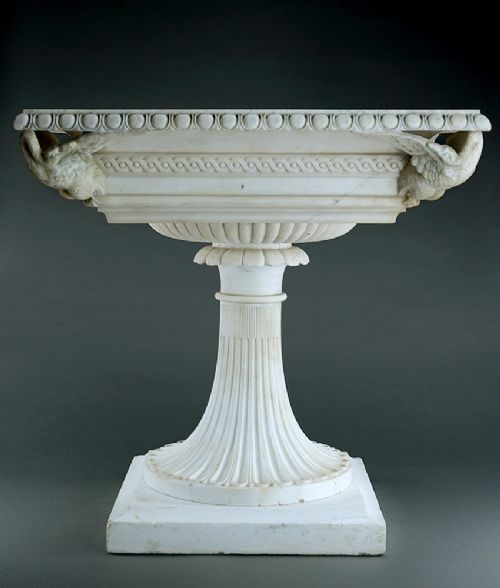
- A large Roman basin or shallow vessel, often recreated during the Grand Tour period in fine marble for display. These objects emulate classical form and academic design.
- Tazza
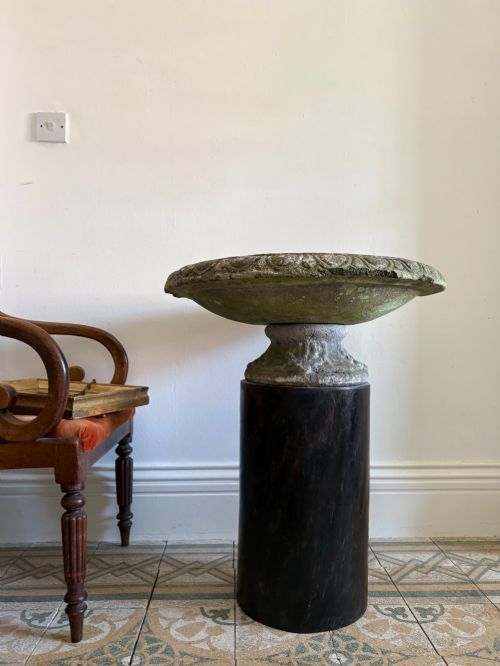
- A shallow ornamental cup or basin mounted on a stem and foot, designed for garden or interior decoration. They frequently feature detailed classical carving.
- Mortar
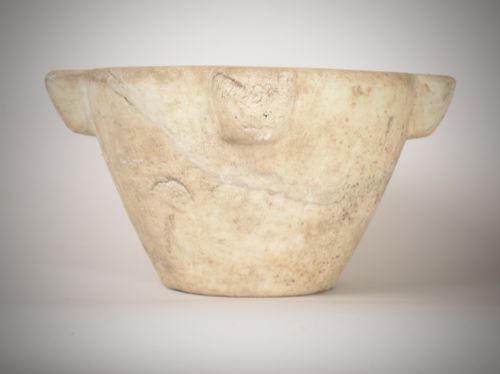
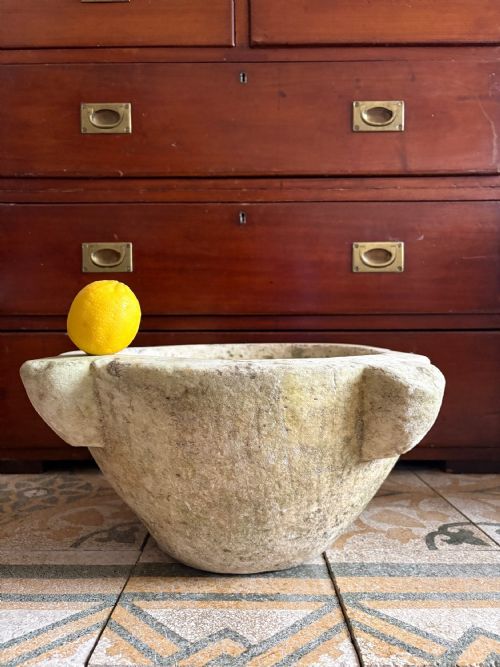
- A heavy bowl used historically for grinding food, chemicals, or pigments with a pestle. Antique stone examples typically feature thick walls and sturdy proportions.
- Cistern
- A large reservoir or container for holding water, often carved from marble or stone with neoclassical detailing. They served both domestic and architectural functions.
- Cast stone
- A refined architectural concrete building product manufactured to imitate natural cut stone. It gained popularity for garden ornaments and planters in the nineteenth and twentieth centuries.
Antique Stone Basin: Frequently Asked Questions
How do I care for an outdoor stone basin in winter?
Protect natural stone and cast stone basins from severe frost by ensuring proper drainage and keeping standing water from freezing inside the bowl. Raising the base slightly off the ground prevents moisture absorption during cold months.
Gentle cleaning with water and a soft brush maintains the weathered surface without stripping organic patination or damaging historic tool marks.
Were these stone basins originally used indoors or outdoors?
Function varied significantly according to the specific form and period of the object. Heavy marble mortars and cisterns served within kitchens and sculleries for food preparation and water storage.
Conversely, tazzas, bird baths, and troughs were shaped for gardens, courtyards, and architectural landscapes, though many interior decorative items now transition between settings.
How can I distinguish an 18th century basin from a later copy?
Examine the tool marks left on the underside and interior surfaces, as hand chiselling differs visibly from modern mechanical shaping. Wear patterns, mineral deposits, and natural weathering provide reliable indicators of age.
Comparing the specific geological material, such as Carrara or purbeck stone, against known period production methods helps confirm the era of manufacture.