


Antique Sterling Tray
An antique sterling tray brings centuries of silversmithing skill to the table, offering a functional surface for serving or display.
Antique Sterling Tray
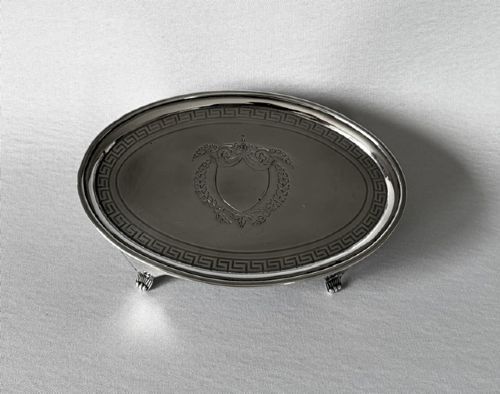
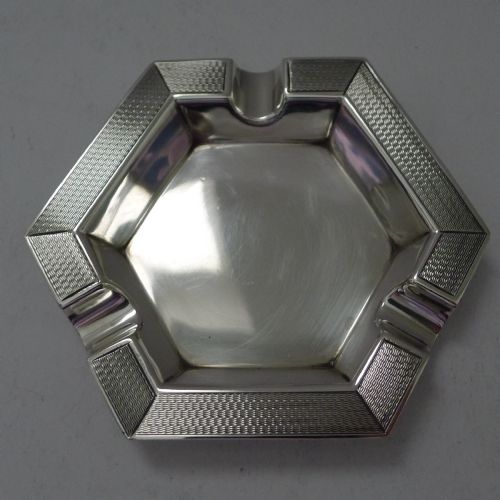
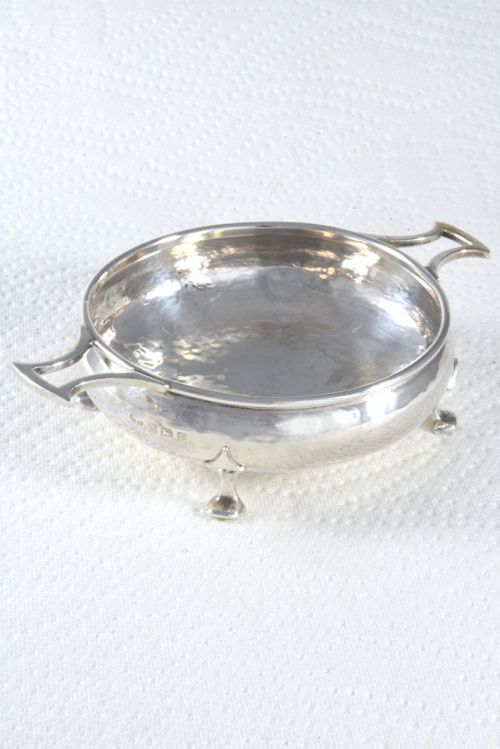
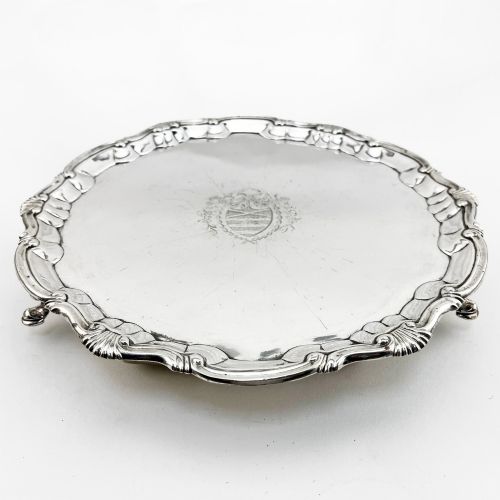
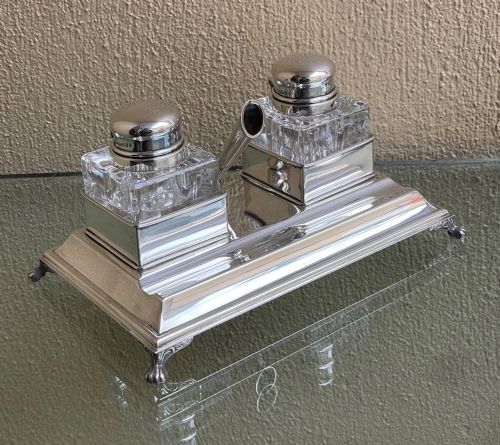
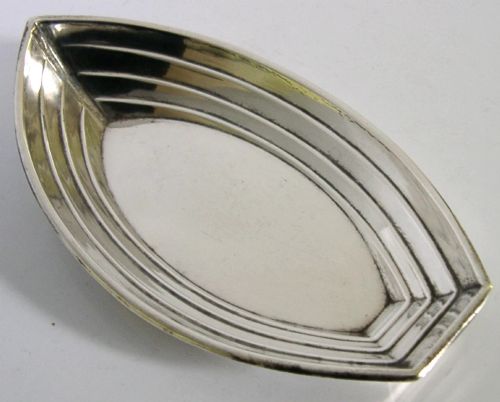
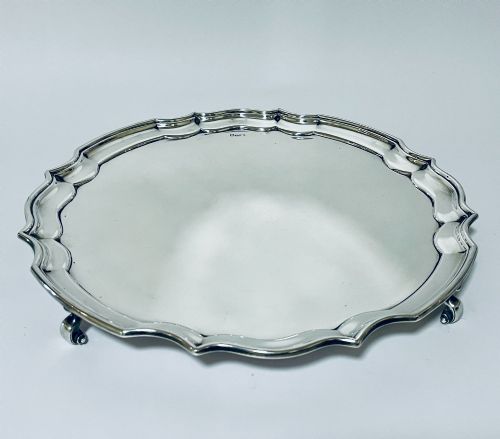
An antique sterling tray encompasses a wide variety of silver forms, ranging from large drinks salvers and tea trays down to small card trays, pin dishes, and inkstands. These domestic silver objects appear across Georgian, Victorian, Edwardian, and Art Deco periods, reflecting changing social rituals and domestic needs over three centuries.
Salvers and tea trays provide larger surfaces often supported on feet, while smaller card trays and dressing trays present shallow rims designed for personal items. Pieces originating from English assay offices sit alongside Chinese Export, Indian Colonial, and European examples.
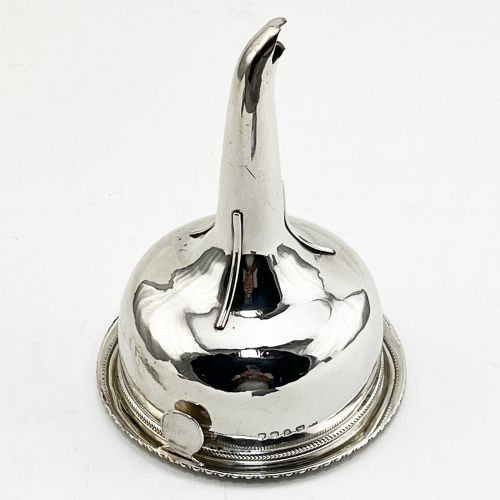
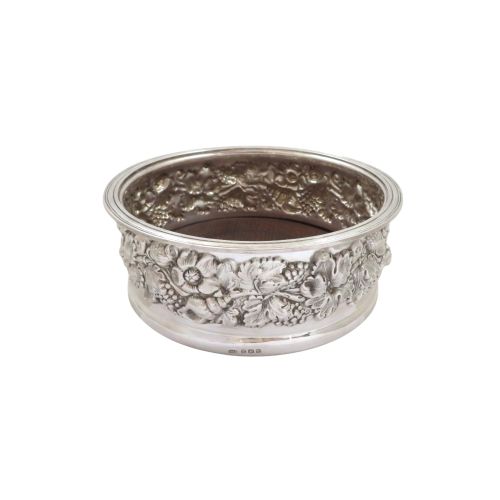
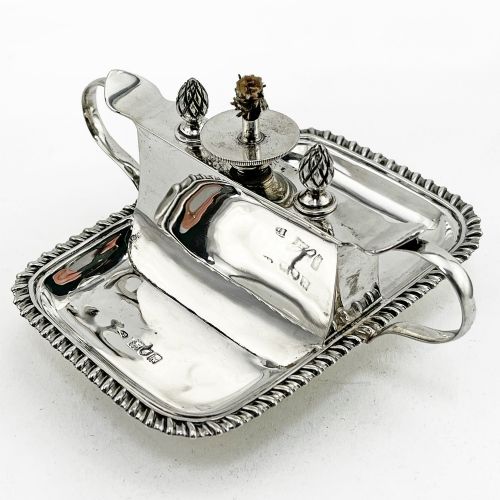
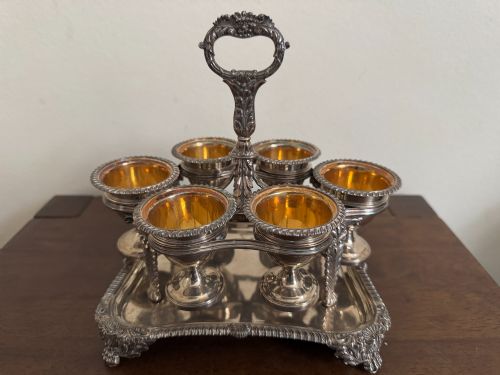
The assortment on this page includes specialised items like bread baskets, wine funnels, and cigar lighters alongside flat trays. Buyers encounter forms designed for specific rooms and functions, from the formal dining table to the desk.
How They Were Made
Silversmiths worked primarily in sterling silver, utilising hammering, casting, and spinning techniques to shape the metal. Many trays incorporate decorative borders and feet cast separately and soldered to the main body.
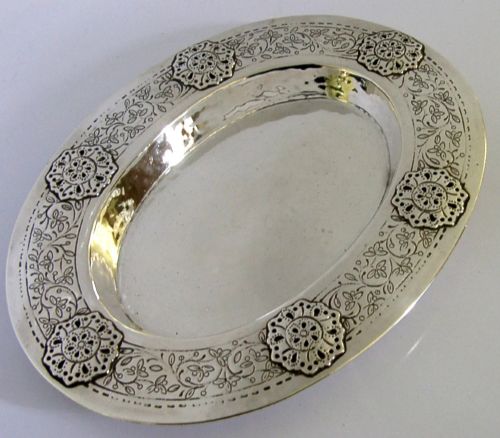
Surface ornament relied heavily on hand engraving, chasing, and repoussé work, pushing the metal from the reverse to create floral motifs or figural scenes such as Reynold's Angels. Some items combine sterling silver with cut glass, mother of pearl, velvet, or satin linings.
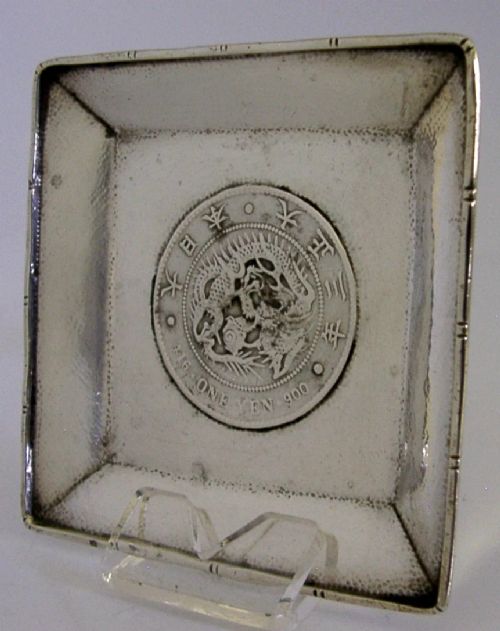
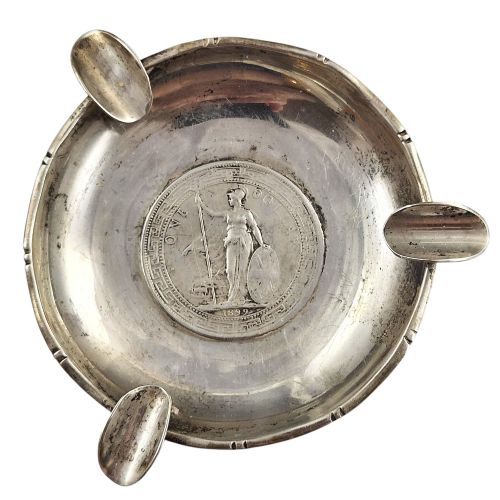
Several trays incorporate genuine vintage coins, including Japanese one yen pieces and British Trade Dollars, mounted directly into the silver.
What Varies in Quality
The thickness of the silver sheet, referred to as gauge, determines the structural rigidity and weight of the piece. Substantial gauge silver resists bending and supports the intended function without flex.
The crispness of the chased or engraved detail separates standard production from superior craftsmanship. Sharp definition in floral repoussé or hand-engraved crests indicates a skilled silversmith working with high-grade materials.
William Neale·Liberty and Co·S.C. Younge and Co·Wallace·William Burwash·Robert Abercromby·Robert Pringle and Sons·William Comyns·Robert Breading·William Garrard·Peter and Anne Bateman·John Grinsell and Sons·James Hennell·Tiffany and Co·Harrison Bros·John Hunt·Taylor and Perry
The Antique Sterling Tray Glossary
- Salver
- A tray, usually with feet, used for serving drinks or presenting items. Georgian and Victorian examples often feature piecrust or beaded borders.
- Repoussé
- A metalworking technique where the silversmith hammers the design from the reverse side to form raised patterns on the front. Edwardian dressing trays frequently employ this method for floral designs.
- Hallmark
- Official stamps struck into the silver indicating the maker, assay office, standard of purity, and date of manufacture. These marks provide the primary evidence for dating an antique piece.
- Gauge
- The thickness of the silver sheet used to construct the object. A good gauge denotes a heavy, durable piece of silver.
- Cast
- Molten silver poured into a mould to form solid components such as handles, feet, or borders. Cast elements are subsequently chased and finished by hand.
Antique Sterling Tray: Frequently Asked Questions
What is the difference between a tray and a salver?
A salver is traditionally a formal serving tray raised on small feet, primarily designed for carrying glasses or presenting letters. Trays can include flat desk accessories, dressing table trays, and large handled tea trays.
While both terms overlap in historical listings, salvers more often imply a round, footed format intended for display and formal service.
How do I identify the date of a silver tray?
British silver relies on a series of stamped hallmarks that include a date letter specific to the assay office and year of production. Examining these marks against established assay records reveals the exact year the item was tested and marked.
Maker's marks stamped alongside the assay office symbol further pinpoint the workshop responsible for the piece.
How should I clean an antique sterling tray?
Maintenance involves gentle cleaning with a specialised silver cloth or mild liquid polish to remove tarnish while preserving the underlying patina. Avoid harsh abrasive compounds that can wear away thin silver plating or soften hand-engraved details.
Regular, light dusting prevents heavy tarnish build-up and reduces the need for frequent chemical cleaning.
Were these trays meant for daily use?
Many silver trays served practical domestic roles, from holding visiting cards in a hallway to carrying tea sets or serving wine at the table. Their robust sterling construction allowed them to withstand regular household employment.
Modern owners continue to utilise them for serving drinks, organising desk items, or displaying small collections.