

Antique Sterling Silver Set
An antique sterling silver set brings coordinated dining, vanity, or serving pieces into daily use.
Antique Sterling Silver Set
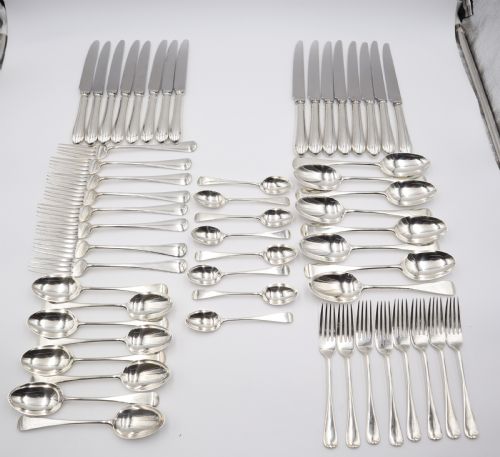
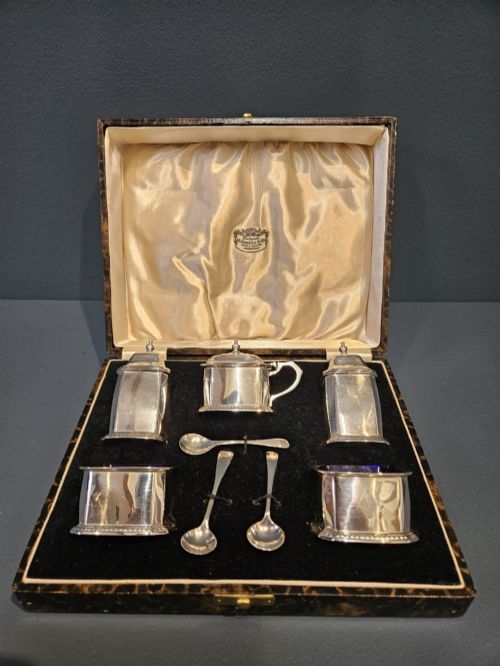
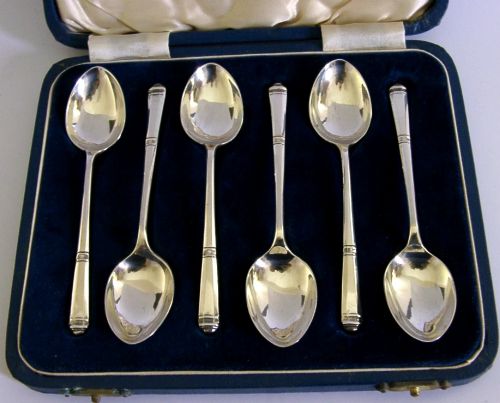
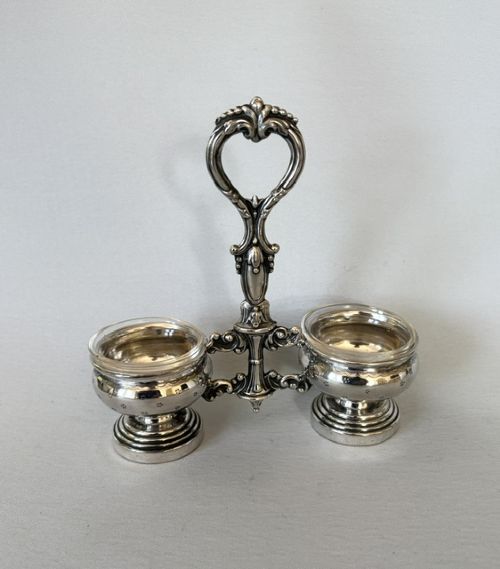
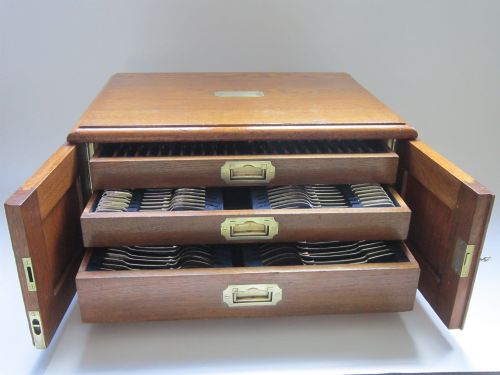
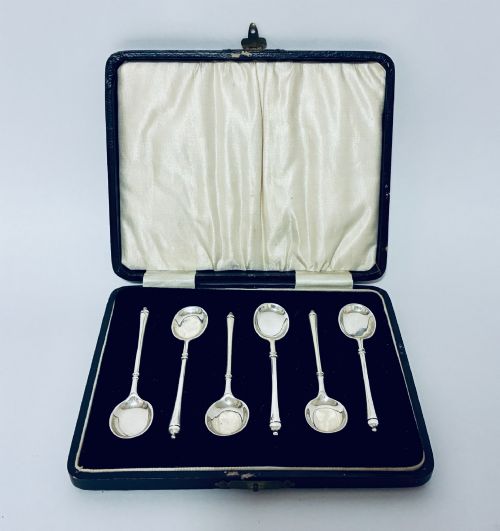
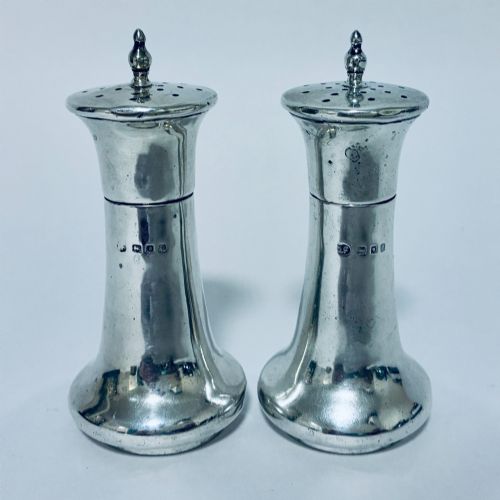
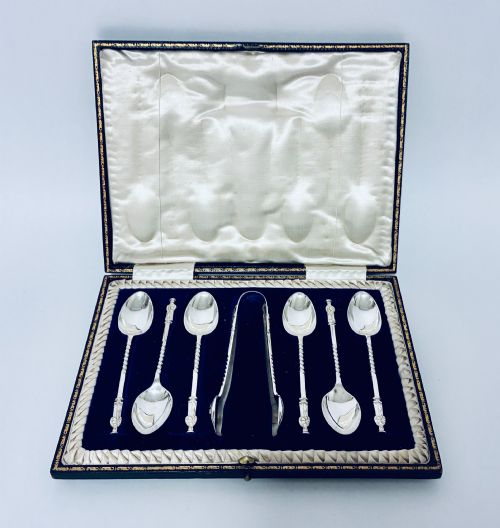
When searching for an antique sterling silver set, buyers encounter matched groups created for dining, writing, grooming, or display. These configurations range from cased teaspoons and cruet sets to christening forks, napkin rings, and full dessert services.
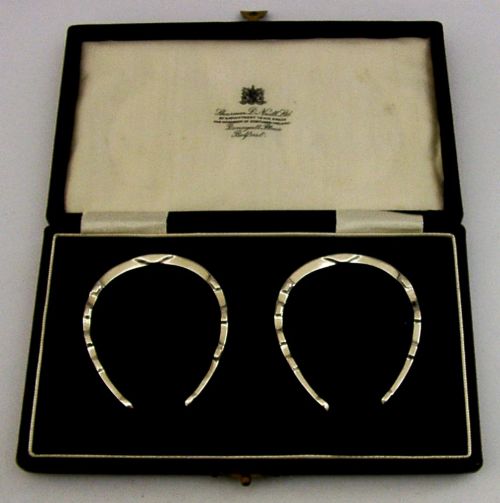
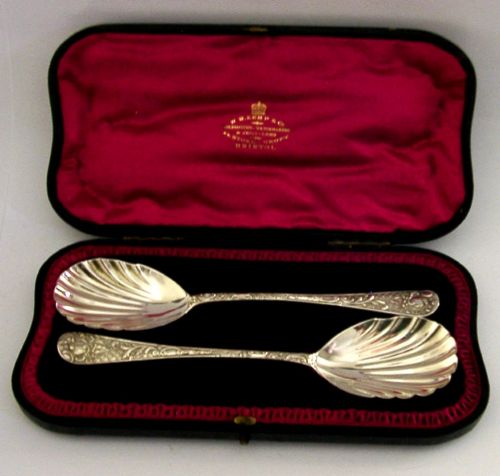
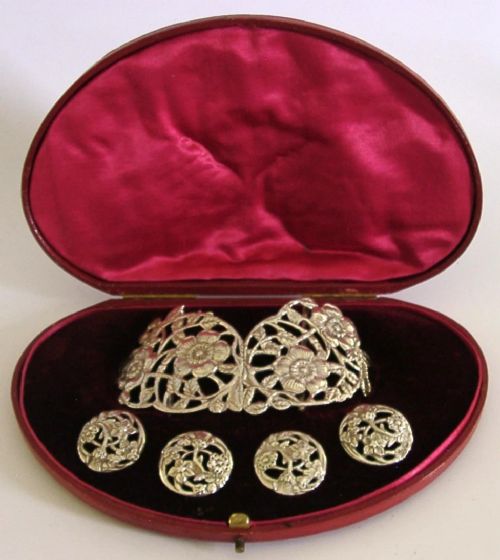
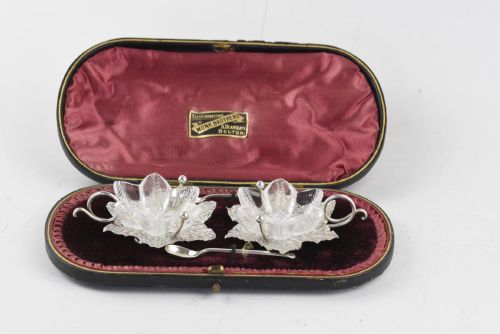
The pieces on this page span the Georgian, Victorian, Edwardian, and Art Deco periods, with George V and later twentieth-century examples also appearing frequently. Many survive inside fitted presentation cases lined with velvet, satin, or silk.
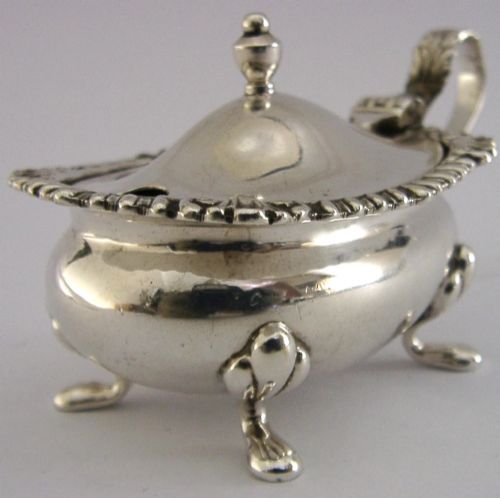
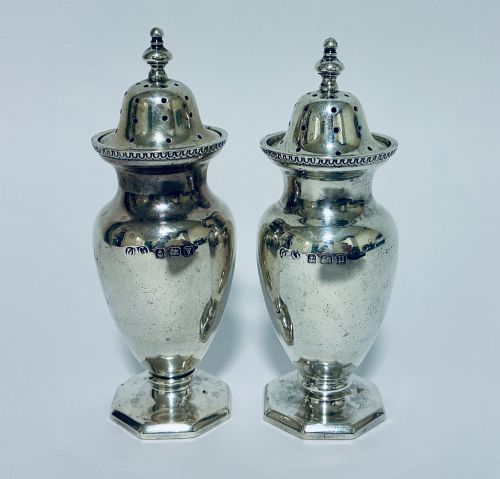
Tableware forms dominate the selection, including salt cellars, mustard pots, salad servers, and butter dishes. Alongside these, novelty items such as lobster picks, figural place card holders, and button hooks appear in matching groups.
Materials and construction
Solid sterling silver forms the structural basis of these objects, shaped through casting, hammering, and piercing by silversmiths. Many items incorporate auxiliary materials such as mother of pearl handles on cutlery, blue glass liners within mustard pots and salt cellars, and wooden elements in inkstands.
Fitted boxes rely on sturdy leatherette, leather, or card shells lined with soft fabrics to protect the silver components. Individual pieces often display crisp hallmarks stamped directly into the metal, recording the assay office, standard, and date letter.
Among the condiment containers and tea sets, dedicated silver lobster picks and cocktail lemon wedge squeezers wait to rescue your fingertips from citrus spray.
Standards of craftsmanship
Quality in an antique sterling silver set rests upon the weight of the metal and the crispness of decorative chasing or engraving. Thicker gauge silver resists bending during service and preserves intricate relief work over generations of use.
The integrity of the accompanying fitted case also distinguishes finer examples, particularly when original hinges, clasps, and interior fabric linings remain intact. Harmonious matching across all constituent parts, rather than assembled replacements, defines the top tier of sets.
Georg Jensen·Richard Comyns·Levi & Salaman·William Hunter·Souche-Lapparra
The Antique Sterling Silver Set Glossary
- Hallmark
- Official stamps struck into precious metals to guarantee fineness, origin, and year of manufacture. These marks allow collectors to trace the exact silversmith and assay office.
- Cruet set
- A matched group of small containers designed to hold condiments such as mustard, pepper, and salt at the dining table. They frequently include glass liners and specialised spoons.
- Cased set
- A collection of silver items housed in a custom-fitted box designed specifically for their safe storage and presentation. The interior is typically lined with velvet or satin.
- Fiddle pattern
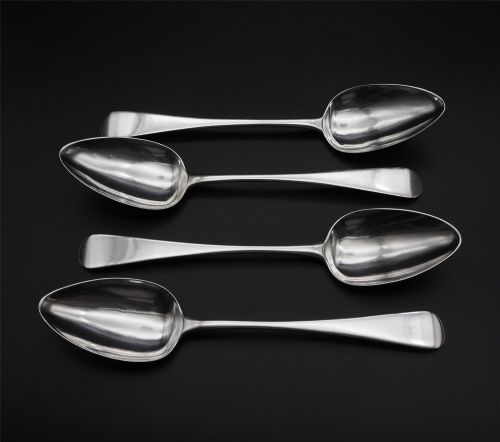
- A traditional nineteenth-century flatware design characterised by a slender stem that broadens into a shoulder before flaring at the terminal. It is commonly found on Victorian serving spoons and forks.
- Apostle spoon
- A decorative spoon featuring the figure of an apostle cast or chased onto the terminal of the handle. Complete sets often represent multiple saints.
Antique Sterling Silver Set: Frequently Asked Questions
How do I clean antique sterling silver?
Maintenance requires gentle washing in warm soapy water using a soft cloth, followed by thorough drying with a lint-free towel. Avoid abrasive dips or harsh scrubbing brushes that can wear away crisp hallmarks and fine chasing.
Regular handling naturally retards heavy tarnishing, but specialised silver polishing cloths can be utilised sparingly when necessary to restore brightness.
Can I use antique cutlery daily?
Most antique silver flatware and serving pieces remain sturdy enough for regular dining use. Solid sterling silver handles and bowls withstand normal meals, provided they are washed by hand rather than placed in an automatic dishwasher.
Items with hollow handles, glued joints, or delicate mother of pearl elements demand greater care and are best reserved for special occasions.
How do I date an antique silver set?
Dating relies primarily on the stamped hallmarks, which include a specific letter corresponding to the year of assay at offices such as London, Birmingham, or Sheffield. Stylistic cues like Victorian scrollwork, Edwardian elegance, or Art Deco geometry also indicate the era of production.
The presence of original fitted cases often corroborates the manufacturing period through interior maker stamps and typography.