
Antique Sterling Serving Cutlery
Antique sterling serving cutlery brings silver spoons, fish servers and grape shears from Georgian, Victorian and Edwardian periods directly to the table.
Antique Sterling Serving Cutlery
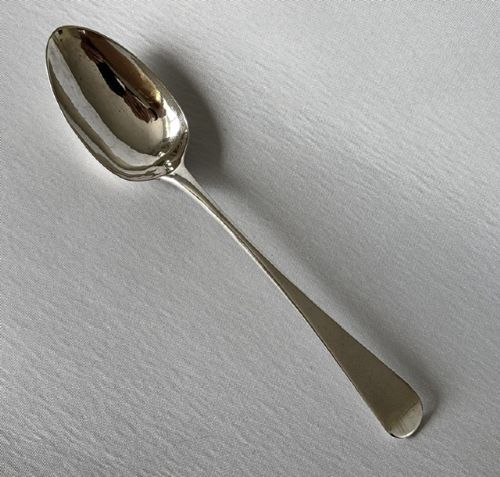
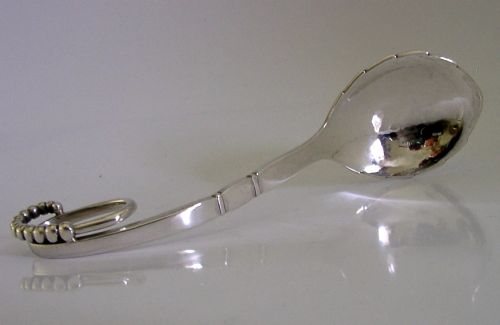
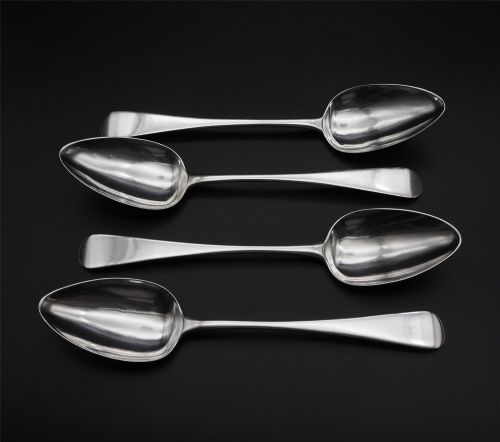
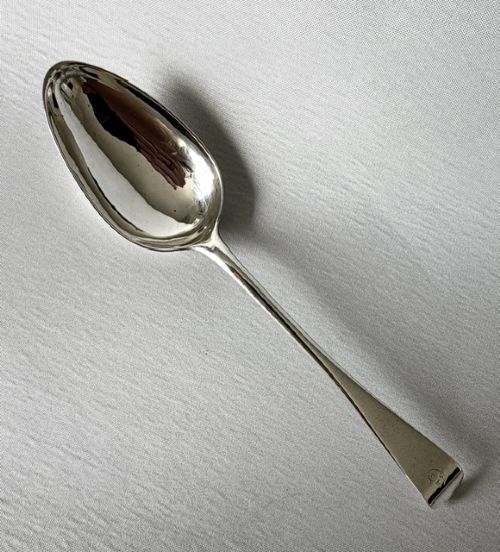
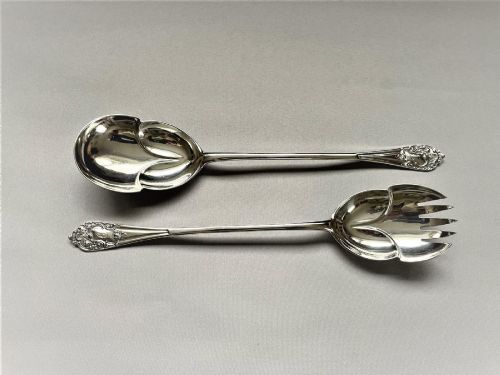
Antique sterling serving cutlery comprises functional implements designed for the dining table, spanning periods from the eighteenth century through the Edwardian era. Collectors encounter serving spoons, basting spoons, soup ladles, fish servers, salad servers, fruit knives, asparagus tongs and grape shears.
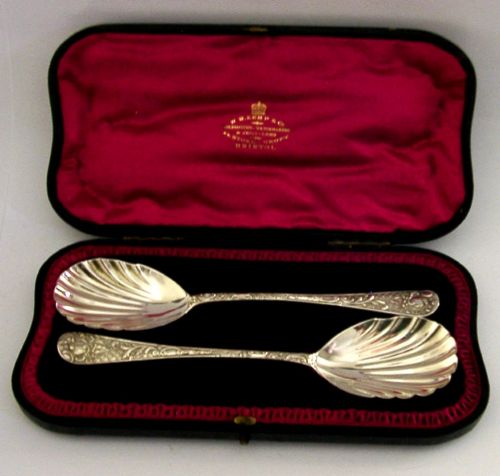
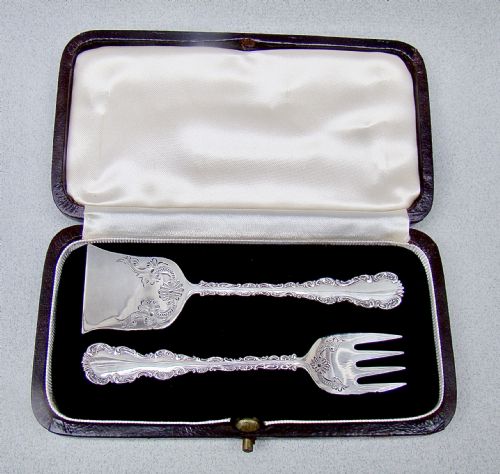
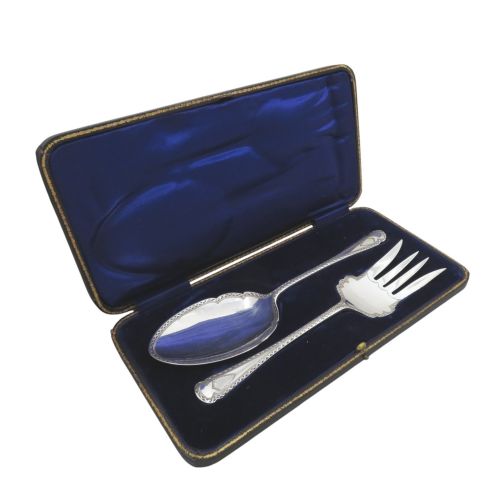
The objects originate from Georgian, Victorian and Edwardian workshops, alongside later Arts and Crafts and Art Deco examples. Many items survive in fitted presentation cases lined with materials such as velvet, silk, satin and leatherette.
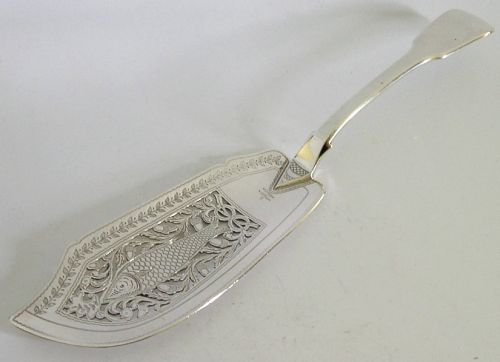
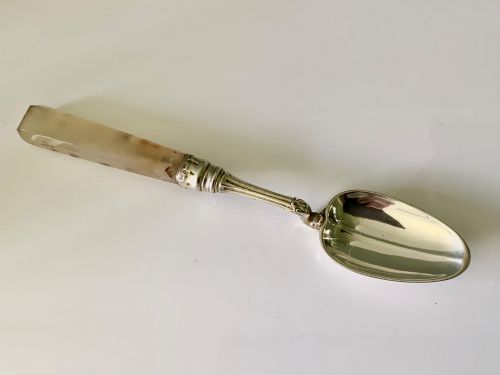
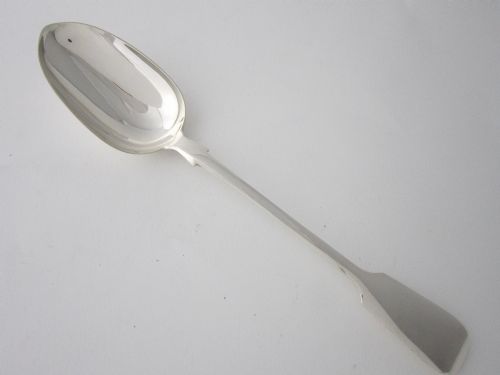
Forms vary from large serving spoons and marrow scoops to specialised implements with pierced blades or handles set with agate and mother of pearl.
How they were made
Makers shaped these utensils from sterling silver, employing techniques like casting for blades and handles, and hammering for spoons and ladles. Certain items incorporate structural components of glass or natural elements like mother of pearl and agate for handles.
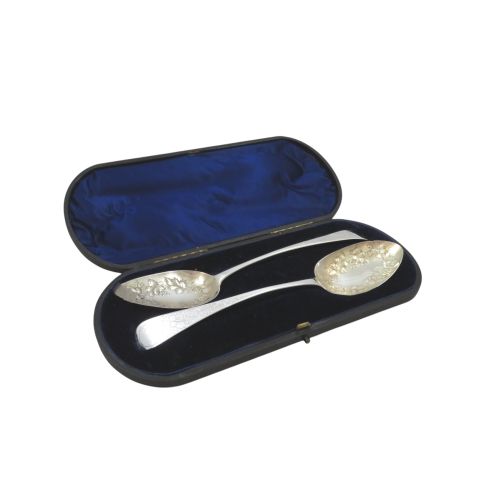
Engraving and chasing transform plain silver surfaces, seen on berry spoons with fruit motifs and crested pieces bearing family coats of arms. Fitted presentation cases utilise wood or card wrapped in leather, leatherette, velvet, silk and satin.
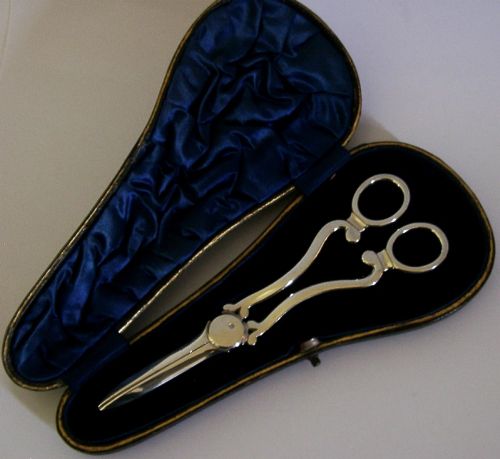
Grape shears ensure that no diner has to struggle with unruly vine stems during dessert.
What varies in quality
Distinctions in quality rest upon the crispness of chased and engraved decoration, such as hand-engraved crests and fruit motifs on berry spoons. The weight of the silver and the balance of large pieces like soup ladles and fish slices also indicate workshop standards.
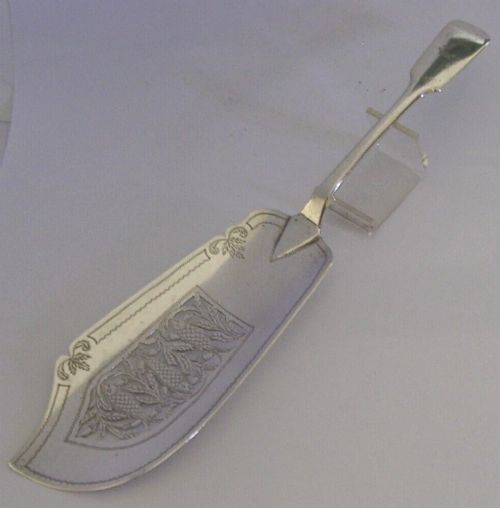
The integrity of fitted cases lined with silk, satin or velvet, alongside specialised functional elements like serrated edges on grape shears or pierced work on fish servers, distinguishes standard production from finer output.
Peter & Jonathan Bateman·Georg Jensen·Henry Wilkinson·John Craig·Hester Bateman·Jonathan Hayne·Peter & Anne Bateman·William Chawner II·James Tookey
The Antique Sterling Serving Cutlery Glossary
- Sterling silver
- A silver alloy containing 92.5 percent pure silver by mass, with the remainder composed of copper or other metals. This standard has served as the baseline for British hallmarked tableware for centuries.
- Berry spoon
- A large serving spoon, frequently dating from the Georgian period, retrofitted or originally chased with fruit and leaf motifs across the bowl. These spoons often appear in pairs within fitted cases.
- Basting spoon
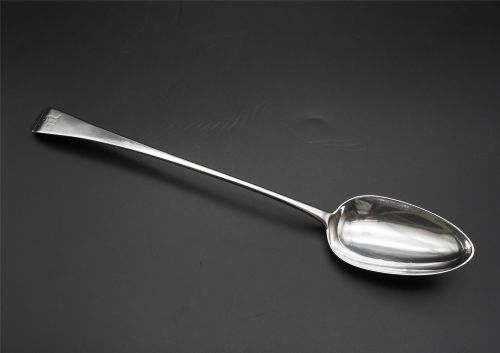
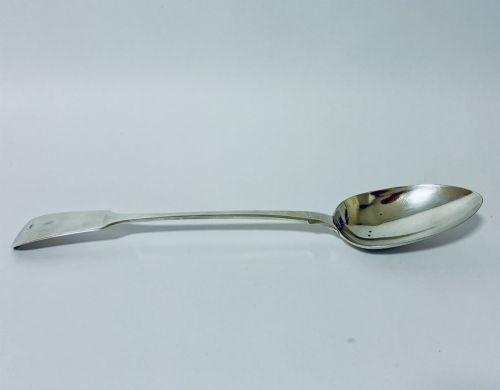
- An elongated spoon designed to scoop juices from a roasting pan to baste meat, appearing in Georgian and eighteenth-century inventories. They possess larger bowls and longer stems than standard tablespoons.
- Fish server
- A specialised flatware implement with a wide, often pierced and engraved blade used for serving fish courses. Victorian examples frequently feature detailed engraving on the silver blade.
- Rat tail
- A strengthening tongue of metal extending down the back of a spoon bowl from the handle stem. This feature appears on earlier silver items.
Antique Sterling Serving Cutlery: Frequently Asked Questions
How were antique serving spoons used?
Serving spoons transferred food from communal platters to individual plates during formal dining occasions.
Larger variants like basting spoons and soup ladles managed liquids and heavy joints of meat, while specialised implements handled fruit, asparagus and fish.
How do I identify a Georgian serving spoon?
Georgian serving spoons display hallmarks denoting London, provincial assay offices or specific makers active during the eighteenth and early nineteenth centuries.
They frequently exhibit traditional forms such as Old English patterns, rat tails or engraved family crests.
Are fitted cases original to the cutlery?
Many Victorian and Edwardian serving sets retain their original fitted presentation cases lined with silk, satin or velvet.
These boxes protected delicate items like grape shears, fish servers and berry spoon pairs when not in use on the dining table.