

Antique Sterling Photo Frame
An antique sterling photo frame holds a treasured portrait inside precious metal, bringing period craftsmanship into daily interior display.
Antique Sterling Photo Frame
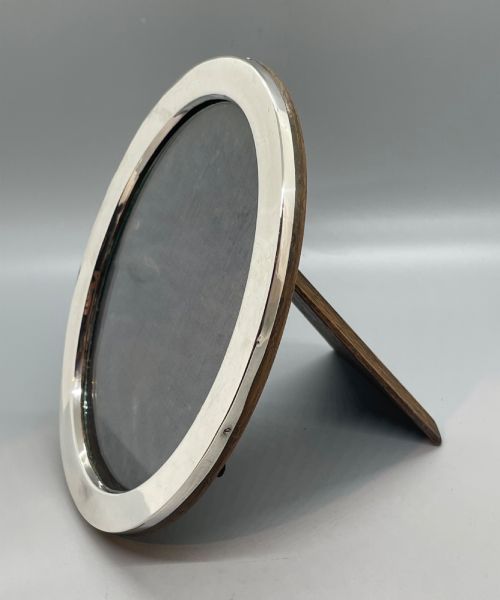
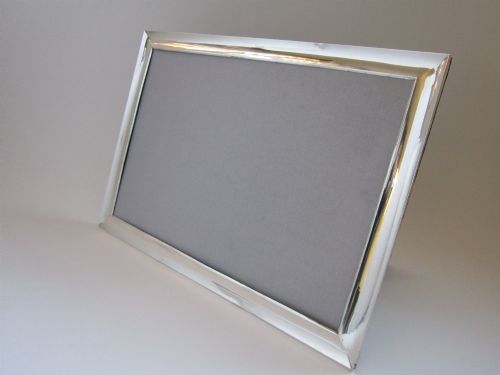
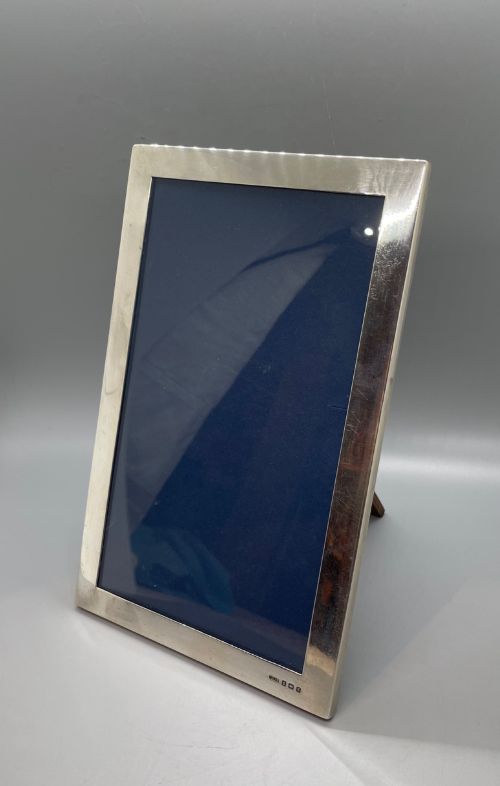
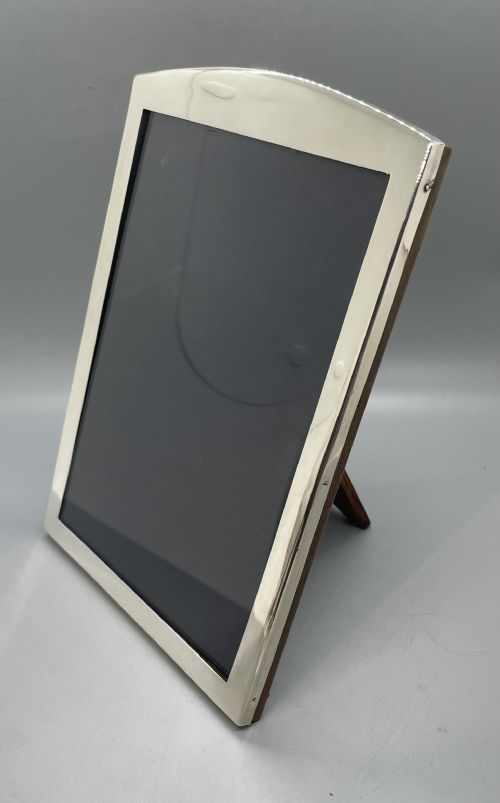
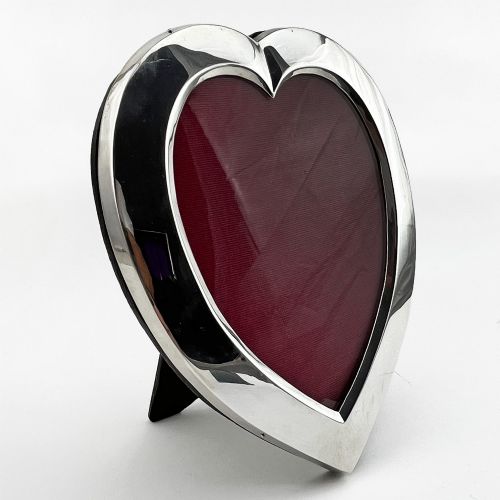
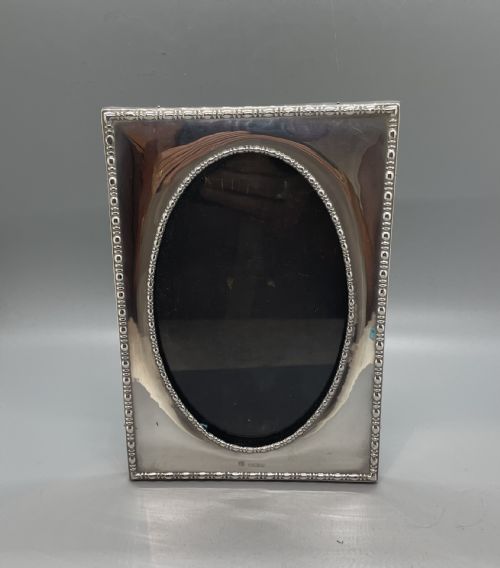
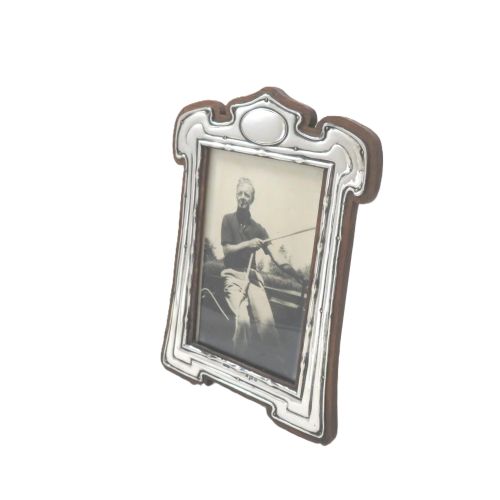
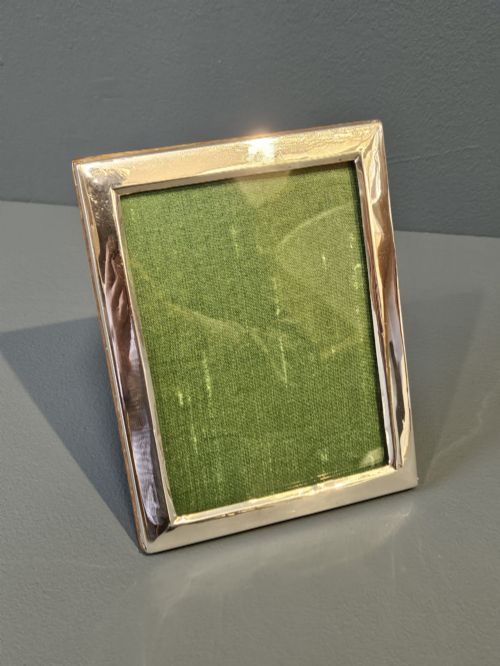
An antique sterling photo frame is a domestic object designed to display portrait or landscape photographs on desks, tables and mantelpieces. The selection on this page centres on British examples spanning the late Victorian, Edwardian and George V periods.
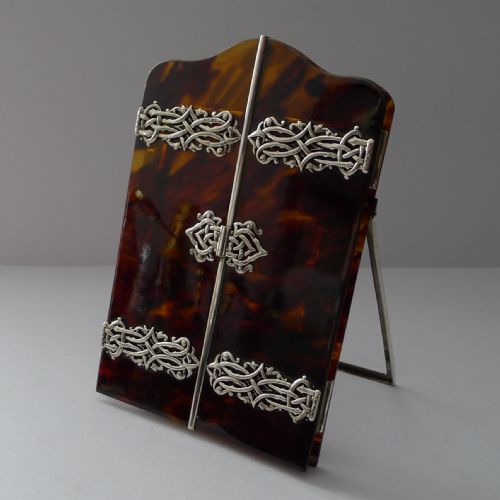
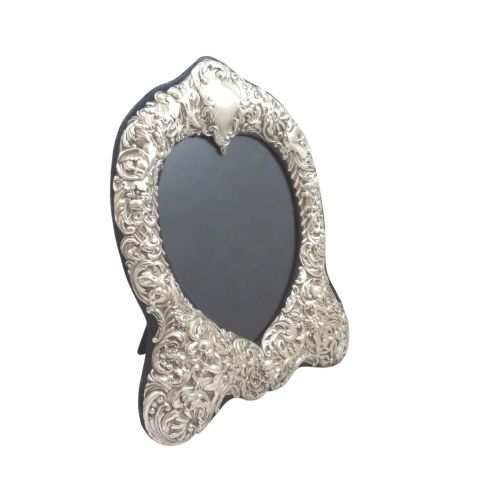
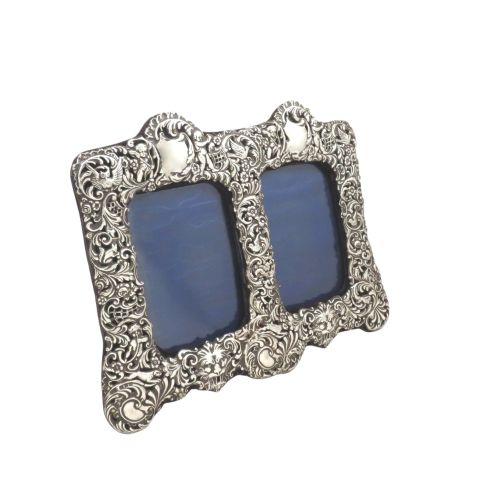
Makers produced rectangular, oval and heart-shaped formats, alongside double and triple hinged designs that accommodated multiple family portraits. Sizes vary from compact bedside items to large presentation pieces measuring over twenty inches across.
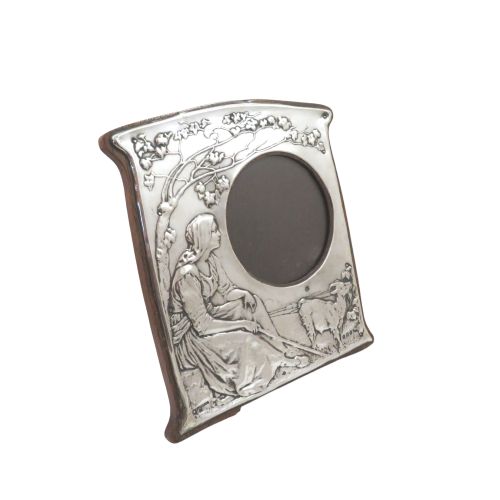
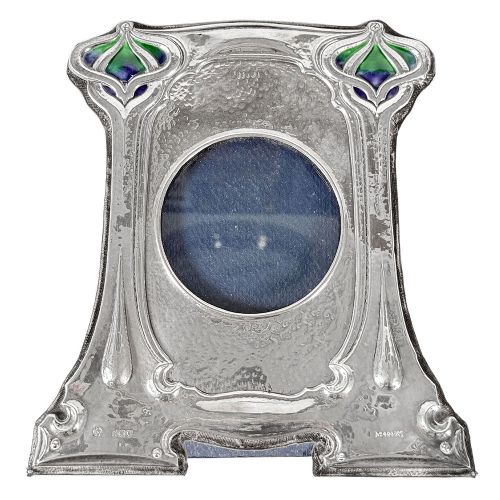
The aesthetic mirrors prevailing design movements from the late nineteenth and early twentieth centuries. Pieces frequently display the flowing lines of Art Nouveau, the floral motifs of the Arts and Crafts movement or the clean geometric patterns of the Art Deco era.
How they were made
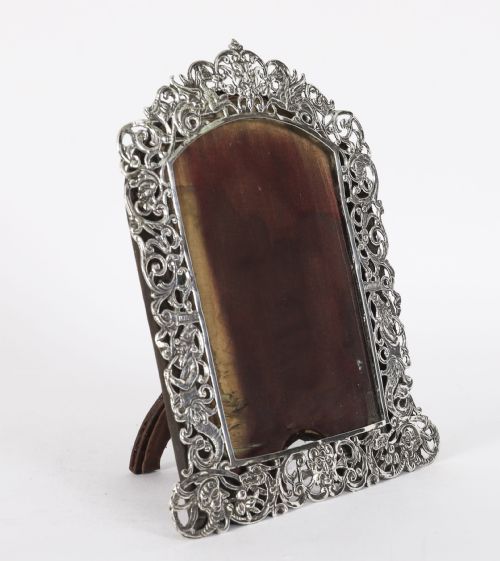
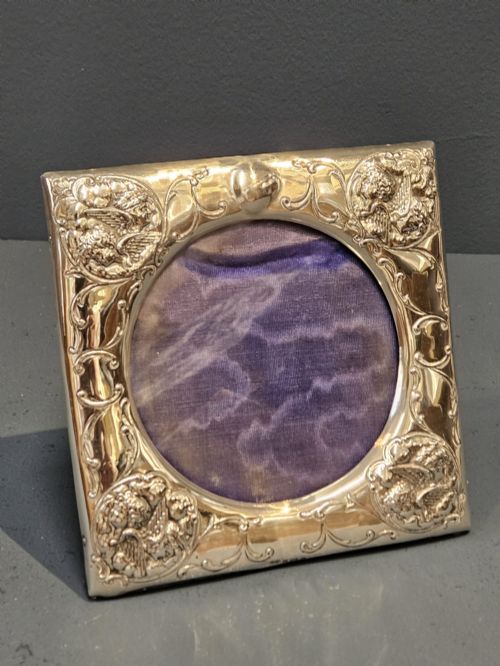
Silversmiths constructed the main facade from sterling silver sheet, shaping the metal through pressing, stamping, hammering and hand-engraving. Elaborate floral, angel and animal motifs were embossed into the surface to create high relief texture.
Makers integrated decorative elements such as enamel, tortoiseshell and fabric panels into the silver mount. Wooden backs and strut supports, often covered in velvet or fabric, were fitted behind the glass to secure the photograph.
Identified styles include Edwardian, Art Nouveau, Victorian, George V, Art Deco, Arts and Crafts, Neoclassical Revival and Classic English.
What varies in quality
The distinction between standard commercial output and superior craftsmanship rests on the weight of the metal and the depth of the repoussé work. Heavier gauge sterling silver resists bending and retains crisp detail across intricate motifs.
Specialist workshops employed distinct decorative techniques that elevate individual items, such as hand-applied enamel or mounted tortoiseshell. The integration of complex mechanisms on double and triple folding frames also distinguishes finer studio output.
Rosenthal Jacob And Co·William Comyns·William Hutton And Sons·Mappin Bros·W I Broadway And Co·Joseph Gloster Ltd·Henry Matthews·Liberty And Co
The Antique Sterling Photo Frame Glossary
- Sterling silver
- A silver alloy containing 92.5 percent pure silver and 7.5 percent other metals, usually copper, chosen for durability in decorative objects.
- Repoussé
- A metalworking technique where the silversmith hammers the silver from the reverse side to form a raised design in relief on the front.
- Strut
- The hinged wooden or metal support arm attached to the back of the frame that allows it to stand upright on a flat surface.
- Hallmark
- A series of official marks stamped on precious metals indicating the standard of purity, the assay office, and the year of manufacture.
- Engine-turning
- A mechanical engraving method that cuts precise, intricate geometric patterns into the surface of the silver.
Antique Sterling Photo Frame: Frequently Asked Questions
How do I clean an antique sterling photo frame?
Clean the silver carefully using a soft cloth and a specialised silver polish, taking care to avoid any mounted fabric, enamel or tortoiseshell sections.
Prevent polish residue from lodging in the embossed crevices and engraved lines by using a soft brush during the cleaning process.
Can these frames hold modern photographs?
Many antique frames accommodate modern photographic prints, though older apertures were occasionally cut to non-standard dimensions.
Check the internal measurements of the frame before inserting a new portrait to ensure the picture fits behind the glass.
How do I date an antique silver frame?
Examine the hallmarks stamped on the silver border, which typically include a maker's mark, a lion passant indicating sterling standard, an assay office symbol and a date letter.
Match the stamped date letter against official assay office tables to determine the exact year the frame was tested and marked.
Are strut backs usually original?
Many surviving frames retain their original wooden backs, velvet coverings and hinged metal struts, though replacement components are common due to heavy historical use.
Inspect the fixings and materials at the rear to see if they match the age and wear patterns of the front silver mount.