
Tabletop Photo Frame
A tabletop photo frame turns a personal portrait into a centrepiece, using precious metals and fine details to hold a favourite memory.
Tabletop Photo Frame
A tabletop photo frame provides a decorative housing for portrait photographs, designed to stand upright on desks, mantels and tables. These pieces serve both a practical domestic function and an ornamental role in interior display.
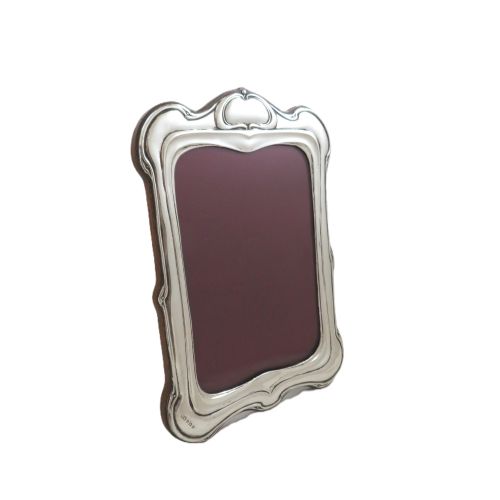
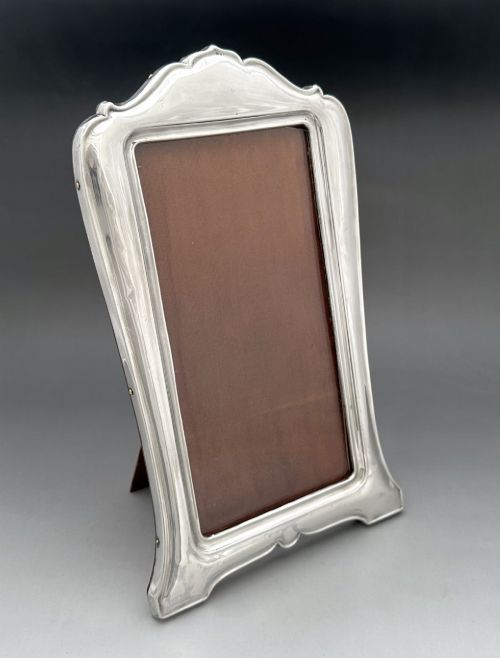
The selection here draws primarily from the Victorian, Edwardian and George V periods, alongside late nineteenth century and Art Nouveau examples. You will frequently encounter sterling silver mounts, often paired with wooden backs and easel stands.
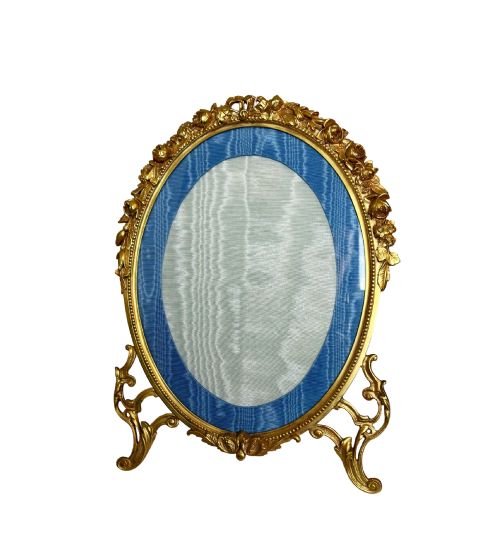
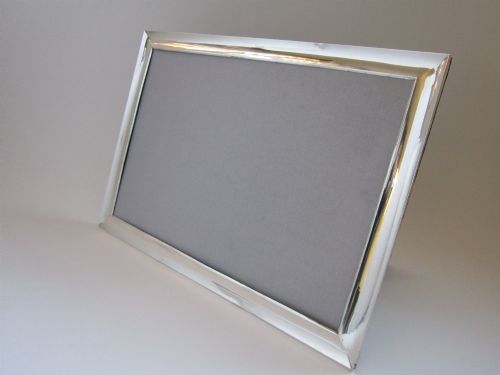
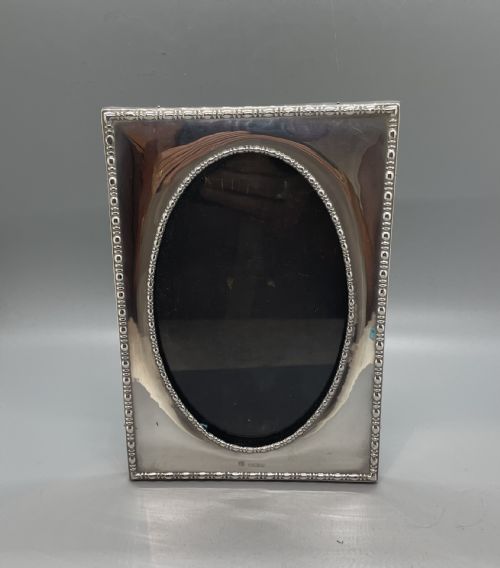
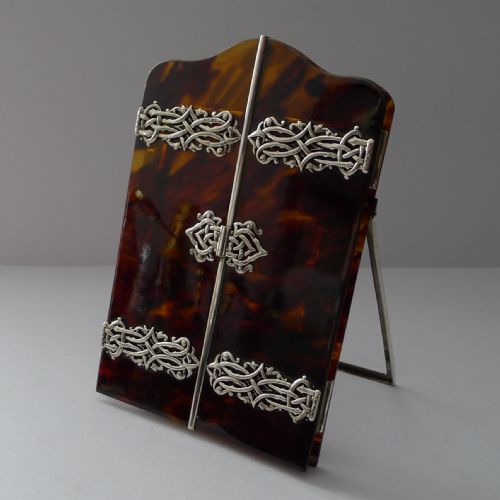
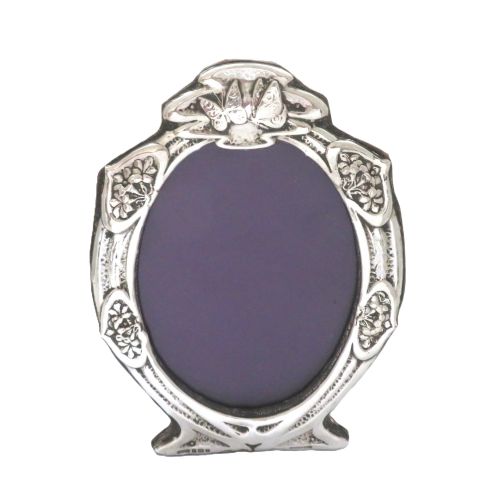
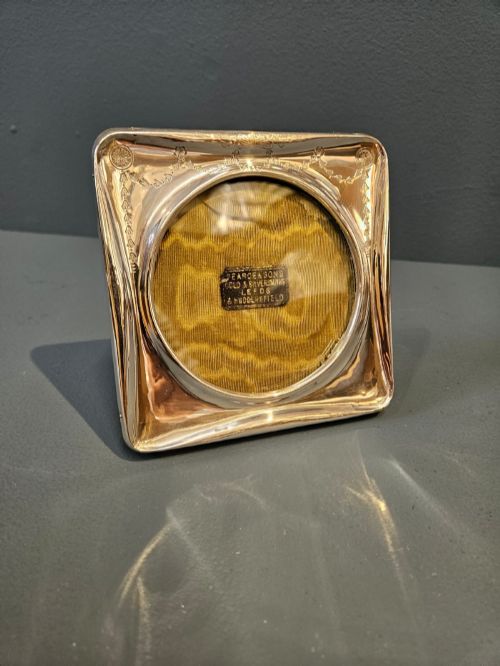
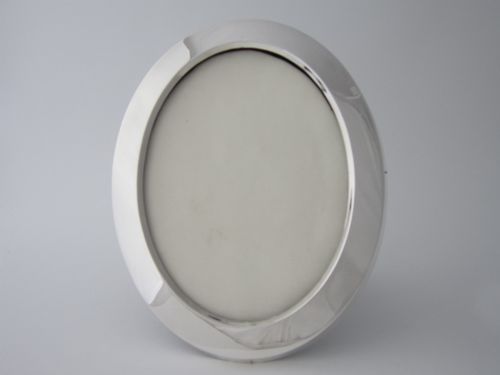
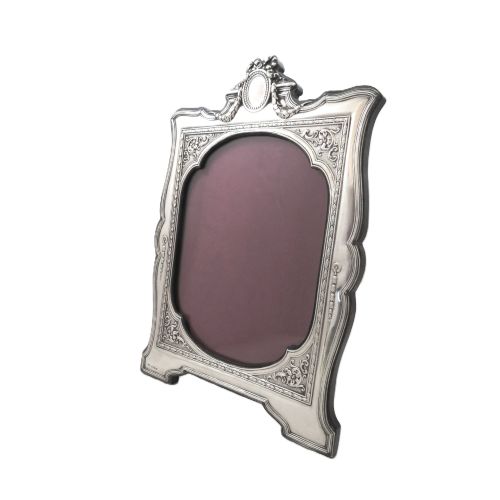
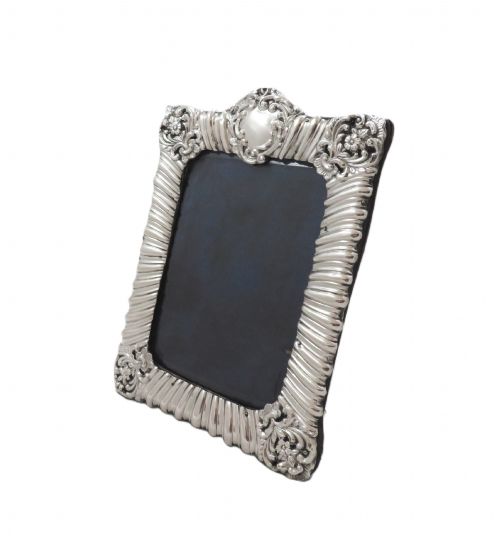
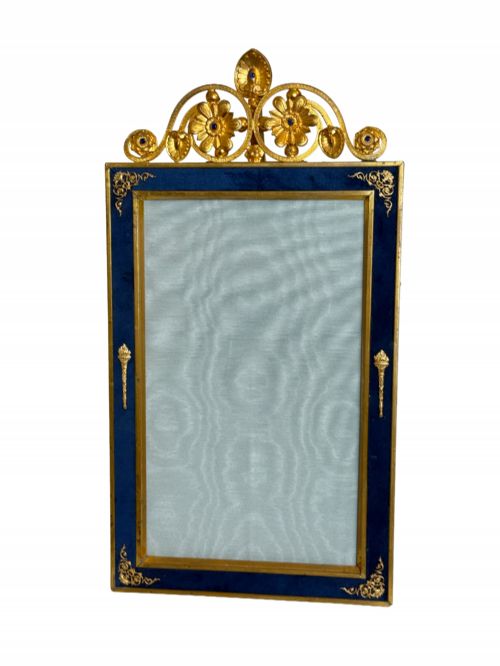
Forms range from simple rectangular and oval shapes to heart-shaped designs and embossed floral borders. Makers utilised materials like gilt bronze, tortoiseshell and pewter alongside standard silver to create varied visual effects.
How they were made
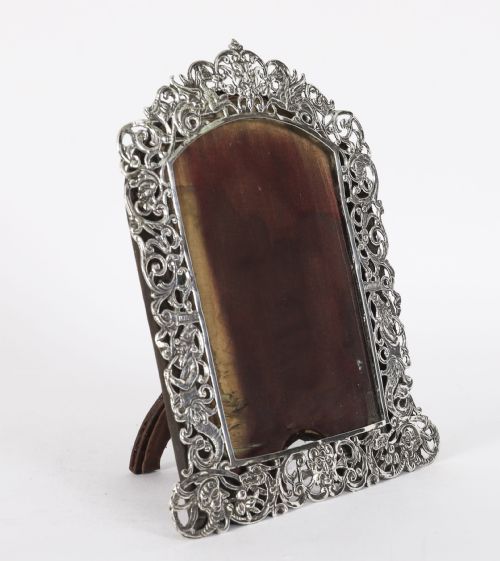
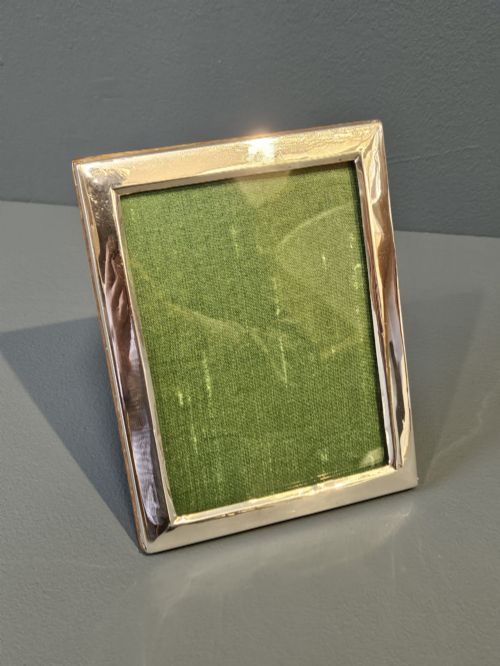
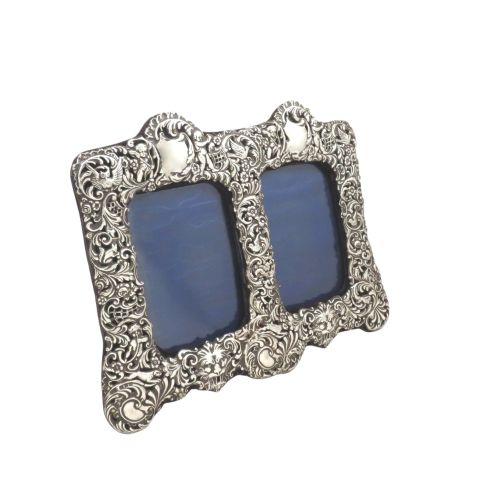
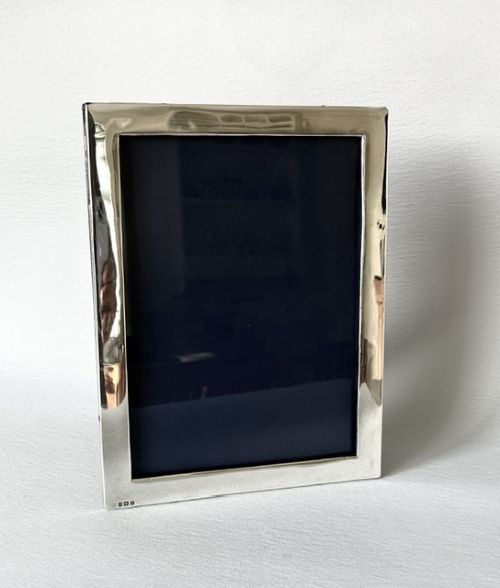
Silversmiths and metalworkers shaped sterling silver, gilt bronze and pewter through casting, embossing and engine-turning. Many frames feature intricate floral repoussé work or smooth plain borders applied to a rigid structure.
Supporting backs were commonly constructed from wood, frequently covered in fabric or velvet to protect the reverse of the object. Glass panels protected the photographic paper, held securely within the metal bezels or hinged bezels of the frame.
Listings feature sterling silver, gilt bronze, pewter, wood, velvet and silk across Victorian and Edwardian periods.
What varies in quality
The distinction between standard domestic pieces and finer works lies in the depth of metalwork and the complexity of the design. Hand-engraved patterns, cast ribbon motifs and figural details such as cherubs or butterflies indicate higher workshop investment.
Substantial gauge silver and intact original wooden backs with functional structural hinges preserve the integrity of the object. Quality is also evident in the crispness of hallmarks struck by regional assay offices.
Rosenthal Jacob And Co·Walker And Hall·Syner And Beddoes
The Tabletop Photo Frame Glossary
- Sterling silver
- An alloy containing ninety-two point five percent silver by mass, forming the primary metal body for the majority of these frames.
- Engine-turned
- A decorative technique involving precise geometric patterns mechanically engraved into the metal surface.
- Easel stand
- A hinged wooden or metal prop attached to the back of the frame to allow upright tabletop display.
- Repoussé
- A metalworking method where the design is hammered into relief from the reverse side.
- Carte de visite
- A small type of nineteenth-century photograph frequently housed in specialised display boxes and frames.
Tabletop Photo Frame: Frequently Asked Questions
How do I clean a silver frame?
Silver frames require gentle cleaning with a specialised soft polishing cloth to maintain the shine without damaging embossed details. Avoid abrasive pastes that can wear away thin silver layers.
Keep polish away from fabric backing materials and glass surfaces to prevent staining or residue buildup.
Can these frames hold modern photos?
Most antique frames accommodate standard photograph sizes, though older apertures may require trimming modern prints to fit exact dimensions. Opening the back reveals the interior space available for insertion.
Care should be taken with fragile hinges and old glass when swapping pictures inside Victorian or Edwardian mounts.
What is an easel back?
An easel back is the hinged support strut attached to the reverse of the frame, allowing the object to stand unsupported on horizontal surfaces. These supports are typically covered in velvet, silk or plain wood.
Many antique examples retain their original backing boards and folding struts, which adds to the historical integrity of the piece.
How do I identify the date?
Assay office hallmarks stamped directly onto the silver mount provide definitive information regarding the year of manufacture and the city of testing. Letters correspond to specific assay years used by offices in cities like Birmingham, Chester and Sheffield.
Stylistic indicators such as Art Nouveau curves or Victorian floral embossing also help narrow down the production era.