





Rectangular Silver Frame
A rectangular silver frame brings polished metalwork and personal history together on a desk or wall.
Rectangular Silver Frame
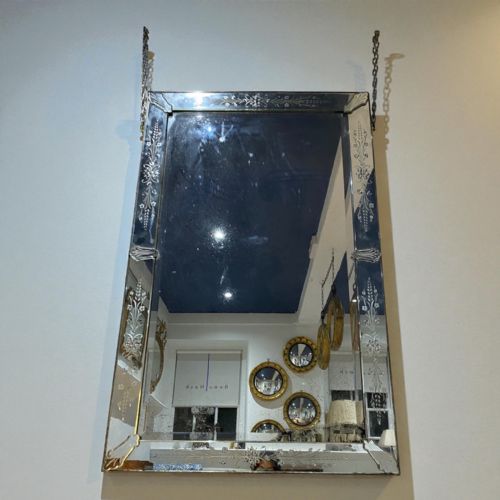
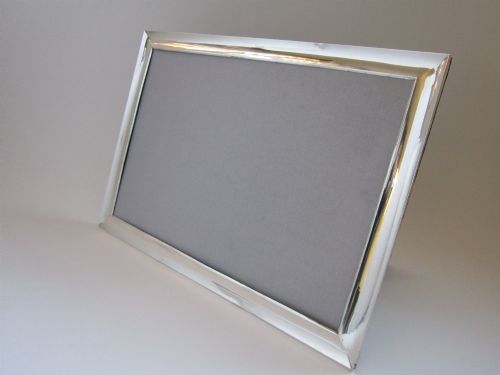
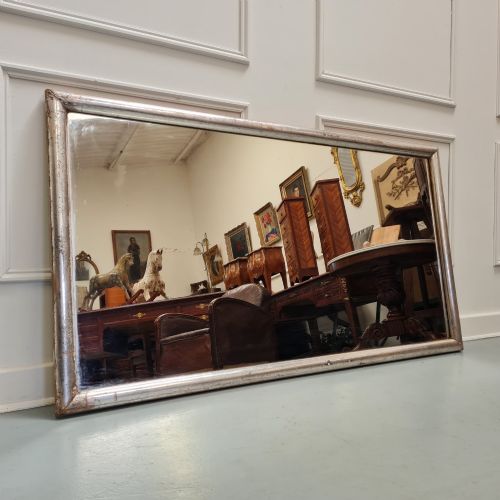
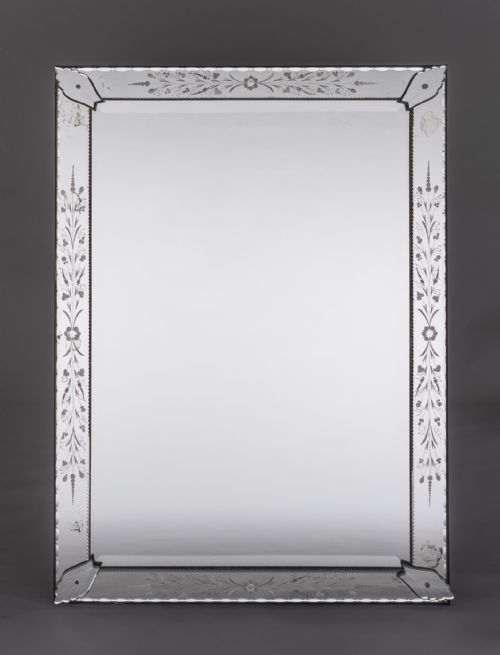
When you search for a rectangular silver frame, you encounter a distinct category of desk accessories and wall hangings designed to display portraits or reflect light. These pieces range from compact tabletop photograph holders to substantial wall-mounted mirrors produced across the nineteenth and twentieth centuries.
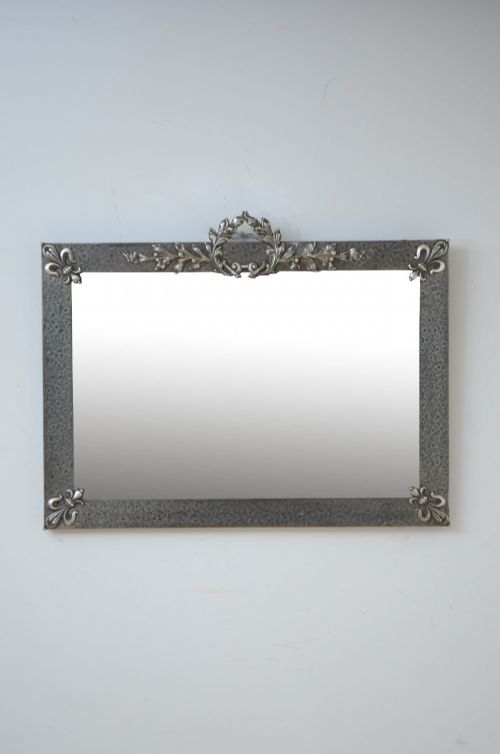
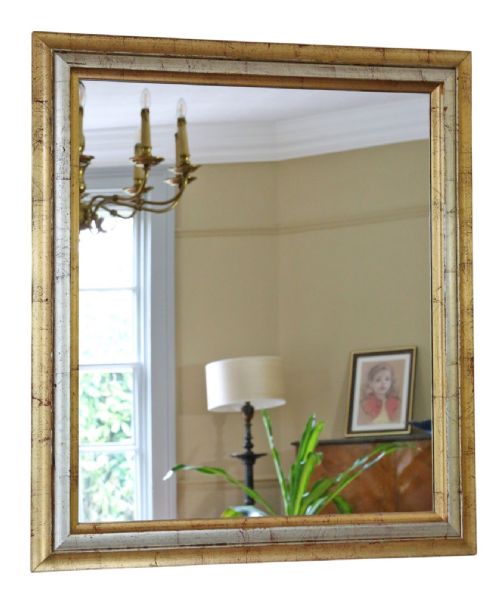
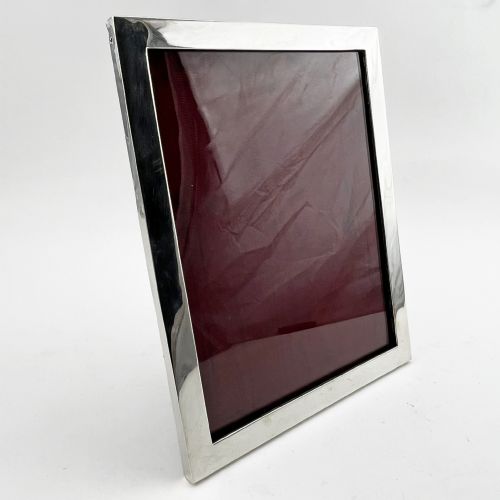
The version you are most likely to meet on this page is the photograph frame in sterling silver, often featuring a plain or engine-turned border supported by a wooden or velvet back. Alongside these sit wall mirrors and overmantel pieces finished in silver leaf, silvered glass or hammered metal, spanning Victorian, Edwardian, George V and Art Deco tastes.
Materials and Construction
Makers formed these items using sterling silver sheets shaped around wooden carcasses, backed with materials like oak, leather, velvet or fabric to provide rigidity and support for easel stands. Metalworking techniques such as hammering, engine-turning and engraving created texture and pattern upon the silver surface.
Glass plates, mirrored glass and silver leaf also feature prominently in the wall-hanging variations, combined with timber frames in oak, giltwood or brass. These construction methods ensured both durability for everyday desk use and decorative presence for domestic interiors.
Rectangular Silver Frame Retail Price Guide 2026
Typical asking prices for rectangular silver frame among the pieces listed under this phrase on Sellingantiques today, from the lower quarter to the upper quarter. They describe what is for sale here now, not the wider market.
Some frames still harbour faded sepia portraits of stern Edwardian relatives who evidently expected to watch over your desk forever.
Standards of Workmanship
The distinction between ordinary production and finer work lies in the weight of the silver, the crispness of any engraved or engine-turned decoration, and the integrity of the backing materials. Superior examples display substantial gauge metal that resists bending, alongside well-fitted corners and secure easel mechanisms.
Makers who supplied luxury retailers paid close attention to the reverse side and interior framing, utilising quality timber or plush velvet rather than cheaper substitutes. The clarity of the glass and the retention of original finishes further separate standard utilitarian items from pieces possessing distinct decorative refinement.
William Comyns·Garrard and Co·Asprey and Co·A.J Rowley
The Rectangular Silver Frame Glossary
- Sterling silver
- An alloy containing 92.5 percent silver and 7.5 percent other metals, typically copper, used to provide durability for functional items.
- Engine-turned
- A decorative technique involving precise geometric patterns mechanically etched into metal surfaces.
- Overmantel mirror
- A large horizontal mirror designed specifically to hang on the wall directly above a fireplace mantelpiece.
- Giltwood
- Timber that has been coated with a thin layer of gold leaf or gilt paint for a decorative metallic finish.
- Easel back
- A hinged rear strut attached to a frame that allows it to stand upright on a flat surface.
Rectangular Silver Frame: Frequently Asked Questions
How do I date a silver frame?
Dating relies primarily on the hallmarks stamped into the silver, which indicate the assay office, date letter and maker's mark.
Stylistic cues such as the clean lines of Art Deco or the ornate borders of late Victorian design also help establish the period.
What backs are original on antique frames?
Original backs typically consist of wood such as oak, or heavy cardboard covered in black or coloured velvet and leather.
Many retain functional wooden easel stands or suspension loops intended for wall hanging.
How should I clean sterling silver?
Cleaning requires a soft microfiber cloth and a mild silver polish formulated to remove tarnish without abrading the metal.
Harsh chemical dips should be avoided, particularly near velvet backs or mirrored glass edges where moisture can cause damage.
Were these frames used on desks or walls?
Tabletop photograph frames were designed for desks, mantelpieces and dressing tables, featuring folding struts to remain upright.
Larger rectangular examples incorporated hanging fixtures for mounting securely on interior walls.