
Antique Sterling Flatware
These pieces of antique sterling flatware span centuries of dining, offering solid silver spoons, forks, and servers shaped by changing tastes and domestic habits.
Antique Sterling Flatware
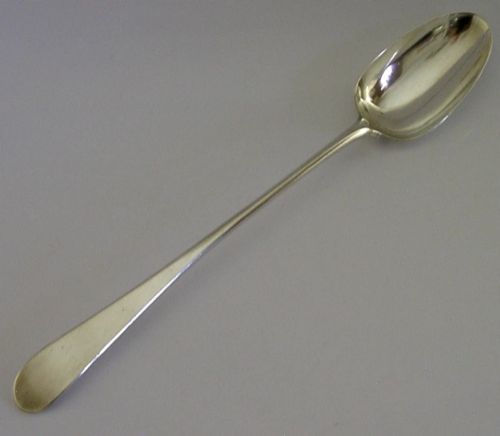
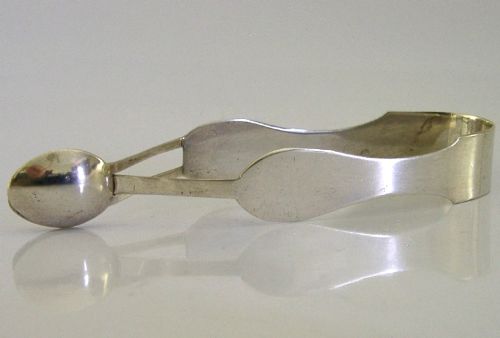
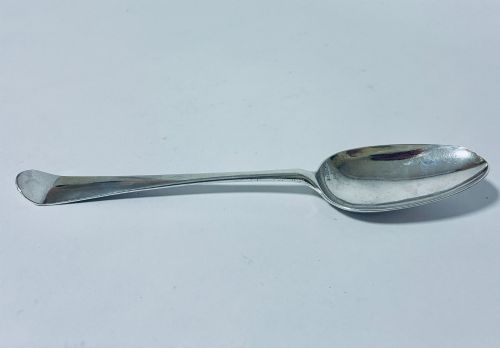
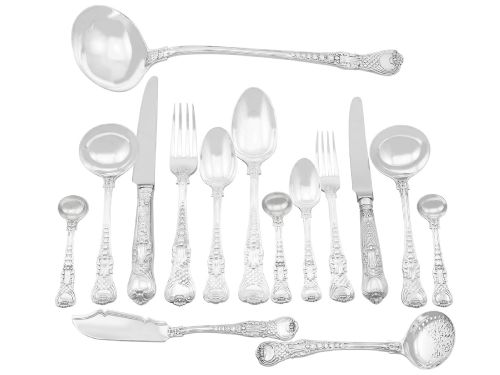
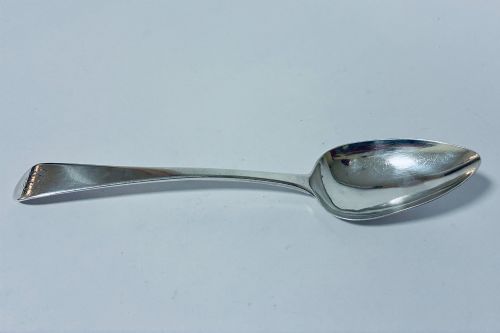
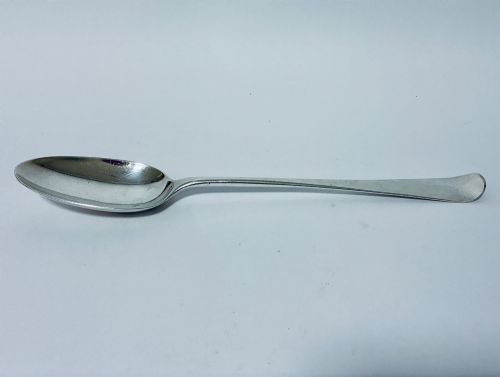
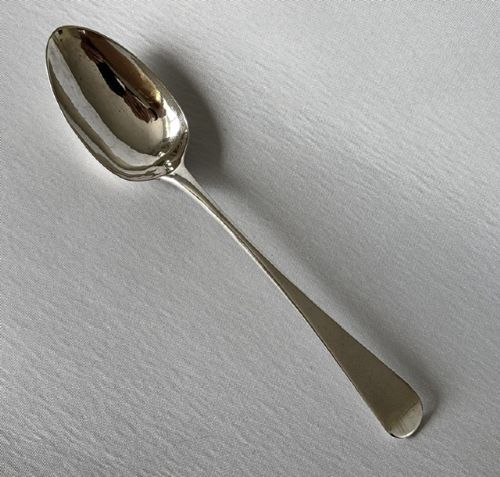
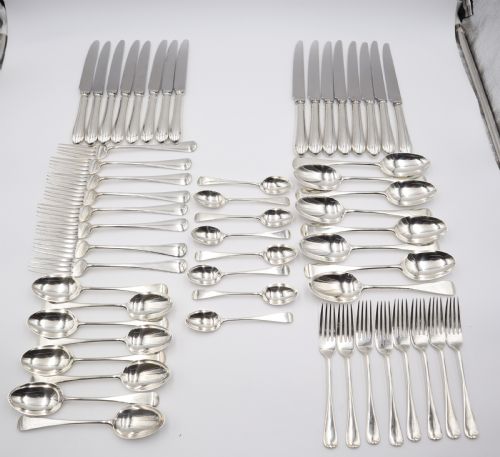
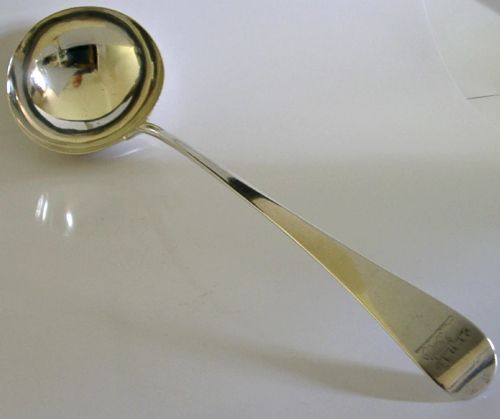
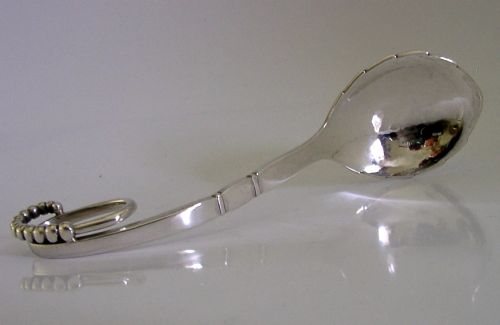
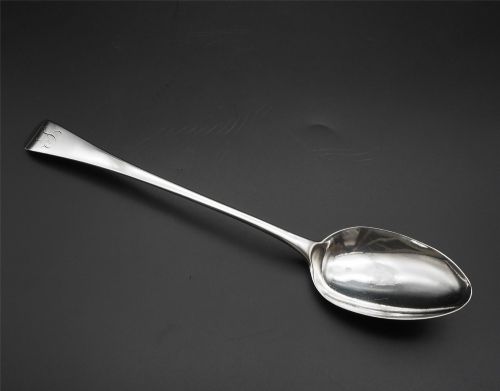
When you search for antique sterling flatware, you encounter a range of functional table silver spanning the Georgian, Victorian, and Edwardian periods alongside later twentieth-century designs. The forms on this page include serving spoons, basting spoons, caddy spoons, fish servers, ladles, and complete canteens of cutlery intended for formal dining.
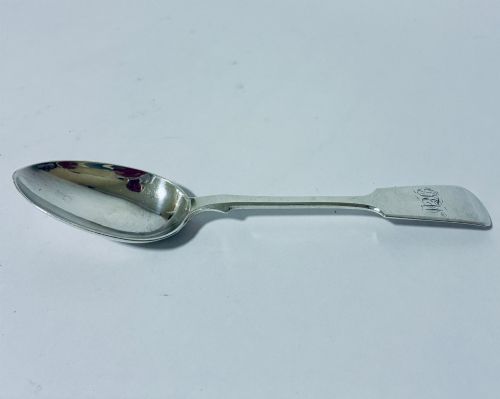
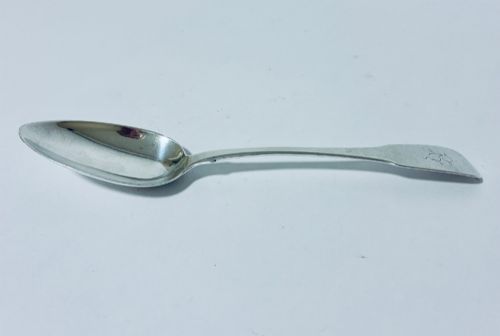
You are most likely to meet individual serving pieces, boxed cased sets, and traditional patterns such as Fiddle pattern alongside specialised implements like lobster picks and grapefruit spoons. These objects represent domestic dining traditions from English, Irish, and international workshops across multiple centuries.
Materials and construction methods
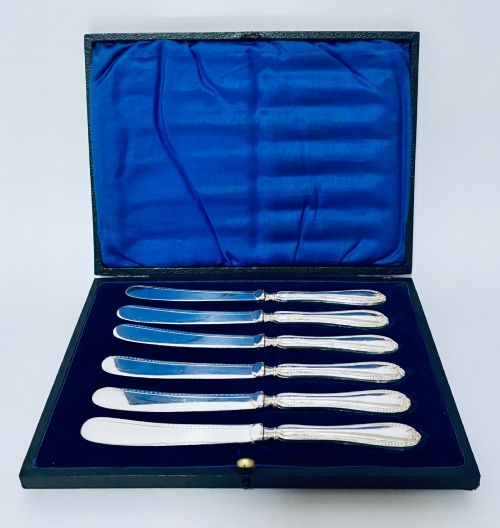
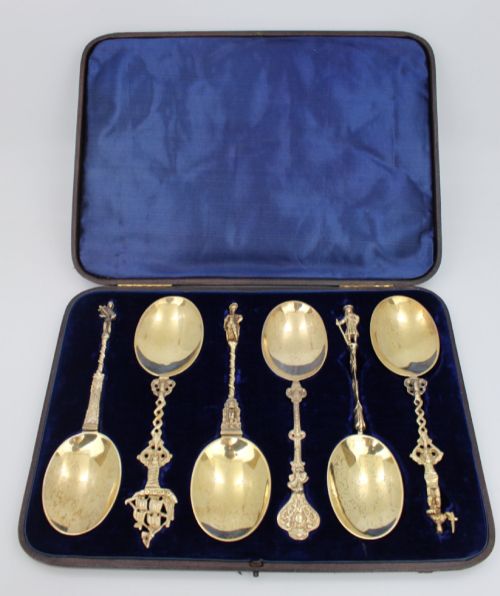
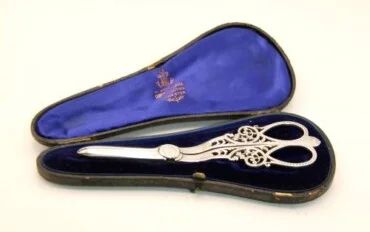
The primary material is sterling silver, shaped through hammering, casting, and piercing to form balanced handles and functional bowls or tines. Many specialised servers and cased sets incorporate supplementary materials like steel for strength, alongside fitted presentation boxes lined with velvet, satin, silk, leather, and leatherette.
Silversmiths employed techniques such as fancy-back decoration, cast openwork, and engraved family crests to individualize these functional items. Handles occasionally integrate organic elements like agate alongside traditional metalworking methods.
Early tea drinkers relied on mote spoons with tiny pierced bowls to strain leaves and sharp stems to unblock stubborn teapot spouts.
Distinctions in craftsmanship and survival
Quality rests upon the crispness of the maker's mark, the depth and clarity of chased or engraved decoration, and the preservation of original form without excessive thinning from polishing. Early cast elements and pierced work demonstrate the maker's technical skill.
The integrity of fitted cases, complete sets, and unblemished family crests also distinguish exceptional pieces from standard domestic table silver.
Peter and Jonathan Bateman·Hester Bateman·Georg Jensen·Martin Hall and Co·Henry Wilkinson·Joseph Willmore·Tiffany and Company
The Antique Sterling Flatware Glossary
- Sterling silver
- A silver alloy containing 92.5 percent pure silver by mass, with the remainder composed of other metals such as copper to ensure durability in flatware.
- Caddy spoon
- A short-handled spoon specifically designed for measuring loose tea from a caddy into a teapot, often featuring shell or leaf-shaped bowls.
- Basting spoon
- A large spoon utilised historically for spooning juices over roasting meat, frequently measuring significantly longer than standard table spoons.
- Fiddle pattern
- A nineteenth-century flatware handle design characterised by a narrow stem broadening into a shoulders-and-squared terminal resembling a stringed instrument.
- Mote spoon
- An eighteenth-century slender spoon with a pierced bowl used for skimming tea leaves, featuring a tapered pointed stem for clearing teapot spouts.
Antique Sterling Flatware: Frequently Asked Questions
How do I date antique silver flatware?
Dating relies primarily on hallmarks stamped directly onto the metal, which include maker's marks, standard marks indicating sterling fineness, and date letters corresponding to specific assay offices and years.
Additional clues come from stylistic indicators, such as the shape of the handle and the presence of engraving styles typical of periods like the Georgian or Victorian eras.
What is the difference between flatware and cutlery?
Historically, flatware refers strictly to spoons and forks used for dining, while cutlery encompasses cutting instruments such as knives and carving implements.
In modern parlance, the terms often overlap, particularly when describing matched canteens that contain both eating utensils and serving pieces.
How should I clean antique sterling flatware?
Clean sterling flatware gently using warm water, mild soap, and a soft cloth to remove everyday residue without damaging the metal surface.
Avoid harsh chemical dips that strip away desirable patinas built up over generations of careful use and natural oxidation.
Can I use antique silver flatware daily?
Many people enjoy using antique silver for everyday dining, as regular handling helps maintain a bright finish on the raised portions while preserving darker oxidation in recessed details.
Hand washing is essential to protect delicate elements, original wooden or agate handles, and fitted presentation cases from moisture damage.