




Antique Sterling Card Box
An antique sterling card box is a small, precious receptacle designed to hold visiting cards or playing cards, prized for its intricate metalwork and historical charm.
Antique Sterling Card Box
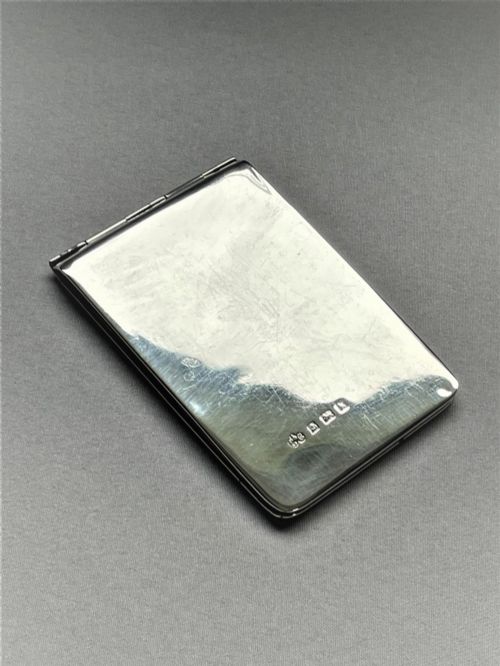
When you search for an antique sterling card box, you encounter items designed for social correspondence, parlour games, and smoking accessories, spanning card cases, playing card boxes, and menu holders. Victorian and Edwardian examples dominate the selection, alongside items from the 1930s and 1940s.
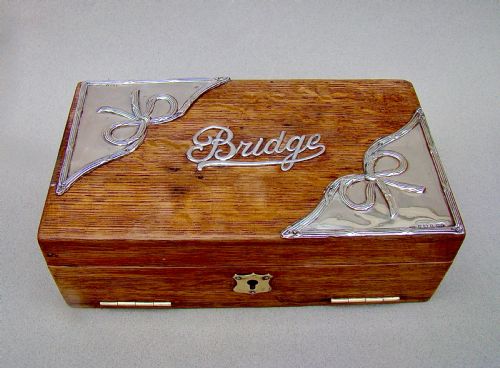
The objects take many forms, from slim pocket cases with spring mechanisms to hinged wooden caskets mounted in silver, and occasionally incorporate compartments for stamps or cigarettes.
How They Were Made
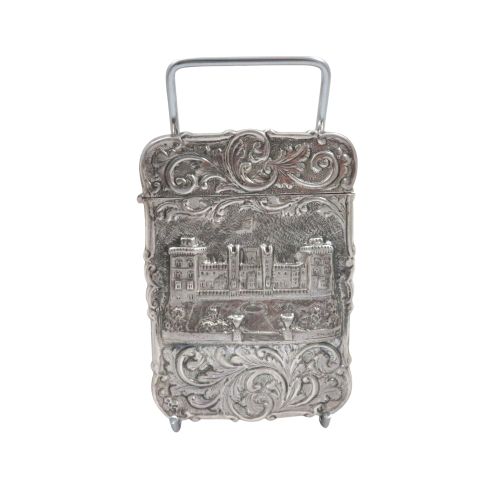
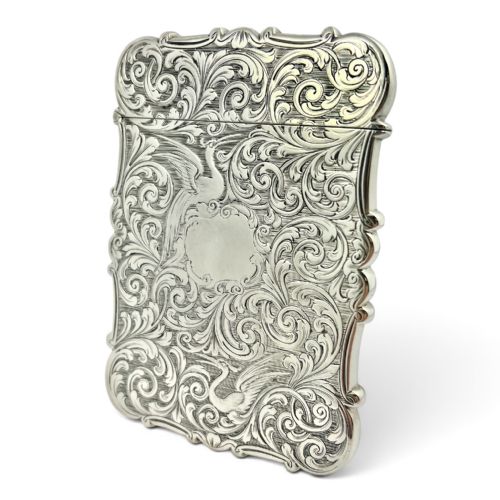
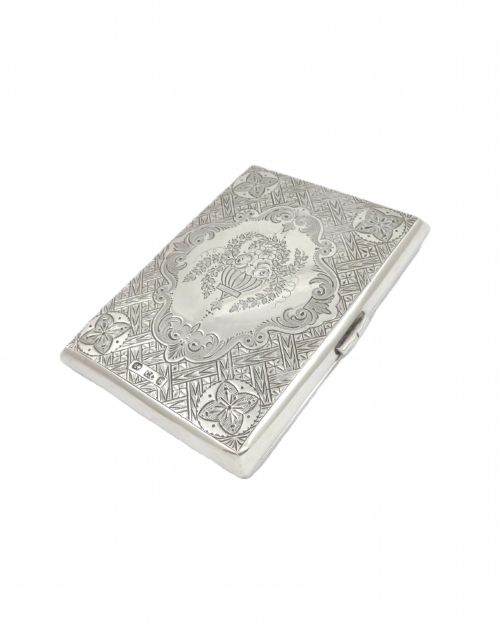
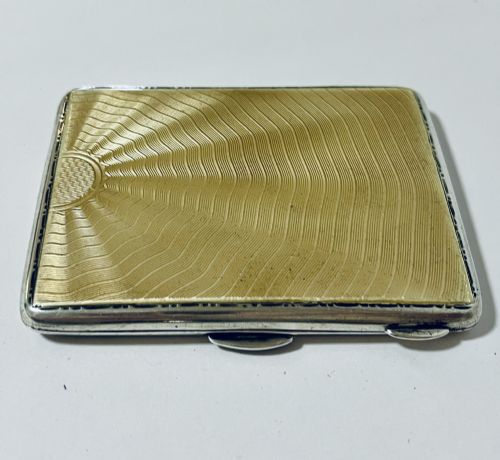
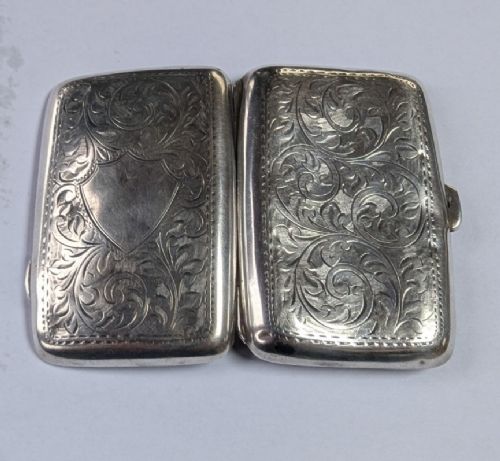
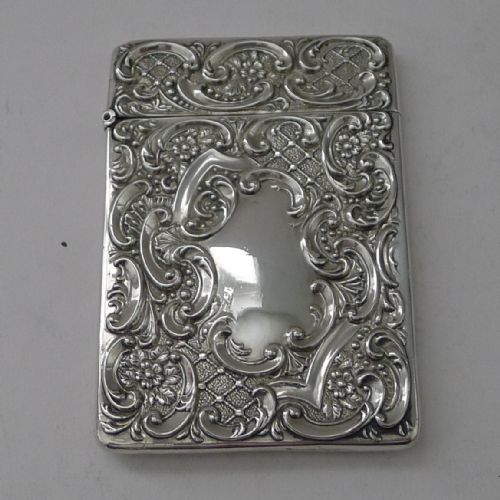
Silversmiths constructed these pieces primarily from sterling silver, frequently employing techniques such as engine turning, hand engraving, and casting to decorate the surfaces with architectural scenes or motifs.
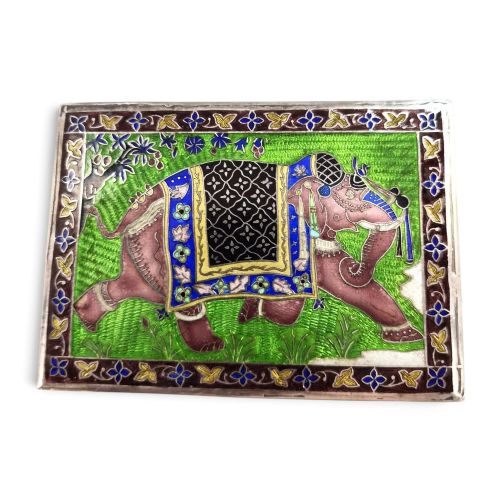
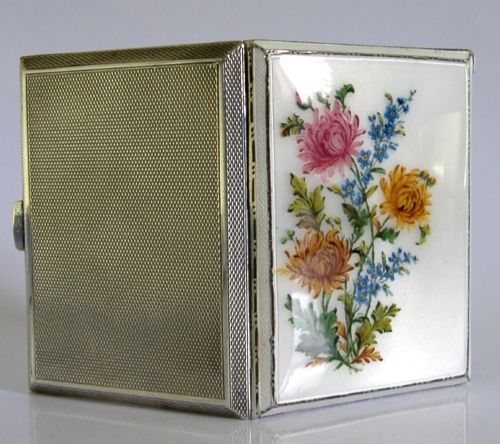
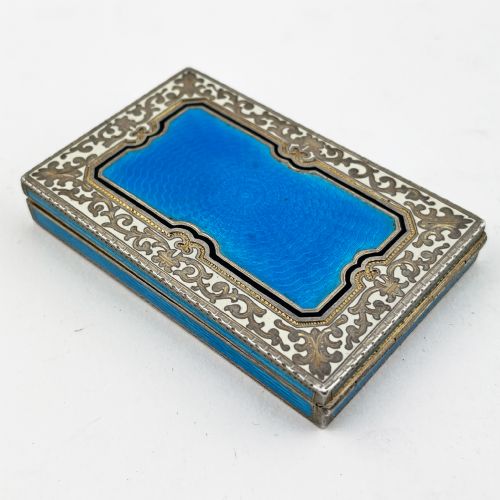
Many boxes feature interior linings of velvet, leather, or silk, whilst others incorporate hand-painted enamel panels or gilt interiors to elevate their decorative appeal.
Several boxes were specifically tailored for the card game Patience, acknowledging the solitary quiet of a Victorian parlour.
What Varies in Quality
Quality rests on the depth and crispness of the engraving, particularly on castle top pieces depicting specific architectural landmarks, where sharp detail distinguishes superior work from worn examples.
The integration of secondary materials, such as undamaged polychrome enamel or securely fitted internal velvet and leather trays, marks the distinction between standard production items and exceptional commissions.
A. Wilcox·Levi & Salaman·Nathaniel Mills·George Unite·Edward Edwards·Asprey·Mappin & Webb
The Antique Sterling Card Box Glossary
- Castle Top
- A silver card case or box featuring a high-relief architectural engraving of a famous building or landmark on the lid. Nathaniel Mills is the maker most commonly associated with this specialised form.
- Engine Turned
- A decorative pattern of precise geometric lines mechanically etched into the silver surface. This technique provided a secure grip and a formal texture to pocket cases.
- Gilt Lined
- A silver interior washed in a thin layer of gold to prevent tarnishing from contents such as tobacco or cards. It adds a warm visual contrast when the box is opened.
- Menu Holder
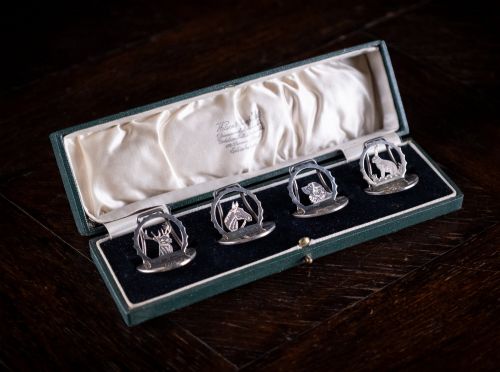
- A small standing silver mount designed to display table menus or place cards at formal dinners. They often take the form of animals or figures.
- Hallmark
- Official stamps struck into precious metal indicating the assay office, standard of silver, and date letter. These marks allow precise dating of the piece.
Antique Sterling Card Box: Frequently Asked Questions
What were antique sterling card boxes used for?
These boxes held visiting cards for social calls or kept playing cards clean and organised for parlour games like bridge, whist, and patience.
They also served wealthy Victorians and Edwardians as functional accessories for personal desks, card tables, and evening wear.
How do I date a silver card box?
You date a piece by reading the hallmarks stamped into the silver, which reveal the assay office, date letter, and maker's mark.
Stylistic clues like Art Deco geometries or Victorian castle top engravings also point to the specific decade of manufacture.
Are these boxes suitable for daily use?
Many sturdy silver card and cigarette boxes remain robust enough to hold modern business cards or playing cards on a desk.
Delicate items with hand-painted enamel or thin velvet linings require gentle handling and are best reserved for display.